Ancestor Work – Remembrance and Healing

Introduction – Gwyn and Remembrance

I have been working with the ancestors since I discovered Paganism in 2010 and, more deeply, since meeting my patron God, Vindos / Gwyn ap Nudd, in 2012 and dedicating myself to Him as His awenydd ‘person inspired’.

Gwyn is a Brythonic God of the dead who gathers the souls of the deceased to His realm, Annwn (‘Very Deep’, the Otherworld). Ancestry is significant in the Brythonic tradition. This is shown in the medieval Welsh poem, ‘The Conversation of Gwyn ap Nudd and Gwyddno Garanhir’, wherein one of the first questions that Gwyddno asks Gwyn is about His descent. The genealogies of the Men of the North trace the lineages of sixth century rulers, such as Gwyddno himself, through seven generations, to common ancestors. The role of the bard was to keep alive the name of his lord and his predecessors, to tell their stories, exult their victories, and deride their enemies. Their legacies were tightly intertwined with the land where they lived, as shown by the names Urien Rheged and Maelgwn Gwynedd.

Whilst this tradition focuses on male wealthy male warlords, it would have been likely that that, during this period, ordinary people also had their share of ancestral stories that were passed down from generation to generation. Their tales, too would have been inextricably bound up with their local landscape.

Ancestors of the Land

When my service to Gwyn began, I was called to honour the ancestors of my locality – my hometown of Penwortham and the nearby city of Preston. Through a combination of research and shamanic journeying with Gwyn, I recovered the lost memories of the ‘Dwellers in the Water Country’ from the prehistoric period through medieval times and industrialisation to now. 

Learning about the prominent landowners and lords of the manor, such as the Fleetwood and Rawstorne families and cotton lords such as John Watson and John Horrocks, was unavoidable. However, I was inspired to focus more on those who had been oppressed and those who dissented, such as the orphans who worked in Penwortham Mill and the Preston Cotton Martyrs.
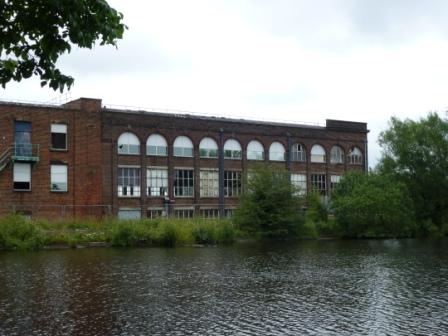
Penwortham Mill (now demolished) where John Watson’s orphans worked.

For me, giving voice to their memories was a magical act that honoured their lives and resistance, making them heard, making them visible. It struck me that Nudd or Lludd, Gwyn’s father, was associated with the Luddites in the form of King Lud and was a rallying figure for their rebellion.

Ancestors of Spirit – Orddu
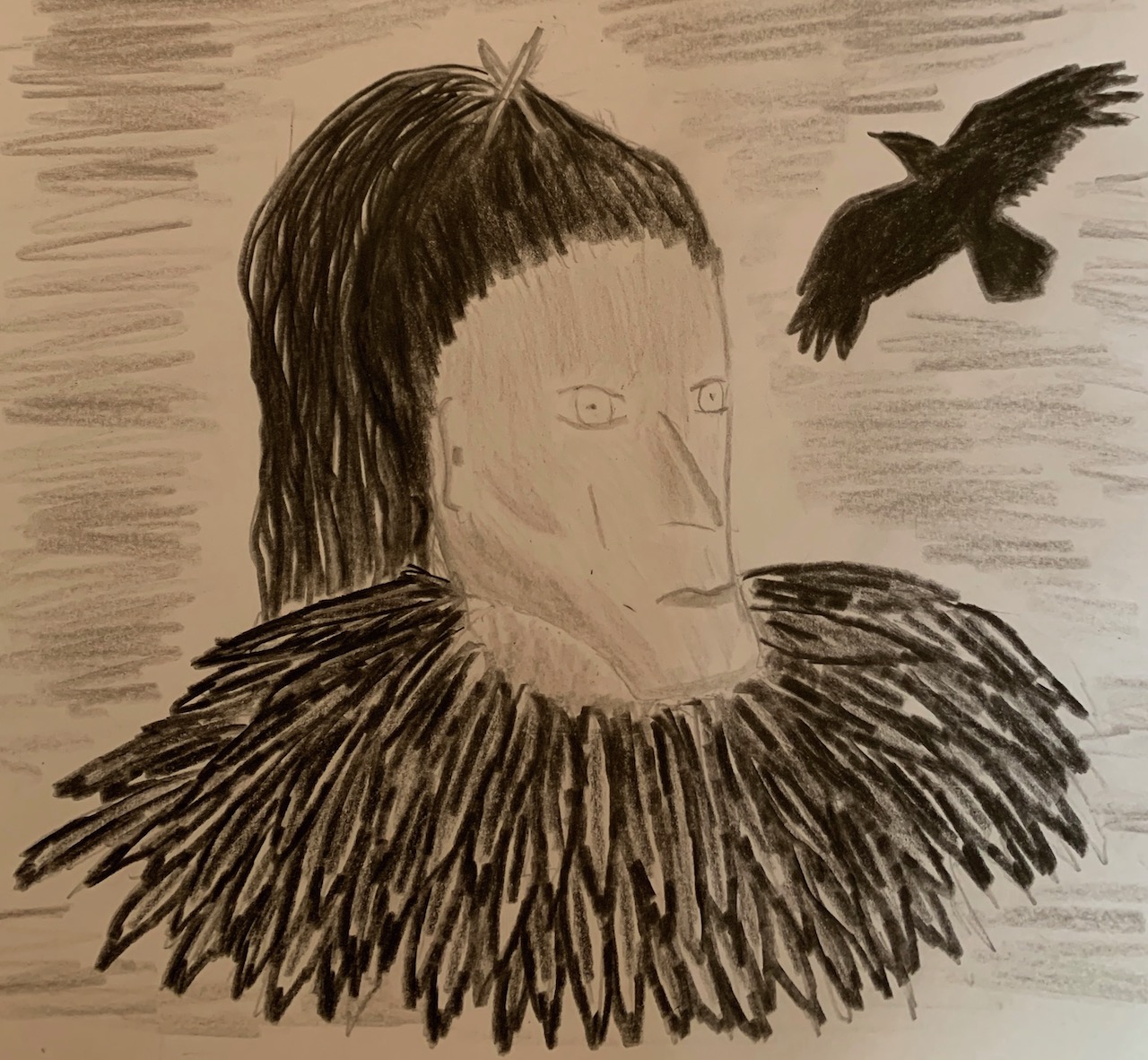
Orddu

I was also called to work with and honour spiritual ancestors. An example of this is how I won the favour of my spirit teacher, Orddu, ‘Very Black’, a ‘witch’, who lived in a cave in Pennant Gofid, ‘the Valley of Grief’, in an unnamed location in northern Britain. Orddu’s story is recorded in Culhwch and Olwen. Herein, Arthur kills her by cutting her in twain with his knife, then drains her blood and uses it to grease the beard of the giant, Ysbaddaden Bencawr. 

This gristly story appalled me. After reading it, I couldn’t stop hearing Orddu’s screams. I journeyed to the cave in Pennant Gofid and found her remains. I was made aware that she had become one of the spirits of Annwn, the restless dead, whose fury Gwyn holds back to prevent the destruction of the world. 

This led me to doing further journeywork to recover and tell the story of Orddu and her lineage, from her mother, Orwen, ‘Very White’, back to their foremother, Eira, ‘Snow’ who I was shown was the first of their lineage to inhabit the cave in Pennant Gofid after the Ice Age. Their stories formed a central thread in my books, The Broken Cauldron and Gatherer of Souls. They recorded journeys in which I laid Orddu’s bones to rest, recovered the last drop of her blood and returned it to Pennant Gofid. Through these acts of bardic and shamanic magic, I placated her spirit, and she left the spirits of Annwn and returned to her home to become a spirit teacher.

Ancestors of Blood

I have honoured my blood ancestors for a while, but it’s only recently that I’ve started working with them on a deeper level for healing purposes. I started out with putting their photographs in an ancestral space on my mantelpiece. When I went to Samhain rituals with a local Druid grove it was notable that my grandfather on my mum’s side, Henry Collison, always wanted to go. When I took his photo everybody admired him and said he was a handsome man. He liked that a lot – he was always a lady’s man. I sensed my grandmothers were less willing. When I considered taking my grandad on my dad’s side, his photo fell down the back of the fire, showing he did not want to go to a Druid rite.
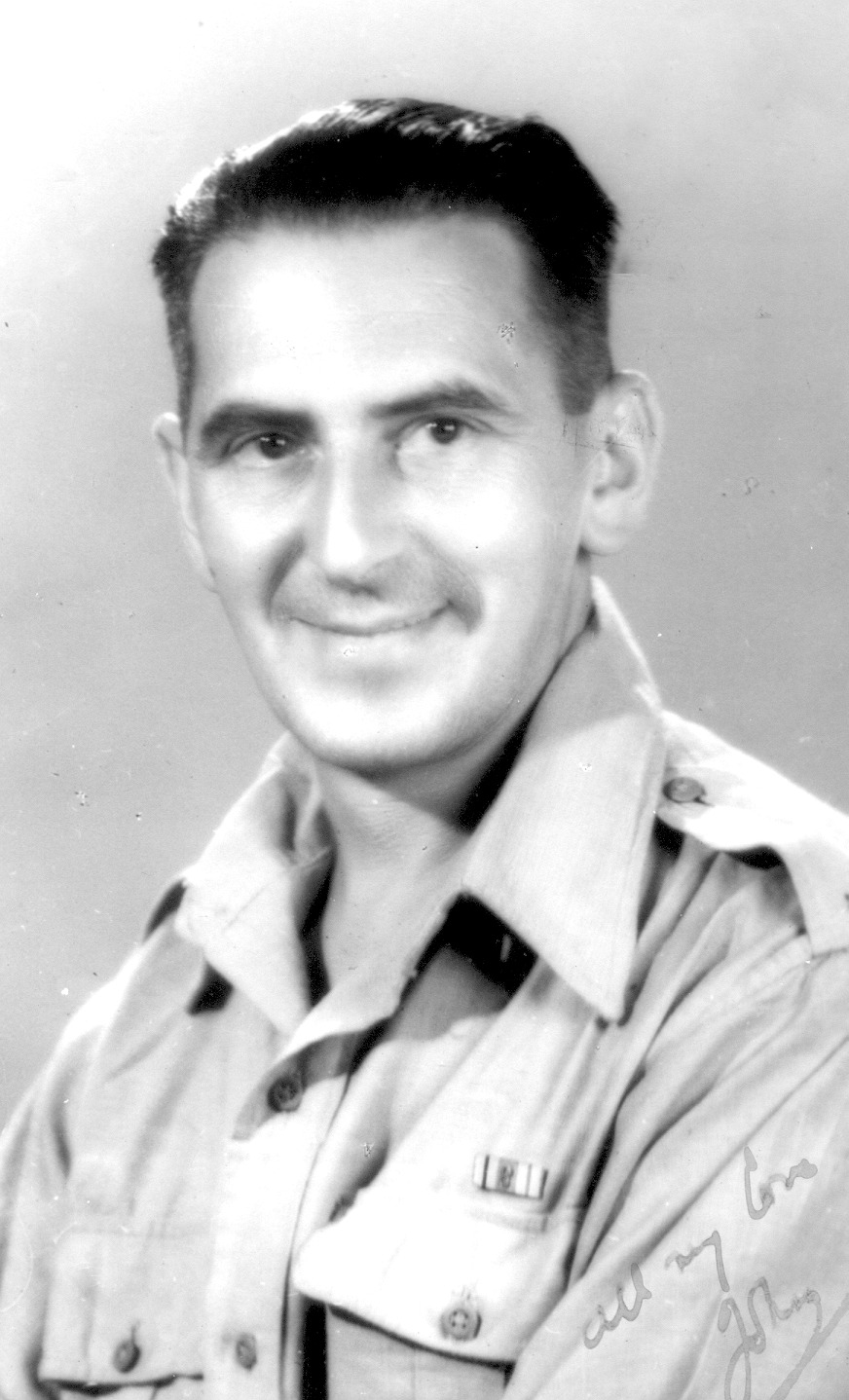
Henry Collison – Grandad on mum’s side

I’ve long sensed that my grandad, Henry, remains quite close to me. He died of a heart attack whilst my mum was pregnant with me and I intuit our souls met. When I attended a local spiritualist church for the first time, in 2024, and one of the members got a Henry, being autistic and having better relationships with household objects than other humans, my mind went straight to our new extra-large Henry hoover with super suction. By the time I’d recalled that my grandad was called Henry, I’d lost the chance to receive a message and dared not speak up and admit my late realisation because of the hoover. The next morning, when I woke up, my hair dryer had been turned round the wrong way and the nozzle had been taken off. I sensed Henry laughing. I admitted to what had happened the next week. 

At this time, I had decided to start working with my family ancestors in earnest through the Way of the Buzzard ‘Ancestral Echoes’ course and with my shamanic mentor, Jayne Johnson, as part of my apprenticeship. 

The reason I had delayed working with them for so long was because I have a difficult relationship with my dad and feared it would place limitations on my how well I would be able to relate to my ancestors on his side. There have been a few blocks, but I’ve discovered most have been open to contact. 

I began with the basic step of finding an ancestor ally to guide this work. I then started doing some ancestral research but, unfortunately found that the Ancestry site which most researchers used was too confusing for my autistic brain. Luckily, my mum, who I introduced to shamanism a few years ago and is techy, fell in love with this area and got hooked on researching our ancestors. She’s managed to get back seven generations along most of our bloodlines and followed some back to as early as the fourteenth century. 

We’ve since been journeying to our ancestors, starting with my grandmothers and grandfathers, then moving on to my great grandparents and beyond, to check whether they’ve passed safely and any of them need healing and, with the help of our guides, carrying out any work that has been needed. This has, so far included basic healings, soul retrieval, and psychopomping.

I have also learnt that our ancestors not only live on in the otherworlds and in other lives in which they have been reincarnated, but within us. That means their healing can take place within us. For example, I feel that overcoming binge eating and not being overweight for too long and becoming diabetic (as happened to my grandmother on my mum’s side and my mum) has helped heal this tendency within our lineage. Likewise, my giving up of alcohol has helped heal this addictive trait on both sides. My grandmother on my dad’s side was an alcoholic and my great grandfather on my mum’s side died an alcoholic in a mental hospital when he was in his 30s. I believe some of my fears about becoming an alcoholic and going mad came from him. 

Client Work

Although I am not officially offering ancestral healing, as I’m only just starting out myself, I have done ancestral work with clients as and when it’s come up. I have provided clients with guidance on how to research ancestors of land, blood, and spirit, held space for clients to journey to ancestors, and journeyed with and for clients to gather ancestral information. I have also helped a client to meet and build a relationship with an ancestor ally.

Conclusion – Ancestral Healing as a Lifelong Process

My work with ancestral healing to date has shown that it isn’t a quick fix, but a lifelong process. The work is long as the ancestral lines, leading back generation by generation, doubling (by the formula 2n) each time. 

I feel I have a reasonable knowledge of working with and honouring land ancestors and a strong relationship with one lineage of spiritual ancestors, Orddu and her kindred, who as ‘witches of Annwn’ are fellow followers of Gwyn. 

My work with my family ancestors remains ongoing. I am slowly getting to know them better. As an autistic person, unlike my mum, I’m never going to have a cup of tea and make small talk with them as it isn’t in my nature, but I feel they appreciate that I have made the effort to reach out and learn their stories.

I am confident that I can provide basic guidance to clients on ancestral work when it comes up, but for more in-depth ancestral healing, I would suggest finding a shamanic practitioner who specialises in this subject.
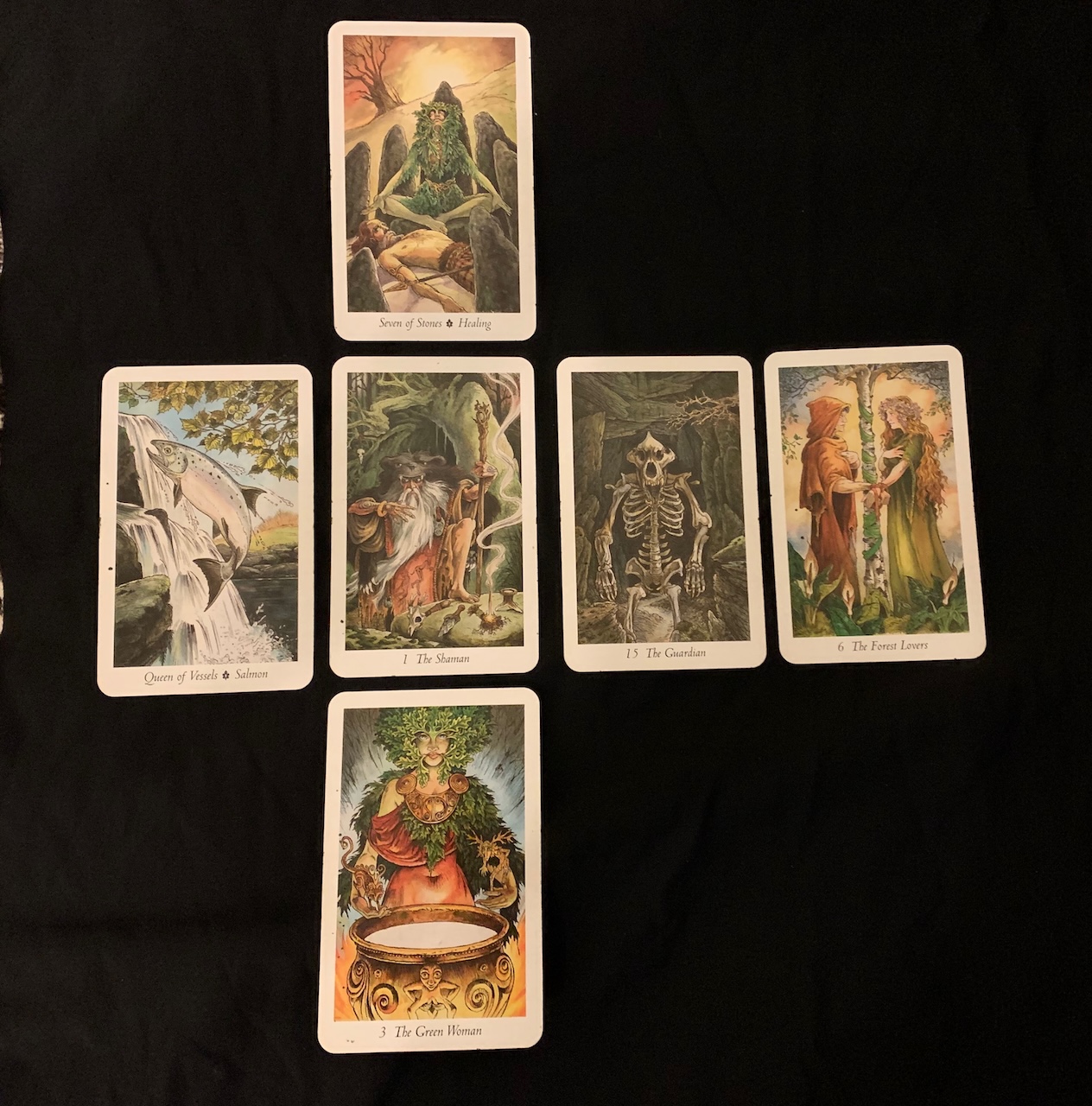
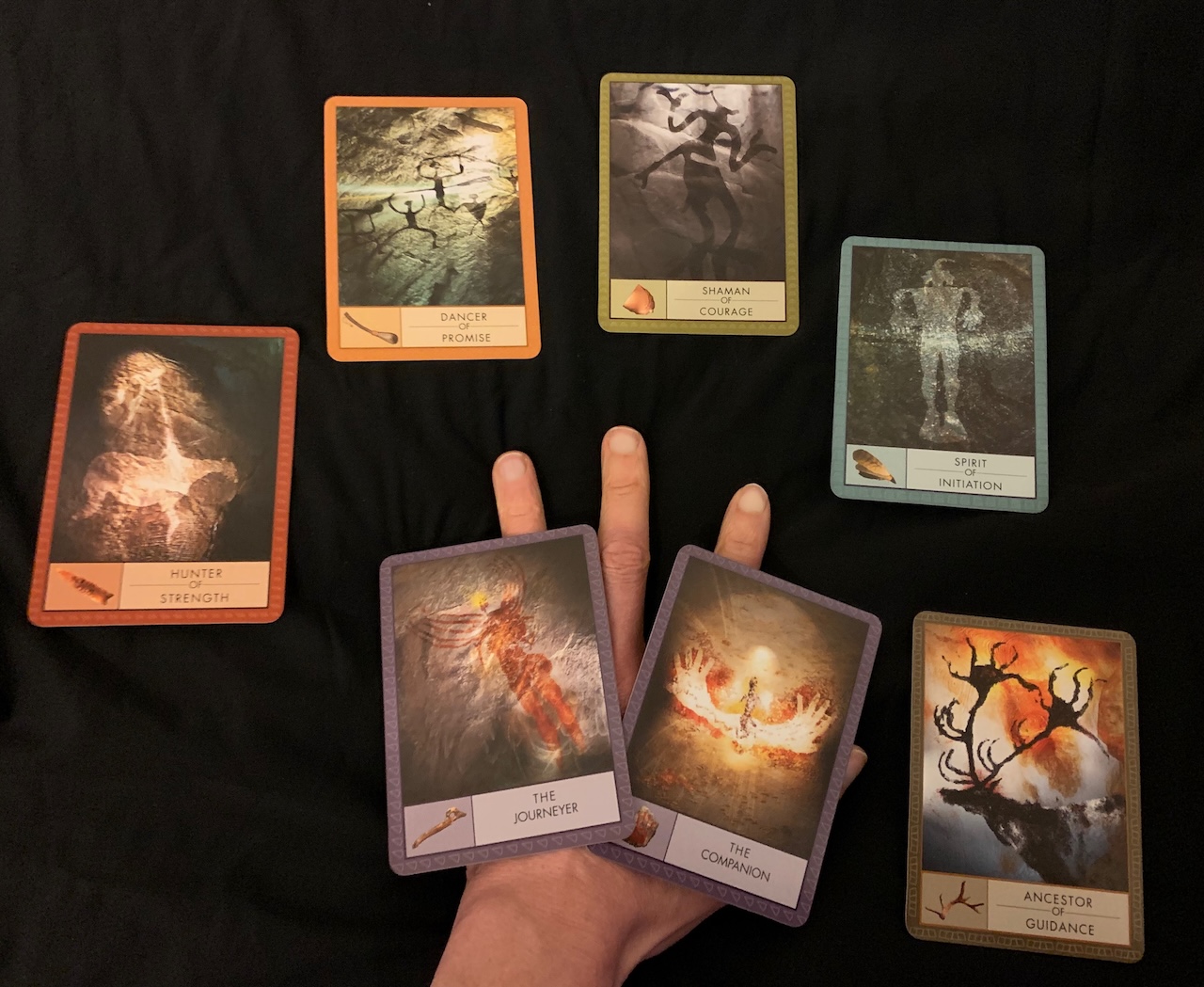
New Offering – Tarot and Oracle Card Readings with Optional Shamanic Journey

I’m very excited to be presenting a new offering. This is tarot and oracle card readings with an optional shamanic journey. I’ve been reading the tarot for myself and friends for fourteen years and, more recently, have been reading for clients too. I have also been journeying to the spirits of the cards to ask for advice in my personal practice.

I’d been uncertain about how to integrate this into my shamanic work and this morning the idea came to me – tarot and oracle card readings with an optional shamanic journey to gain guidance from the spirits of the cards. 

The decks I will be using are the Wildwood Tarot and the Shaman’s Oracle. The Wild Wood Tarot is inspired by the shamanic wisdom of the pre-Celtic cultures of Western Europe and features ‘classic forest archetypes’ such as the Green Man and Woman, the Hooded Man, and the Seer. It also includes animal spirits such as Wolf, Lynx, Hawk and Salmon.

The Shaman’s Oracle is based on prehistoric cave paintings from around the world. Figures in your Caves of Earth, Rivers, Hearthfires, Winds and Ice will lead you into the darkness to inspiration and insight and back out again. Spirits you might meet include the Spirit of Truth, the Ancestor of Guidance, the Dancer of Joy, the Hunter of Conflict and the Shaman of Purification.

Readings will include an email consultation establishing a question and a spread. A reading will take 45 minutes to an hour and a reading with a shamanic journey will take an additional half an hour. I charge £15 an hour. I can provide in person, online, and distance options. Contact: lornasmithers81@gmail.com

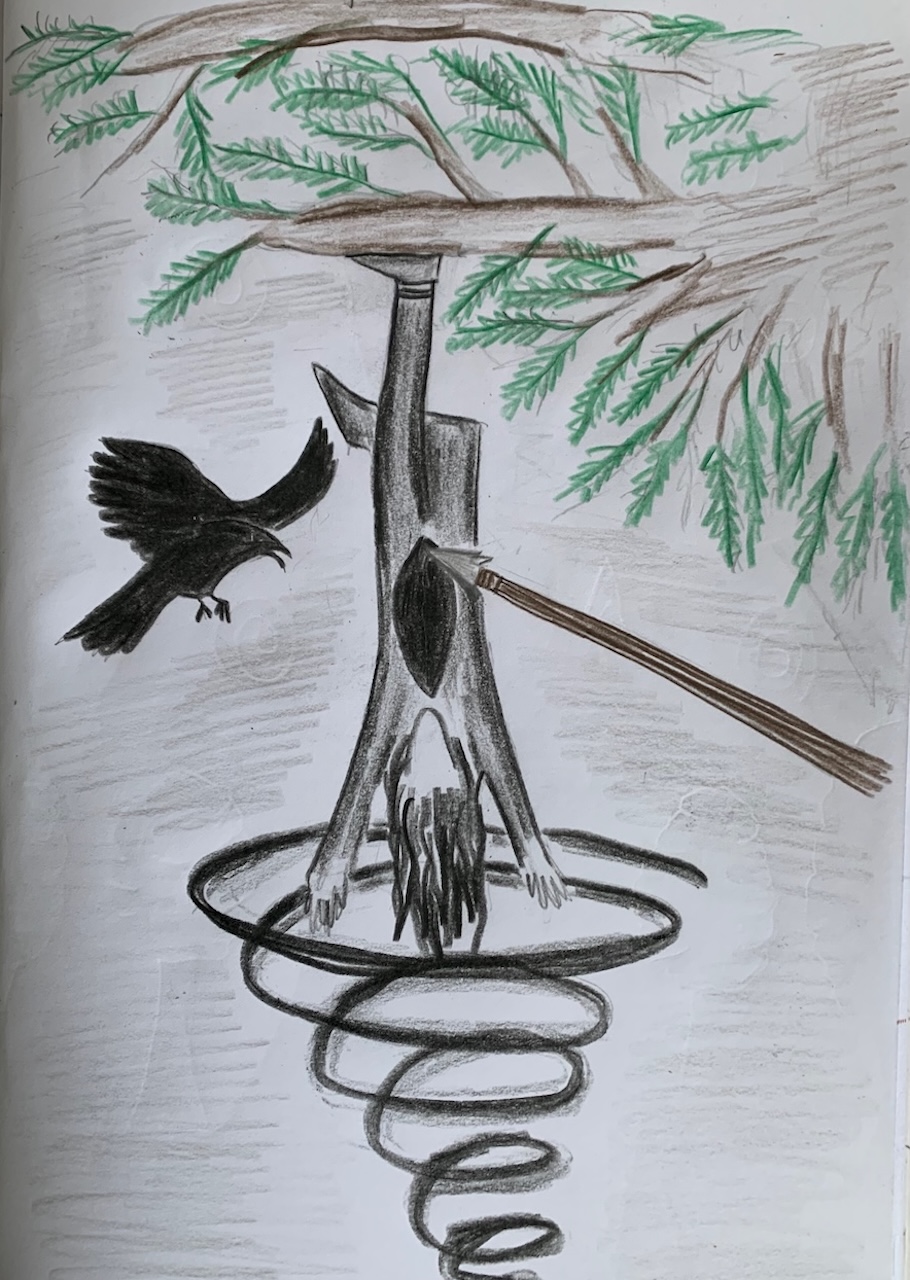
Hanged Woman

Suddenly,
from out of nowhere,
flying at me like a mad dog,
just one tooth at the end of a wooden haft,
the spear that was thrown long ago,
that should have pierced me
before I started running.

It’s finally caught up.

It opens me
and inside I am empty
and hollow as the old yew tree
on which my ragged carcass is hung.

And of course the ravens come.

And of course He’s amongst them –
my God who hung on the yew 
in raven form for nine nights
pierced by the same damn spear.

I always knew my turn would come.

And so He comes to sit beside me
and I go to visit Him and we are one –
the tree, the spear, the hung, the void,
the hollowness within and without.

And this moment is within us. 

This drawing and poem record a rite I undertook before the Winter Solstice in 2025 – nine days in meditation at the Abyss with my God. Looking back, on the one hand it had worth as a devotional offering, but on the other it wasn’t the healthiest of impulses. It opened a can of worms leading to my recent insights about how my monasticism and asceticism had partly been driven by the unhealthy restrictive and self-destructive impulses that also drove my eating disorder.

I’m Not Enough – A Root Cause of Eating Disorders

“You’re not thin enough.”

Most people in today’s world who have an eating disorder have heard that voice. A lot of people who don’t have an eating disorder have likely heard it too. 

Not feeling thin enough is an obvious driver of eating disorders such as anorexia, bulimia and binge eating disorder. We live in a culture where we’re surrounded by a surplus of food with the most readily available foods such as take aways and things in wrappers being processed and full of fat and sugar. Yet, we’re pressured to be thin. Thin bodies are associated with self-discipline, with eating ‘good’ foods like lean meat and salads, with being active. Fat bodies are associated with a lack of control, with eating ‘bad’ foods like chips and chocolate, with laziness and avoidance of exercise. This drives people to unhealthy dieting, which can lead to an eating disorder. 

Yet, thin societal ideals have only been around for a couple of centuries. Eating disorders haven’t always mainly been about thinness. They might instead be related to other feelings of not being enough. Examples throughout history of anorexia mirabilis, ‘wondrous’, ‘miraculous’ or ‘holy anorexia’ were more to do with not feeling holy or special enough.

The earliest known example is Blaesilla, a Roman woman who lived in the 4th century. She was the daughter of Paula of Rome, a saint and Desert Mother, who became abbess of a convent of nuns under the strict ascetic regime of Saint Jerome.

Paula of Rome and her nuns

Blaesilla led a ‘merry life’ until, aged eighteen, she married, was widowed, then criticised by Jerome for her ‘frivolous’ behaviour. Like her mother, she began to follow the ascetic methods of Jerome. She took to wearing plain clothes, studied hard, prayed harder and fasted to extremes. The extremity of her fasting killed her at the age of twenty. It might be argued that not feeling holy enough in the face of the demands of Jerome and the status of her mother drove her to prove her worth by self-starvation.

It might, perhaps, be said that feelings of not being holy enough also drove other female religious figures in medieval times, such as Catherine of Siena, to starve themselves to death. Catherine gave up meat at a very young age. In her later life, she barely left her cell and went almost entirely without food or sleep. She wrapped an iron chain around her body and scourged herself until she bled. Still, her penances weren’t enough. She eventually came to reject all food except for the bread and wine of the Eucharist, for which she, unsurprisingly, developed such an extreme and unseemly hunger some members of the clergy refused to give it to her. She died at the age thirty-three.

In Hellenistic culture and during the medieval period, restrictive dieting and the resulting thinness were associated with self-discipline and religious purity. Fasting and being thin made a person feel more holy, more enough.

The ‘fasting women’ of the seventeenth and eighteenth centuries, such as Martha Taylor, Anne Moore and Mary Thomas, who were renowned for surviving for extended periods of time without food were seen as living ‘wonders’ or ‘miracles’. Their fasting has been linked to illness and trauma, but also might be seen to be related to feelings of not being enough. 

At this point, it’s worth highlighting that the majority of historic examples of people suffering from eating disorders are female and this continues today with 75% being women and 25% men. I believe this to be a reflection of the patriarchal nature of Western European culture since the dominance of Christianity. 

Women, subordinate to men, have rarely felt they are enough. Thus, female religious, unable to become clergy, turned instead to proving their worth and holiness through extreme ascetic practices including self-starvation. Later women starved themselves as they had no other means of leading wondrous lives.

Over the last couple of centuries, the media has constantly been sending out the message that we’re not enough – not thin enough, not fit enough. Social media influencers reinforce this by showing off their toned bodies and food and exercise regimes. This can lead to restrictive eating and over-exercising and thereby to Anorexia nervosa and Anorexia athletica. Feeling we are not enough can also cause us to comfort eat, over-eat, or binge, which can lead to Bulimia nervosa (for those who purge) or to binge eating disorder. It is common for a person to switch between eating disorder diagnoses.

***

My eating disorder began when I was six as a slightly tubby autistic child. I was neither thin enough nor normal enough to fit in, so I got bullied. This led to comfort eating, binge eating, then to binge eating disorder. I started restricting and over-exercising when I was thirteen because I wanted to be thinner and more normal (thin = normal) but the binger won out again. In my twenties I ‘conquered’ the binging at the price of slipping into mild anorexia.

My life continued to be dominated by destructive patterns of dietary restriction, excessive exercise and binge drinking. These were driven by a feeling of failure – not getting funding for my PhD, not succeeding in a career with horses, not being able to make a living as a writer, failing at a second attempt at a career – this time in conservation.

Taking up strength training and adopting a monastic lifestyle helped. Instead of being thin, I determined to become a strong vessel for the inspiration of my Gods. But I was never monastic enough. I was never holy enough. 

Having moved on from monasticism I can see how much of my asceticism – giving up certain foods and alcohol, keeping a strict meditation and exercise regime, getting rid of clothes and books and cutting out entertainment – was driven by the same restrictive principle that, in extremes, becomes anorexia, starving oneself of all life’s sustenance. 

The apogee was when I spent nine days in meditation at the Abyss with a spear in my belly – a representation of the impulse within that can lead to death through self-starvation.

Having realised that monasticism wasn’t entirely healthy for me and decided to focus on becoming a good shamanic practitioner, the voice remains, telling me I’m not shamanic enough. Trying to force upon me its ideals of what a shamanic practitioner should look like (which, of course, is thin, signifying purity and self-discipline). Mocking my more muscular body and red face. In opposition to this, my Gods and spirits tell me I have to be strong in body and mind for myself and my clients.

As I’ve deepened into my path, the unwavering support and unconditional love of my patron God, Vindos, my helping spirits, my mum, a good friend and my shamanic mentor, and kind words from clients, have helped me to feel more worthy, more enough.

I’d like to say that I have reached a point where I feel I’m of intrinsic worth and value but I’m not there yet. Being able to control my weight and my exercise routine remain a crutch. But being able to say “I’m enough” occasionally is a step forward.

Food Noise, Noise, and Meditation

A few months ago, I learnt how the new weight loss jabs not only help people to lose weight but dampen ‘food noise’. I hadn’t heard of ‘food noise’ before and quickly found out that the term was coined in the 2000s and relates to ‘food-related intrusive thoughts’ – the constant chatter about food that goes on in a person’s mind even when they’re not hungry. I recognised it immediately as something I used to experience (along with ‘alcohol noise’) and still experience to a certain degree. It has been labelled in eating disorder communities as ‘the eating disorder voice’.

Other the past few years, I had worked out that my food and alcohol related thoughts were just a couple of the varieties of the many types of noise generated by my over-thinking mind and had learnt to quieten them with meditation. Thus, I was shocked and intrigued to find out that an injection can mimic the effects of a practice I had taken a number of years to develop and still struggle with. This got me researching how the weight loss jabs work and how they affect the same neural pathways that are affected by meditation.

The medications in the weight loss injections are called GLP-1 receptor agonists. They are synthetic variants of GLP-1, an essential gut hormone, which lowers blood sugar, reduces appetite, and brings about feelings of satiety. Variants include semaglutide (Ozempic and Wegovy) and tirzepatide (Mounjaro). 

When a person eats a meal, GLP-1 is released, and travels through the bloodstream and the vagus nerve to the brain, where it causes appetite suppression. It also goes to the pancreas, which produces insulin, lowering blood sugar. 

GLP-1 ‘effectively shuts down areas in the brain involved in feeding response, homeostatic controls, energy balance and decision-making about food—as well as the liking and wanting of food and impulsive behaviours associated with eating.’ Thus, it dampens cravings and food-related thoughts.

Researchers have identified that GLP-1 shuts down the Default Mode Network – the background setting of the brain which drives mind-wandering, ruminating on the past, planning for the future, and self-reflection. This is responsible for us getting stuck in negative thought loops and food-related thoughts.

Like GLP-1, meditation, which involves training the mind to concentrate on one object of thought of a time, also shuts down the Default Mode Network. It not only stops ‘food noise’ but all other types of noise as well. 

GLP-1 has also been shown to have an effect on the reward pathways that are not only associated with addiction to food but with other addictions. ‘Neurons that produce dopamine—a chemical with pivotal involvement in mo­tivation and pleasure—project to the nu­cleus accumbens, a midbrain structure im­portant for experiencing reward… Like other brain structures, the nucleus accumbens has GLP-1 receptors. Studies have shown that in ani­mals, dopamine release peaks after they eat a sweet meal of sucrose—and after they are exposed to cocaine or opioids.’ GLP-1 dampens this effect, meaning the peak to such rewards is no longer received, weakening these pathways.

Meditation strengthens our ability to recognise cravings as just thoughts and not to act on them, thus weakening the neural pathways of food addiction. Both could thus be helpful for people with binge eating disorder and bulimia.

It’s notable, here, that restrictive eating disorders, such as anorexia, re-wire the brain to get the dopamine hit from restricting food intake and / or over-exercising to lose weight. Meditation can also help with addiction to restricting and excessive exercise.

It has been shown that people who use weight loss injections usually gain weight afterwards if they do not continue to follow a healthy lifestyle. Combining taking a GLP-1 receptor agonist with learning meditative techniques can help people to lose weight and keep the weight off.

SOURCES

Cook, Geoff, Quieting “Food Noise”: How GLP-1s and Mindfulness Rewire the Default Mode Network (DMN) and Reward Circuits, NIH, https://pubmed.ncbi.nlm.nih.gov/41502834/
Young, Lauren, ‘Ozempic Quiets Food Noise in the Brain—But How?, Scientific American, https://www.scientificamerican.com/article/ozempic-quiets-food-noise-in-the-brain-but-how/

Alder – Tree of the Water-Dwellers

River-watcher, what have you 
and your predecessors seen
of the water-dwellers?

Was it from you
the tribe was sprung?

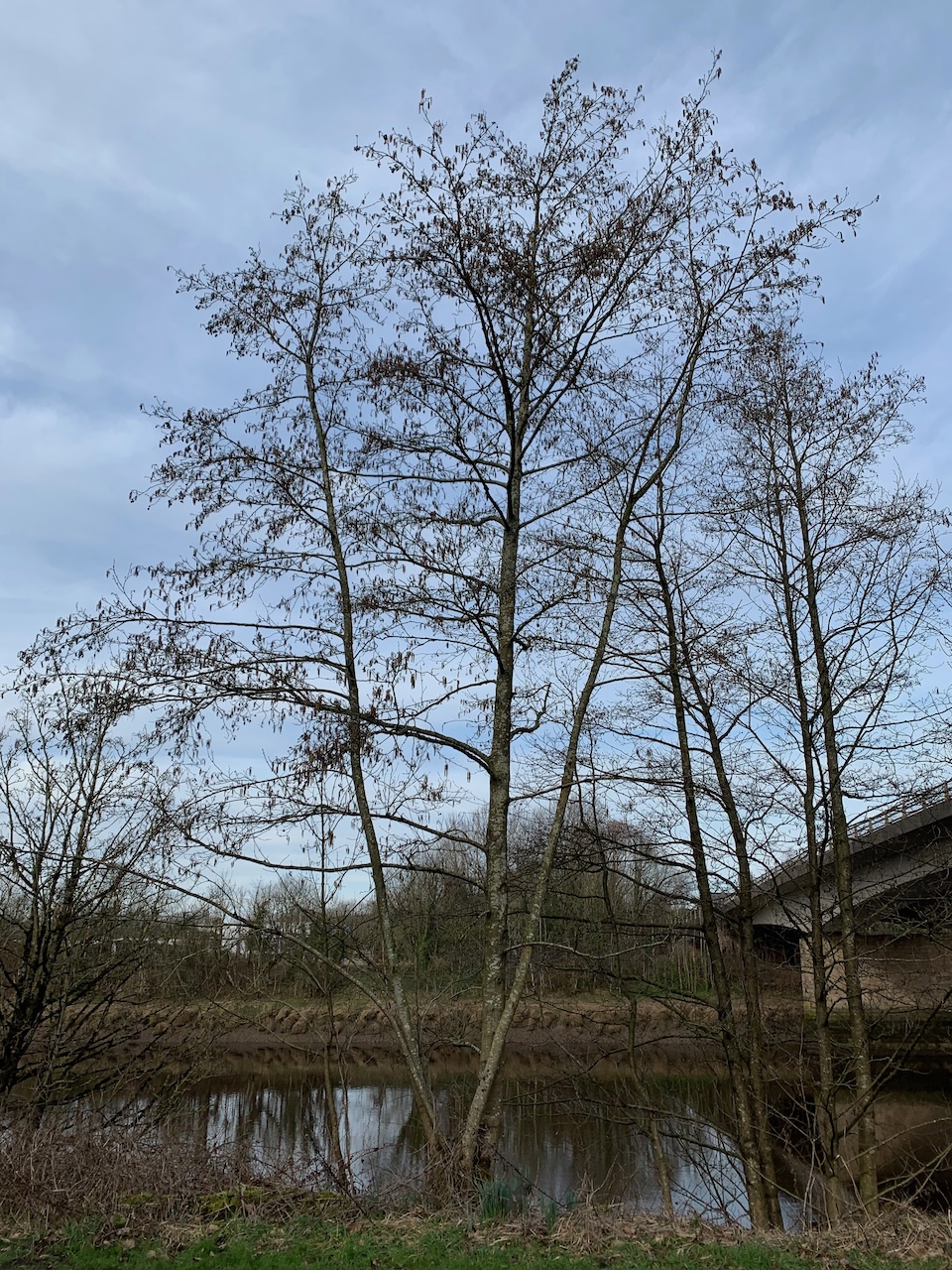
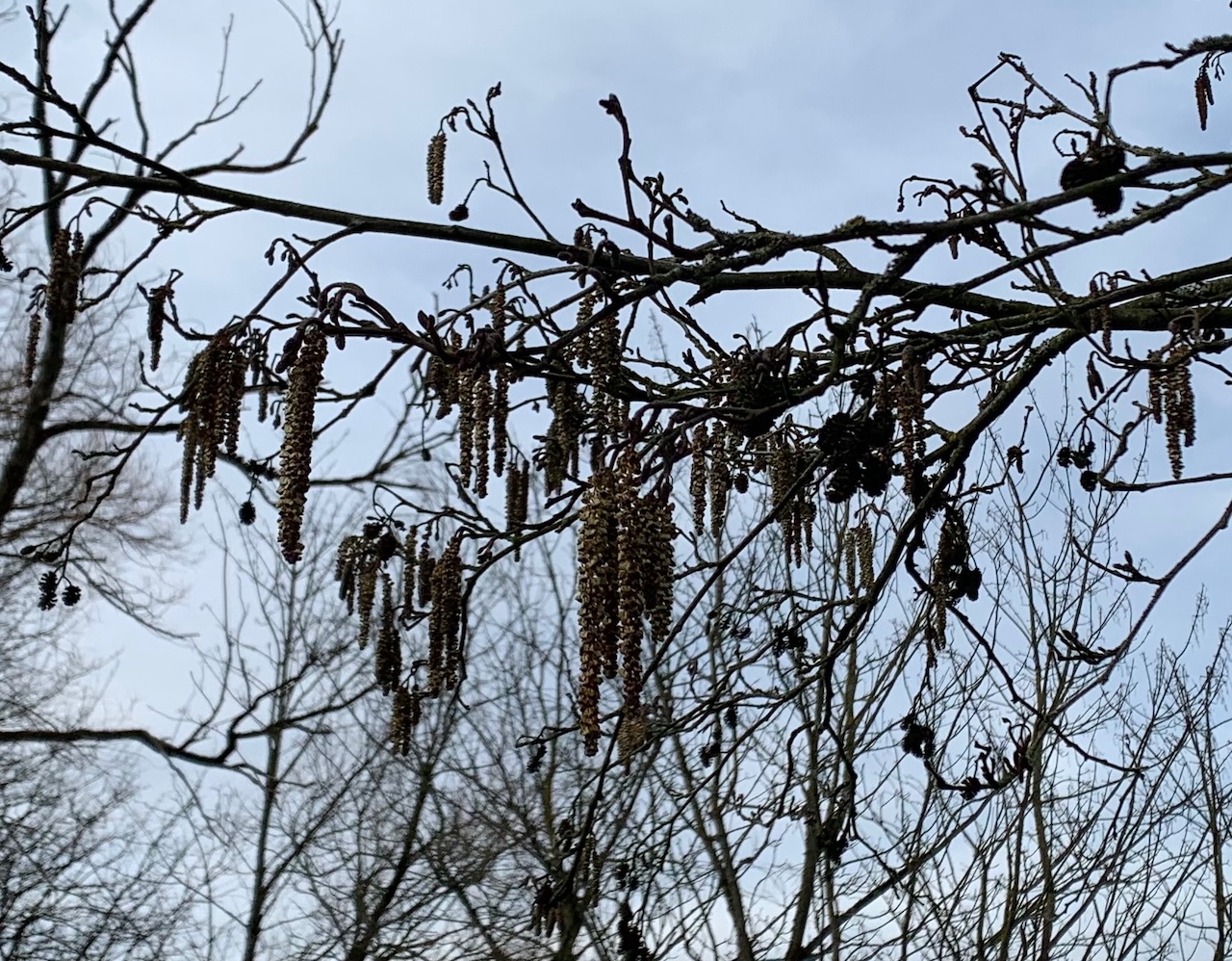
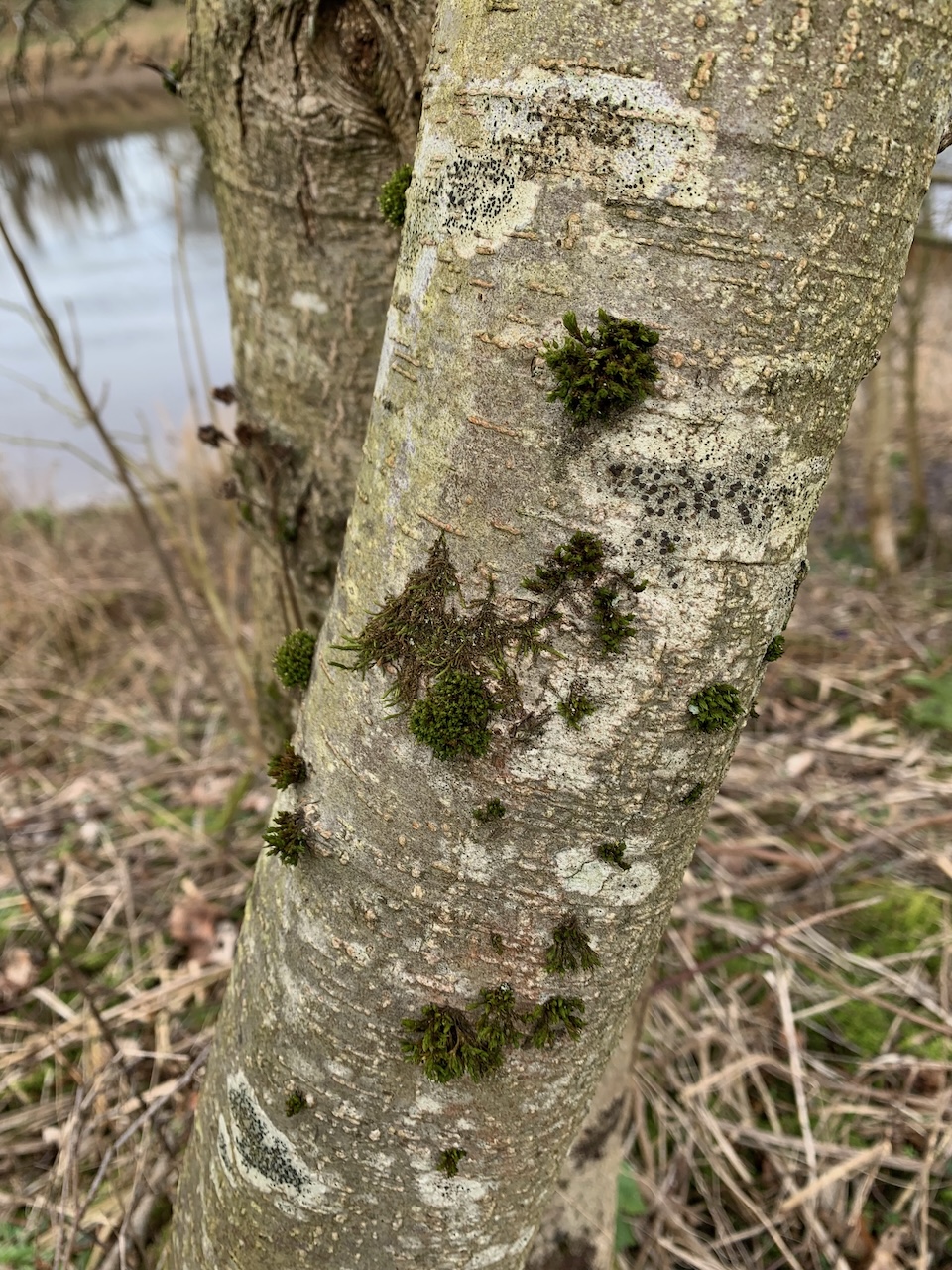
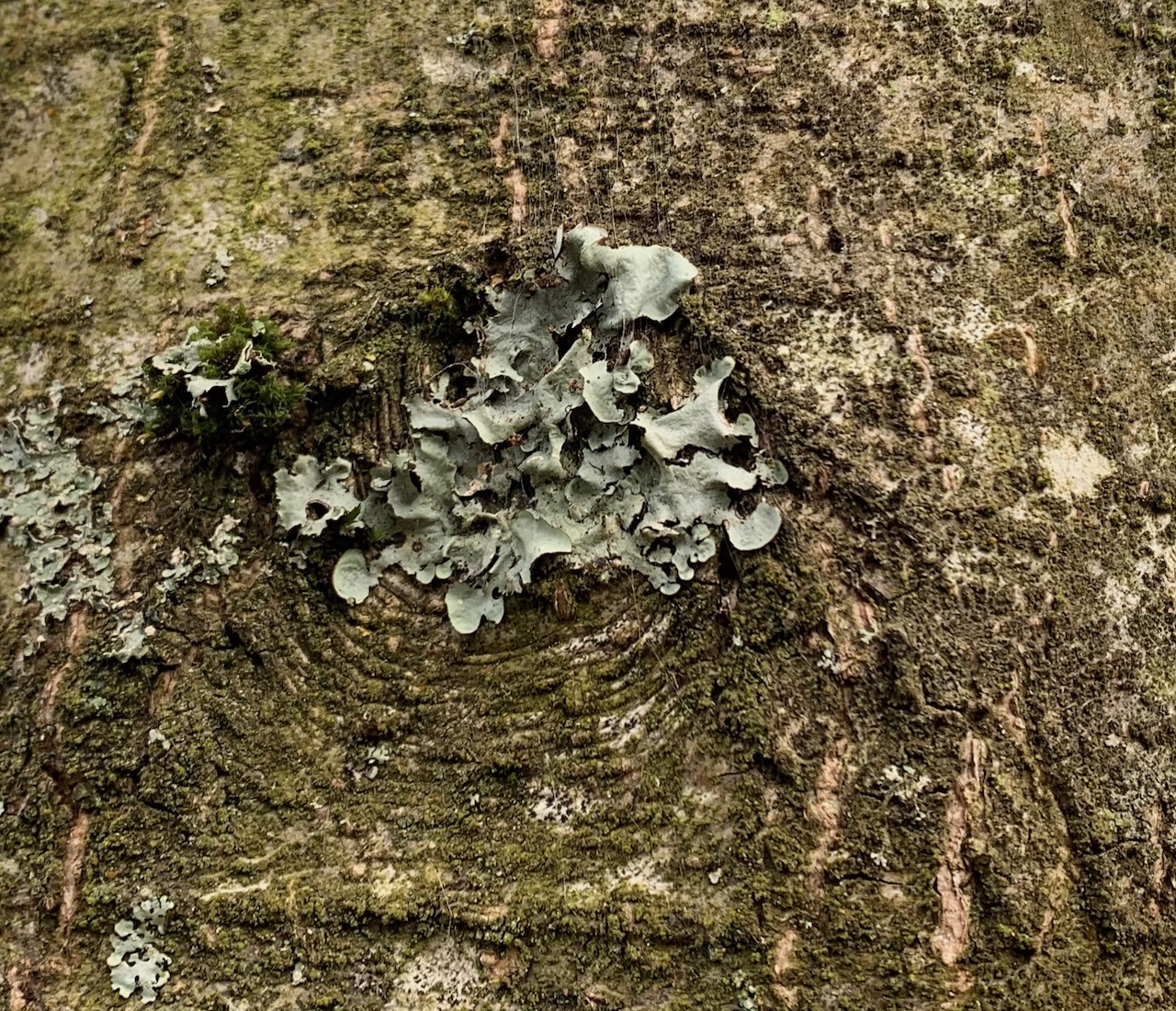
A couple of weeks ago, when I was walking beside the river Ribble, my eyes were drawn to this splendid river-watcher, an alder tree covered with brown-golden catkins and still bearing the dark brown cones from last year. Its trunk was splotchy with a white crustose lichen and bore several mosses.

This got me researching the natural history of alder, its role in myth and folklore, and pondering how it was perceived by the early inhabitants of this land, the Setantii tribe, ‘the Dwellers in the Water Country’, and their successors.

Alder was one of the first trees to re-populate Britain after the Ice Age. A pioneer species, it is able to grow in barren and soggy ground due to its partnership with a bacterium called Frankia alni, which absorbs nitrogen from the air and exchanges it with the tree for sugars produced by photosynthesis. Alder then fixes nitrogen into the soil and enhances the fertility, meaning other trees and plants can follow. The nitrogen-fixing nodules of Frankia alni are visible on the roots.

The wood of alder would have been viewed as particularly sacred across Britain and Ireland, wet and boggy countries, as it does not rot in water. Since prehistoric times, it has been used for the building of crannógs (lake dwellings), in fish sluices, and for building trackways across bogs. 

Near the river-watcher, in the location of Riversway Dockland, a brushwood platform, suggesting the presence of a Bronze Age lake dwelling was found. That the twigs and branches hadn’t rotted away suggests they may have been alder.

Alder was also used to make bowls, domestic vessels such as the Pallasboy vessel, and wooden idols. One of the most famous is the ‘Red Man of Kilbeg’ from Ballykean bog in Ireland. It has been suggested that alder was used to craft this idol because red droplets that resemble blood ooze from the wood when it is cut, associating with the human bleeding and with death. In this context it also interesting that, in early Irish lore, the first human was believed to have been born from alder, a story that might be linked with its flesh-like qualities. The Scottish Ballachullish Goddess was also made from alder. 

Alder was used to make shields. In medieval Welsh mythology, Bran the Blessed, a gigantic son of the sea-god Llyr, carried an alder shield. Bran and his army were compared to trees when they crossed the sea from Britain to Ireland. Bran, like an alder tree, allowed his body to be used as a bridge by his warriors across the river Shannon. His sister, Branwen, had a son named Gwern (which means alder in Welsh) who was cast into a fire. Alder thus seems to be bound up with the mythos of the Children of Llyr. 

Lancashire’s Dwellers in the Water Country were likely, too, to have made their shields from alder and to have traversed the waters between Britain and Ireland. Place-name evidence from my local area such as ‘Alderfield’ and ‘Carr Wood’ (relating to alder carr) suggests that this species has long been held in particular favour and has been abundant. 

I did wonder whether the sluices for the canals and for Riversway Dockland were made of alder but the former is Baltic Pine and the latter is Greenheart. 

Alder is of value not only to human but other-than-human water dwellers. Where it grows beside water, its roots provide shelter for fish and nesting sites for otters. When its leaves fall, it provides food for river flies and aquatic beetles, who are feasted upon, in turn by fish such as brown trout and salmon. 

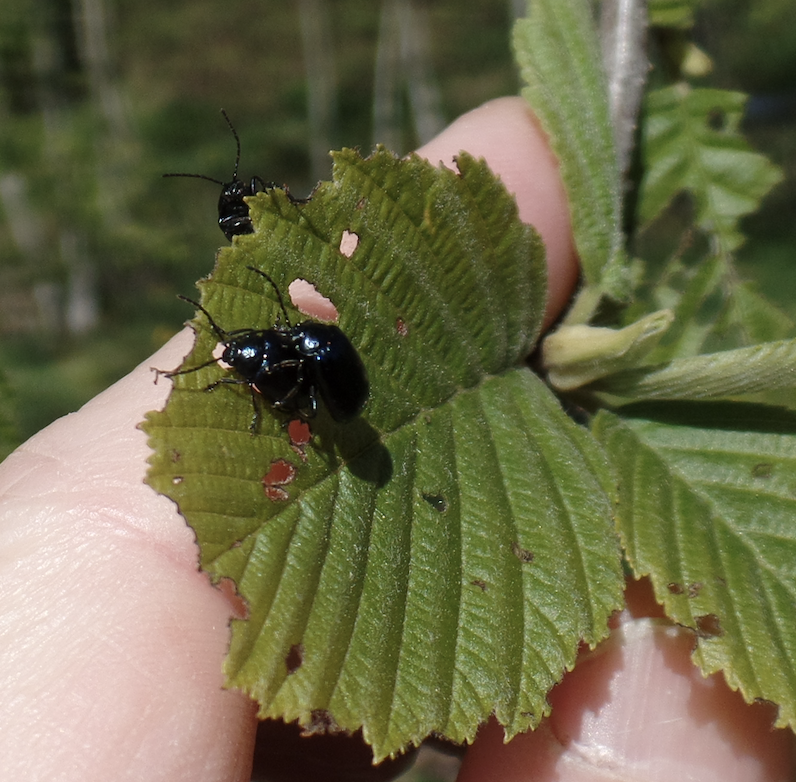
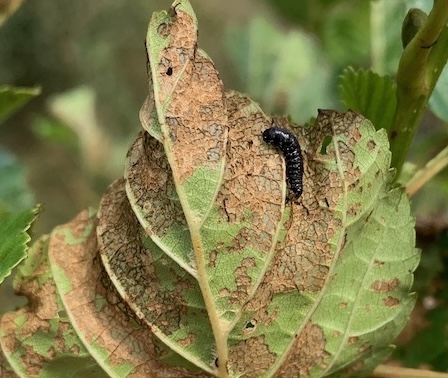
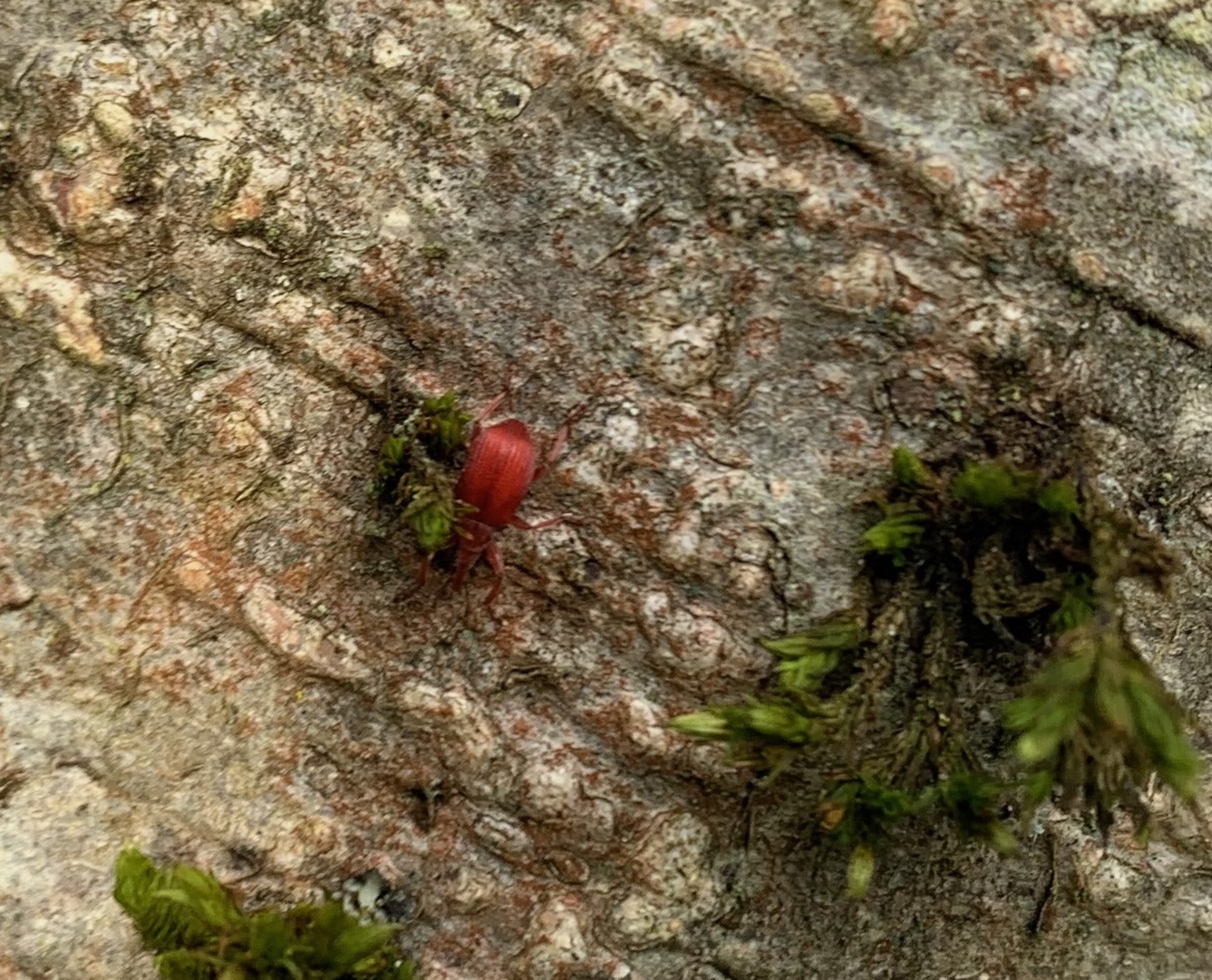
Its catkins provide nectar for bees and its seeds for finches, such as the charms of goldfinches who can frequently be seen beside the Ribble. It is the food plant of insects, such as the alder leaf beetle, which I have seen on alders on peatland nature reserves. I found a red beetle on the river-watcher’s trunk and suspect it is a leaf beetle from the Chrysomelidae family.

Alder is also the food plant of the larvae of several moths, including alder kitten, pebble hooktip, the autumnal, and the blue bordered carpet moth.

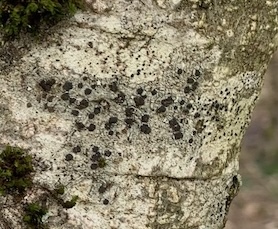
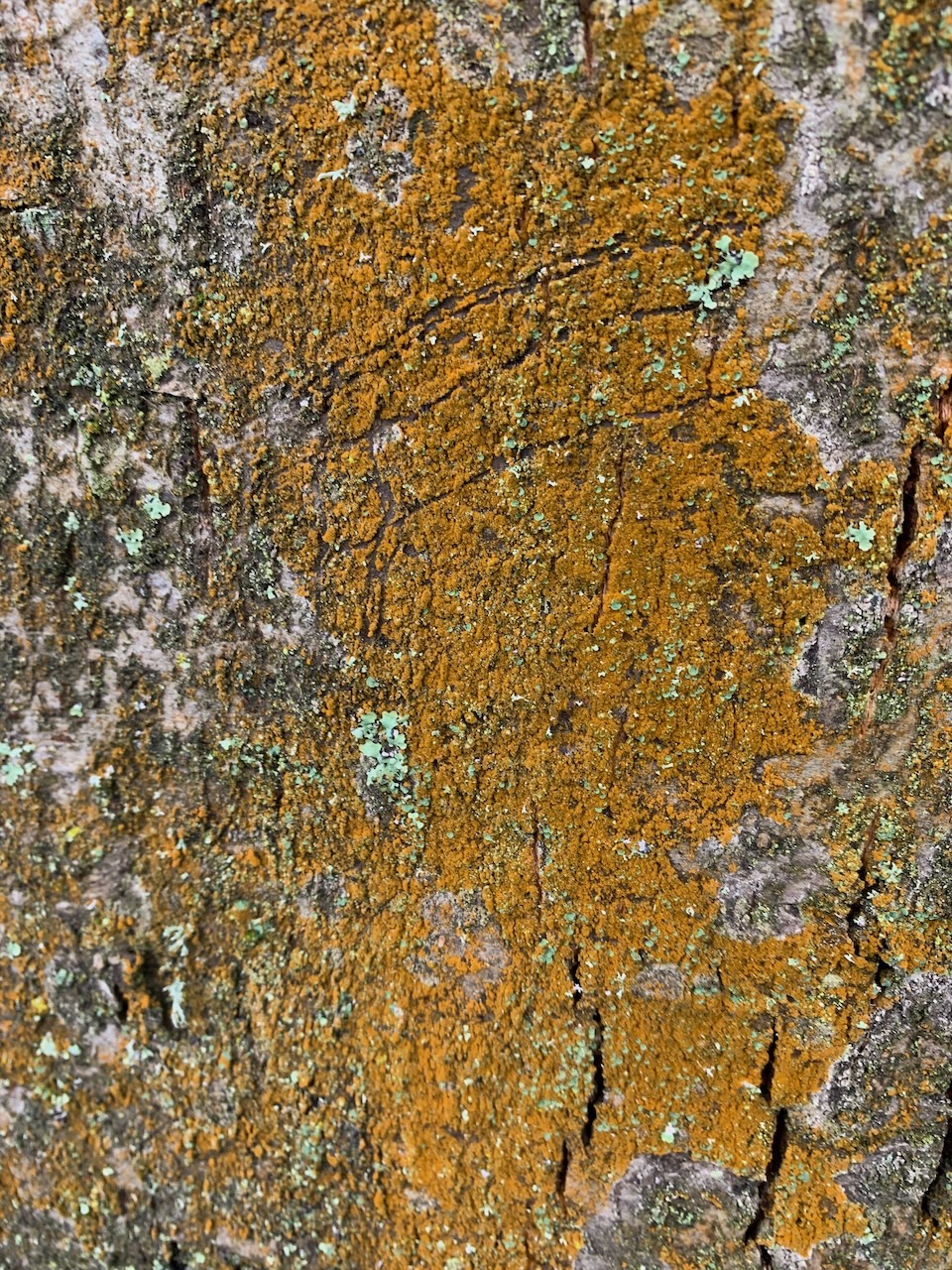
Alder trunks are frequently covered in white splotches which might be mistaken for the colour of the bark but are, in fact, crustose lichens. On the river-watcher, I found a white spotted lichen called Lecidella elaeochroma. Also a patch of Parmelia sulcata. On nearby trees was Trentepholia aurea, a green alga that appears orange and is a photosynthetic partner with Graftis scripta, another lichen that is also often found on alder trees. I identified these with the help of a friend who is studying lichens.

All these factors, together, suggest that alder has long been a special tree to Lancashire’s water dwellers and thus it remains in the hearts of many. 

In the Way of the Buzzard Mystery School it is associated with foundations and with being a spiritual warrior. This fits with it providing a platform for lake dwellings and with Bran’s shield and I will be drawing upon its support and protective qualities as I prepare to take my shamanic offerings further into the world.

SOURCES

Alder, The Wildlife Trusts, https://www.wildlifetrusts.org/wildlife-explorer/trees-and-shrubs/alder
Alder, Woodland Trust, https://www.woodlandtrust.org.uk/trees-woods-and-wildlife/british-trees/a-z-of-british-trees/alder/
Alder, Trees for Life, https://treesforlife.org.uk/into-the-forest/trees-plants-animals/trees/alder/alder-mythology-and-folklore/
Alder, Tree Explorers, https://www.ucc.ie/en/tree-explorers/trees/a-z/alnusglutinosa/
‘The Company of Alders’, Salish Magazine, https://salishmagazine.org/in-the-company-of-alders/
The Way of the Buzzard Mystery School, https://thebuzzardtribe.com/

The Benefits of Soul Exchange

Soul exchange is a shamanic healing for soul loss and might be seen as a form of soul retrieval. In this instance, the focus is on a loss of soul to another person who we have been in a relationship with. It’s based on the notion that as we move in and out of relationships with other persons we can pick up parts of each other. Persons can include family, friends, lovers and pets, and groups and organisations. This is a natural process. Soul exchange is needed if we become overly attached to, bound up with, or intertwined with another person and the attachments feel unhealthy. It’s a little like giving somebody’s possessions back at the end of a marriage. 

A soul exchange, as I have been taught it, takes place in a neutral location in the Otherworld. Both parties have the opportunity to return soul parts that do not belong to them. In terms of what we mean by ‘soul parts’ in this context, I like Nicholas Breeze Wood’s definition ‘packages of personal energy’ (1). The soul parts appear as objects and are metaphorical.

The practitioner journeys the client to the location and the spirit of the person with whom the soul exchange is to take place is invited to attend. It is important to note that soul exchange is the only shamanic healing that does not require permission from the person in physical reality. This is firstly because the spirit of the person has free choice whether to join in and secondly because you are giving something back that belongs to them and are not taking anything of theirs. This makes possible the process with persons who may be reluctant in this world but are willing in spirit.

Once the spirit of the other person is present, the process has been explained to them, and they have agreed, the soul exchange can begin. The client takes the first turn, giving back any soul parts that do not belong to them. They do this by reaching into themselves and bringing forth the parts in the form of objects. These are given, one by one, to their power animal, who takes them to the power animal of the other person, who hands them over.

Another point to note is the importance of the exchange taking place between the power animals. This is to maintain distance and prevent re-entanglement or re-traumatisation if the relationship was traumatic. Direct speech and eye contact between the client and the other person should be avoided.

The recipient then has the choice of whether or not to take the soul parts. Any parts not taken are transformed or disposed of by the power animals or left in the Otherworld for the spirits of place to deal with as they see fit.

Once the client has unburdened themselves of all the soul parts that do not belong to them, the other person is invited to give back any soul parts they might have taken in the same way. 

Once the soul exchange is done, it is also helpful to check for any unhealthy energy cords between the client and the other person and to ask the power animals to cut, dissolve, or transform them in some way.

Once the process has been completed, the spirit of the other person and the spirits are thanked and the practitioner and the client journey back to this world. 

Afterwards, the client has a chance to speak to the practitioner about their experience. They may or may not want to discuss the significance of the objects. If they do, the practitioner will guide them to make their own interpretation rather than interpreting the objects for them. The client will be encouraged to journal their experience and to meditate on, journey on, or create art around the objects if they are inspired to do so. 

As always, after a shamanic healing, the client should take it easy for the rest of the day and eat nourishing food and drink plenty of water. They should keep an eye out for any effects and shifts in their energy levels and in the sense of their relationship with the other person and others around them. It’s also good to look out for nature signs, dreams and other coincidences.

***

My first formal experience of soul exchange was under the guidance of my mentor. (I had tried it alone informally but hadn’t got it right). We decided to work with a family member with whom I have a difficult relationship, to check in whether either of us was holding on to soul parts that don’t belong to us. 

The process was not straightforward because one of the person’s ancestors turned up and it turned out that an additional soul exchange needed to take place between the two of them before the one with me could be carried out. 

Since the soul exchanges, the family member has had more energy and there have been less arguments between us, although our relationship hasn’t improved. I think that’s because 44 years of ingrained habits are difficult to unstick.

The soul exchanges overseen by my mentor gave me a good grounding for working with clients. I began by working with volunteer clients then moved on to charging a student rate. I have so far conducted soul exchanges for clients with a variety of persons, including family, friends, partners and an organisation.

When I first started out with soul exchange, I saw it as an accessory process to soul retrieval that was not quite on a par with the core shamanic techniques in the Harner school of shamanism. Having worked with it myself and with clients, I’ve come to realise that it is just as useful and just as powerful. 

One of the things I like most about soul exchange, as an autistic person, is that it has a structure that is easy to follow. Because it takes place in a set location and follows a set procedure, it isn’t quite as unpredictable as soul retrieval, which can take you anywhere in the spirit world and anything can happen. 

However, this doesn’t mean that things can’t get intense. The soul parts and the process of release can bring up strong emotions, as can cutting the cords, and the final parting (if it is made) between the persons involved. In these instances, I have intuited, with the help of my guides, when to speak and when to allow the client space, providing patient and compassionate support. I have also learnt to trust in the wisdom of my own spirit helpers and those of the client and the other person, who know what to do when we do not. On several occasions they have displayed ways of disposing of or transforming objects and removing cords beyond the thinking of me or a client.

From my own experience and client work, I have learnt how different interactions can feel between persons in the real world and in spirit. In the latter, there is a sense of lightness, as another client noticed, a generosity, in contrast to when the two sides are weighed down by material concerns and dissensions.

Afterwards, benefits have been felt in terms of unburdening, letting go and release. Memories have felt less intense. There has been a sense of distancing and separation. Energy has returned, with an ability to move on.

It has been a pleasure and an honour to hold space for this sacred process. My training in soul exchange is now complete and I am looking forward to continuing to offer this healing as an important component of my shamanic practice.

Footnotes

(1) Nicholas Breeze Wood, ‘Soul Loss and Retrieval’, Sacred Hoop 131, p50

They Called Me Pig

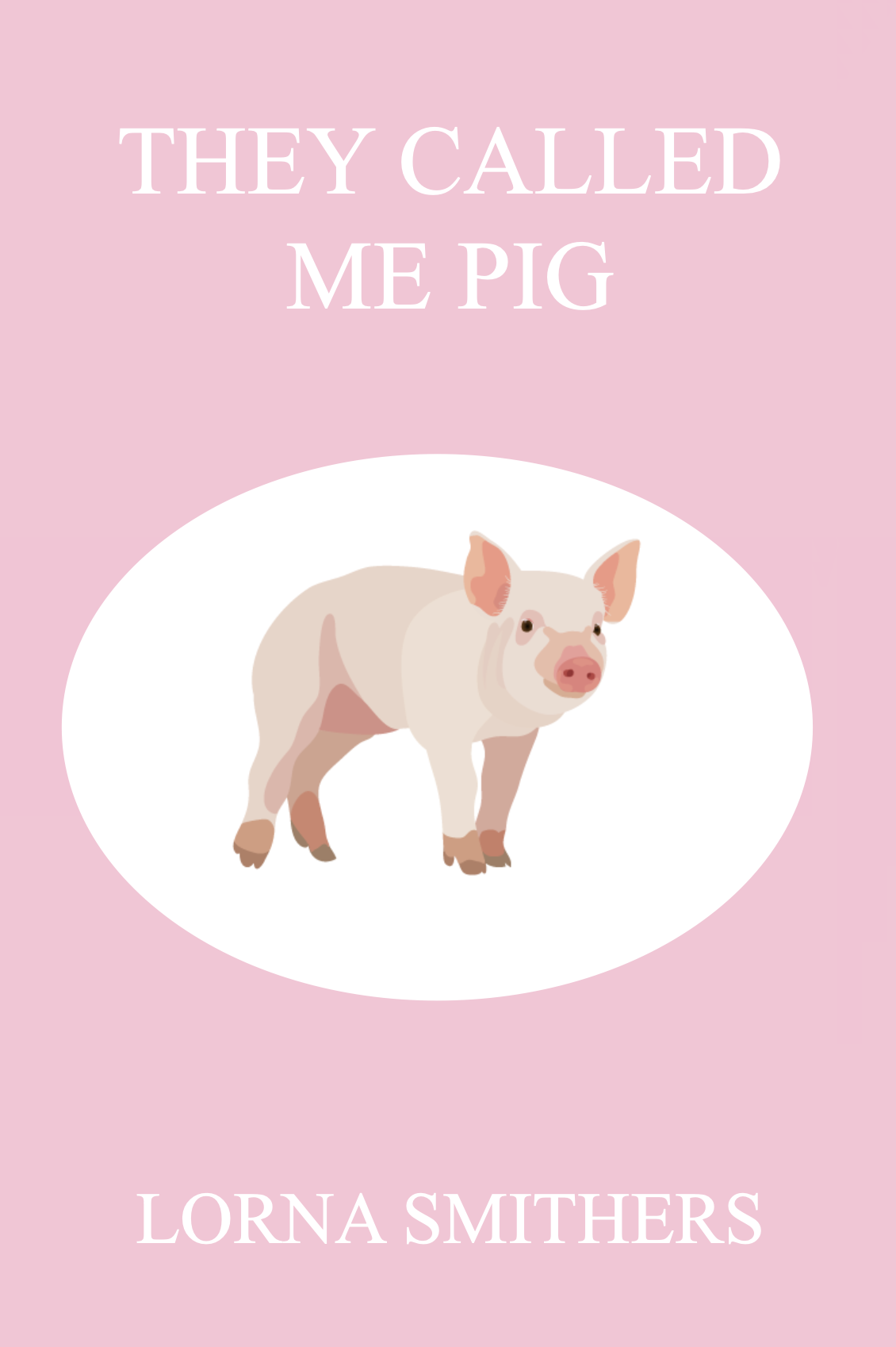
They Called Me Pig is a poetry collection charting the development of an eating disorder that began with childhood bullying and how I have begun to heal by building a healthier relationship with food, exercise and my body. I have written it as part of the inner work of my shamanic apprenticeship, as a way of processing trauma and transforming it into art. I’m hoping it’s a topic everybody can relate to on some level as we all have a body and need to eat and exercise to live. You might also have relatives or friends with an eating disorder who might benefit from reading it.

Free PDF HERE.

It is downloadable for free but if you enjoy it please consider reciprocating by passing on the link to a friend or by telling somebody about my writing and shamanic work.

If you’re interested in working with me on using shamanic work combined with art as a method of healing, transformation and self-expression, I offer sessions at £15 an hour. Please get in touch lornasmithers81@gmail.com

The Art of Transforming Suffering

‘In Annwn below the earth…
there is one who knows
what sadness
is better than joy.’
~ ‘The Hostile Confederacy’

‘No mud, no lotus.’
~ Thich Nhat Hahn

If I was to define my core purpose in life at present, I would say that it is transforming suffering, within myself and within others, in service to my Gods. When I met my patron God, Vindos / Gwyn ap Nudd, I was struggling with suicidal ideation. He showed me the Brythonic Otherworld. He made me His awenydd ‘person inspired’ – a poet and spirit worker in the Brythonic tradition. He gave me meaning and purpose. My vocation has given me the strength to begin to heal my own wounds and, more recently, to help others.

Gwyn is a ruler of Annwn (the Otherworld) and a guide of souls. In  a medieval Welsh poem (1), He speaks of gathering the souls of the battle dead. He and His people, the spirits of Annwn, later known as fairies, who also appear as the Wild Hunt, are depicted taking the souls of those who have died suddenly or traumatically to the Otherworld. 

I believe Gwyn is the one in Annwn, in the poem ‘The Hostile Confederacy’, attributed to Taliesin, who knows ‘what sadness / is better than joy’. He’s seen countless sorrows, carries the weight of the battle dead, has gathered the souls of countless suicides, murder victims, those who have died in tragic accidents. Thus, He has an investment in the transformation of suffering so that such untimely deaths are less likely to happen.

Gwyn, as the Fairy King, and the fairies, are also renowned for taking living people, often those who have suffered trauma, to Their realm, or for leading them to wild places, where they mostly recover and then return. (2)

Gwyn and His people are associated with trauma and its healing. This usually takes place in the Otherworld or the wild. This is also shown in a fragment from the fourteenth century Latin document, Speculum Christiani, which describes how common folk in Wales invoked Gwyn to cure the evil eye: ‘Some stupid people also go stupidly to the door holding fire and iron in the hands when someone has inflicted illness, and call to the King of the Benevolent Ones and his Queen, who are evil spirits, saying: ‘Gwyn ap Nudd who are far in the forests for the love of your mate allow us to come home.’ This passage suggests that those suffering from the evil eye are ‘away’ and that Gwyn, who has a distant abode in the wild, is able to bring them home. 

In medieval Welsh literature and later folklore, the Otherworld is depicted as a place of green hills and lush forests where there are sparkling rivers of wine and mead. The fortress of its king, with towers of glass, lit from within, is the centrepiece. Within are shining treasures, an endless feast of meat, fruit and mead.

Activities in the Otherworld include: hunting, feasting, dancing and carousing. Coming back from the land of no pain is difficult. Some people crumble to dust, some go insane, others pine away, those who survive become poets. The saying ‘Dead, mad, or a poet’ summarises the outcomes.

In the Brythonic tradition, poetry provides the means of processing trauma, transforming suffering and giving voice to experiences of ecstasis and healing. Medieval Welsh bards, such as Taliesin, Aneirin, Myrddin Wyllt, and Llywarch Hen all gave voice to personal and cultural trauma. In, and through them, their suffering and the suffering of their people was transformed into some of the most tragic, beautiful and potent works of poetry within our heritage.

I also found that poetry could help me to transform my suffering and that of the land and the ancestors but, alone, it was not enough. A bardic lifestyle of drinking too much and writing and performing poetry, unsurprisingly, proved to be detrimental to both my mental and physical health. At this point in time, I was very good at having ecstatic, often drunken experiences, and writing lots of poems, but not very good at coming home.

I began building a better relationship with my body and a meditation and mindfulness practice during the period I was a nun and began training as a shamanic practitioner. ‘Being present for Gwyn’ became one of my core practices.

Gwyn, through His likeness with Shiva, guided me to the yogic and Buddhist traditions. Over the last few months, I have been greatly inspired by the works of Thich Nhat Hahn and the Dharma teachings from Plum Village. Unlike other forms of Buddhism I have come across that preach negation of the body and the world to achieve enlightenment and view animals as inferior, the Plum Village tradition is embodied, trauma informed, and is based on inter-being in respectful relationship with the world and all beings. Joy and enlightenment can be found in the present moment at any place and time.

The Plum Village teachings centre on mindfulness, which involves the practice of coming home to our breath and to our bodies in the here-and-now. Mindfulness is the key to transforming suffering. In his book, No Mud, No Lotus: The Art of Transforming Suffering, Thich Nhat Hahn outlines the Buddha’s teachings on suffering and its transformation in the Four Noble Truths.

The first Noble Truth is that there is suffering. Suffering exists within us on physical, mental and spiritual levels and outside us, in our families, friendship circles, within our ancestry, within our culture and within the environment. In the West, rather than being taught how to handle our suffering, we are sold countless forms of numbing and distraction. We drink it away, stuff it down, or lose ourselves in social media and other virtual entertainment.

In the place of distraction, Buddhism posits mindfulness – ‘the capacity to dwell in the present moment, to know what’s happening in the here and now… with mindfulness you can recognise the presence of suffering… it’s with that same energy that you can tenderly embrace the suffering.’ He speaks of taking care of our suffering as being like a mother holding her child.

The second Noble Truth is: ‘there is a course of action that generates suffering’. We are encouraged to look deeply at the roots of our suffering. These often lie in past trauma, ancestral trauma, and the fears and habits that result. They can also lie in our attachments to materialist ideals. Gaining insight into the causes of our suffering helps to prevent us from making the same mistakes.

The Third Noble Truth is: ‘suffering ceases (ie. there is happiness)’. The key to true happiness is that it isn’t an aim for the future, ‘I will be happy when this problem is sorted, I have my dream job, my health is better.’ Happiness lies in dwelling mindfully in the present moment and if we can’t do it now, this very minute, we won’t be able to do it when that future moment arrives either.

This was a big learning for me because I have always been future orientated and placed my happiness in the future at the expense of ignoring the now. ‘I will be happy when I have my shamanic practitioner qualification’. ‘I will be happy when I am earning a living from my vocation’. No. ‘If I can’t be happy with my life now I won’t be happy if I achieve these aims in the future.’

The Fourth Noble Truth is: ‘there is a course of action leading to the cessation of suffering (the arising of happiness’)’. The Noble Eightfold Path, provides a tried and tested framework for generating happiness. It consists of Right View, Right Intention, Right Speech, Right Action, Right Livelihood, Right Effort, Right Mindfulness and Right Concentration. Mindfulness and ethical living form its core.

For me, the art of transforming suffering lies in a combination of mindfulness and shamanic work. Being able to go to the Otherworld and come home. Then, once I am home, making art out of the insights I have been gifted with.

When I gave up being Sister Patience, it was a shock to the system coming back to Lorna Smithers and all her shit (which I thought I’d transcended). Yet the shit has made good compost and flowers have grown from it in the form of three books (3) written in the last few months as well as recent articles.

If you’re interested in the process of transforming your own suffering through shamanic work, creativity, and coming home, I’m currently providing shamanic guidance sessions for £15 an hour at a student rate (contact lornasmithers81@gmail.com). 

(1) The Conversation of Gwyn ap Nudd and Gwyddno Garanhir (HERE).
(2) For example, see Sir Orfeo and the mythos surrounding Myrrdin Wyllt (HERE).
(3) A memoir – The Edge of the Dark (HERE), a poetry collection – They Called Me Pig (soon to come), and an epic novel called The Lost Shrine of Nodens, which will be published through Sul Books in May 2017.

Spring Offerings

I hope everybody out there is well and enjoying the early spring flowers and lightening days.

Now is a good time to be tapping into the energies of the green things growing, the sap rising, the birds singing, the amphibians coming out of hibernation, the animals perking up. The Brythonic Goddess, Creiddylad*, who is associated with flowers and fertility, is taking Her first steps from Annwn (the Otherworld), so this is a great opportunity for connecting with Her.

I’m writing this post as I’m approaching the end of my shamanic apprenticeship and will only be charging student rates for a few more months (£15 for one hour shamanic guidance and £30 for a two hour shamanic healing). 

I’ve got some spring offerings that might be helpful for you:

Shamanic Guidance Offer

If you’re struggling to establish a regular spiritual practice why not book three shamanic guidance sessions to get you on a roll? These can cover anything from meeting animal spirit guides, tree and plant allies, ancestors, and Gods and Goddesses, to divinatory journeys on life issues. Book three and get one half price (£37.50 in total). More info HERE.

Shamanic Healing Offer

Have you got a feeling you need a shamanic healing but you’re not quite sure what it is? Book a divinatory journey session to find out plus the shamanic healing session and get the journey session half price (£37.50). More info HERE.

Blessings of the spring flowers from Creiddylad’s garden.

*You can find out more about Creiddylad’s story HERE.