A Monastic Cell

A monastic cell should be a santuary and not a prison.

I’m not the kind of nun who bricks herself in 
(although those who do might find 
a greater freedom). 

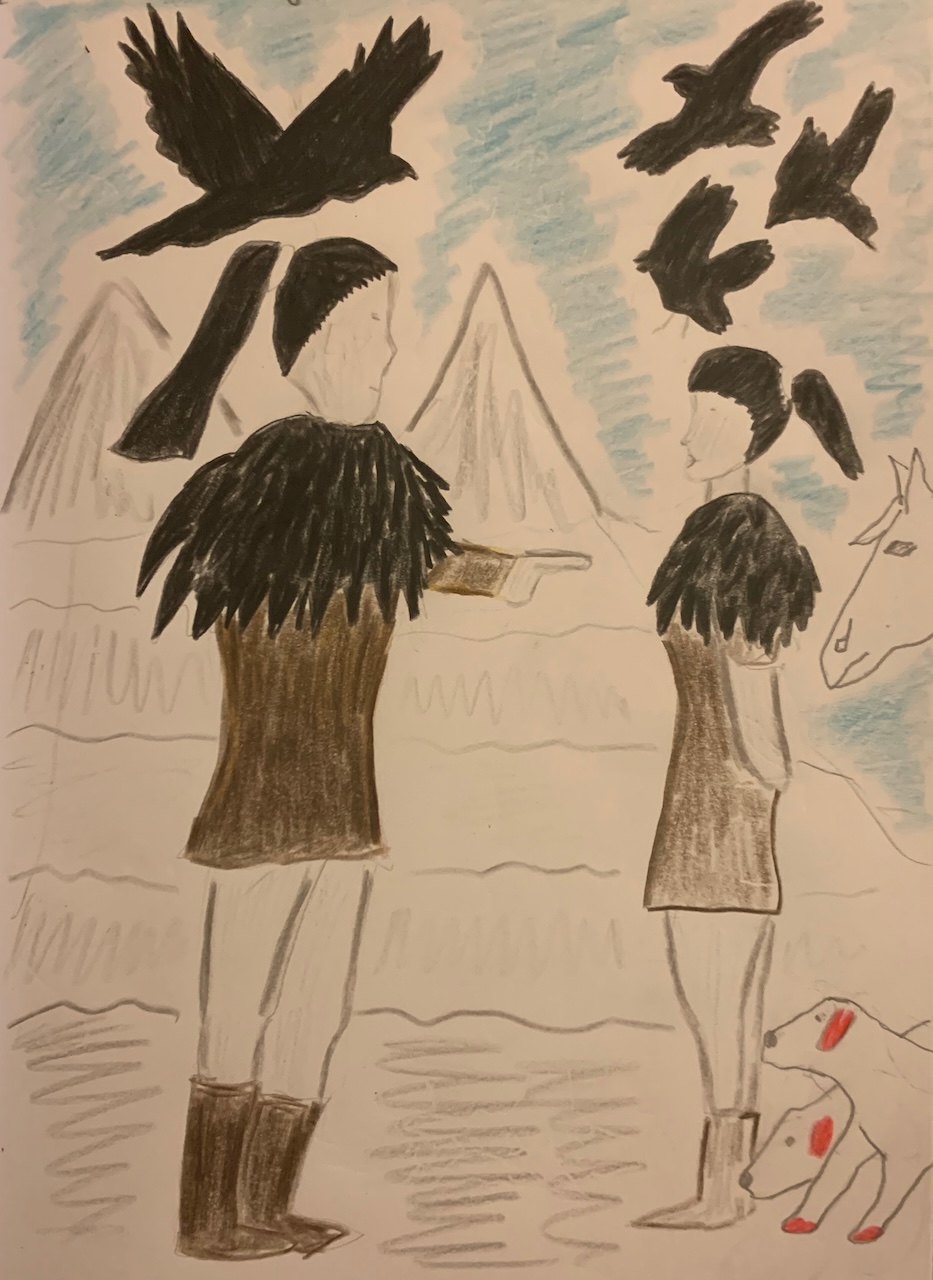
I am a nun with a horse within who likes to run, 
hounds to hunt, crows to converse with the living and dead.

I caretake this space as a cell within the body
of this place, of this world, of this universe, of Annwn.

I listen for the heartbeat and obey only the Rule of the Heart.

Creiddylad Arrives

Creiddylad arrives brings the morning.
She is here, She is here, She is here.

Creiddylad arrives brings the birdsong.
She is here, She is here, She is here.

Creiddylad arrives brings the flowers.
She is here, She is here, She is here.

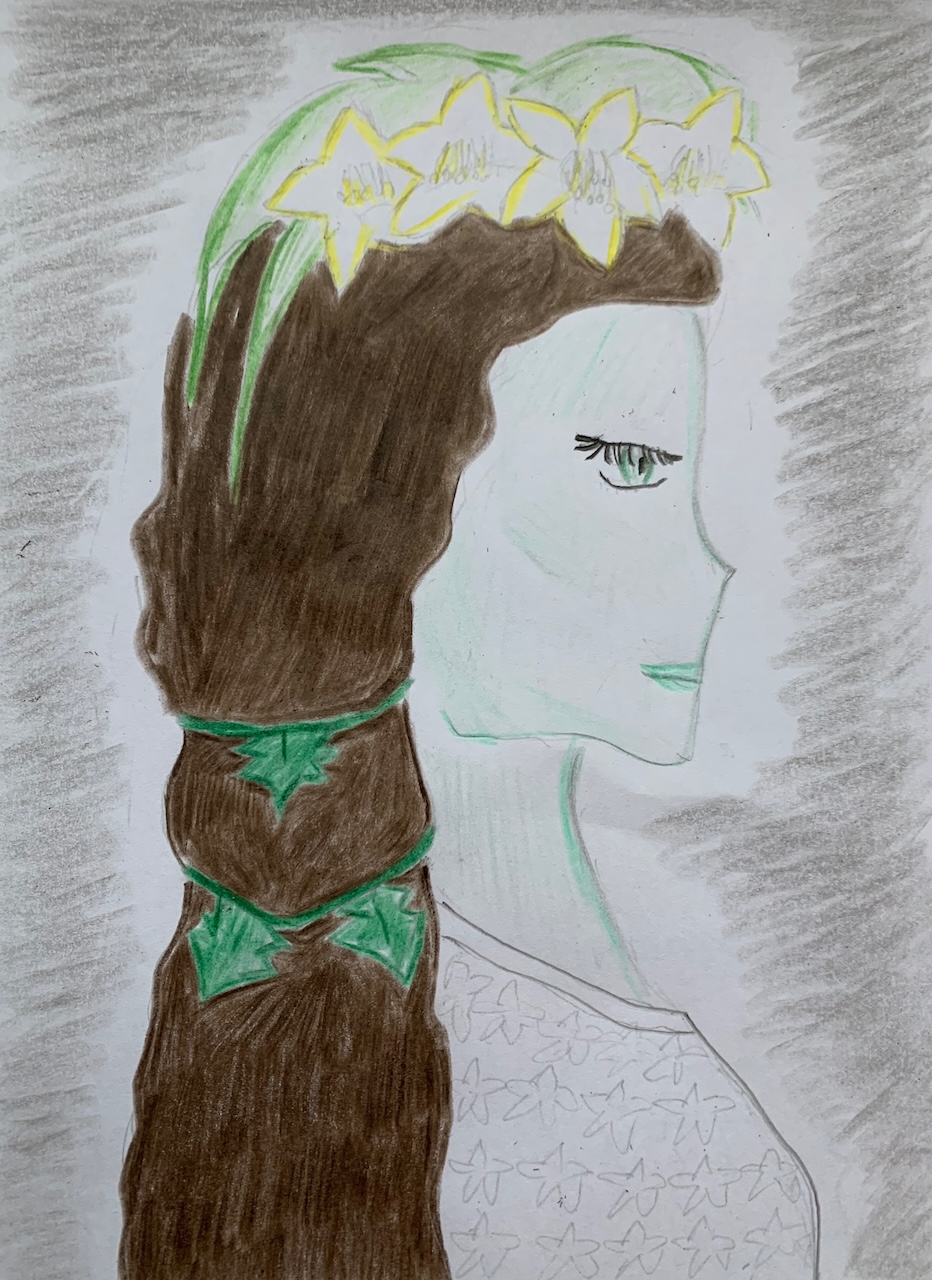
A monastic chant for Creiddylad, a Brythonic Goddess of flowers and fertility, as Her presence is felt in the land again with Her arrival heralding the coming of spring.

Stepping into Orddu’s Lineage

I am told I must step into Orddu’s lineage. 

Warrior. Prophet. Spirit Worker. Inspired One. Healer.

I am old but on this path I am still so young.

Heretofore I have proved myself only with words,
with books, although those months on the mosslands
planting cottongrass and sphagnum might count for something.

I have said too much – talking about me, me, me, my problems.

The time for whining and complaining has come to an end.

It’s time to listen, to learn, craft a new art to heal the violence.

(I will not speak again of how Arthur killed her with his knife,
drained her blood into two bottles to grease a giant’s beard,
neither will I drive Carwennan again into my own wounds.)

A life off the page lies ahead of me now – the spirits call.

New Shoots and Rerooting

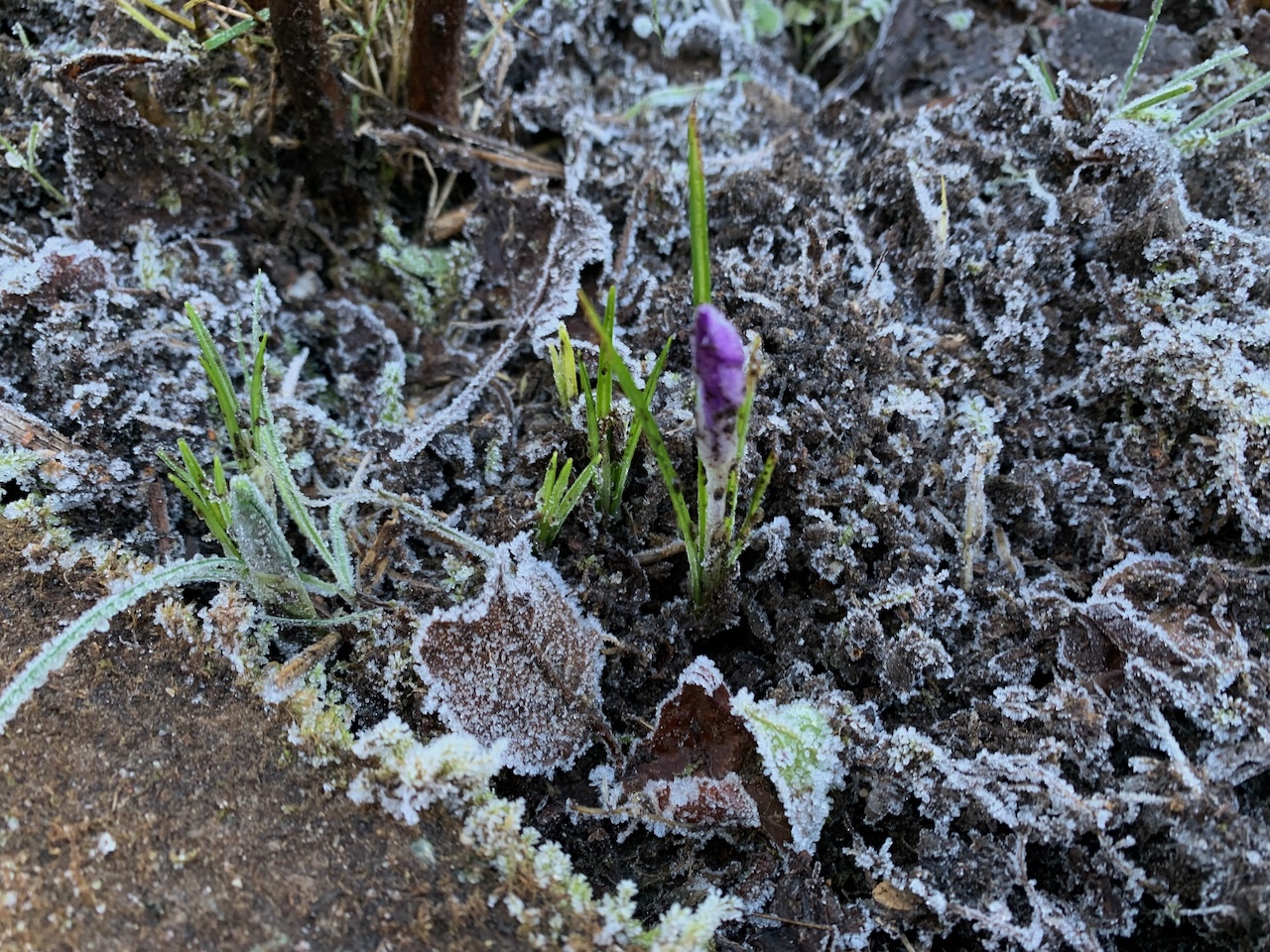
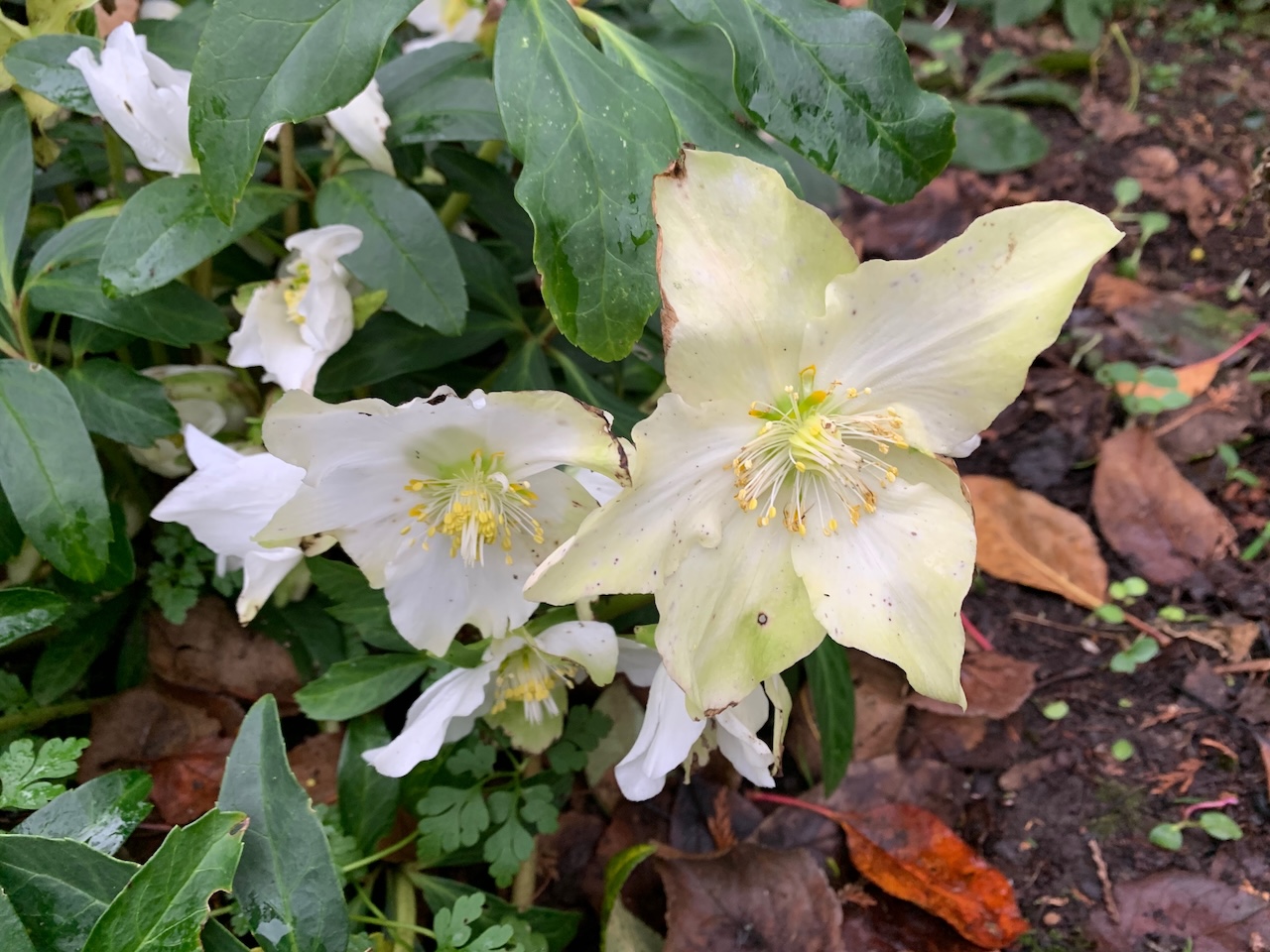
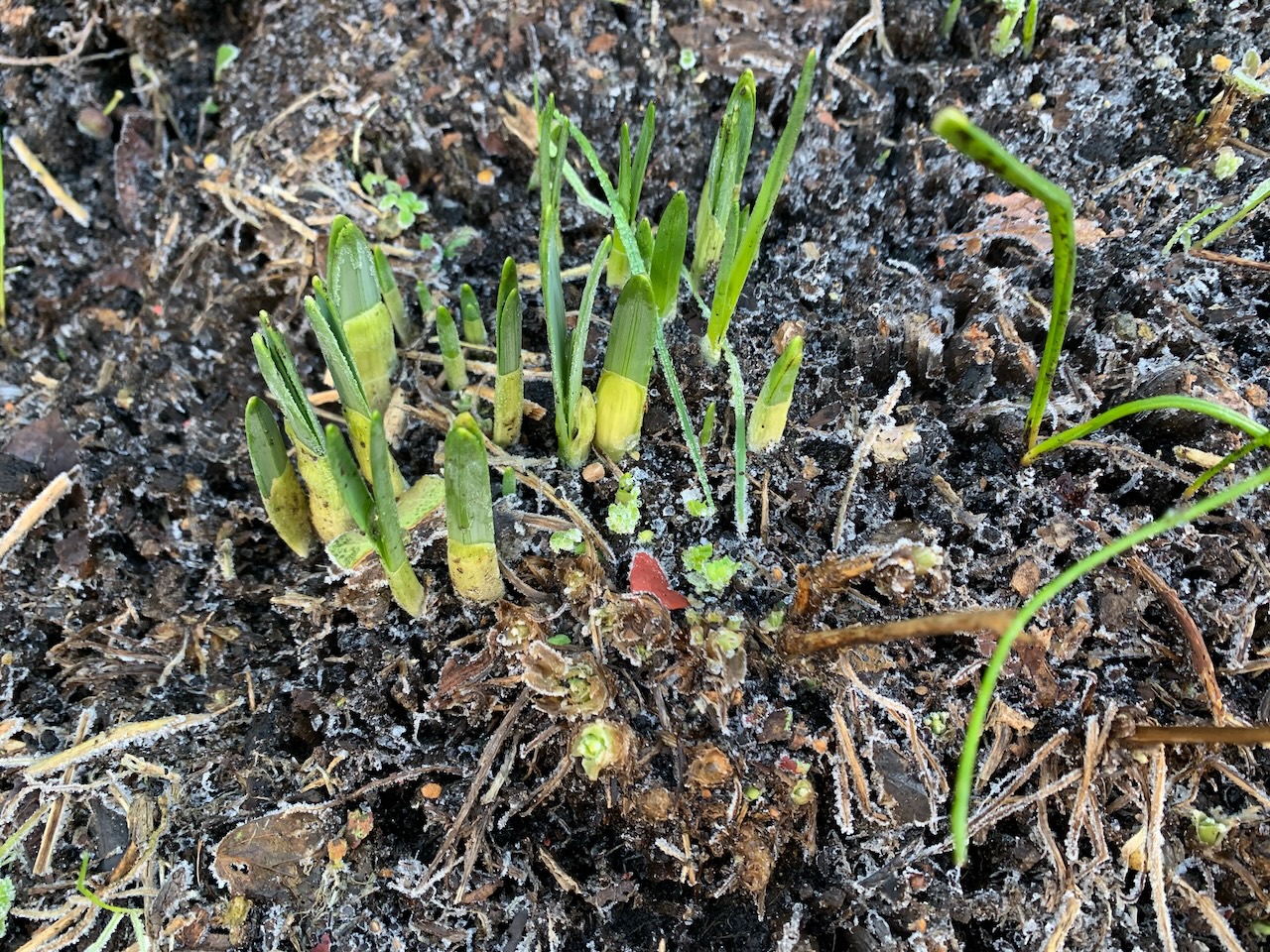
In the middle of winter new shoots begin to show – snowdrop, crocus, daffodil, bluebell. I’m not sure if this has always been the case. But for the last six or so years one of my mid-winter rituals has been looking for new shoots.

New shoots have been showing in my life too. I’m starting to recover from the disappointment of In the Deep not being publishable and have come to terms with the fact the veto on my becoming a professional author is for good.

Before the winter solstice I attended a beautiful in-person workshop called Bear Moon Dreaming with my spiritual mentor, Jayne Johnson, in which she led a small group through shamanic journeying and dancing into connection with bear, the moon, and into the depths of the winter landscape and hibernation. In it I became one with the Water Country and Gwyn as Winter King giving gifts to the people.

Afterwards I realised I couldn’t live my life online anymore. Spending most of my day writing at my laptop and living through this blog has not been healthy. 

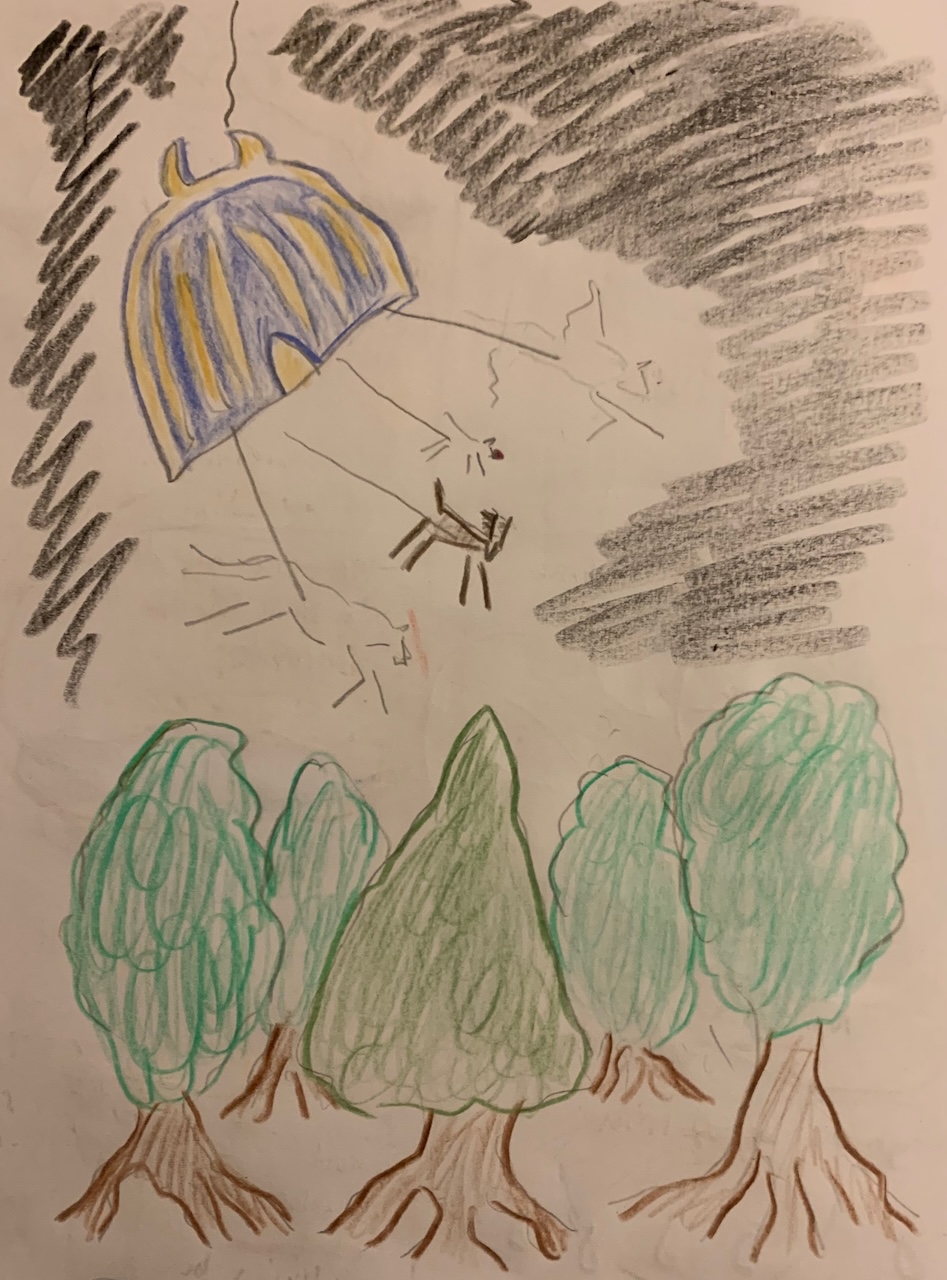
Around the same time the forum for the Monastery of Annwn got deleted by the member who set it up without consent of the rest of the membership. I was shocked and angry but also a little relieved as I had been spending too much time online doing admin*. When I journeyed on what to do about it I found the monastery hanging by a thread in the Void and with my guides and other animals had to drag it back to the Forest of Annwn and reroot it. This became a metaphor for both what the monastery needs and I need too.

I spent the last moon cycle praying and discerning my future course. I received two answers and the first was that I needed to return to outdoor work. Previously I had been working in conservation and done a little horticulture and since then had been continuing to grow plants. 

I have slowly been developing a relationship with Creiddylad as a Goddess of flowers with whom I have been working to improve our garden and the wildflower area in Greencroft Valley where I have volunteered since 2012. 

So I have started volunteering with Let’s Grow Preston and Guardians of Nature with the hope this will lead to paid work. I feel horticulture will sit well with my vocation as monastics traditionally labour several hours in their gardens.

My second answer was to train to become a shamanic practitioner. This fit with my having been journeying with Gwyn for over ten years to bring back inspiration from Annwn to my communities and with my practicing core shamanism with the Way of the Buzzard and more recently with Jayne.

It’s something I’ve considered in the past but have been put off because I don’t feel good enough and have doubted whether I have it in me to be a healer.

Yet Gwyn has made it clear I must take this step and has assuaged my doubts. In relation to my presupposition, ‘I don’t have a healing bone in my body’, He reminded me of the time I had a similar thought, ‘I can’t grow things because everything I touch dies’, yet then got good at growing plants. He told me healing is a skill that lies within me and it is time to manifest it. 

He also explained ‘it is like the transition between bard and vates’. I’ve been ‘the bard in the meadhall’. Giving up drinking has been for the purpose of clearing my head so I can hear the voices of the subtler spirits. Only I won’t later be becoming a druid but a nun of Annwn – an entirely new vocation.

Thus the new shoots push up through the surface and I see how to reroot. By getting my hands back in the soil through horticulture and working towards becoming a shamanic practitioner to heal both myself and others.

I will also be continuing to blog here about my journey and sharing devotional material as service to my Gods and for my patrons and wider readership.

*It turned out this wasn’t a bad thing as it has given us the chance to start looking for a better forum and share the administrative workload more fairly.

Twelve Days of Devotion to Gwyn ap Nudd – The Birth of Gwyn

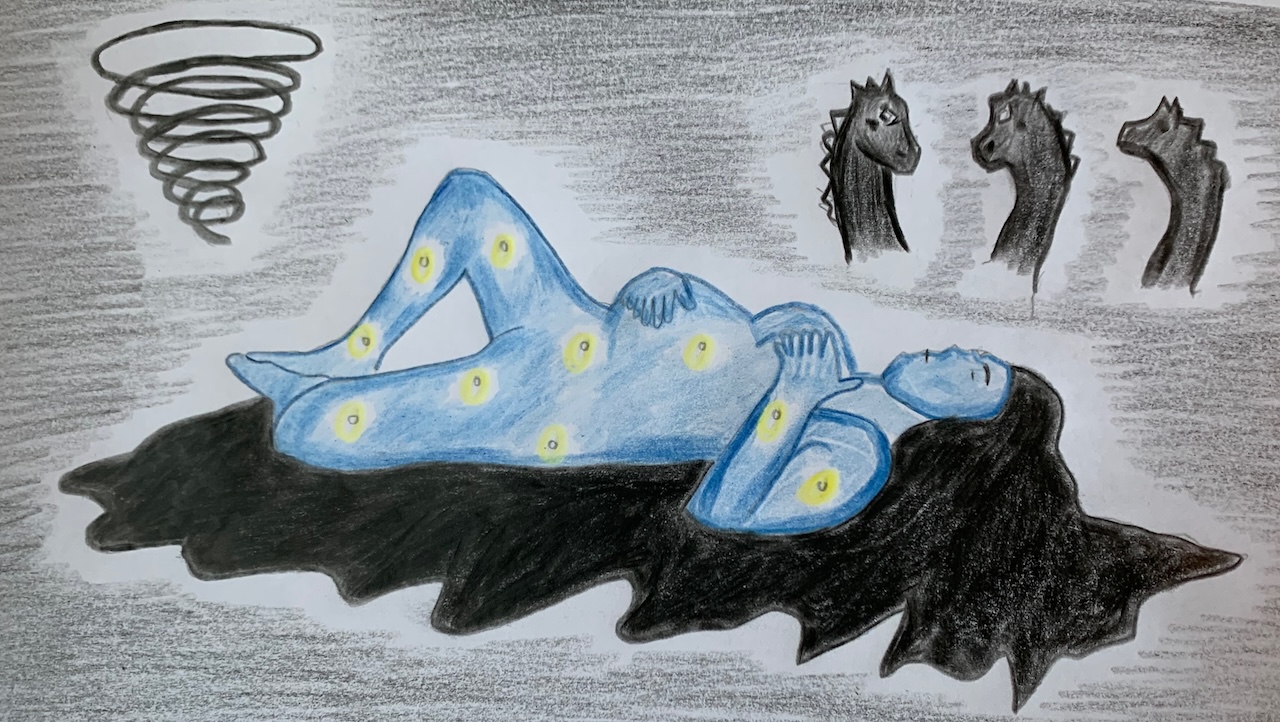
Over the twelve days of devotion (25th of December to 6th of January) I focused on the birth of Gwyn and was guided through a series of practices. I was called to chant, sing, meditate, draw and embody Gwyn and His mother, Anrhuna. On this last day I bring them together to share as an offering to Him and to my online community hoping it will inspire others to delve more deeply into the mysteries of His birth in the future.

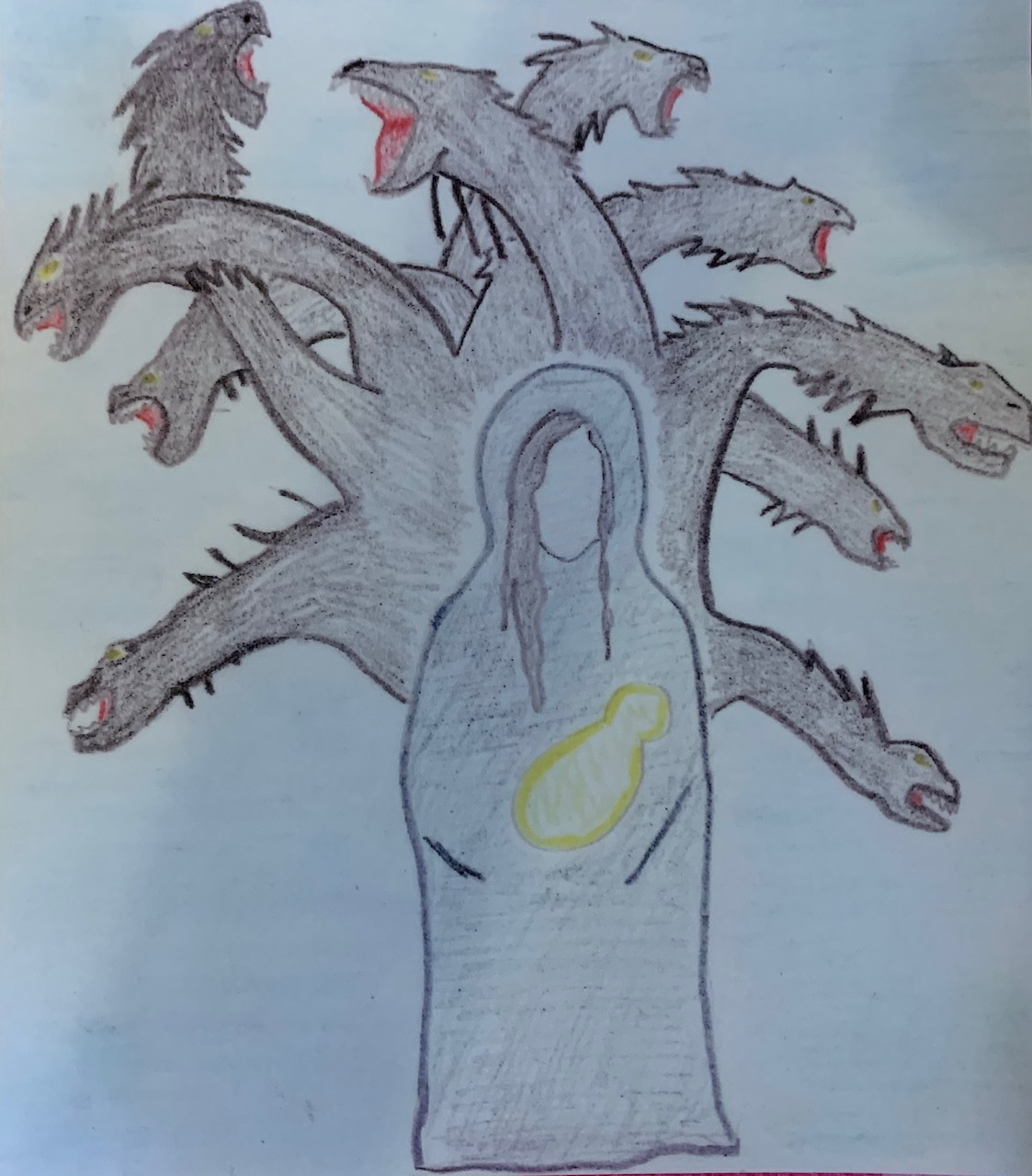
Mam Annwfn

Chant: Mam o mam o mam o mam o mam o man Annwfn.

Embodiment practice*: Lying in a modified version of Suptka Baddha Konasana (reclining bound angle pose) with left hand on heart and right hand on belly.

Meditation 1: I am the Deep and I am its mother.

Meditation 2: My heart and His heart beating as one.

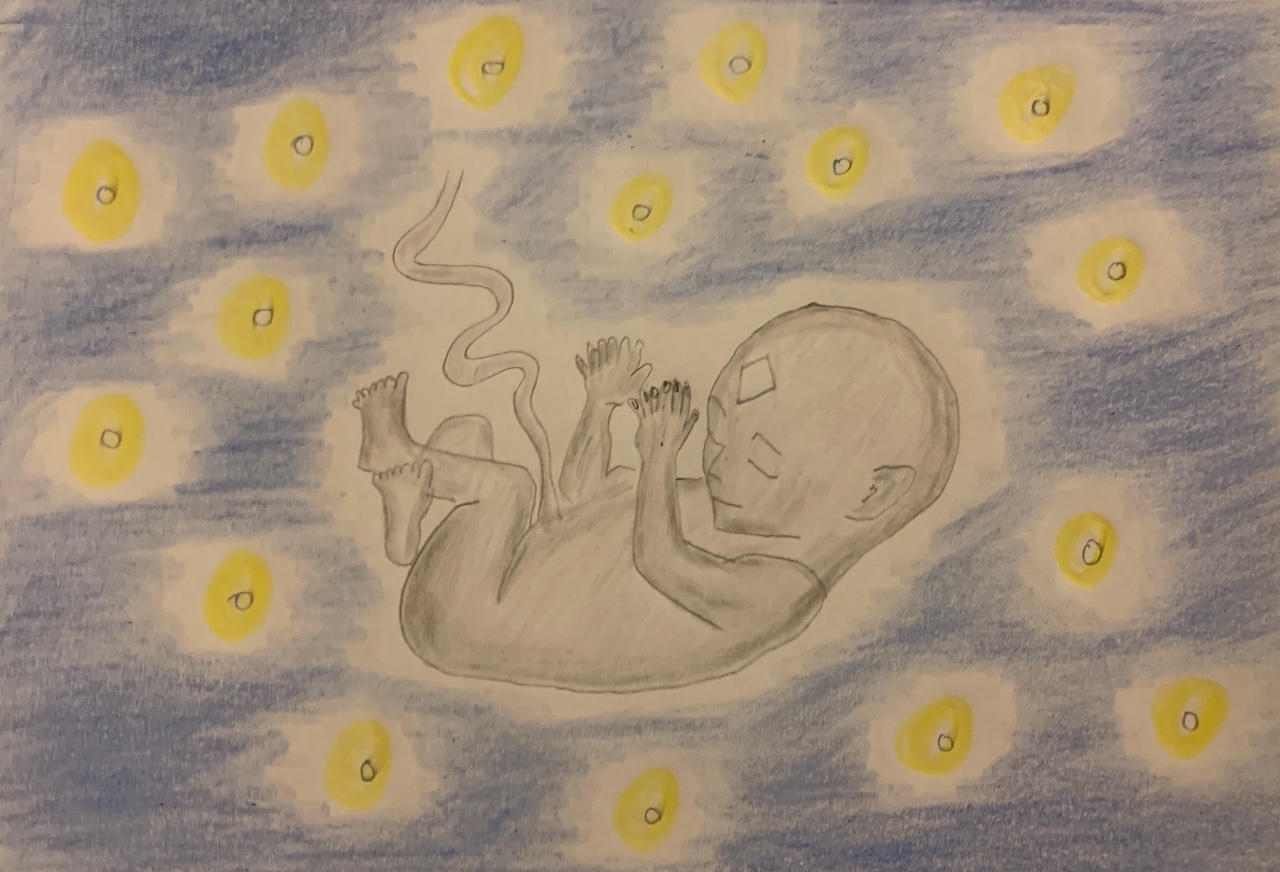
Unborn Gwyn

Chant: Gwyn heb ei eini, Gwyn fettws, Gwyn breuddwydio, Gwyn dreaming, foetal Gwyn, unborn Gwyn.

Embodiment practice: Lying in Parsva Savasana (side corpse pose or foetal position). 

Meditation 1: I dream the universe.

Meditation 2: I am promise.

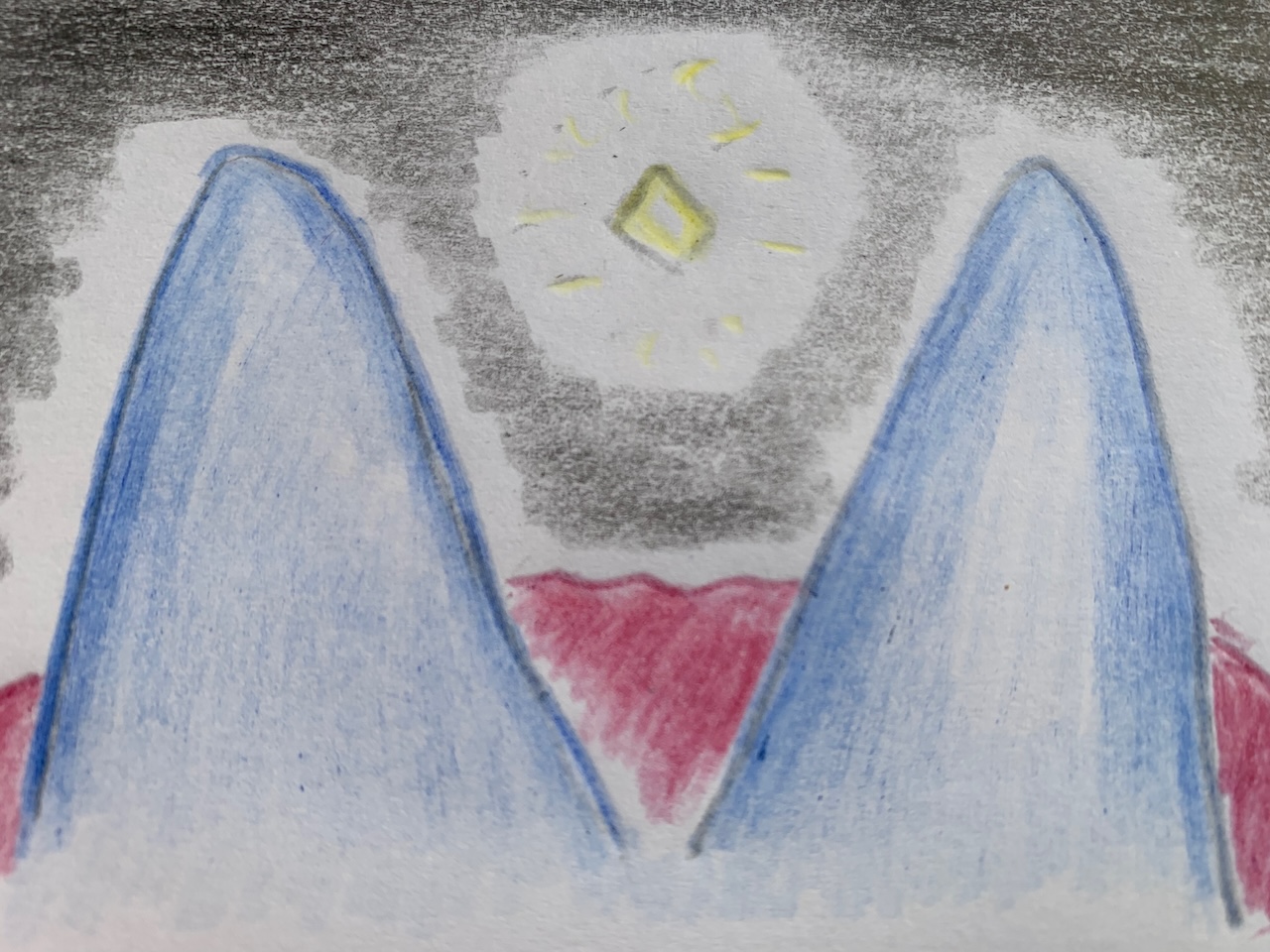
Birth

Meditation 1: 

Where shall I birth You 
into the world, 
my son, my king, 
my patron, my muse, 
my inspiration, my truth? 

Meditation 2: 

A mother’s longest hours 
like mountains, heaving belly, knees bent, 
reaching the peak, screaming, running down holding a baby
knowing prophecy is born in moments of pain,
the first cry of an infant mouth.

She Holds Her Son

Song: 

She holds Her son 
between space and time
in the place that’s Hers
and His and mine.

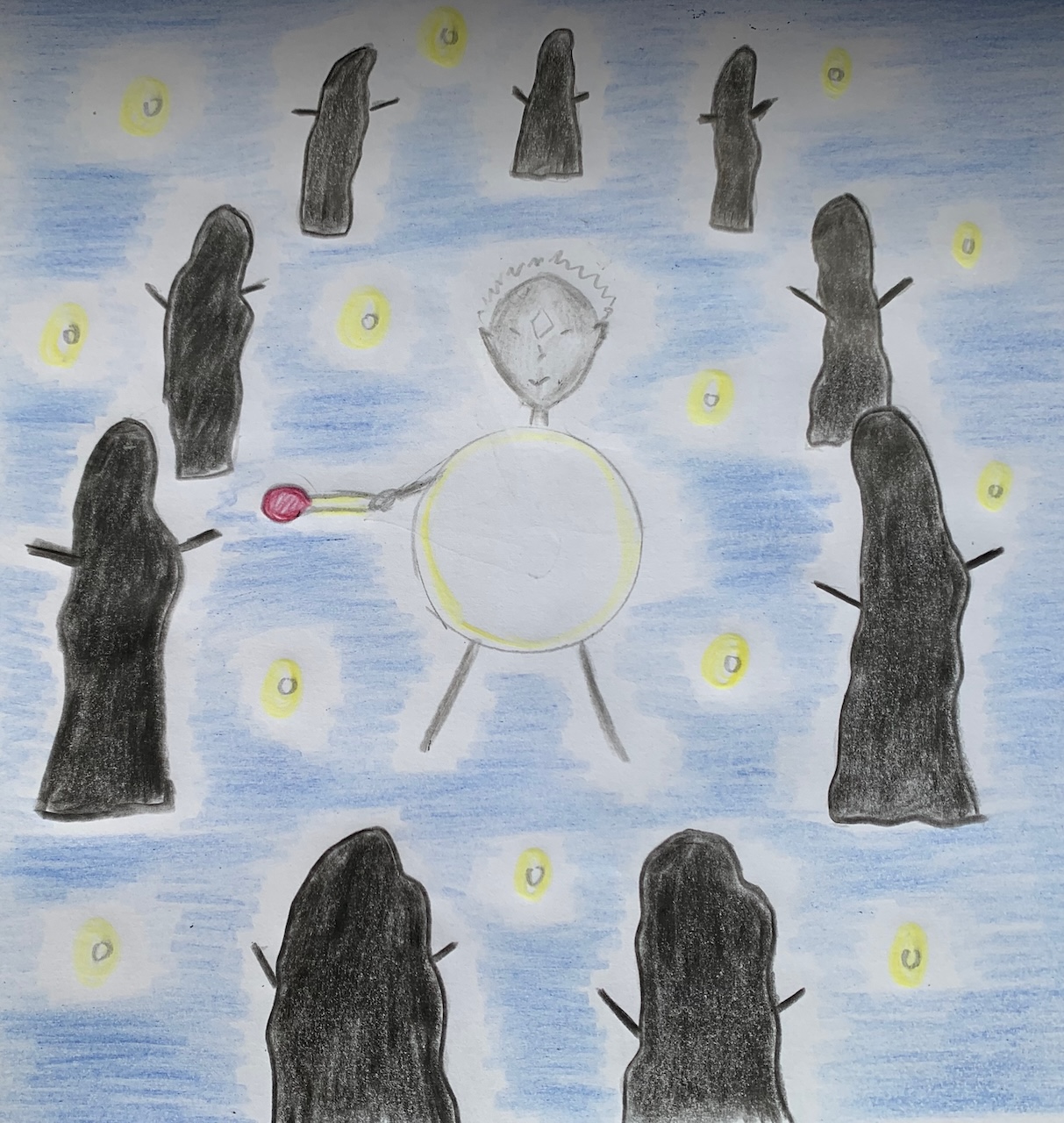
The Newborn

Meditation 1:

Born with a laugh 
to change the world
wise a changeling 
speaking in riddles
comes a newborn
to break all the rules.

He sings:

Hear the heartbeat, hear the drumbeat, hear the call.
Feel the heartbeat, feel the drumbeat stir your soul. 

Sing, chant, dance, drum with newborn Gwyn and the shadow nuns. 

WE ARE REBORN
here, now, in this moment, always, forever.

Inspiration

No-one knows the day or hour of Your birth because You were born before the universe.

*

You have as many births as the facets on your jewel – their number is infinite.

*

The geni in ca fi’n geni ‘I am born’ stems from the Proto-Indo-European root *gene that gives us ‘genesis’. With You, with each child, a universe is born. 

*

Each of us contains a universe, like a cauldron, and it’s only when our cauldrons crack and the relationships between the constellations of our presuppositions break down we perceive the sea of stars, the darkness of the Deep, the vastness of Annwfn, the Abyss, the Void. 

*

Floating on the starry tide, the infinite waters, You are always being born.

*I have been drawn to use yoga poses in my practice on the basis of gnosis about shared Indo-European origins of Brythonic polytheism and Hinduism. I have found likenesses between Anrhuna and the Hindu Goddess of primordial waters, Danu, who gave birth to the dragon, Vritra, and the Davanas. Gwyn shares many similarities with Shiva.

To Ebura

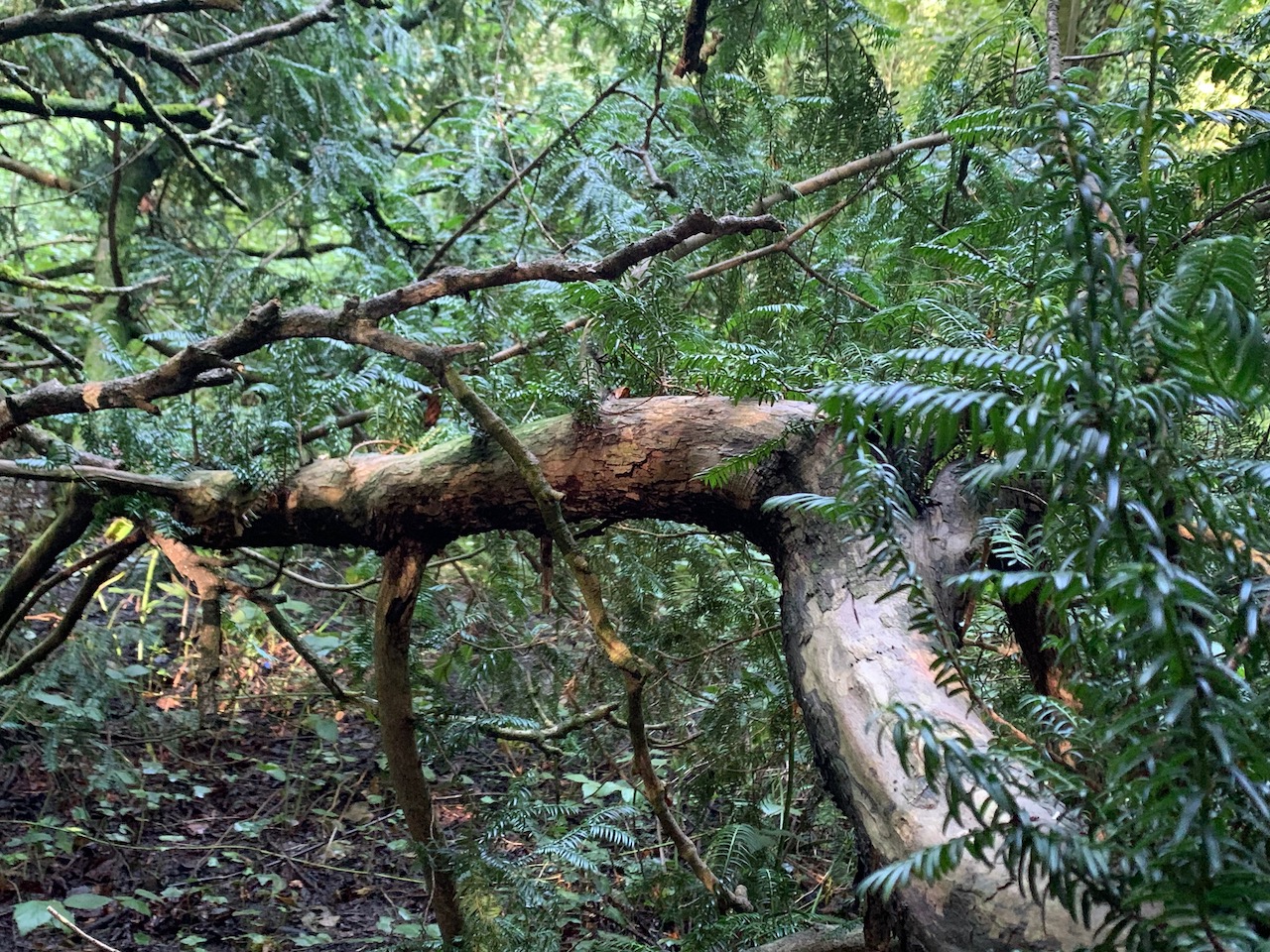
You have the power
to slow the beat of my heart. 

If I touched your needles
you might stop it.

That’s why they also call you 
Taxus baccata – toxic berry carrier.

Your taxines (taxine A and B, paclitaxel, 
isotaxine, taxicatine, taxols A and B)
jam channels of myocardial cells,
bring about cardiac arrest.

Cardiotoxic tree the Eburones drank your poison 
extracted ex arboribus taxeis – 
you stopped their hearts.

Beneath your boughts
I hear the echoes of their heartbeats
still beating slowly, so slowly like
the greater beat of the Heart of Annwn.

Like so many poisons
you are my cure.

*Ebura is the Proto-Celtic name for yew. The English ‘yew’ and Welsh ‘Ywen’ derive from the Proto-Germanic *iwo. The Eburones were a Gaulish-Germanic tribe in north-east Gaul.

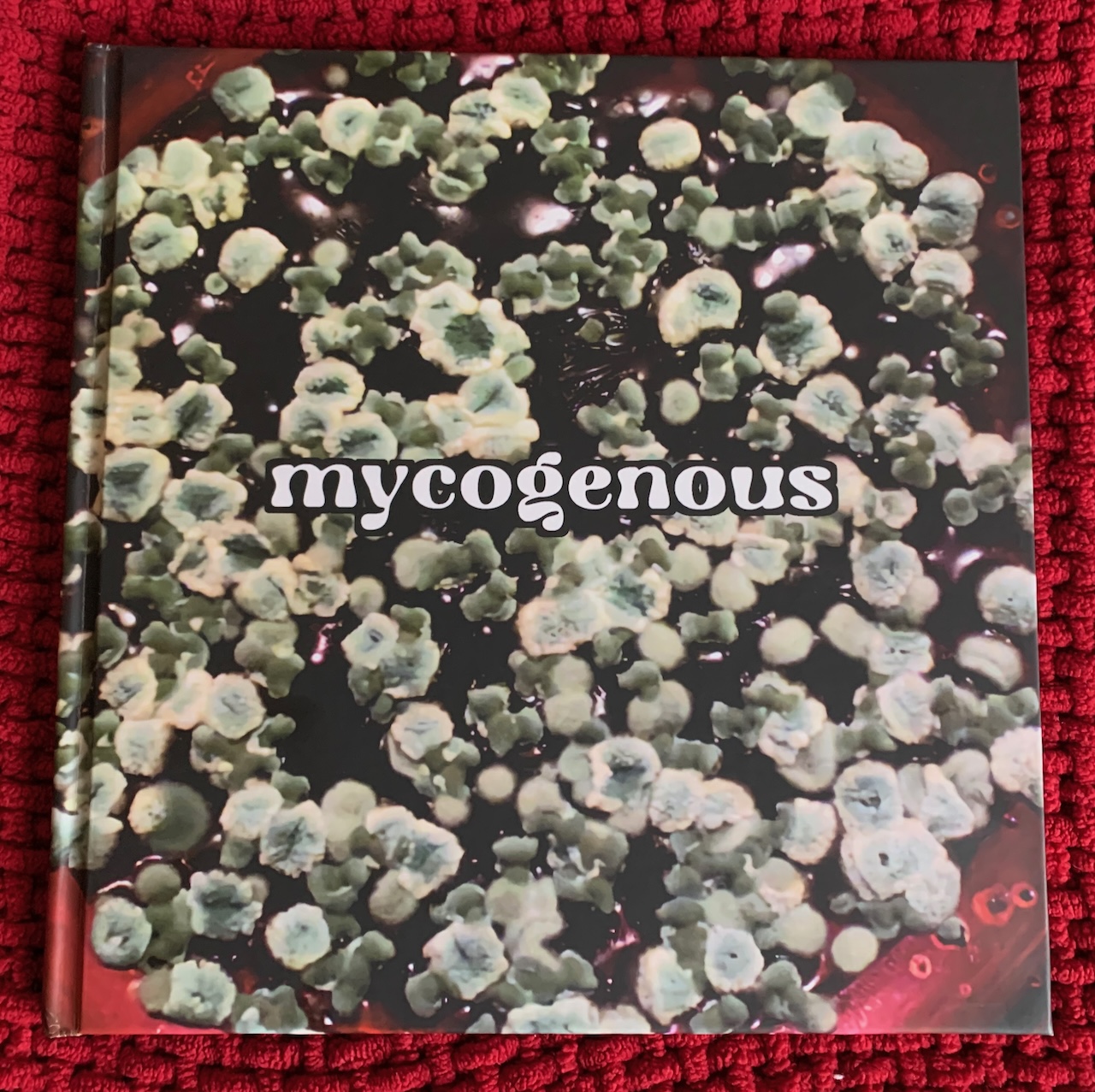
Review – Mycogenous: Dionysos in the Fungal Realm by Dver

Dionysos is a dangerous God and this is a dangerous book. 

Herein Dver reveals a ‘new’ face of Dionysos which she explains isn’t entirely new but is significant in its appearance at this time. Many polytheists will be familiar with Dionysos as a God of pandemonium, wild revelry and wine, but less as the yeast that transmutes the wine and the silence and stillness ‘at the heart of the Dionysian storm’, as mushrooms, as mycocelium, as mold. Here He is revealed as ‘mycogenous: arising from or inhabiting fungi.’

Dver’s revelations began when she ‘noticed a blue-green mold’ on half-evaporated wine she left too long in a silver kylix on Dionysos’ shrine. In an epiphany she realised He was not only in the wine but the mold and fermentation. This book is the result of five years of cultivating mychorrhizal insights.

‘The Way of Mycogenous Dionysos’ is described as ‘a path of mysticism – or mycomysticism’, ‘at times contemplative, at times shamanic… ultimately transformative.’ 

‘The heart of the tradition’ is presented in ‘The Book of Hyphae’ which contains gnosis and practice and is supplemented with exegesis at the end. 

These words, ancient Greek names for Dionysos, lines from the Dionysian tradition and new epiphanies, are not just to be read, but to be meditated on, ingested, for the Dionysian devotee performed and practiced to work the processes that will transform them into mystes and mycomystic. 

Although I am a Brythonic polytheist with little experiential knowledge of the Greek tradition I am familiar with Dionysos in mythology and as a presence. As I read this book for the first time I found certain words and practices jumping out at me and recognising a number of mychorrhizal connections. 

I found it to be of deep interest that, like myself, Dver has been inspired to draw upon practices from yoga with it being notable that the Greek, Brythonic and Hindu religions all share Indo-European roots. 

One that stood out was a breathwork based on the words βίος ‘bios’ ‘life’, θᾰ́νᾰτος ‘thanatos’ ‘death’, βίος ‘bios’ ‘life’ combining them with the three colours black – exhalation, white – ‘the liminal space between breaths’, and red – ‘the inhalation’. Later Dver explains these colours are central to the Orphic strain of the Dionysian religion and combined create a colour called orphinnos. I have been guided towards similar breathwork and black, white and red are the colours of Annwn, ‘Very Deep’, the Brythonic Otherworld.

Another practice is singing seven epithets of Dionysos activating the seven chakras / energy centres. In ascending order from root to crown, Khtonios (of the earth), Auxites (growth), Purigenes (born of fire), Omadios (eater of raw flesh), Iakkhos (the ritual cry), Kruphios (ineffable), Lusios (loosener). 

The words that leapt from the page most were ‘Bakkhios Himself has freed me.’ A shiver ran up my spine when I learnt ‘This line is adapted from one of the Orphic gold tablets which contained instructions for the soul of a dead person navigating the underworld’ and is ‘a totenpass’ ‘passport for the dead.’ 

Dver says, ’It is a prayer for liberation, a hope, a plea. It is an affirmation of devotion and dedication. And if you sing it long long enough it becomes an ordeal, a sacrifice’ and ‘could comprise one’s entire devotional practice to Dionysos.’

Another practice is practicing death, lying in shavasana ‘corpse pose’, surrendering oneself to the fungal processes of decay.

Dver has found a likeness between Shiva and Dionysos and I have found likenesses between Shiva and my patron God, Gwyn ap Nudd. All are Gods of ecstasy with associations with death and dissolution and renewal.

Not long after I read this book, having received it as a birthday present, over the November full moon I was plummetted into a process of dissolution myself. Then release from old things holding me down. As I read it again that phrase leaps out, echoes in my mind, ‘Dionysos has liberated me.’ I believe these words, the fungal touch of this God, had a role.

On a final note I would like to mention the three wonderful colour plates. ‘Mycogenous’ and ‘Lichenized’ are devotional art and ‘Remediation’ is a mask worn when lying in corpse pose and all are made from organic materials.

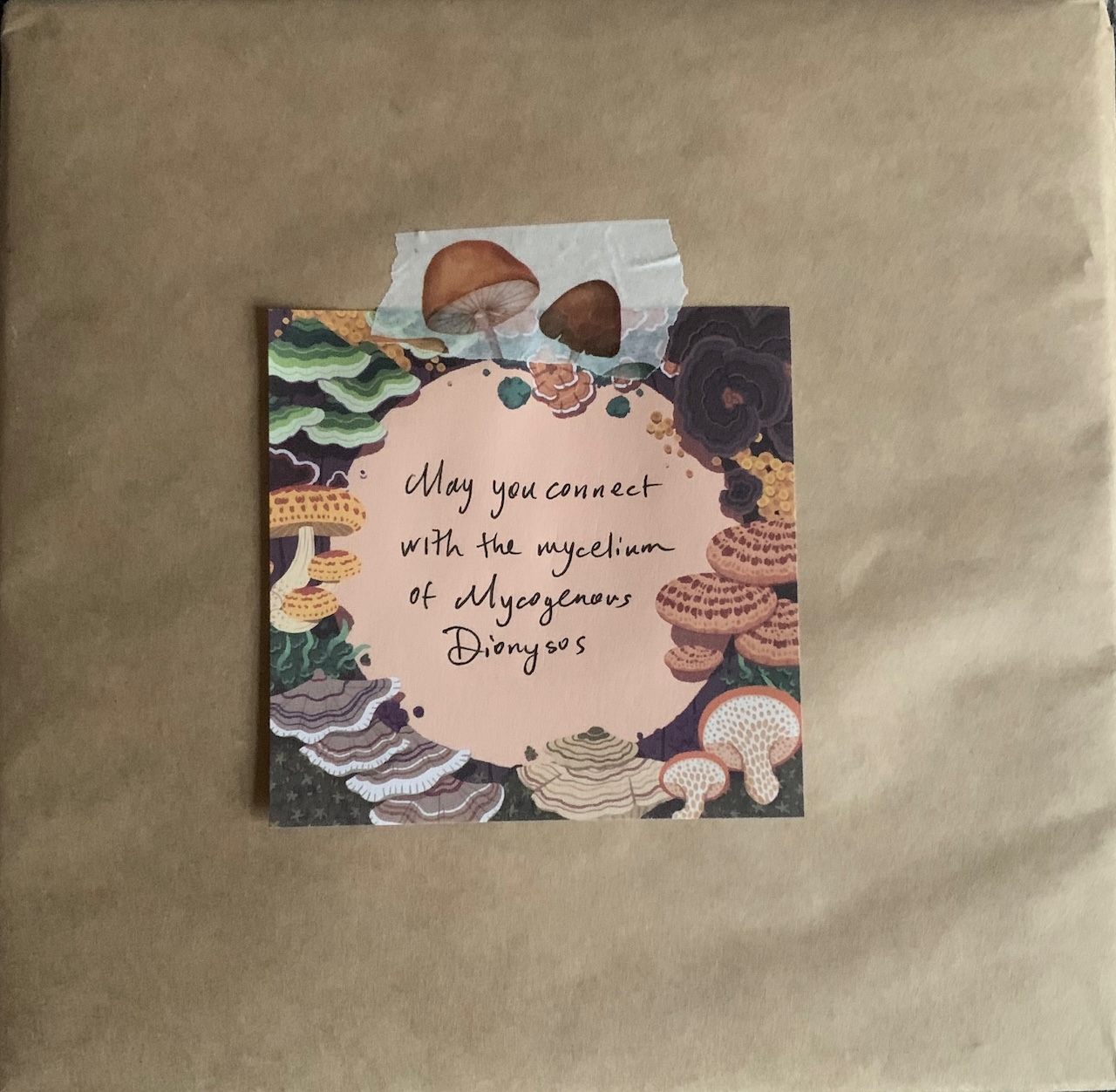
The book arrived beautifully wrapped and it is clear every stage in its creation has been carried out with devotion. 

I would recommend it to Dionysian devotees and to polytheists with an interest in building a devotional practice based on mystical revelations. But be warned, like fungal spores, these words, this God is dangerous. Do not expect to open it, turn its pages, without releasing a little Dionysos into your world.

Contemplating the Abyss Part Five – Saints in the Void?

In this final part of the series I will be looking at how abyss mysticism and the visions of the Abyss shown to me by my Gods relate to the Brythonic tradition.
The Welsh term for ‘abyss’ is affwys ‘depths, bottomless pit, precipice’ (1).

In the Welsh Bible (2) the term tehom is translated as dyfnder ‘deep’ rather than afwyss ‘abyss’. In Genesis 1.2 ‘And the earth was without form, and void; and darkness was upon the face of the deep. And the Spirit of God moved upon the face of the waters’ – ‘Yr oedd y ddaear yn afluniaidd a gwag, ac yr oedd tywyllwch ar wyneb y dyfnder, ac ysbryd Duw yn ymsymud ar wyneb y dyfroedd.’ And in Psalm 42.7 ‘deep calls to deep’ – ‘geilw dyfnder ar ddyfender’.

The first recorded usage of affwys is in the 13th century in The Book of Aneirin. ‘Disgennwys en affwys dra phenn’ ‘descend into a deep abyss’ (3). This seems significant as Aneirin was one of the Cynfeirdd, a ‘prince of bards’, along with Talhaearn and Taliesin. It is also of interest in relation to Aneirin speaking of undergoing an underground initiation in this poem (4). 

From thereon its use continues particularly in relation to Uffern ‘Hell’. ‘Yno y cloir ac rhoir rhwys yn Uffern a’i ffwrn affwys’ ‘there he will be locked up and cast into Hell and its abyssal oven.’ ‘Yn Uffern erwin aphwys’ ‘in Hell a harsh abyss.’

In The Book of Taliesin the term dwfyn is used to mean ‘depth’, ‘profound’ and ‘abyss or depths of Hell’ in the lines ‘dogyn dwyfn diwerin’ ‘the evil lot of the abyss.’ We also find the term diuant ‘space, void, annihilation, death’ as in ‘gogwn… pan ergyr diuant’ ‘I know why annihilation comes all of a sudden’ and ‘bet sant yn diuant ‘how many saints are in the void?’

Another term is agendor ‘abyss, gulf, depth’. Its earliest recorded use is in 1604. In a poem by Hugh Jones, written in 1759, we find the lines ‘Yna traflynca Annwfn / Y dorf i’r agendor dwfn’ ‘Then pass through Annwfn / the crowd to the deep abyss.’ These are suggestive of a group of people (the dead?) passing through Annwn to the Abyss and resonate with my experiences.

The notion of saints being in the void in the Taliesin poetry is also a fascinating one as we usually assume that saints ascend to Heaven. 

Could this line instead refer to monastics who practice abyss mysticism? Who go to annihilation in the void? Monks of Annwn outside the Christian orders?

Because they wrote nothing down we know precious little about the religious practices of the pre-Christian Brythonic peoples and nothing at all about their inner experiences, relationships with their Gods, what went on in their souls.

There is no evidence for beliefs about Anrhuna, Nodens / Nudd and Vindos / Gwyn being deities who act as custodians of the mysteries of the Abyss or monastics who practiced abyss mysticism but it can’t be ruled out. Whether this tradition is old or new I have been called to it as a nun of Annwn by my Gods.

(1) https://geiriadur.ac.uk/gpc/gpc.html
(2) https://www.bible.com/versions/394-bcnd-beibl-cymraeg-newydd-diwygiedig-2004
(3) https://geiriadur.ac.uk/gpc/gpc.html I couldn’t find a full copy of The Book of Aneirin in modern Welsh let alone a translation into English to check the context. 
(4) ‘I do not laugh the laugh
under the feet of creepy crawlies.
My knees stretched out in an earthen cell,
an iron chain
around my knees.’
Cited in Lawrence Eson, Merlin’s last cry: ritual burial and rebirth of the poet in Celtic and Norse tradition, January 2007, Zeitschrift fur celtische Philologie 55 (1)

Contemplating the Abyss Part Four – The God Beyond the Gods

In the previous post I looked at abyss mysticism in the writing of medieval monastics. Here I shall discuss how it relates to the visions of the Abyss that formed the core of my attempted novel, In the Deep, and to my own experiences.

The Christian abyss mystics of the medieval period perceived the soul and God to be dual abysses. Through a process of annihilation, led by love, the abyss of the soul was dissolved in the abyss of God. Van Ruusbroec conceived this slightly differently suggesting the Abyss was a ‘God beyond God’.

The process of annihilation was one that involved suffering. Penitence, purgation, purification, to varying degrees in different authors but the result was ultimately joyous union with God as the ‘divine’ or ‘blessed’ abyss.

The big difference between my own experiences and visions and those of these Christian mystics is theological as I am a polytheist and not a monotheist and find it difficult to identify the Abyss with the Christian God. 

The Abyss has a presence in my life as something powerful, as something divine, as a deity, but not as a God I can name. Thus Van Ruusbroec’s conception of it as a ‘God beyond God’ resonates deeply with me as does the positing by the Gnostics of a God of the Deep preceding the creator God whose prior existence is suggested in Genesis 1.2 ‘And the earth was without form, and void; and darkness was upon the face of the deep. And the Spirit of God moved upon the face of the waters.’ The terms ‘deep’ and ‘abyss’ stem from the Hebrew tehom and are often used interchangeably.

In the cosmology that has been revealed to me by the Brythonic Godsthe Abyss is part of Annwn, ‘Very Deep’, its deepest part, its bottomless depth. It is a place to where the souls of the dead return and from it are reborn.

The way I envisage it bears remarkable similarities to the vision of Hadewijch of Antwerp – ‘an unfathomable depth’, ‘a very deep whirlpool, wide and exceedingly dark; in this abyss all beings were included, crowded together and compressed’.

It is associated with deep wisdom that can only be won as a result of sacrifice. In the stories I was shown Nodens / Nudd agreed to give up His sword arm. He hung over the Abyss in the coils of the Dragon Mother, Anrhuna, the Goddess of the Deep, and received the knowledge, ‘There is no up or down or before or after – everything meets here in you the Dragon Mother.’ 

Vindos / Gwyn ap Nudd hung over the Abyss on a yew wounded in raven form and gave every last drop of his blood in exchange for a vision ‘to set the world to rights’. His knowledge was brought out of Him by a series of riddles and He saw Himself as a black dragon before plummeting dead into the Abyss.

At the beginning of the next book in death He was united with ‘the source’:

Vindos fell,
and as he fell he left behind
his shell of bones and black feathers 

and his soul flew free on wider wings
on the winds of the Abyss.
He had won

their favour
through his offering 
of every last drop of his blood.

By his wounding, by his questioning,
agony had become ecstasy.
The bottomless

abyss
was no longer bottomless.
He had mastered its paradoxes and knew

where darkness turns to light
and death to life.
Down was

now up
and he was one
with the source, the spring

from which the ocean of the stars
sprung when the universe
was born.’

These scenes bear similarities with Marguerite Porete’s words about the soul, in annihilation, finding ‘there is neither beginning, middle nor end, but only an abyssal abyss without bottom’ before acheiving ecstatic union with God.

It seems my Gods, Nodens / Nudd and His son, Vindos / Gwyn are presenting to me a tradition of sacrifice to the Abyss in return for its wisdom. By leading the way they are showing what might be expected of Their devotees.

My first experience of the Abyss took place as the result of an unconscious process of self-annihilation – dissolution of the self through the combination of practicing Husserl’s epoche (putting all one’s presuppositions about the nature of reality aside) with drugs and alchohol and all night dancing.

There was a yearning within me, I might now say deep for deep, abyss for abyss, but I didn’t know what it was and when I got to the Abyss it terrified me. I wasn’t ready for abyssal wisdom. I didn’t know what to do. I didn’t understand its choices, to live as I was or to die physically, or to take a third door. 

I see in my own impulses and those of the abyss mystics, love and annihilation, the interplay of eros the ‘life drive’ and thanatos the ‘death drive’ which together lead to the Abyss and to union with the divine if one is prepared to surrender to make some sacrifice of themselves.

I’ve never been good at giving or sacrifice always wanting things my own way.

Ten years ago, Gwyn, my patron God, a King of Annwn, asked me for a sacrifice in exchange for the wisdom of Annwn – to give up my desire to be a professional author. I did so… but not in full… I secretly entertained a hope if I gave it up for a period I might be let off and be able to have my cake and eat it.

My experience of writing In the Deep, spending a year and a half on a novel that has turned out unpublishable and daring to think it might sell more widely than my previous publications has shown this is not the case. 

It’s taken me ten years to realise I must give up my biggest dream in full for good.

This fits with the process of self annihilation found in the medieval mystics. Only by giving up our desires, surrendering our will, can we walk the path of the Gods and with them find a deeper unison with the God beyond the Gods.

I believe this also relates to the need to give up my identity as Lorna Smithers, published author, performing poet, public speaker, to become Sister Patience.

In the Deep was not written purely for self gain. First and foremost it was written for love** of Gwyn, as an origin story for Him, as an offering. I believe it is because of that the awen flowed and I retain these visions as His gift.

That He, ‘White, Blessed’, has led me to the blessed Abyss, the God beyond the Gods, who may or may not be the formlessness of the Mother of the Deep before She took form.

To the third door – to die to his present life, to be annihilated, hopefully like Vindos / Gwyn to be reborn.

He was
the first microbe
and every single tiny thing.

He was an ammonite and a starfish,
He was a silver salmon,
every fish.

He swam
amongst bright creatures
as an eel, as a seasnake, as a snake,

as a horned serpent, as a bull, as a wolf.
Playful as a new-born pup
Vindos

chased his tail
and the trails of starships
and traversed every wormhole

before he emerged from the sea of stars
and climbed out of the cauldron,
naked, dripping, triumphant,

and very much living
to stand beside Old Mother Universe.

*I also wrote the sequel, The Spirits of Annwn, in draft form as a long poem, when possessed by the awen last year.
**Unlike annihilation love is a difficult thing for me to talk about as someone who, after a number of botched relationships, only discovered they were asexual and aromantic late in life. Unlike a number of Gwyn devotees with an intense devotional relationship with Him I am not a God spouse. Much inside me rebels against using the language of marriage found in Christianity such as ‘bride of Christ’ and even ‘love’ with its sexual and romantic connotations in reference to our relationship. I wish there was a word for purely devotional love.

In part five I will be writing about how these insights relate to the Brythonic tradition.