A Mossy Holiday

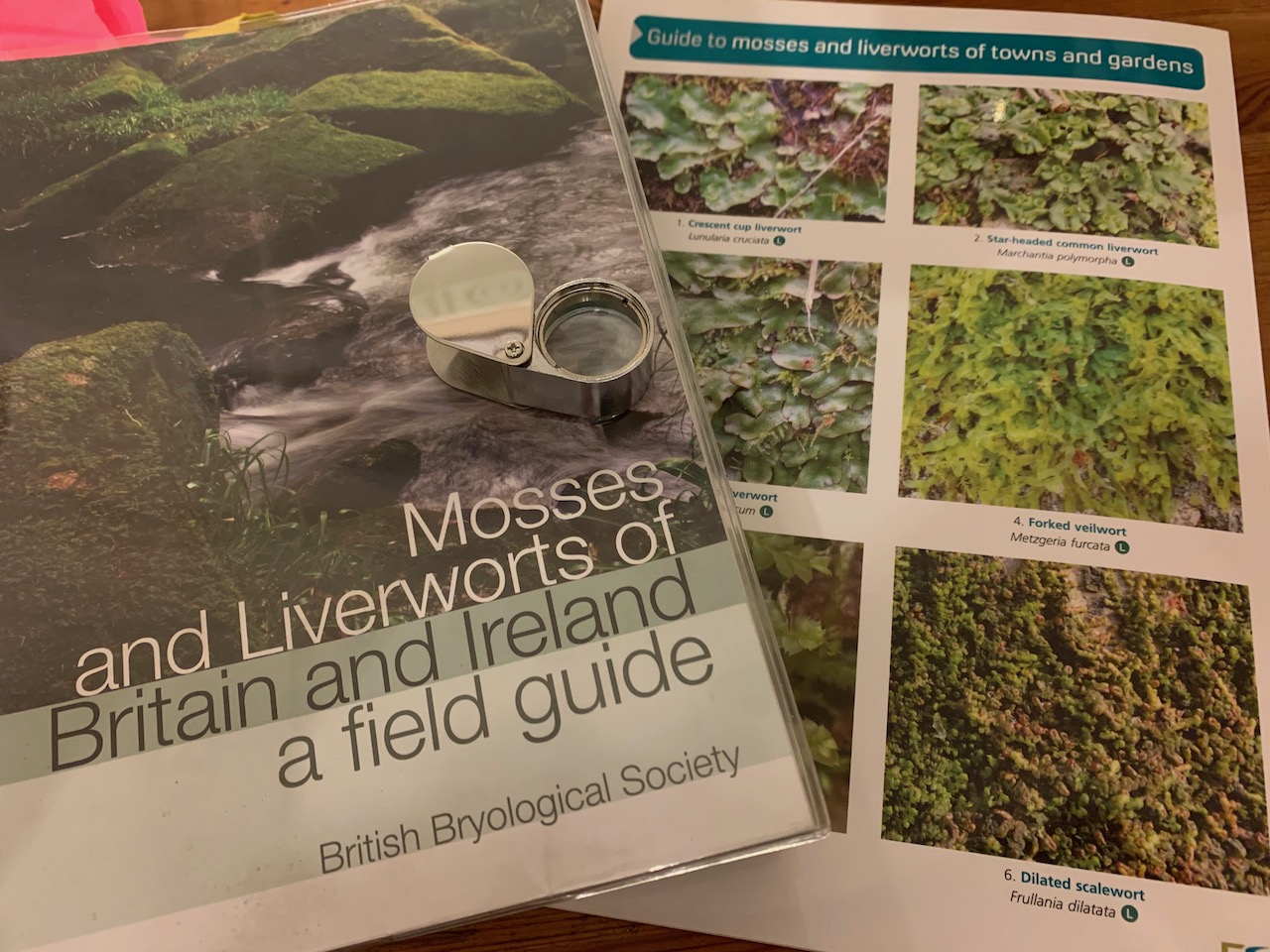
A two week holiday has given me the chance to start exploring and recording the mosses and liverworts in my local area. Equipped with a x 10 hand lens and the FSC Field Guides to common species in woodlands and gardens, backed up by the British Bryological Society’s Mosses and Liverworts of Britain and Ireland a Field Guide, I have made some interesting discoveries and managed to identify more bryophytes than hoped.

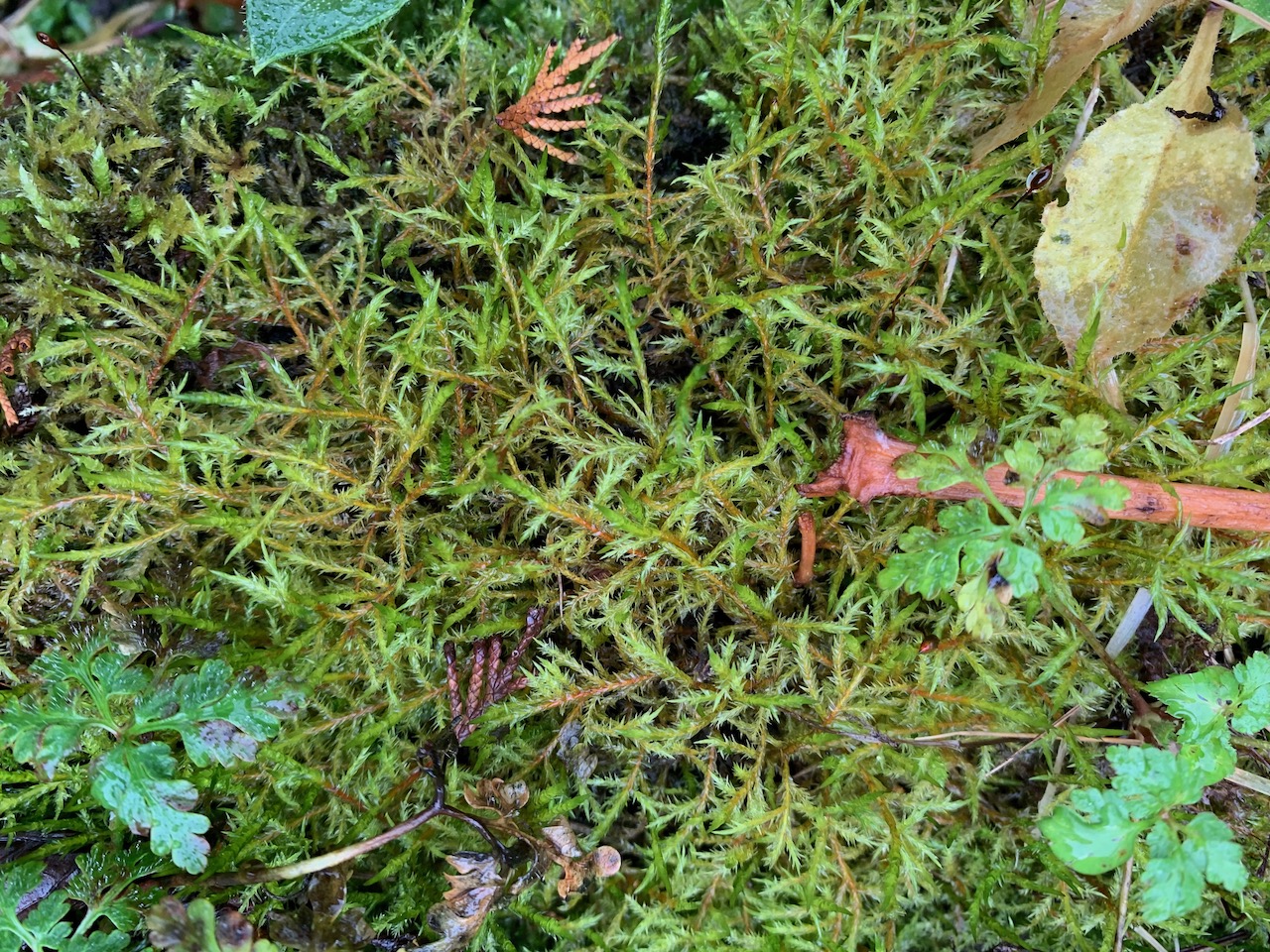
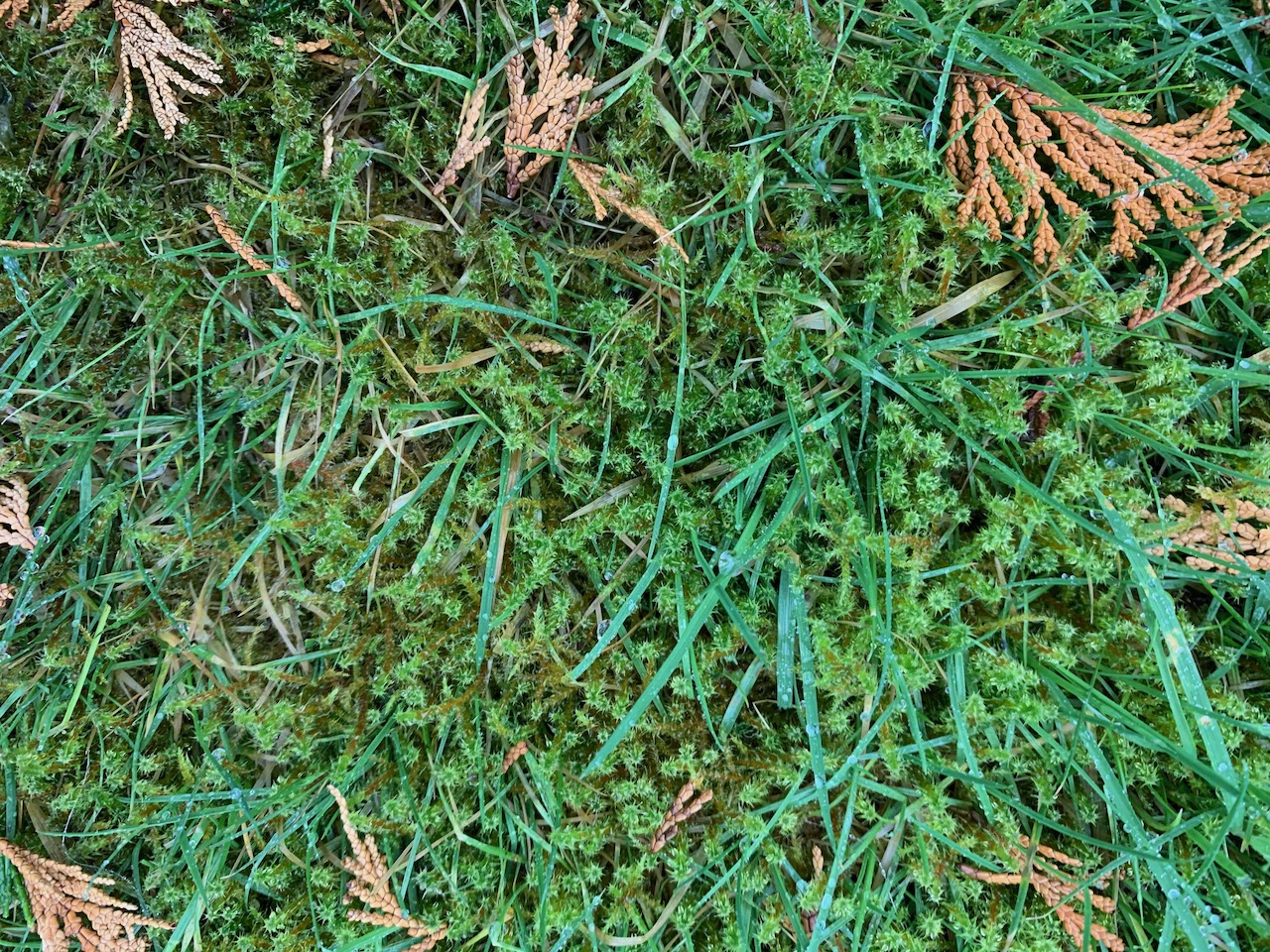
I started with my garden and firstly discovered that the moss which is everywhere is Rough-stalked feather-moss (Brachythecium rutabulum) in various stages of growth. It came as no little surprise that Springy turf-moss (Rhytiadelphus squarrosus) is in my lawn. I was excited to find the unmistakable Big-shaggy-moss (Rhytiadelphus triquestrus) on a stony area. The fourth moss, growing in a damp area beneath the shed (which is not on the FSC Field Guides, but I have identified from the key in the BBS Field Guide by its capsules) is Clustered feather-moss (Rhynchostegium confertum).
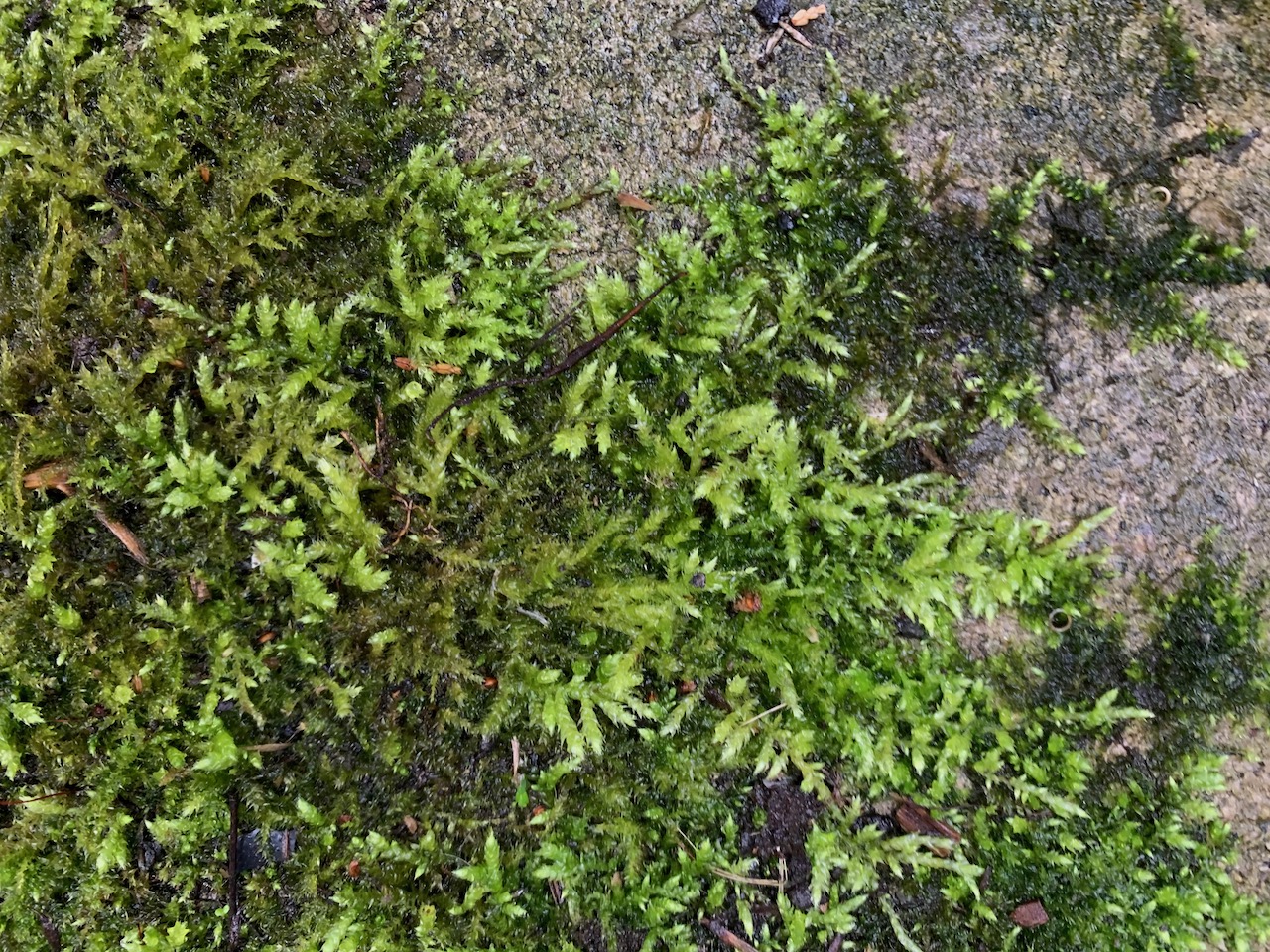
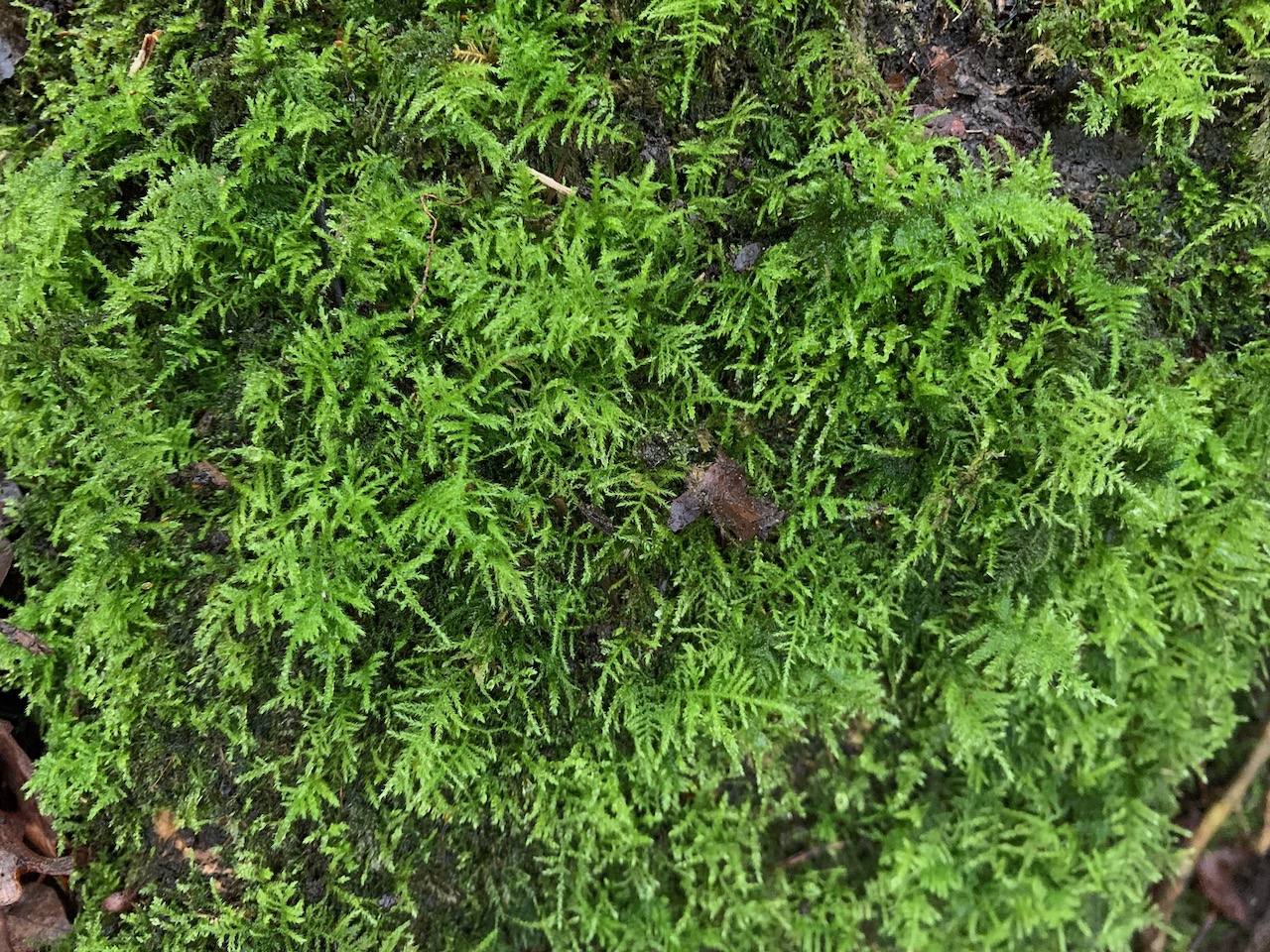
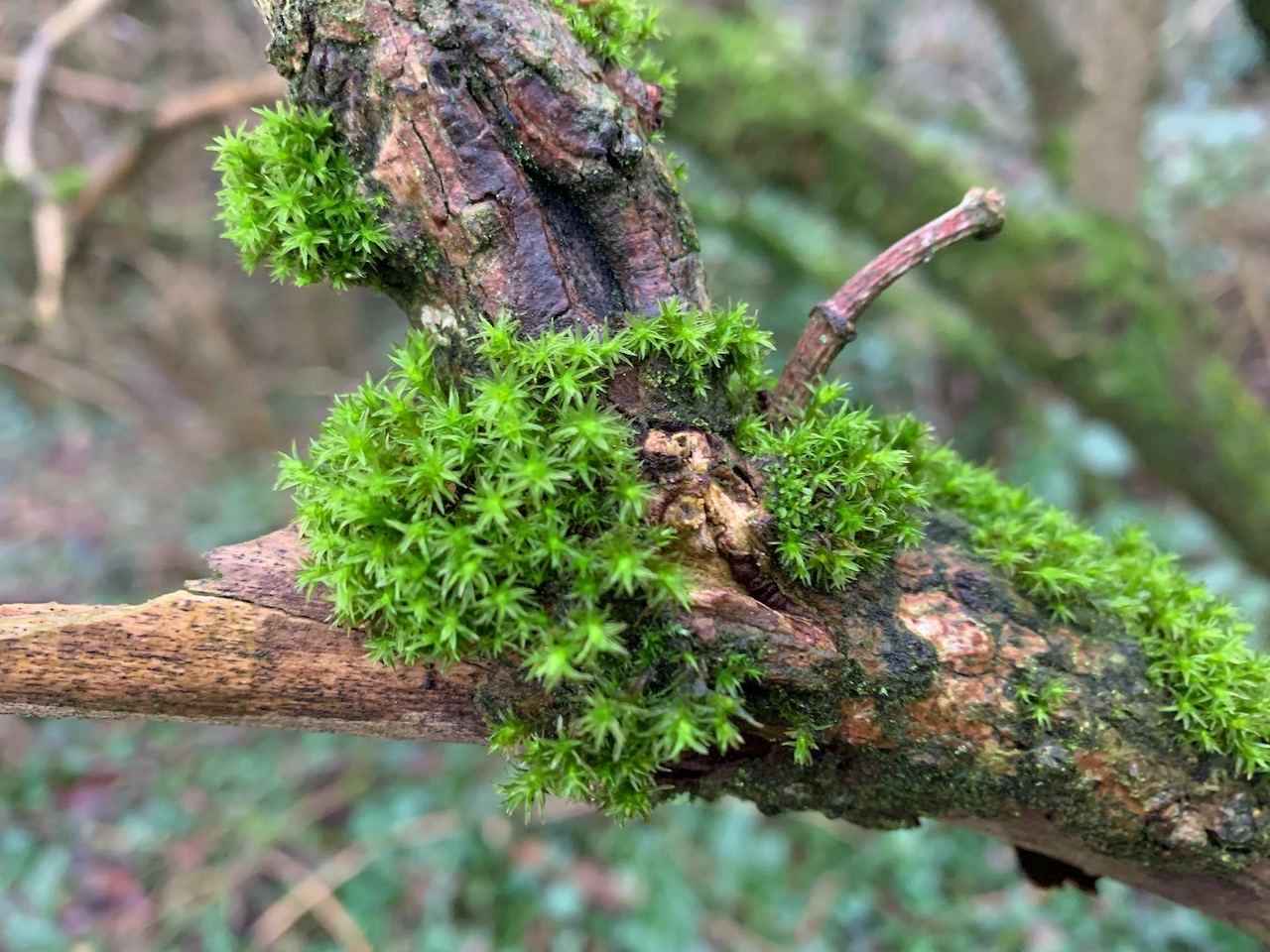
In Greencroft Valley the most abundant species of moss is Common feather-moss (Kindbergia praelonga). My guess is the acrocarpous moss covering two Elders and seen on the trunks of other trees may be Common smoothcap (Atricham undulatum).
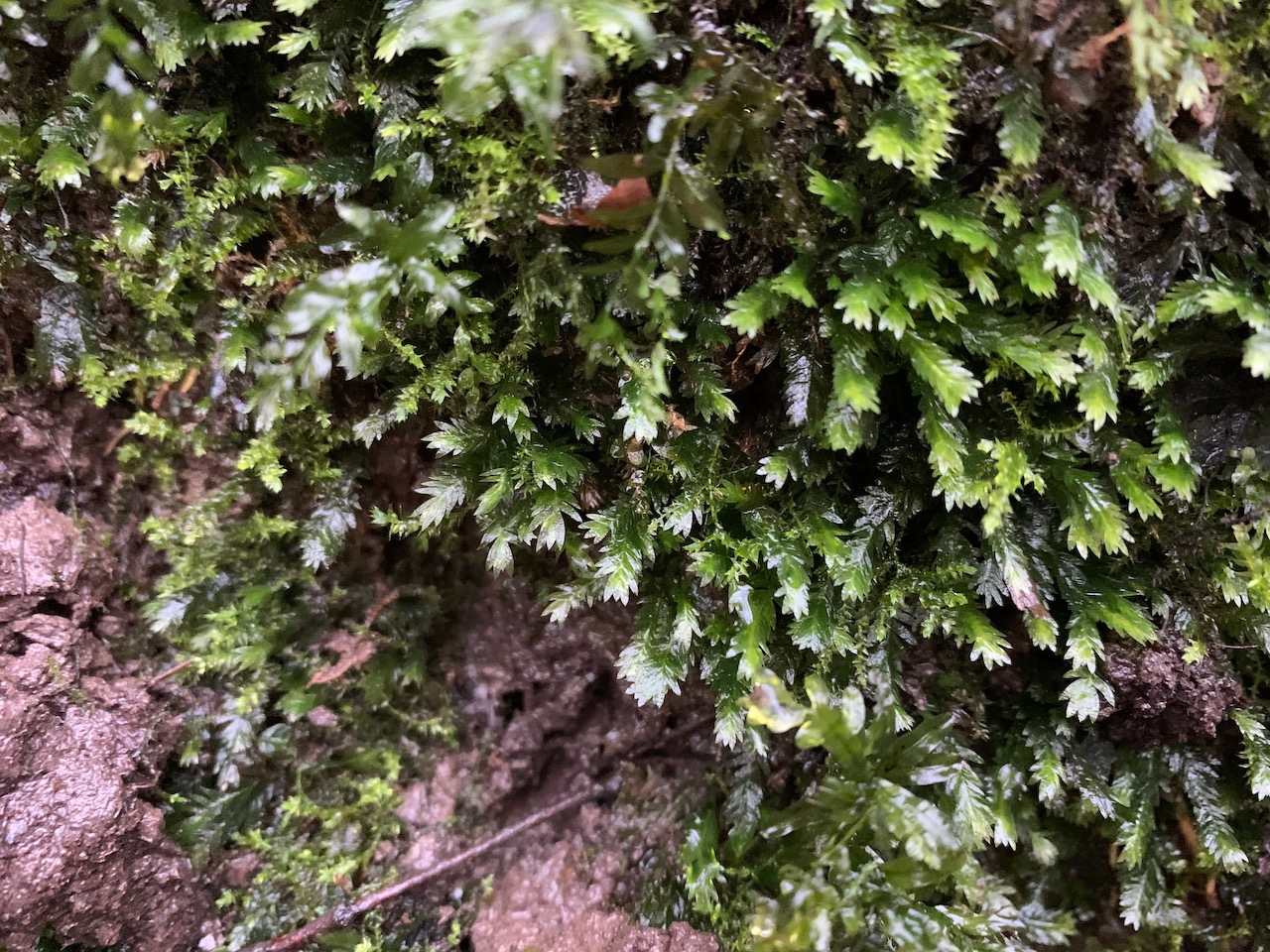
Beside the brook I spotted Common pocket-moss (Fissidens taxifolius) alongside some fascinating plants I cannot name.
I then decided to go to Castle Hill as some of the woodland on its banks is ancient. By the steps up the hill from Well Field, past where St Mary’s Well once was, I found more Common pocket-moss, and Cypress-leaved plait-moss (Hypnum cuppreseforme) on a fallen branch.
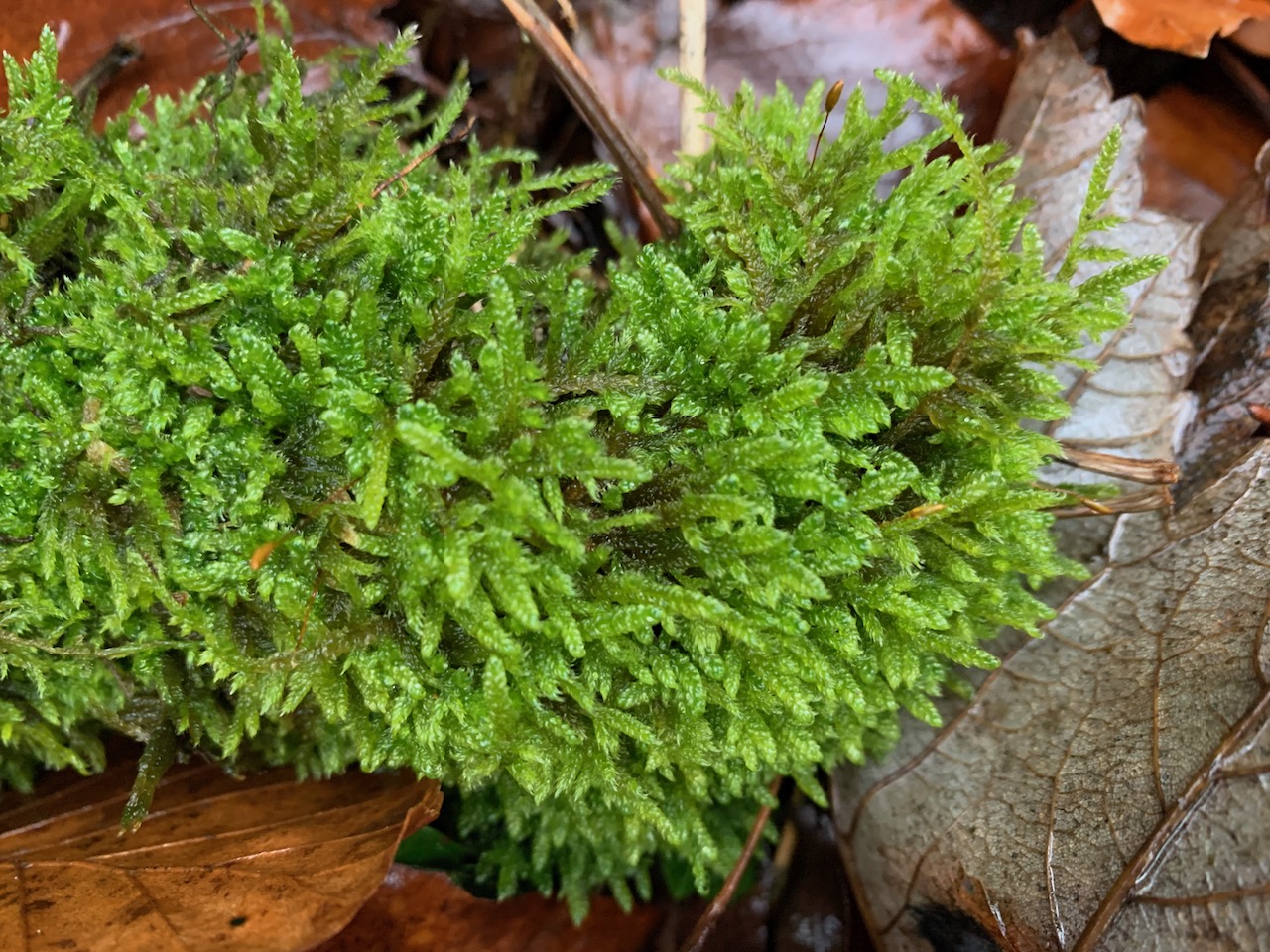
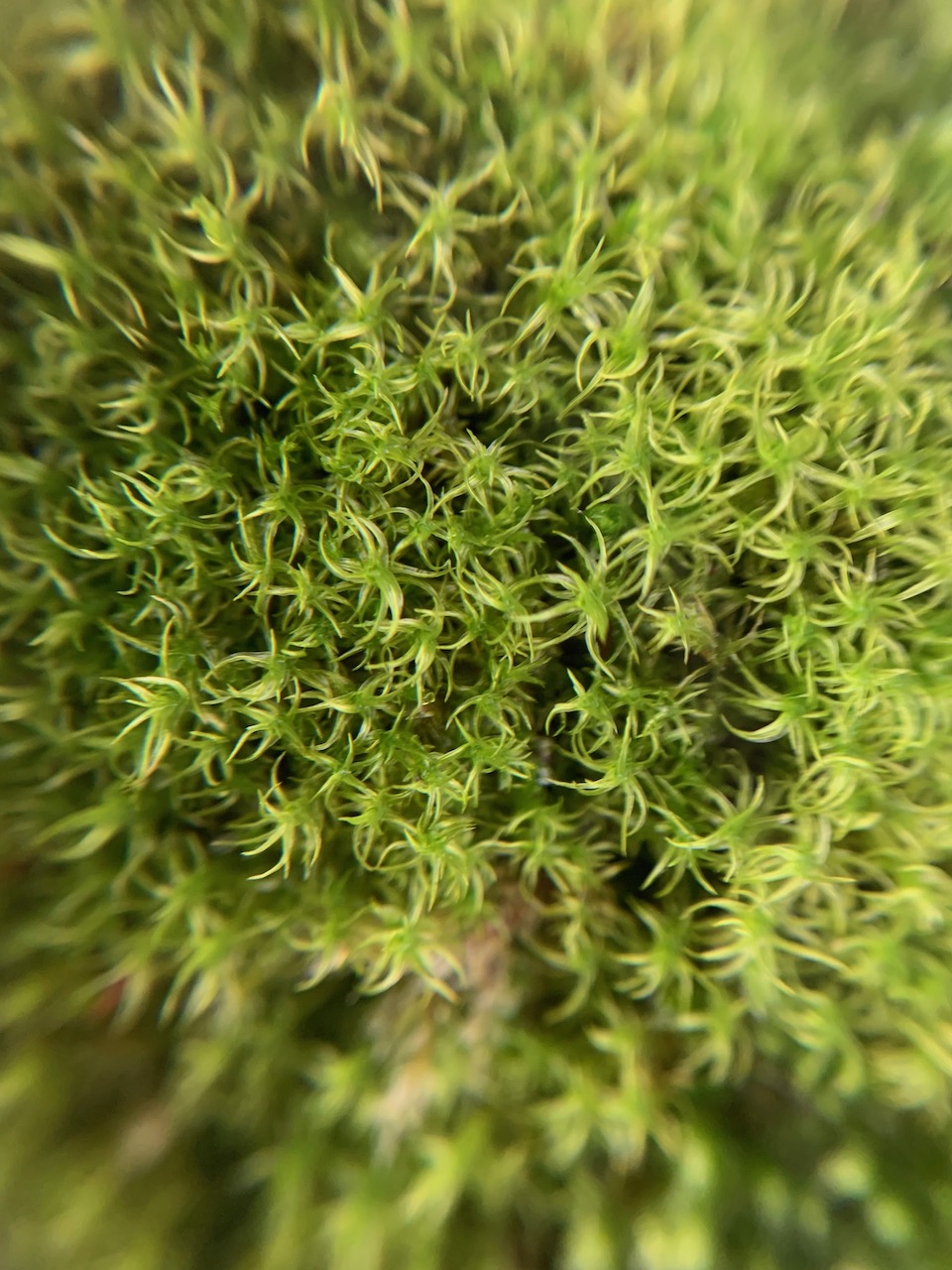
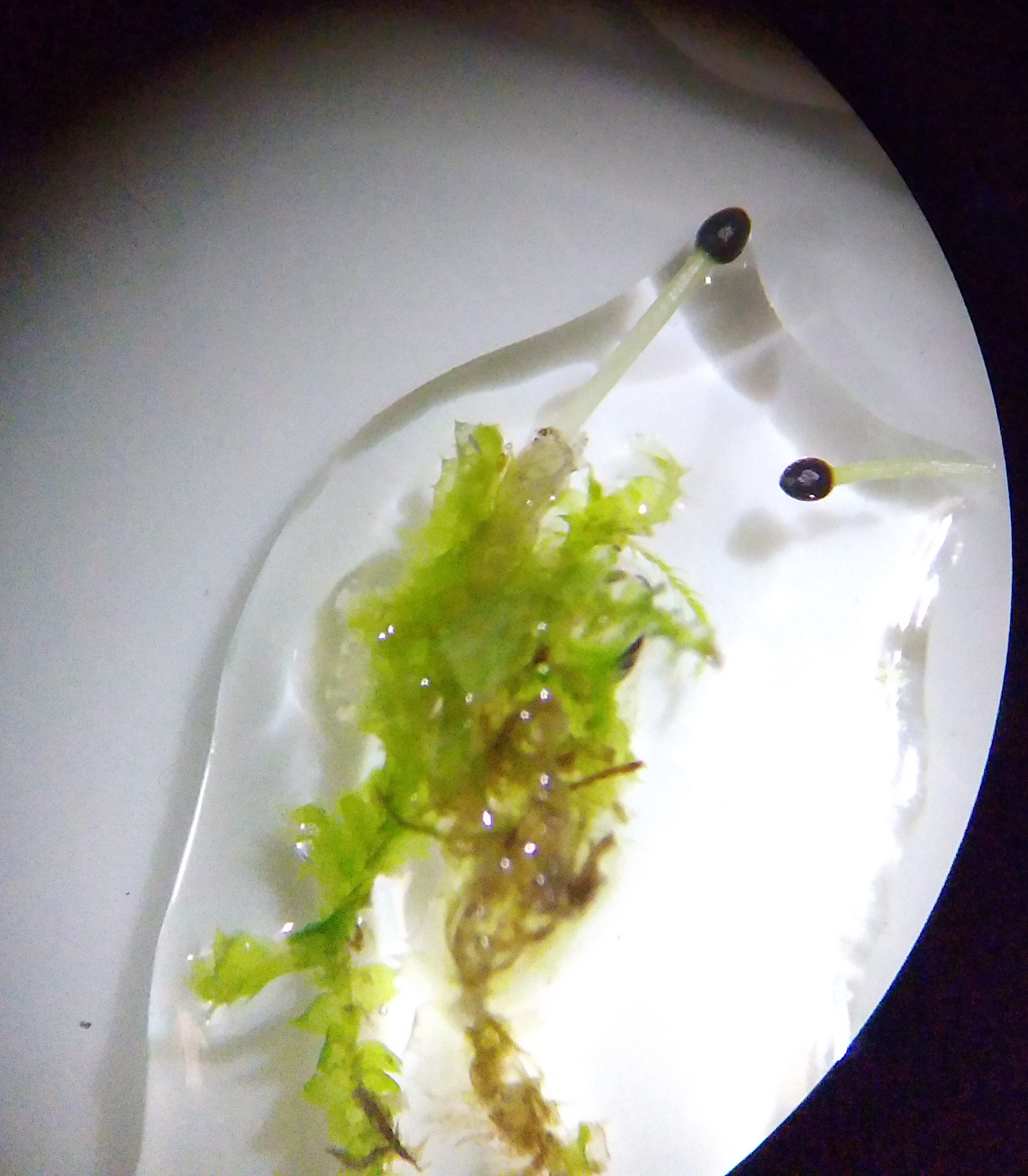
On the wall on Church Avenue and on the old stone cross halfway down was the evocatively named Grey-cushioned grimmia (Grimmia pulvinata). It is named after a German scientist called Johann Friedrich Carl Grimm yet, to me, the name ‘grimmia’ is particularly evocative of this unmistakable mossy creature. By this point I had started getting to grips with taking photos through my hand lens.
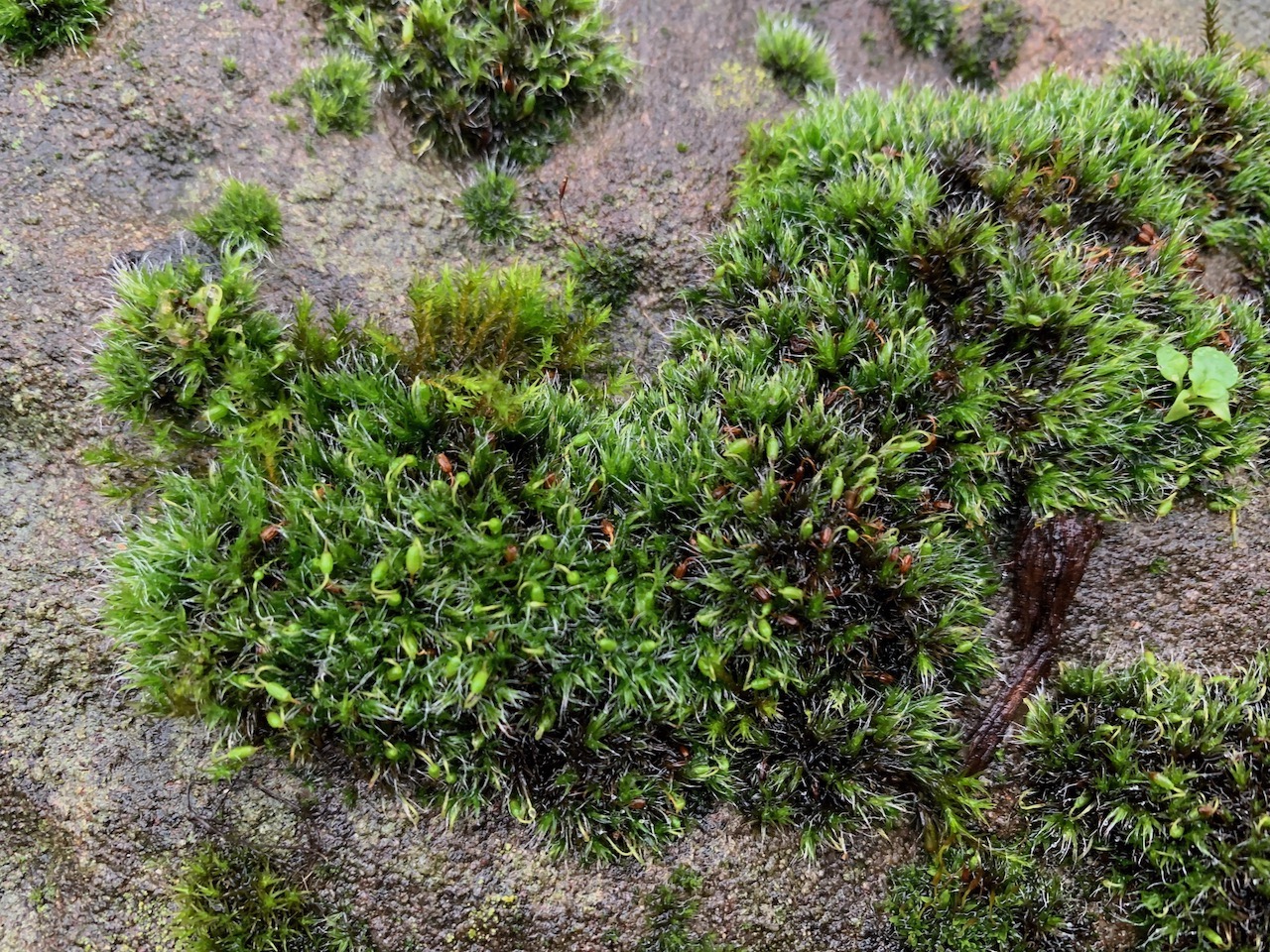
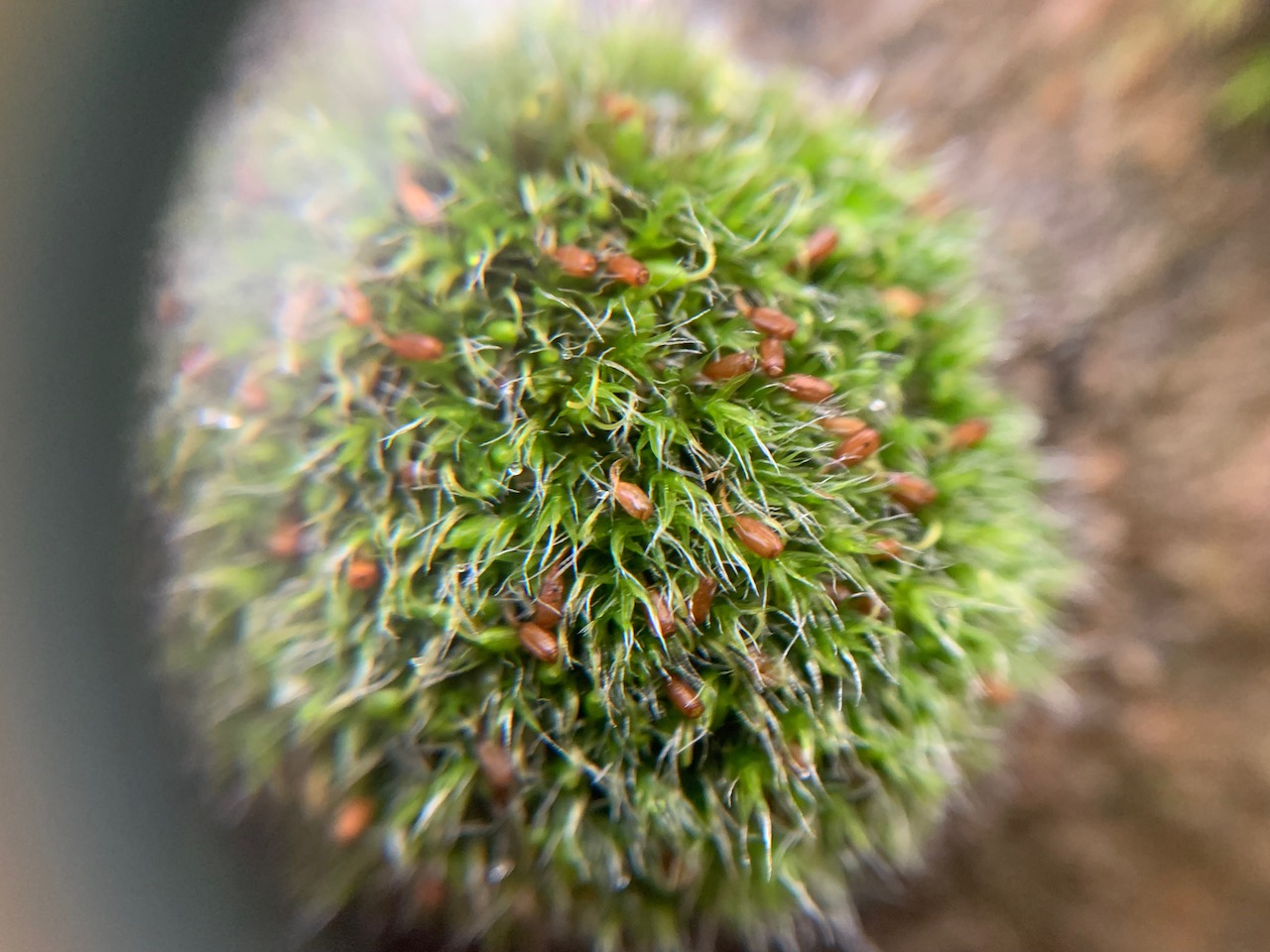
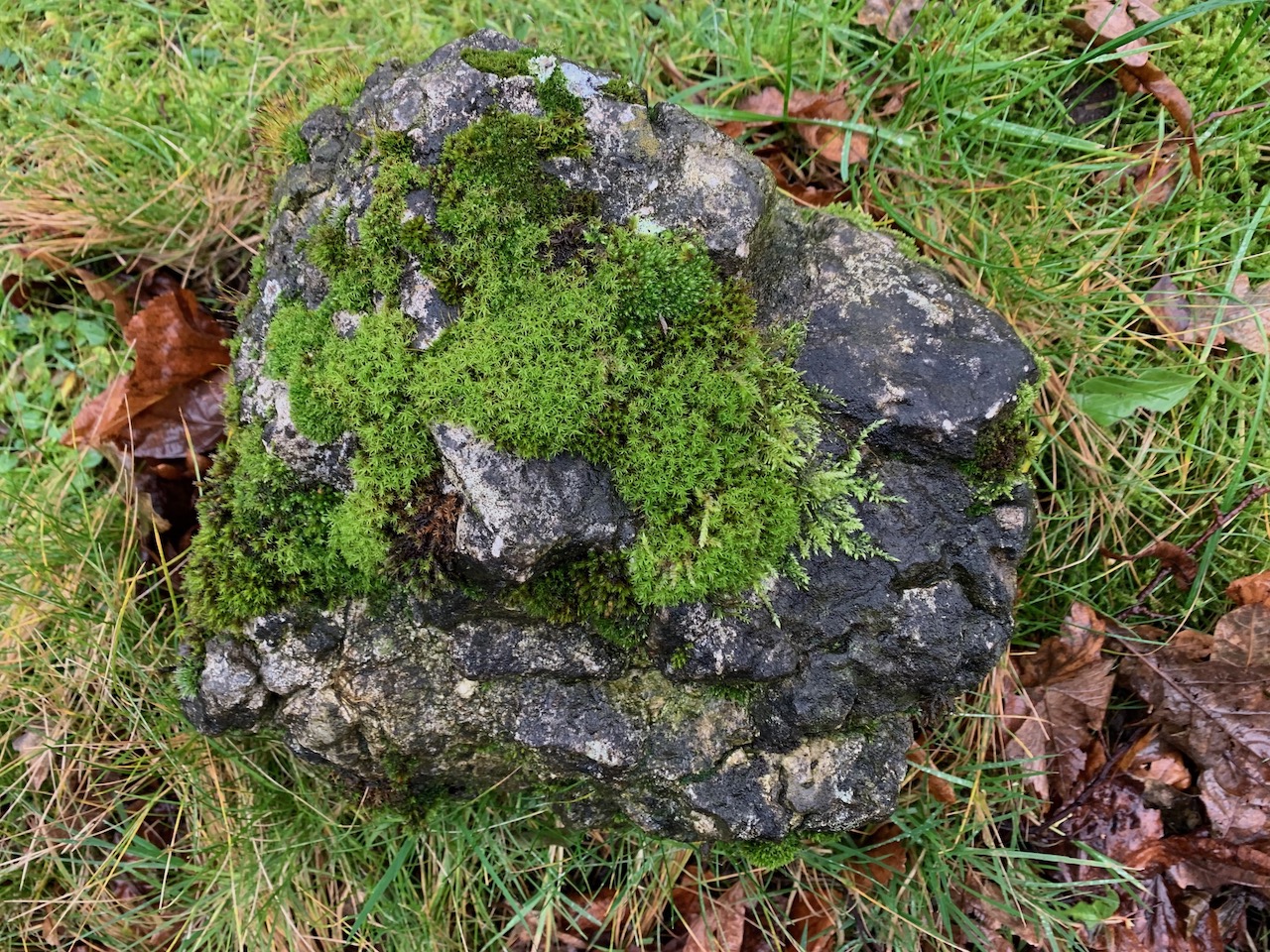
On a stone on the side of Church Avenue was this unidentified acrocarpous moss.
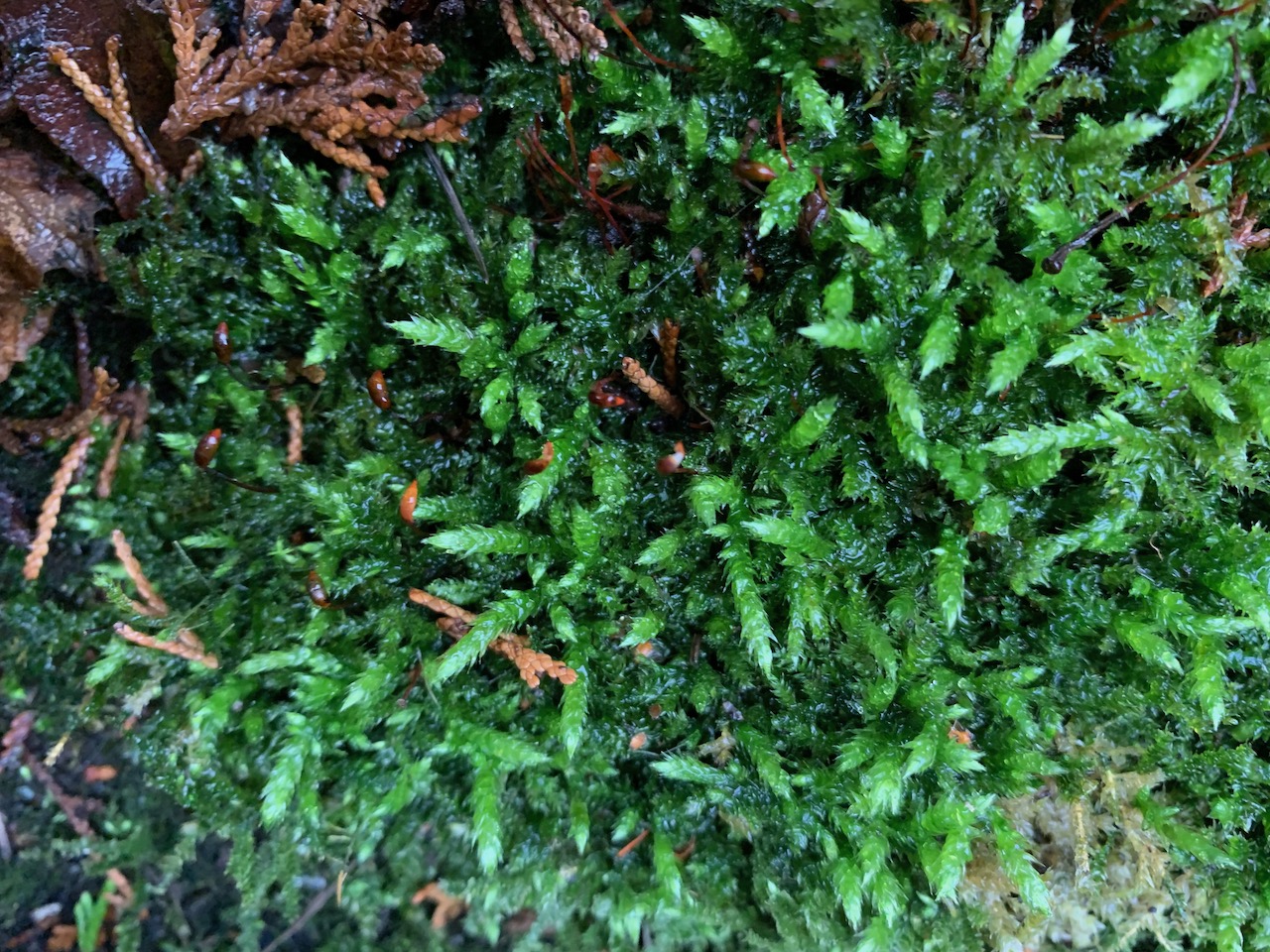
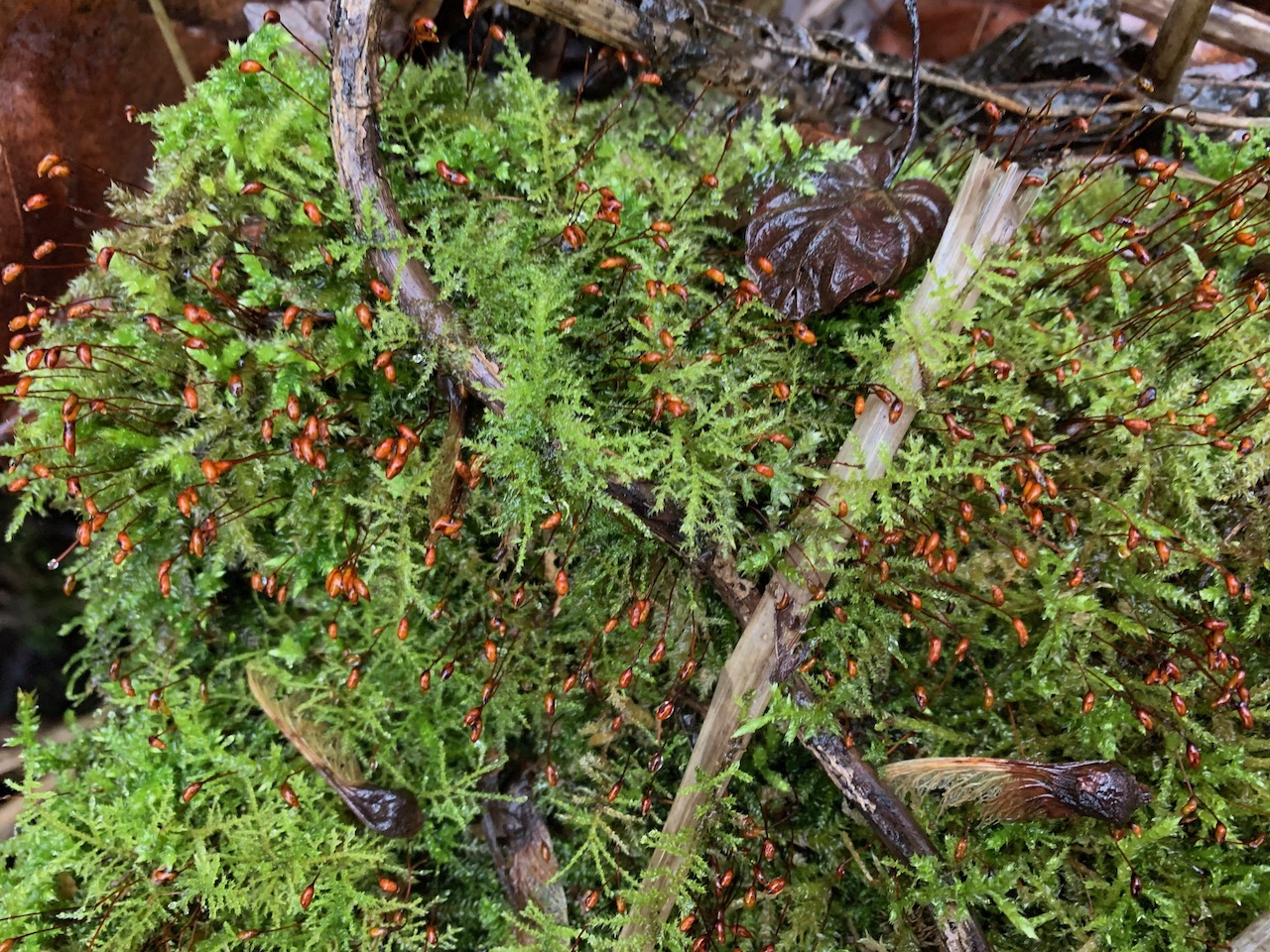
In Church Wood the most abundant moss was Common feather-moss (here with capsules present).
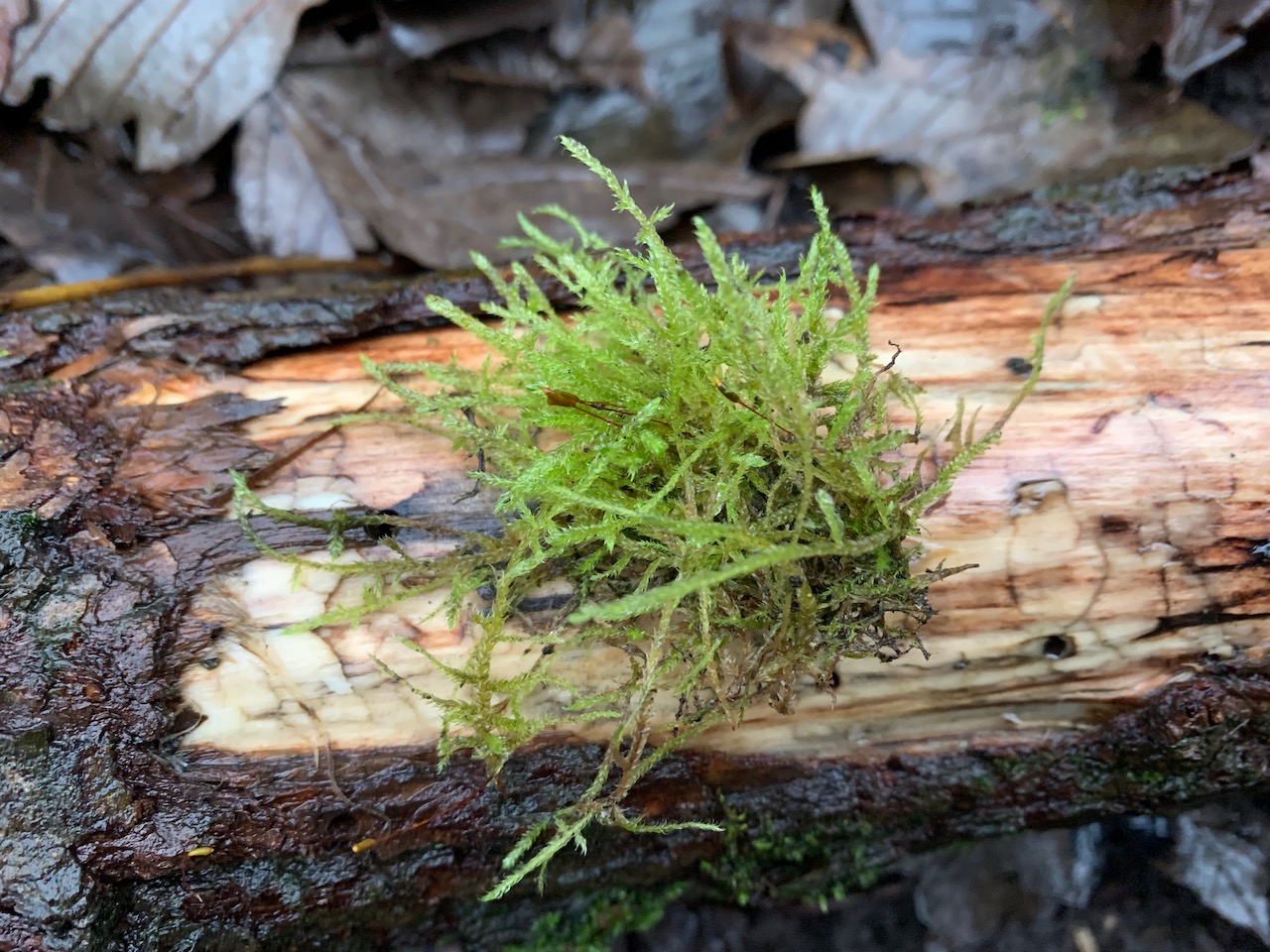
Another unidentified moss was found on the pathway on the fallen branch of a tree.
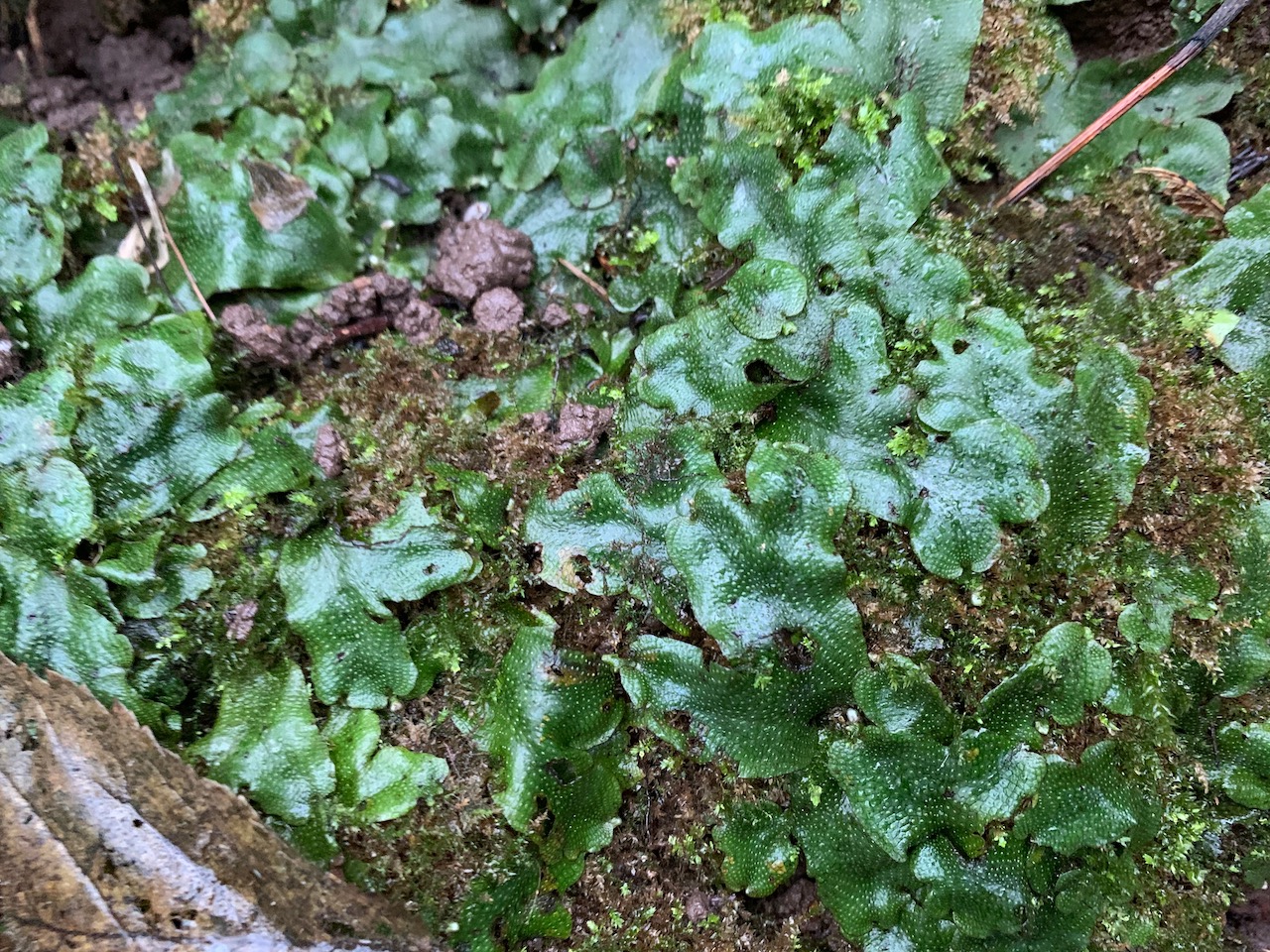
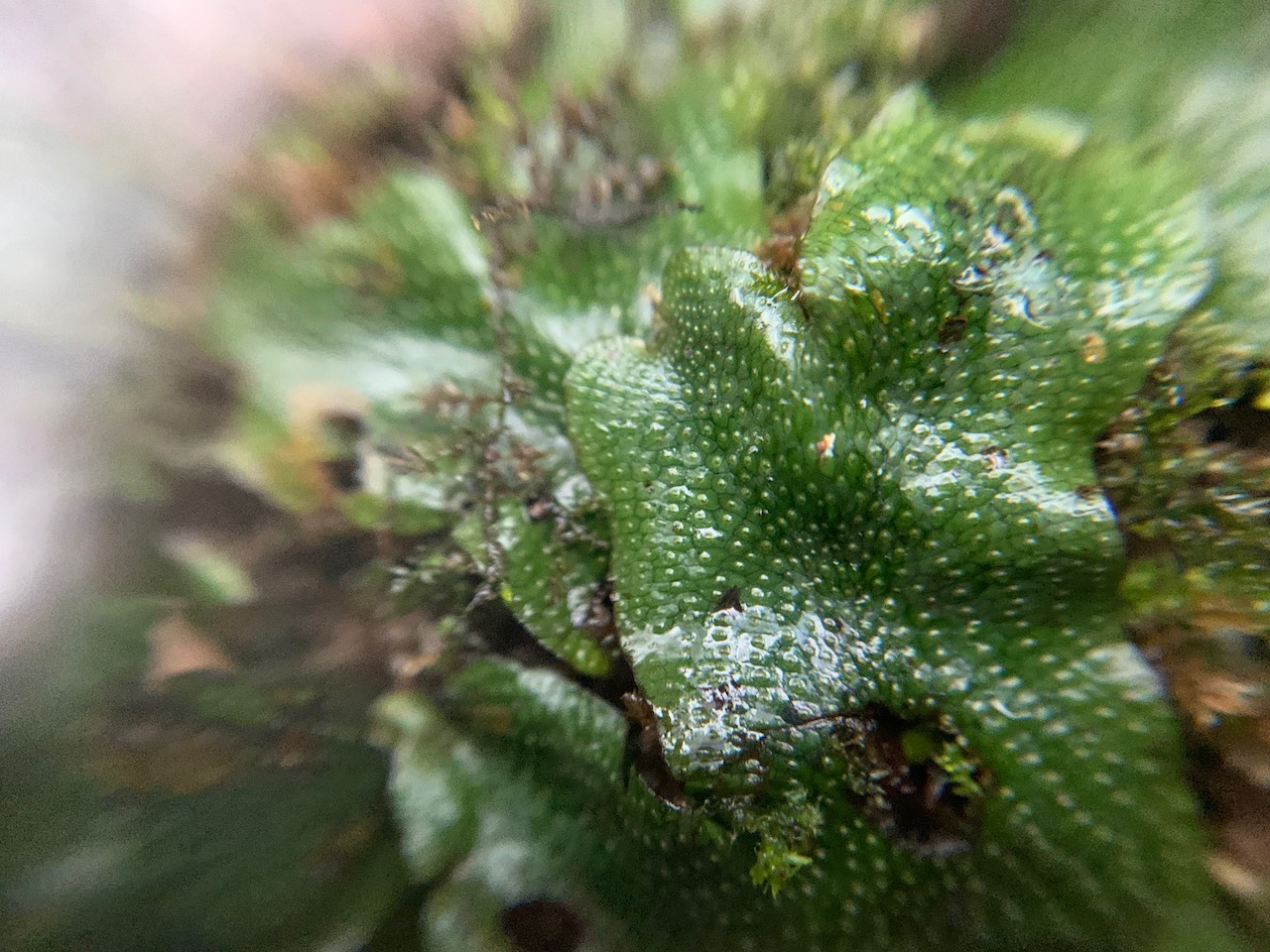
Although I didn’t identify as many different mosses as I had hoped to in Church Wood it was a treat to find Great scented liverwort (Conocephalum conicum) on a damp bank.
So far I have been delighted to discover so many mosses within walking distance of my home in a couple of days. I am planning to continue to explore and record the bryophytes of my local area and on the Manchester Mosslands in the New Year.
My Introduction to Mosses

I can’t claim my interest in mosses has been lifelong. For much of my life they have been part of the background, a homogenous mass known as ‘moss’ that is on my drive, on fences, on walls, on stones, carpets trees and soil in the woodlands, loves the damp sides of brooks, and, as I recently learned, is the keystone species of mosslands.

Only occasionally has an individual stepped forward, hummocky, or glistening, or coating the trees in fairy cloaks to make me cry out, “Look at that moss!” Still, it has remained “that moss”. The world of mosses, their individual identities, has remained one of mystery shrouded by difficult binomial names and minute identifying features, many of which require a microscope, all at least a decent hand lens.

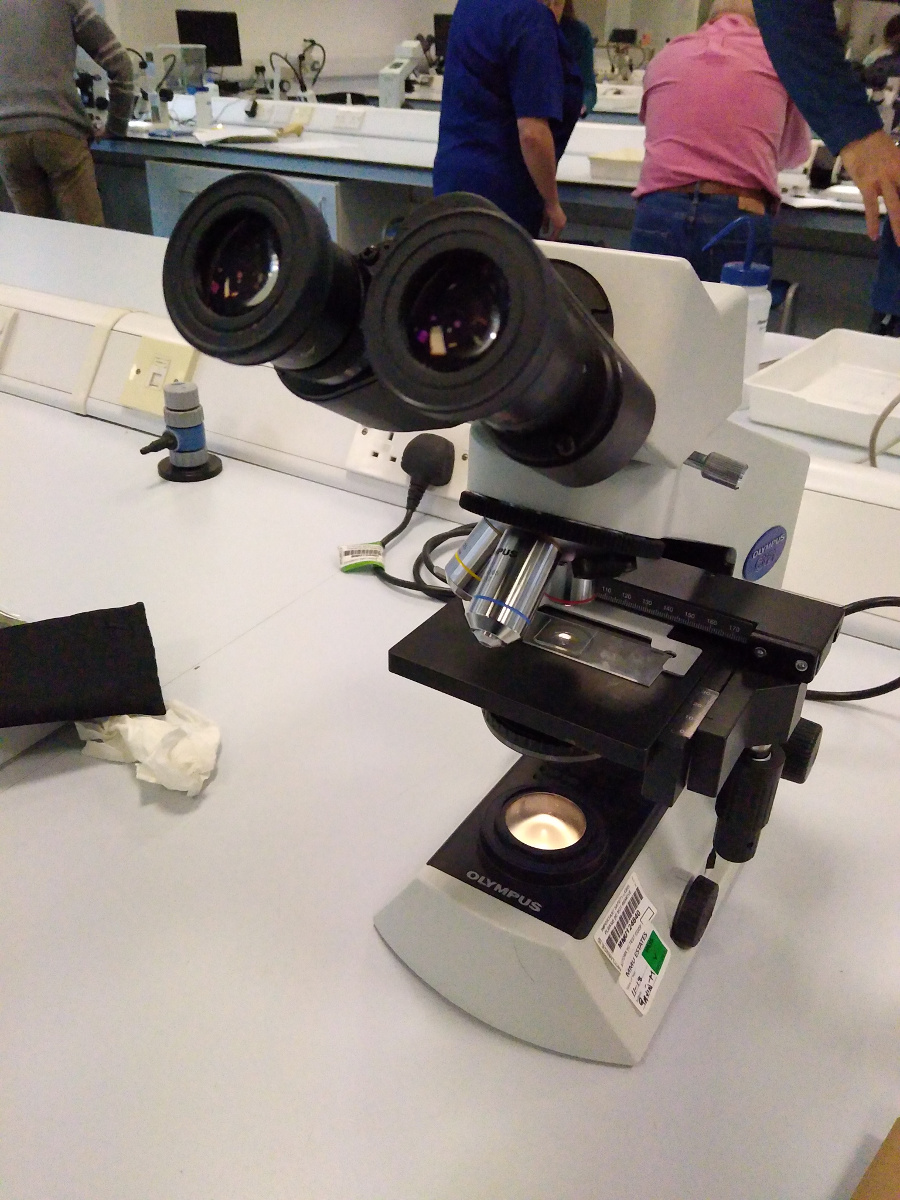
My first introduction to identifying mosses and liverworts was a lab session at Manchester Metropolitan University with the Midland Bryophyte Group (MIDBRYG) in February 2020. There we had an introductory lecture on bryophytes followed by a practical workshop identifying them under the microscope. There I first got to grips with their structures and was helped to work through a key. I ‘met’ some intriguing bryophytes including Bog-moss Flapwort (Odontoschisma sphagni), a liverwort from Borth Bog.

I wanted to continue meeting up with the MIDBRYG group and learning about bryophytes but then covid hit. Lacking confidence I stuck with vascular plants for the next year or so.

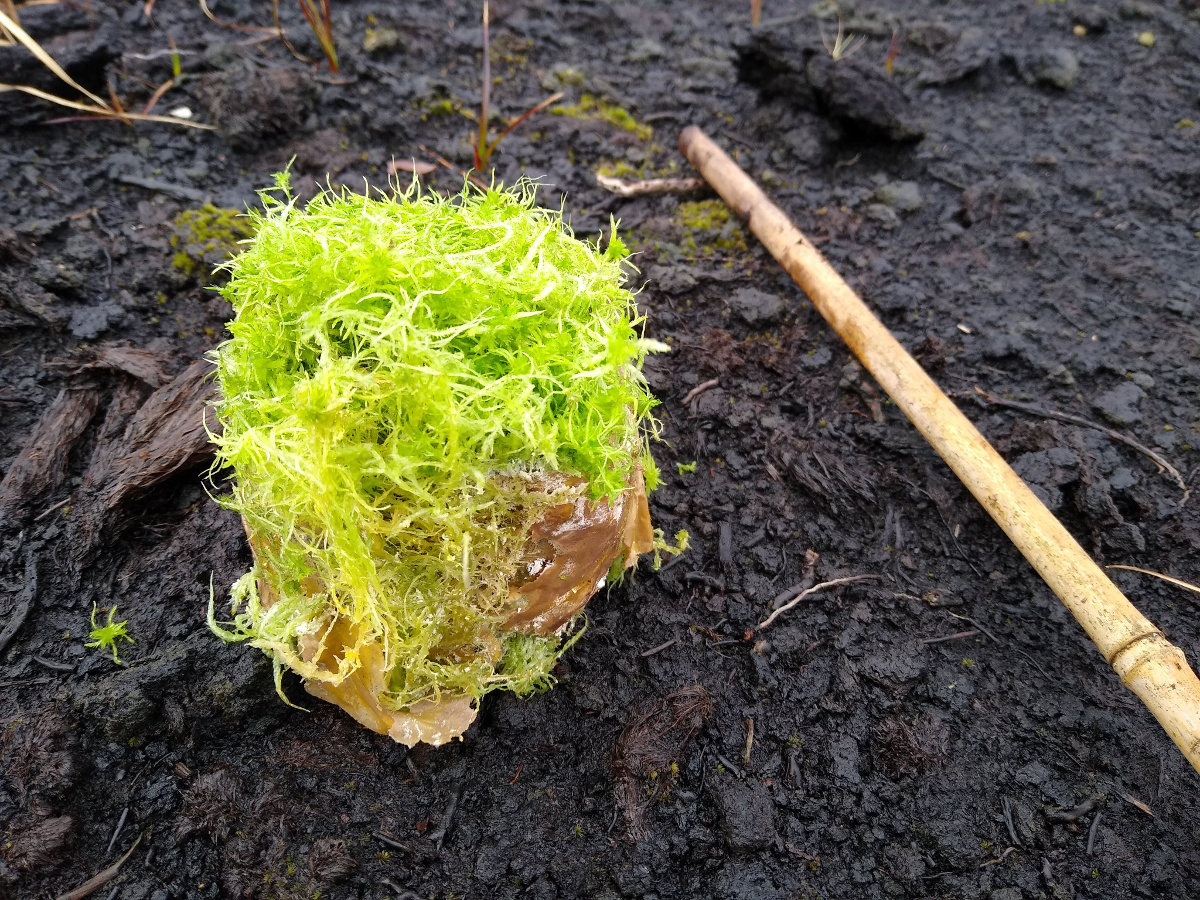
Then, in February 2021, I started temporary work with the Lancashire Wildlife Trust contract team planting on the Manchester Mosslands. For the first time I was introduced to Sphagnum moss by the Beadamoss plugs containing 11 species of Sphagnum.

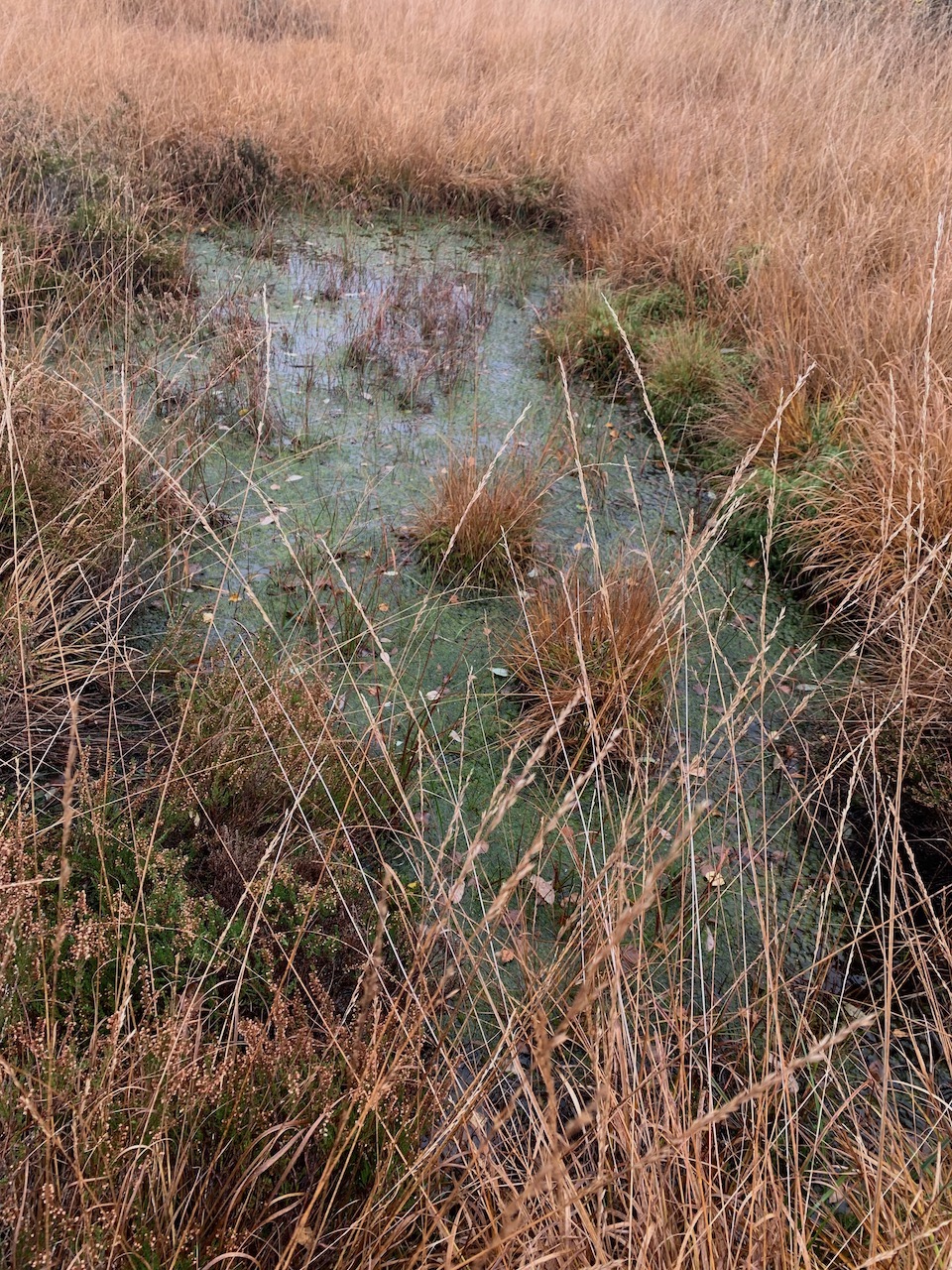
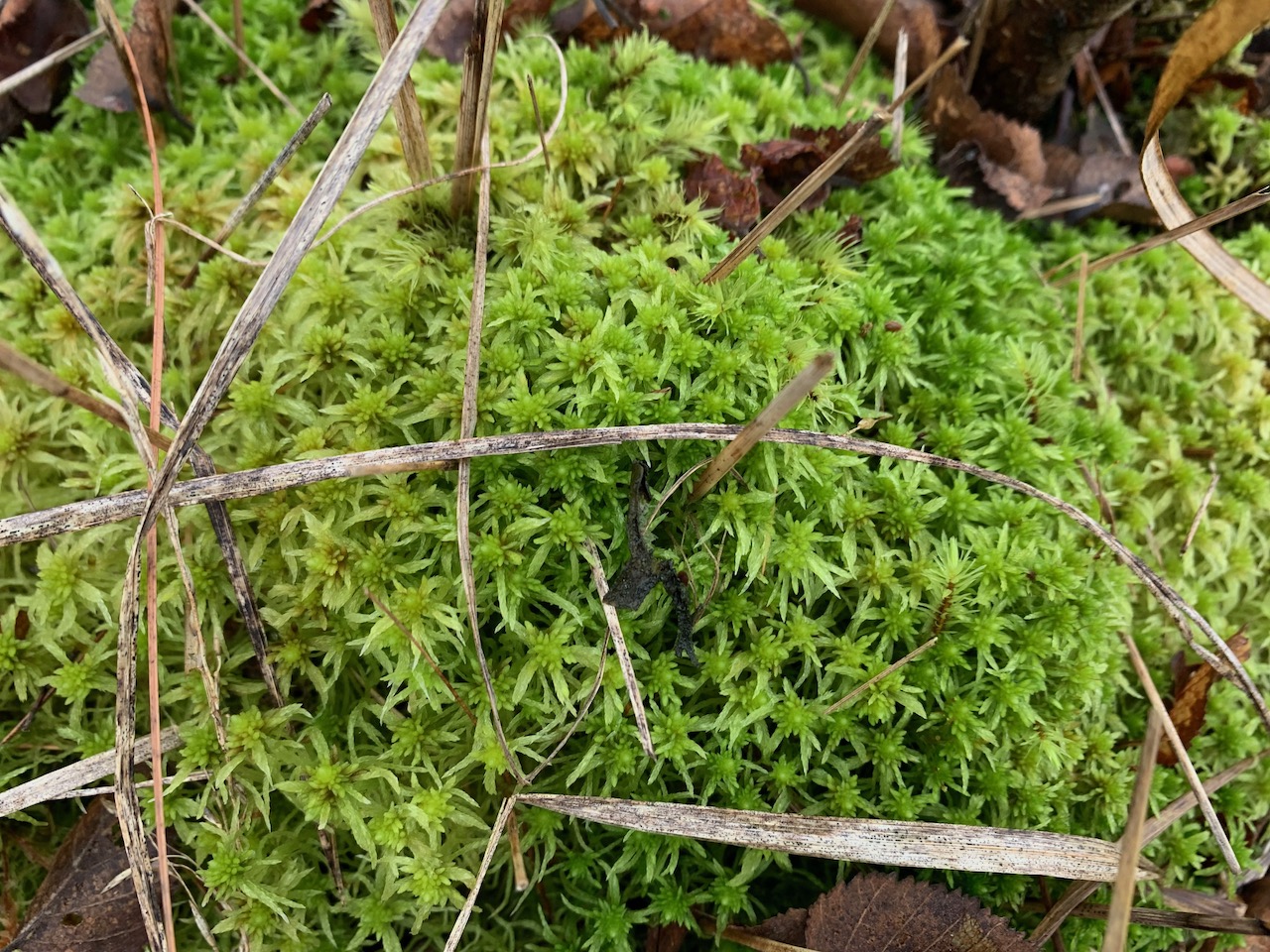
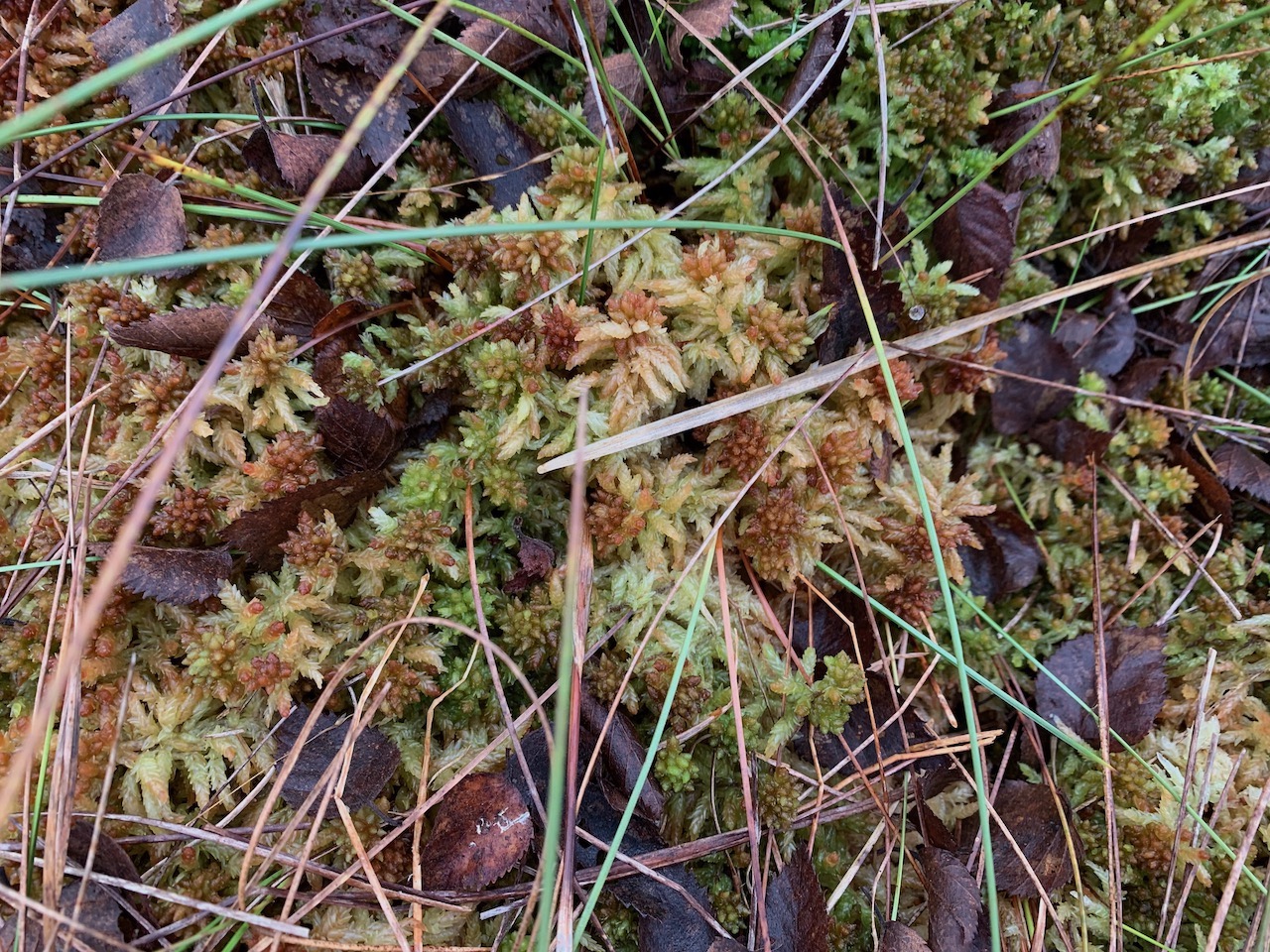
Once again they were just a homogenous mass until I started working on the Manchester Mosslands as a Greater Manchester Wetlands trainee. Slowly I began to learn the names of the Sphagnum mosses on Little Woolden Moss and Astley Moss – Sphagnum cuspidatum in the bog pools, the green, slightly weedy Sphagnum fimbriatum, the big, chunky hummock-forming species Sphagnum palustre and Sphagnum papillosum.

I began to understand the Sphagnum mosses and the differences between them on a deeper level when I did some training in Sphagnum identification with a microscope with Anna Keightley in October. Anna is a post-doctoral research associate at Manchester Metropolitan University and volunteers on the mosslands with the Sphagnum Squad. I first met her at the MIDBRYG lab session and the work she has done on the mosses and her publications* have been a huge inspiration since I started my job.

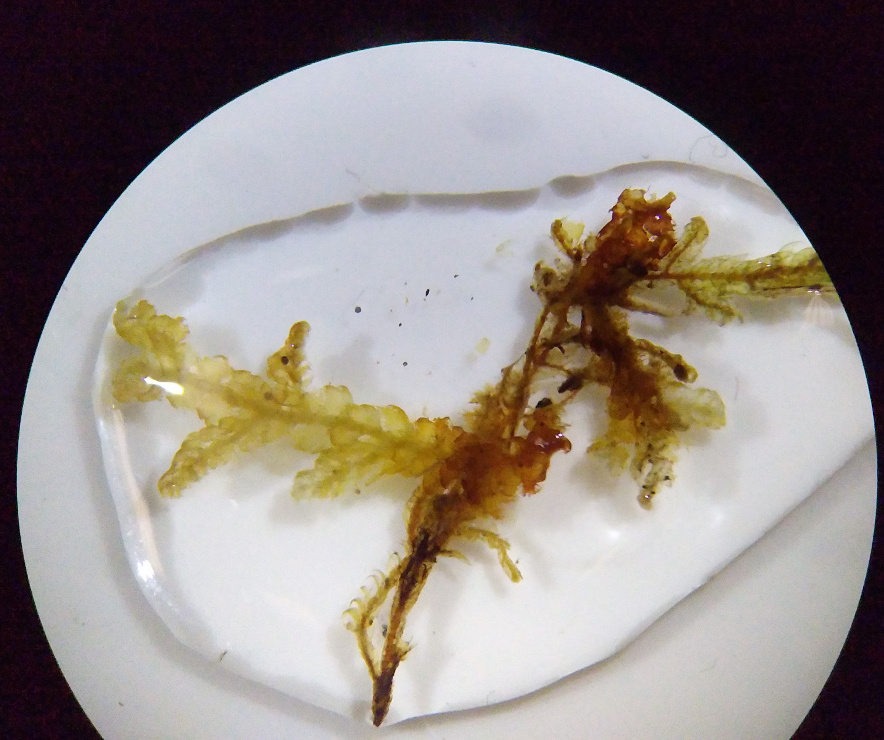
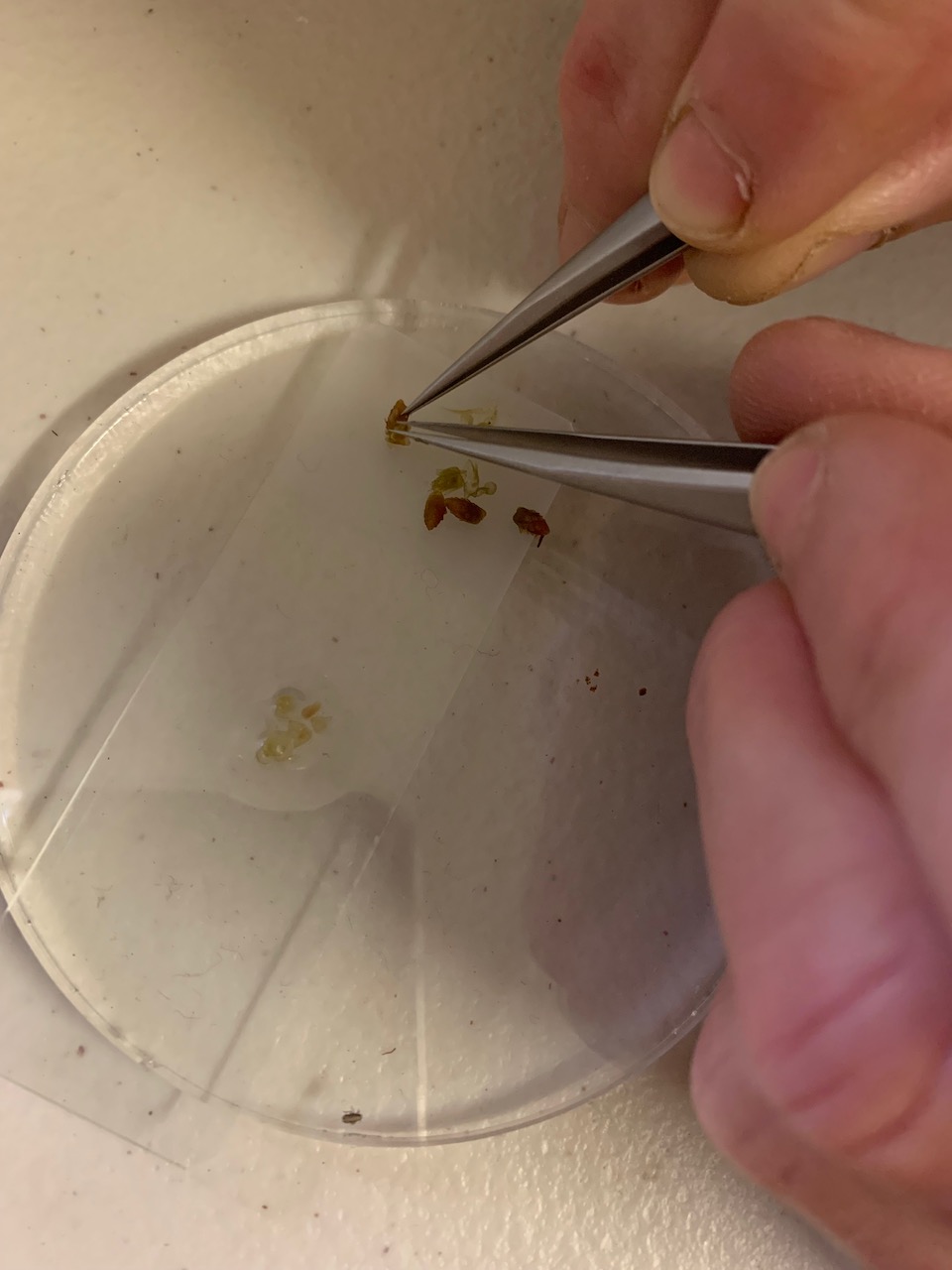
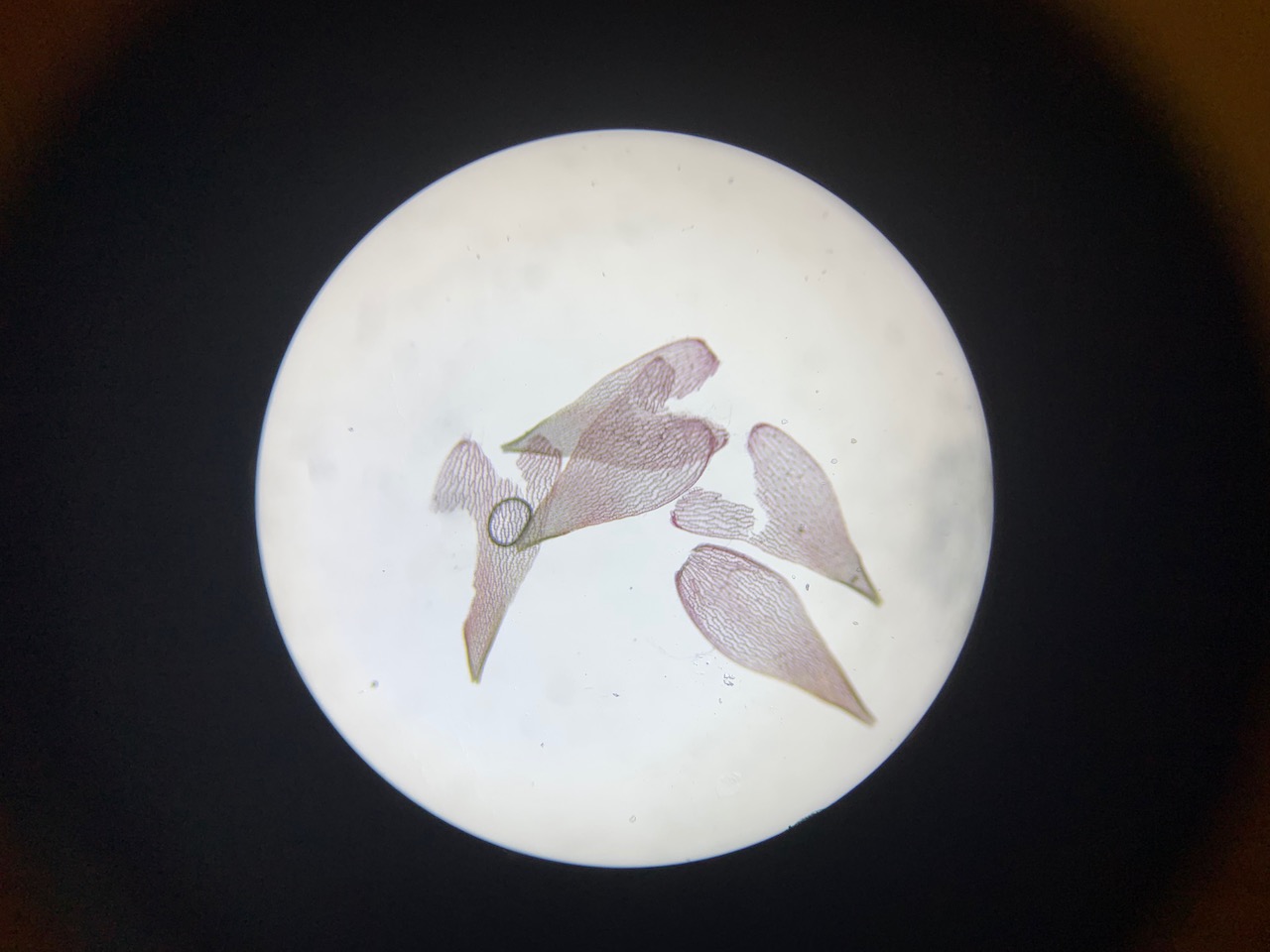
Anna taught me how to remove a few leaves from a Sphagnum plant and how to make a slide.

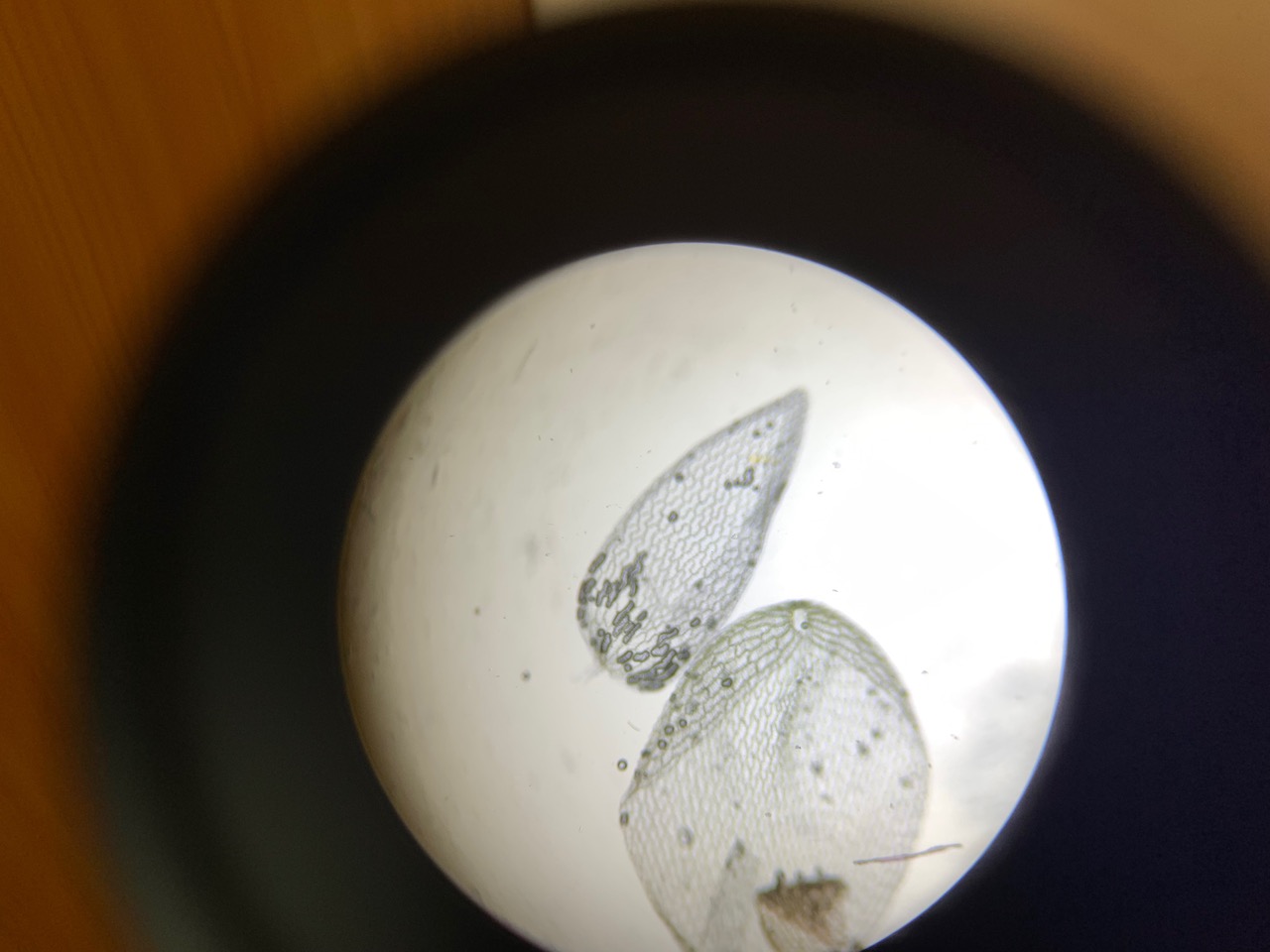
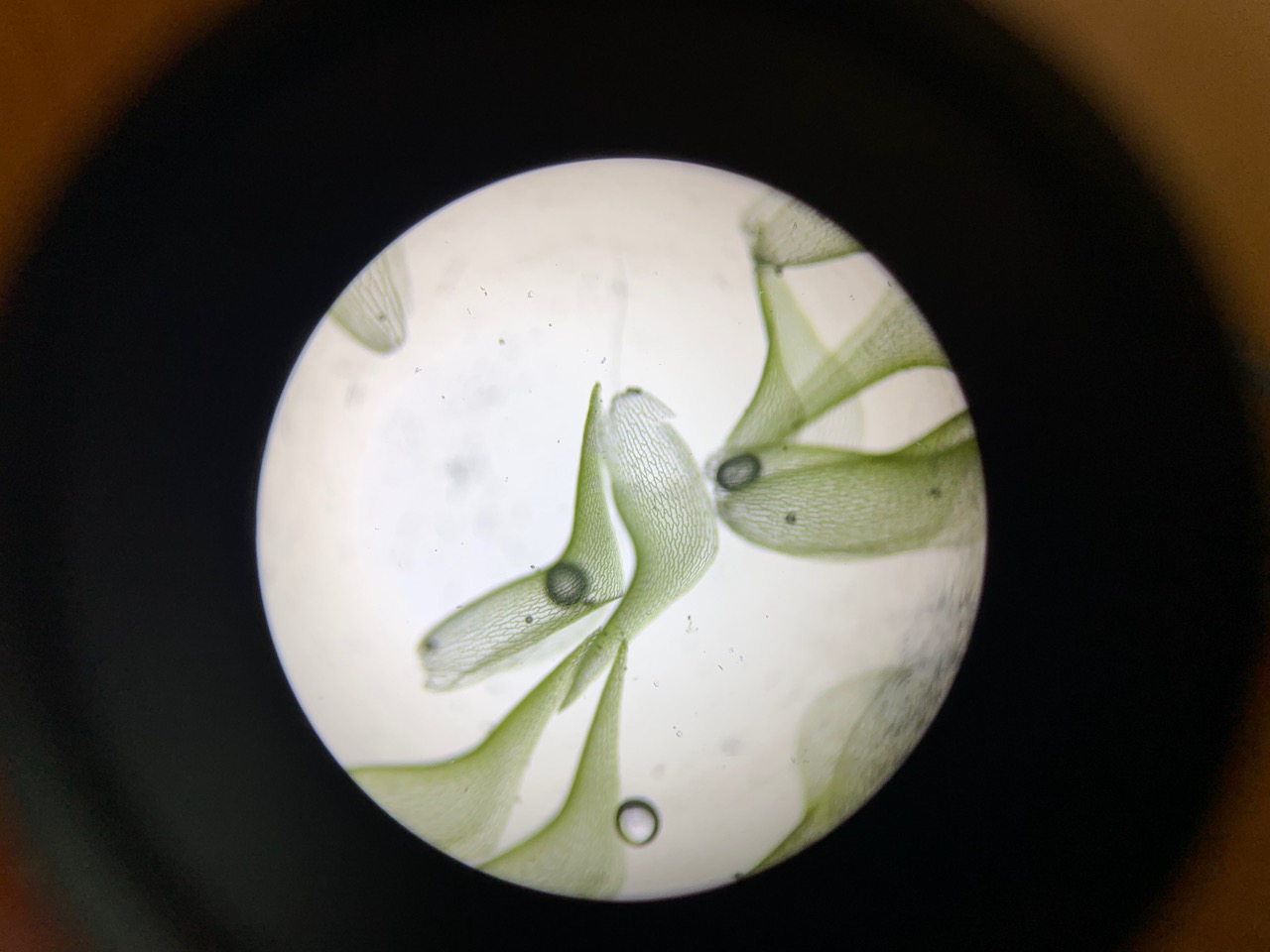
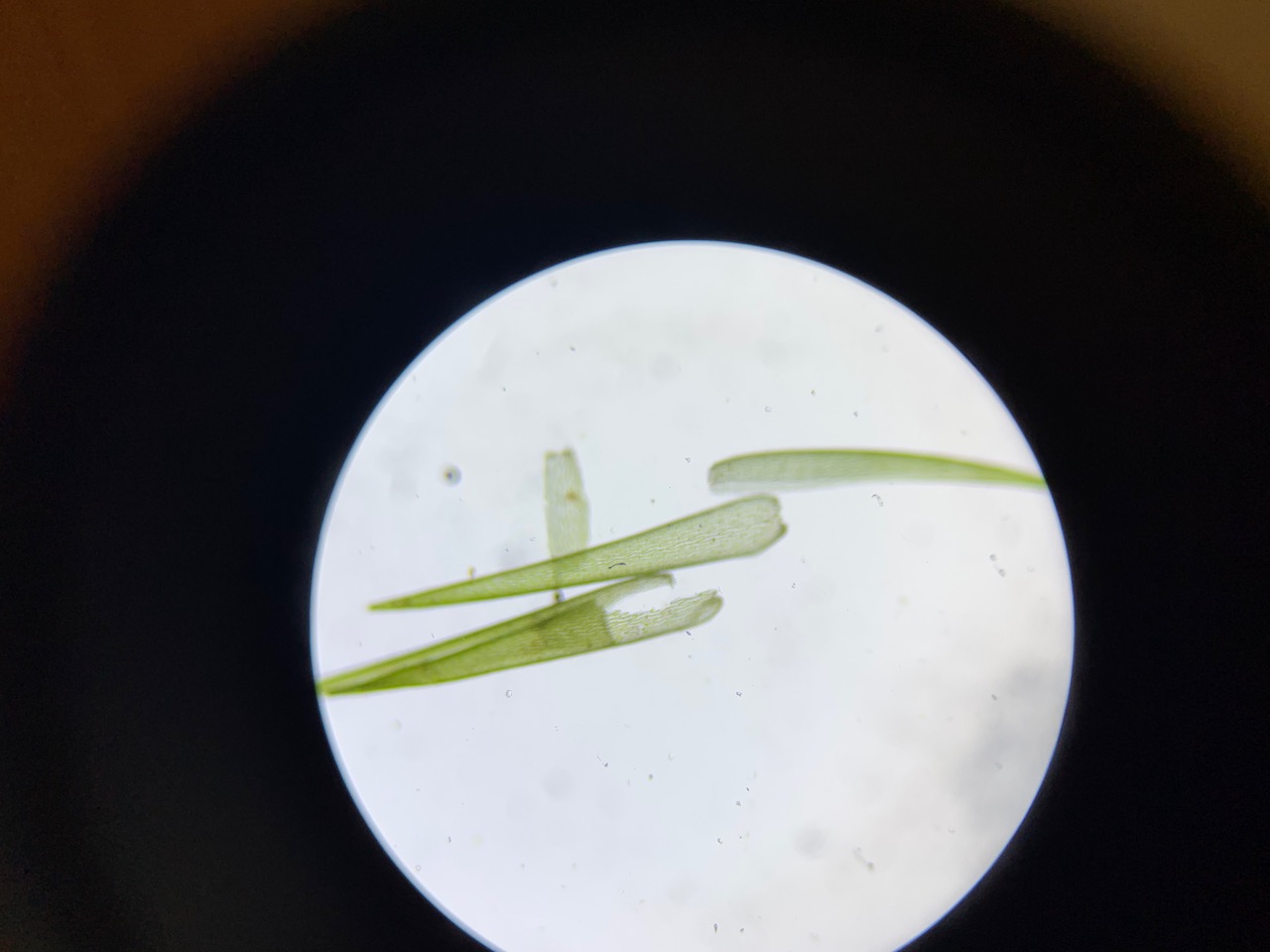
I learnt to differentiate between the large, hooded leaves of the chunkier species from Section Sphagnum (such as Sphagnum papillosum), the bent-at-a-90-degree angle leaves of the only Sphagnum in Section Squarrosa – Sphagnum squarrosum, the long, thin leaves of Section Cuspidata (such as Sphagnum cuspidatum) and the small, cute leaves of Section Acutifolia (such as Sphagnum capillifolium).

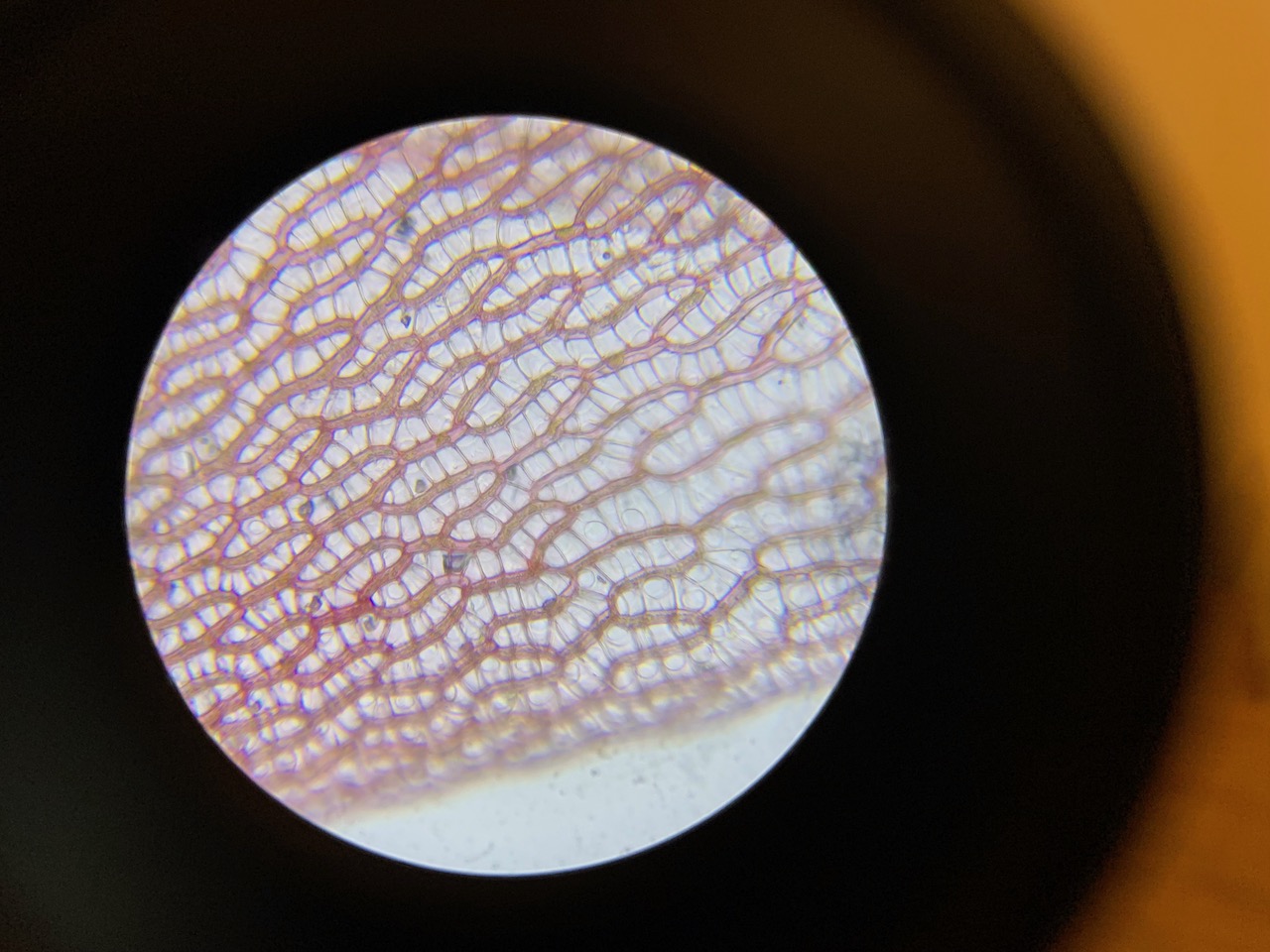
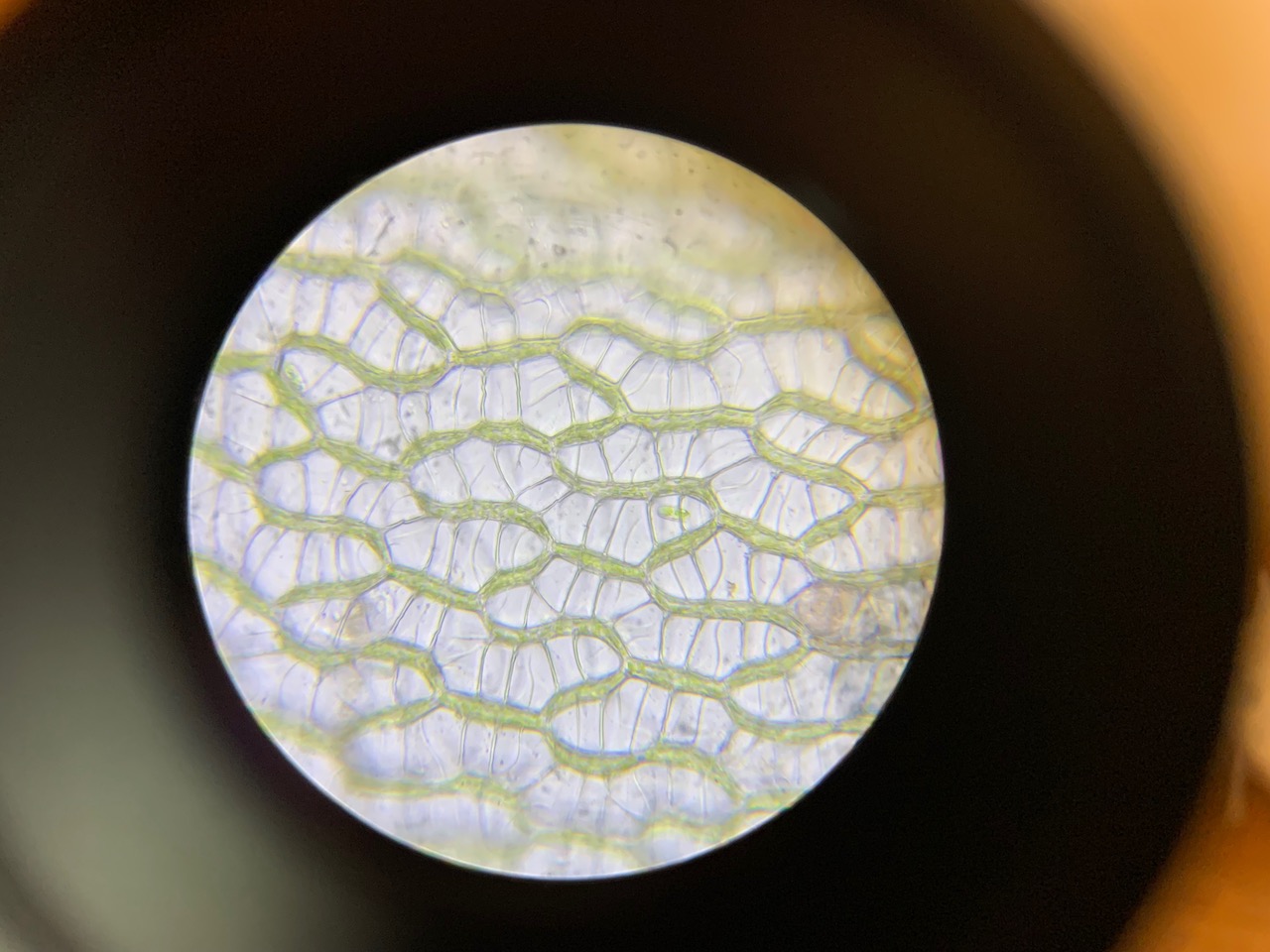
I also got to view the unique cell structure of Sphagnum, which has not only chlorophyllose cells containing chloroplasts for photosynthesis, but large empty hyaline cells, which allow it to absorb up to twenty times its body weight in water (thus maintaining the waterlogged conditions of a mossland).

Getting to grips with the Sphagnum mosses has inspired me to start learning about more of the 763 mosses in Britain, many of whom are on my doorstep, for the next post…

*Anna’s PhD thesis ‘Micropropagated Sphagnum introduction to a degraded lowland bog: photosynthesis, growth and carbon fluxes’ can be read HERE. The introduction she wrote to growing peatland plants whilst on placement with LWT inspired me to make this subject the focus of my personal project as a trainee.

On Learning Mosses

If I could learn
every species of moss
In Britain I would know 763 names.

A bardic task and a half and did those old bards
know the distinct differences between
the acrocarps and pleurocarps,

let alone the Andreales, the Bryales,
the Dicranales, the Grimmiales, the Hypnales,
the Orthotricales and Polytrichales?

We will never know how they named
the mosses and how they remembered them

but might imagine that they asked bardic questions

like “name the three pocket mosses in my pocket”:

Fissidens viridulus ‘Green pocket-moss’
Fissidens pusillus ‘Petty pocket-moss’
Fissidens bryoides ‘Lesser pocket-moss’

and “name the three beard mosses that grow in my beard”:

Bryoerythrophyllum recurvirostrum ‘Red beard-moss’
Bryoerythrophyllum ferruginascens ‘Rufous beard-moss’
Pseudocrossidium revolutum ‘Revolute beard-moss’

and “name three mosses that have swan’s necks”:

Campylopus flexuosus ‘Rusty swan-neck moss’
Campylopus fragilis ‘Brittle swan-neck moss’
Campylopus setifolius ‘Silky swan-neck moss’

and “name three mosses that look like feathers”:

Kindbergia praelonga ‘Common feather-moss’
Bracythecium rutabulum ‘Rough-stalked feather-moss’
Brathythecium velutinum ‘Velvet feather-moss’.

Of course we know they did not use binomial names,

that the coming of the Romans was the death of the druids
if not of the bards, who lived on to learn Latin, Greek,
survived the Anglo-Saxons to learn the meaning
of grimm, if not of Johann Friedrich Carl Grimm and Grimmia:

Grimmia laevigata
‘Hoary grimmia’
Grimmia pulvinata ‘Grey-cushioned grimmia’
Grimmia decipiens ‘Great grimmia’.

Somewhere between these names

the magic is coming back – I can feel it
whenever a word and a moss I have found connect.
My field guide is like some archaic text.

‘Pleurocarps with straight, nerved leaves

Rhychonstegiella, Rhychostegium,
Brachythecium, Eurynchium, Homalothecium

Pleurocarps with curved, nerved leaves

Scorpidium, Craetoneuron filicinum

charming me like some ancient spell,
leading me onward on my quest.

My Green Chapel

I watch through the window
of the only house on this street not lit 
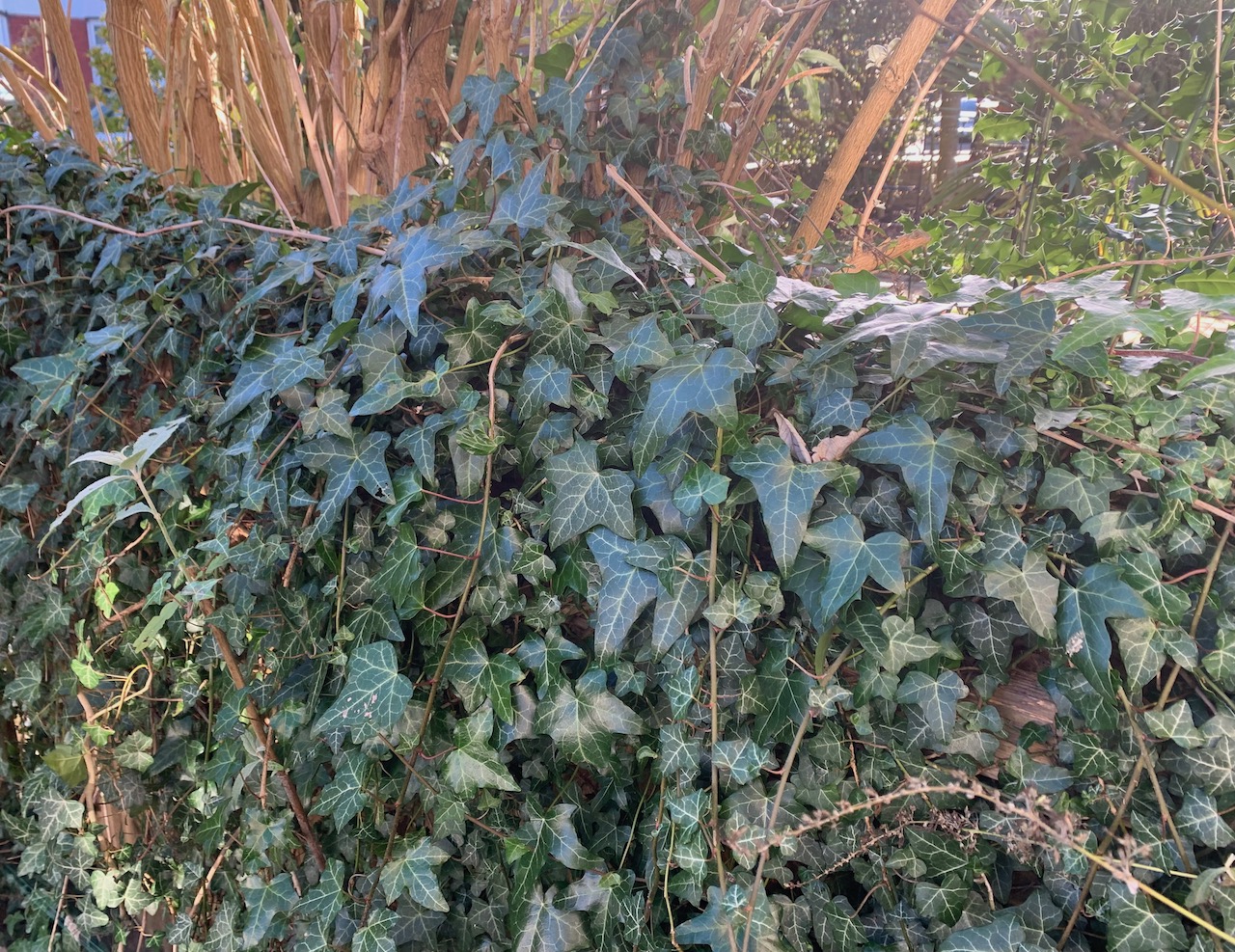
by party lights, the only one where ivy grows,
the one that seems shrouded by darkness and by sorcery.

The steady sound of hoofbeats has been coming to the North
since before the beginning of time, the beginning of myth,
the court of Arthur, and still he comes, the one we call Gawain.

He does not expect a woman this time crowned in holly and ivy.

He cowers away from the blood-red berries of my eyes 
and averts his gaze from the scars on my arms, 
imagining some distant rite of passage
even I can no longer remember.

I have been sharpening my axe
for a long, long time, waiting for the day
my Lord will no longer have the time to play this game.

I commend his courage, speak of the mathematical percentages
of the people who would take the Green Knight’s challenge,
those who would return to meet their fate.

“You’re the only one,” I laugh aloud.

His eyes are big as portals to the Otherworld. 

One day I will step through them and he will follow.

But not today because the blade of my axe just nicks
his neck, a small cut, which will leave a scar beside the others.

I straighten up with a blood-red stare and send him on his way
because my Lord and I have no more time for games.

Sunless Solstice

I.
It’s a sunless solstice
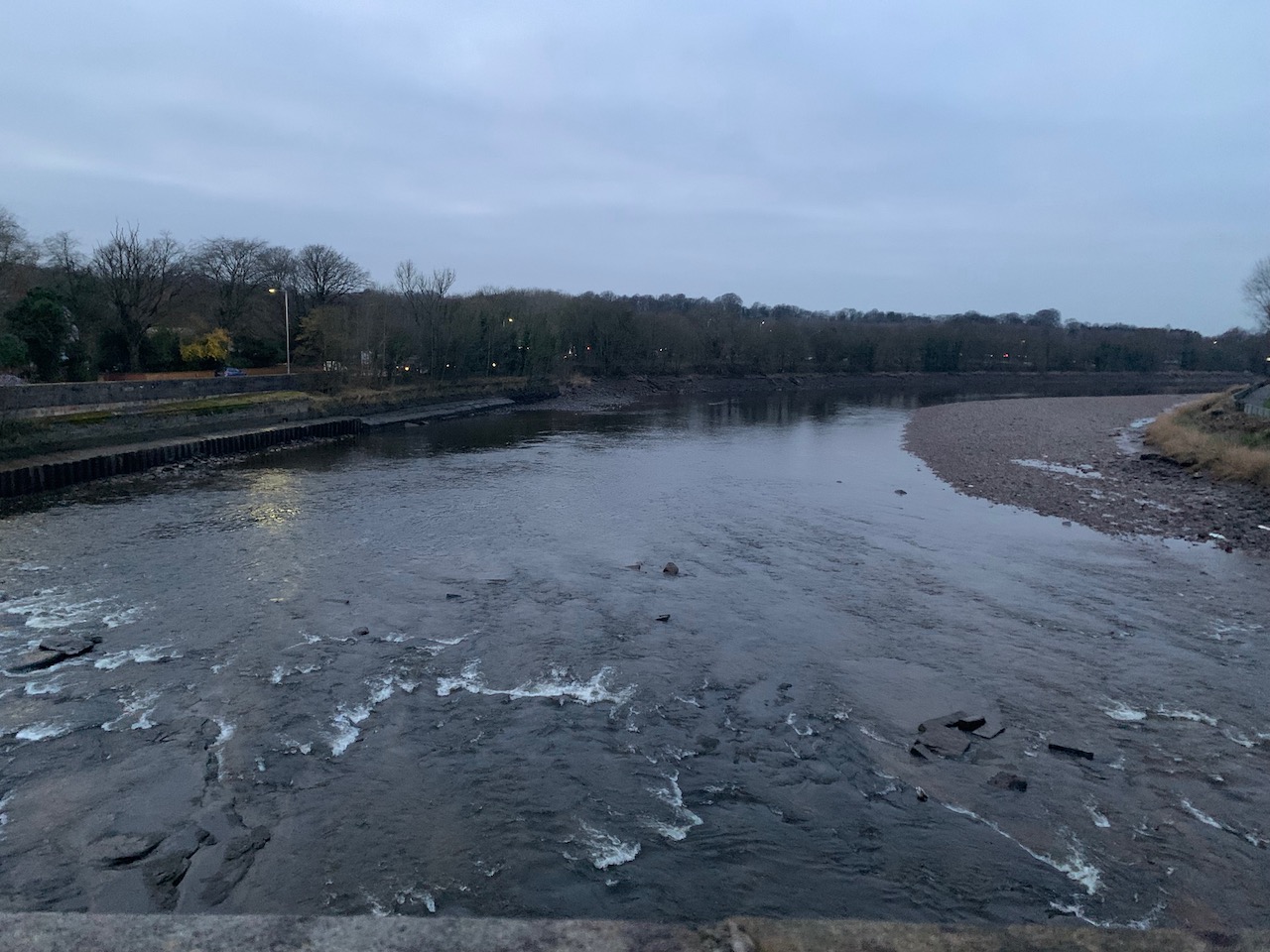
on my bridge over the Ribble
but yet the river flows

as if she has done so
since the beginning of time

in spite of the stopping and 
starting of the ice floes.

II.
I remember how once-upon-a-time
I held the sun in my hand
like the monster with the monstrous

CLAW

and wonder if I am the monster from
beneath the bridge who stole
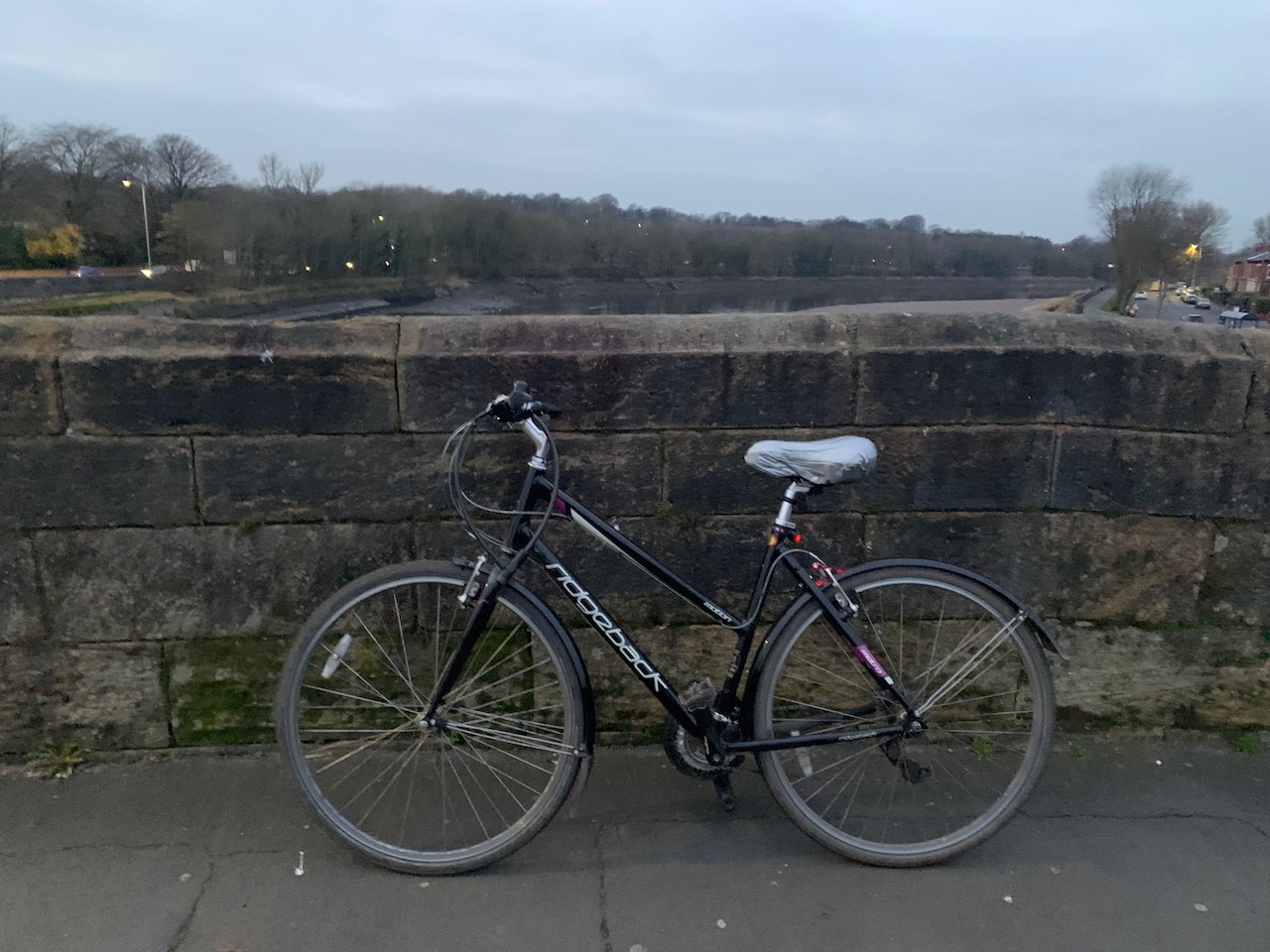
the girl whose bike lights shine above.

III.
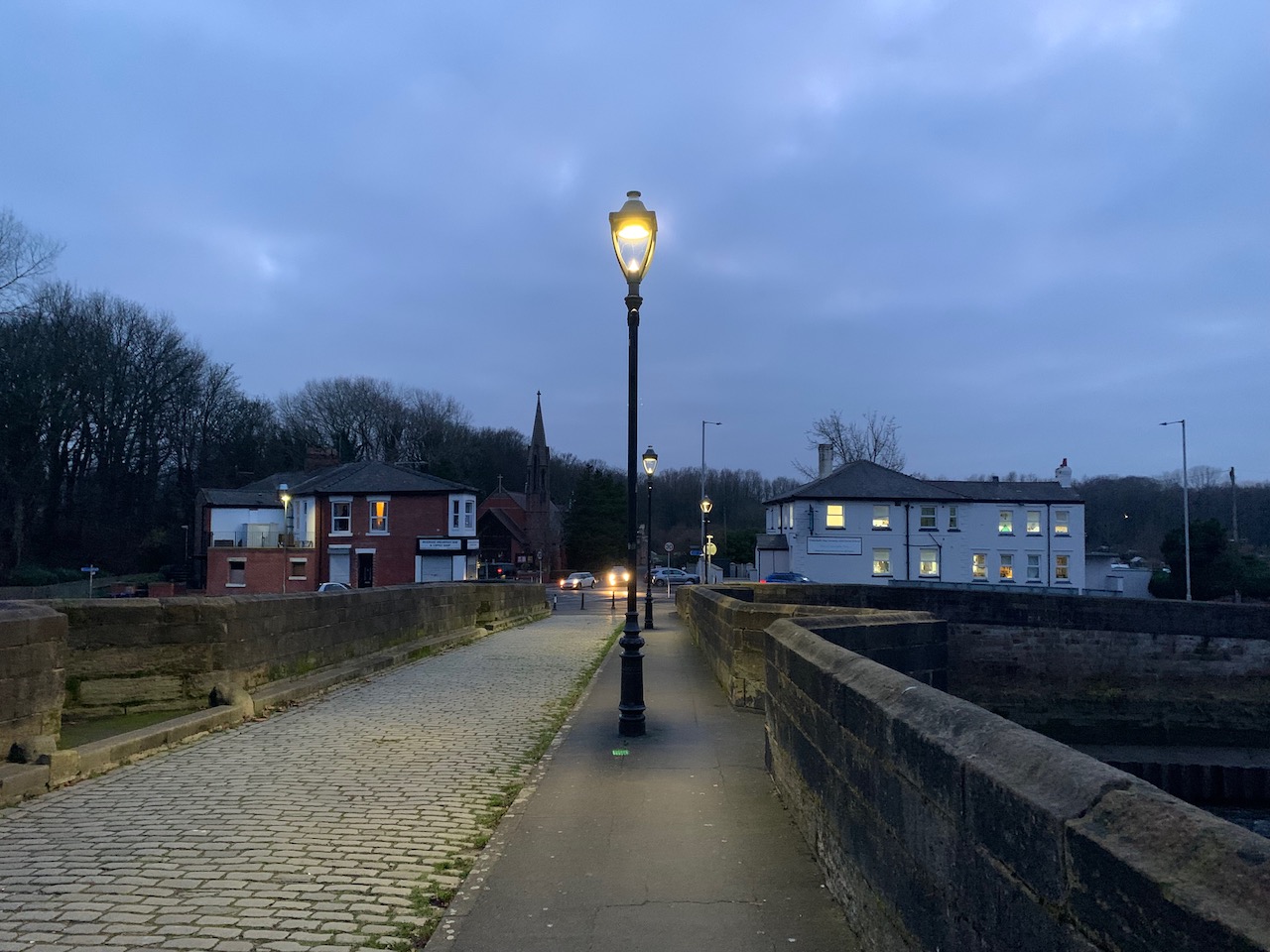
As the streetlights light up one-by-one

I ask Belisama – Great Goddess of the Ribble,
Old One, Shining One, Mighty One,

how many suns and how many stars,
how many daughters have swum
down your river to the GREAT BEYOND?

Will they ever be returned like Peter Pan

and the Lost Boys from Never Never Land,
like Pryderi, like Mabon, like the unnamed girls

whose names never reached the tongue-tip of song?

IV.
A sunless solstice, bike lights shine bright,
past Tinkerbell’s Nursery
I cycle on.

Autism and Living in the Fog

I was diagnosed with Autism Spectrum Disorder Level One* on the 28th of September. 

The day before Gwyn’s Feast. “Happy Autism Day,” he said, “welcome to my people.”

Still, I didn’t feel much like celebrating. I’d hoped that a diagnosis would bring clarity. However, being told that I have a lifelong neuro-developmental disorder or disability cast me into a fog of wondering how much my autism had played a role in my difficulties with social relationships and to hold a stable career in the past and how it was going to affect my future. 

I’ve been a trainee with the Lancashire Wildlife Trust on the Manchester Mosslands since April. It’s been a great job, on great sites, with great people.  Yet my enjoyment of the practical work of growing, planting, translocating, clearing scrub, building dead hedges, of the remarkable opportunity to restore the last remnants of our mosslands to their boggy glory has been overshadowed, fogged, by my anxiety about what people think of me, whether I’m doing well enough, measuring up, whether I will be able to progress to the next position up in this competitive job industry.

I’ve felt like I’ve been on trial and in some ways I have and in some I have not. I know my colleagues would rather I enjoyed my traineeship than see it that way. Still, I’ve had to meet my short term objectives and training targets. When it comes to progress I will have to meet the next person specification.

Good news is that a meeting with my line manager and project manager recently revealed in just six months, in spite of being autistic, I am nearly there. 

Job-wise I’m good. Still, I’ve spent a lot of time dwelling on how my autism and the anxiety that stems from being an autistic person in a neurotypical world, finding it hard to read people and projecting negative opinions of myself, has skewed my perceptions of others and affected my relationships.

Few of us are psychic, but being autistic leaves me less able to judge what others think and feel unless I am directly told. Living with uncertainty is tough but, I’m learning, is better than living with the false certainty everyone hates me.

One of the upsides of living in the fog is the moments it parts like when a friend and I were lost on Cadair Idris and, after a man and his dog approached, the mists shifted and we found ourselves looking down on Llyn Cau. Being able to see and speak the uncomfortable truths that others avoid or ignore.

At least I know I’m living in the fog and, as a devotee of Gwyn ap Nudd, ‘White son of Mist,’ can know and embrace it as my patron god and as a friend.

“Welcome to my people,” he says and I see the faces of all the others down the centuries who have been able to swing an axe or a mattock or push a wheelbarrow, to write poetry under the trees, to walk light-footed as a will-o-wisp across a peat-bog but could not endure one day of electric light in the office.

“Welcome to my people,” he says, “to doubt, uncertainty, anxiety, and truth.”

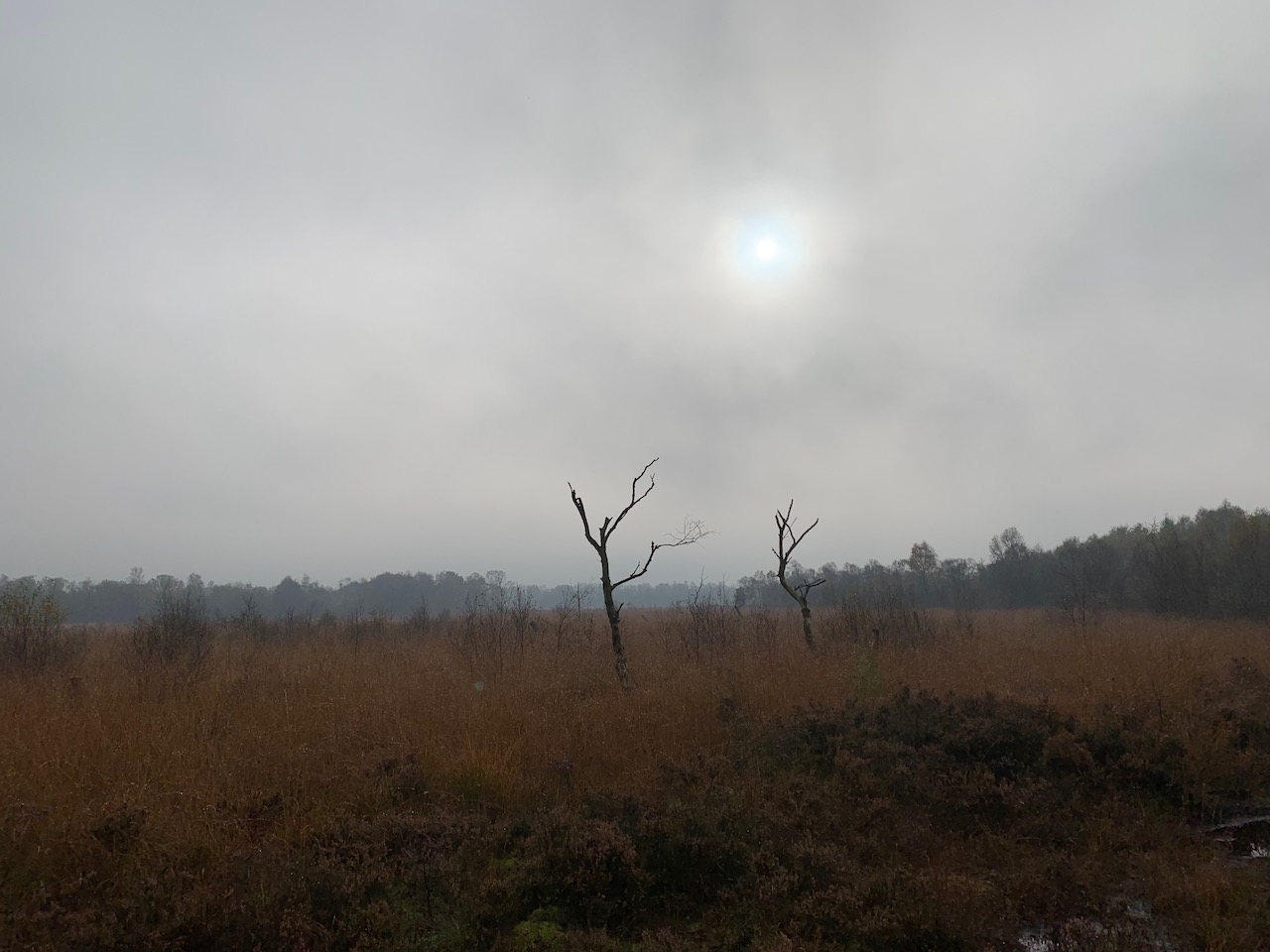
In the fog, in the unknowing, I walk along the bunds that will bring the peat-bogs back then disappear into the moss as it swallows its surroundings.

It’s cold here and it’s November, but at least I know I’m living in the fog.

*This is the current term for what was formerly known as Asperger’s Syndrome.

For the Dead, for the Mad, for the Poets

for the torn apart all the parts of our bodies will ride tonight,
crawl up from the bogs onto our swampy horses,

not the bog bodies who were found,
but those who were not found.

*

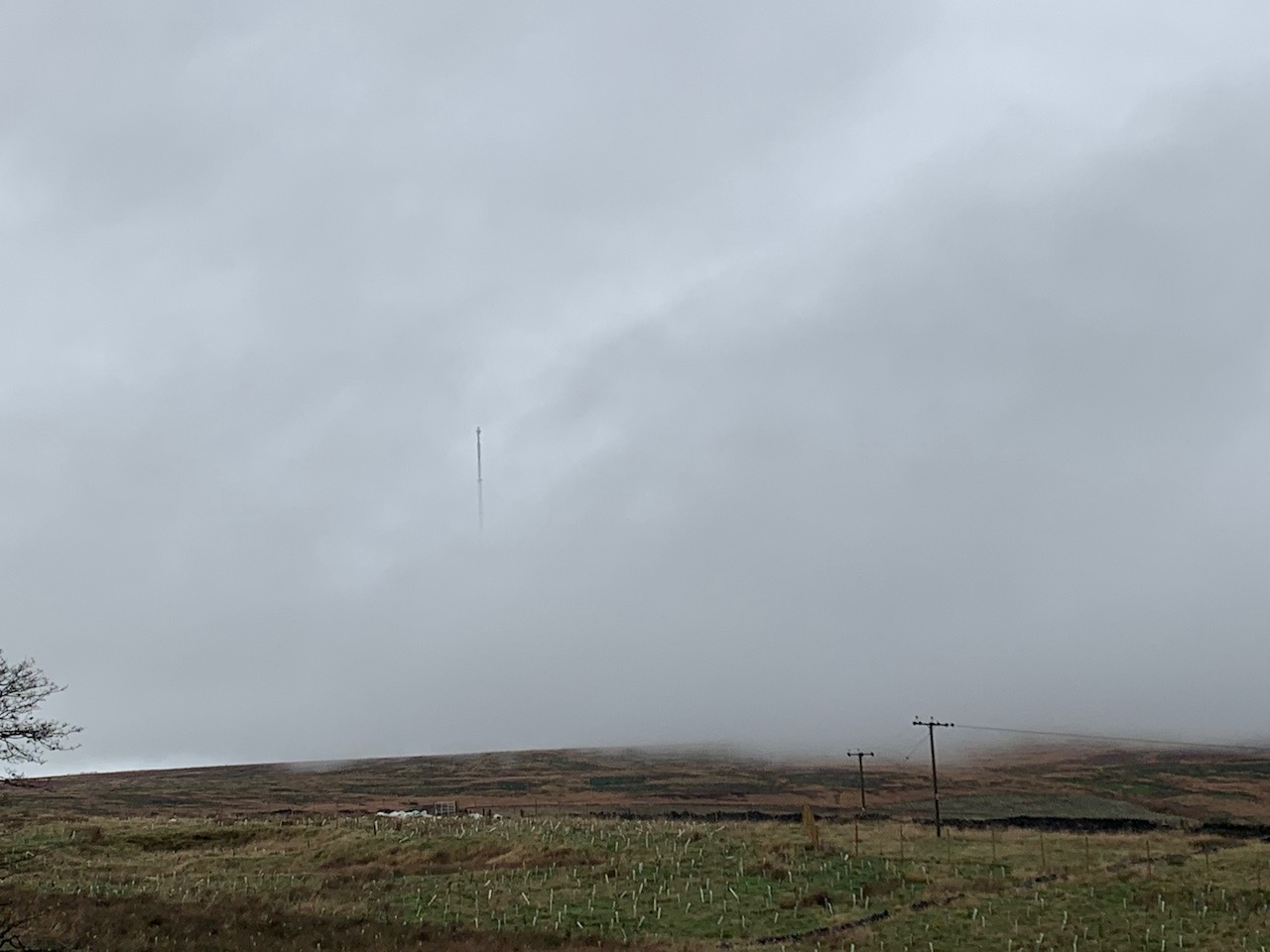
You summon back our voices like the mast on Winter Hill.

You make us appear again like television. Your hunt
would make a good film but most times myth
is better told in softly spoken words
and half-seen visions.

Radio broken. 
Someone smashed the television.

*

You are always off screen.
You are the one who is not named.
You are the one whose face is the face of a god.

The howls of the wind are the chorus of your hounds,

your words are furies and each has a hand, 
clutching, pulling, ripping, tearing.

*

You are the god of illusion
and the rending apart of all illusions.

The one who tears our false truths to shreds.

The jostling elbows, stuck-out toes, the heels dug in.

*

This is the time of fire, flood, rain, and catastrophe,
yet the beech leaves are yellow, gold, and green

in the kingdom beyond the kingdom beyond the kings 

and we call you a king without knowing the true meaning

of sovereignty, that your throne means more than gold.

*

Are you silence or the breaker of silence? 

So long ago I wrote: 

“The universe began 
with a howl and from the howl came death.”

The death-hounds within me giving tongue to a mythos
that came to me before my world had begun.

*

AWEN is not always a smooth chant
in the mouths of druids, but the broken vowels
of an awenydd when language cannot help and poetry fails.

Still, the body, its dislocated limbs, remember how to ride tonight.

*

And where is she in all of this? Riding ahead treading air un-abducted? 
Did you take her from the underworld or did she take you there?

Time, the clock does not obey, pivots like she on her wild white mare

like a dislocated limb. I have found that myth dislocates too,
frees itself from time and space, free and true.

This poem marks the first time I have felt inspired to share something here for a long time, something I felt compelled to share for my god after a walk near Winter Hill on Nos Galan Gaeaf. Maybe there will be more, maybe not, no promises, no deadlines…

Watering Cottongrass

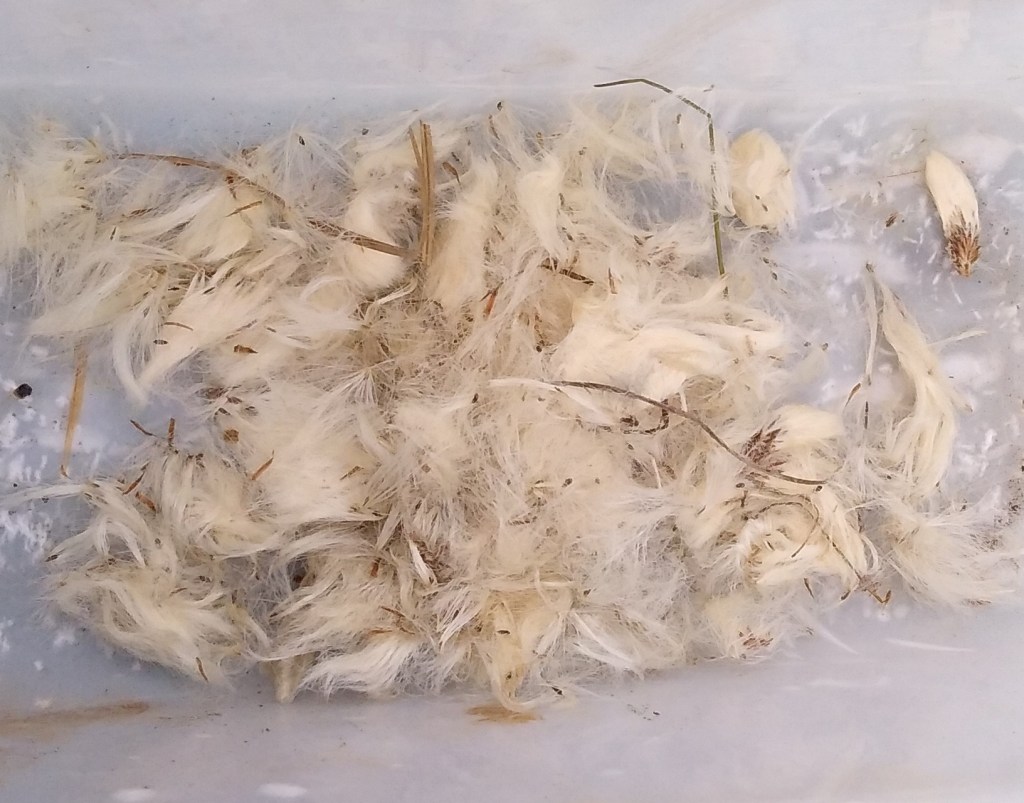
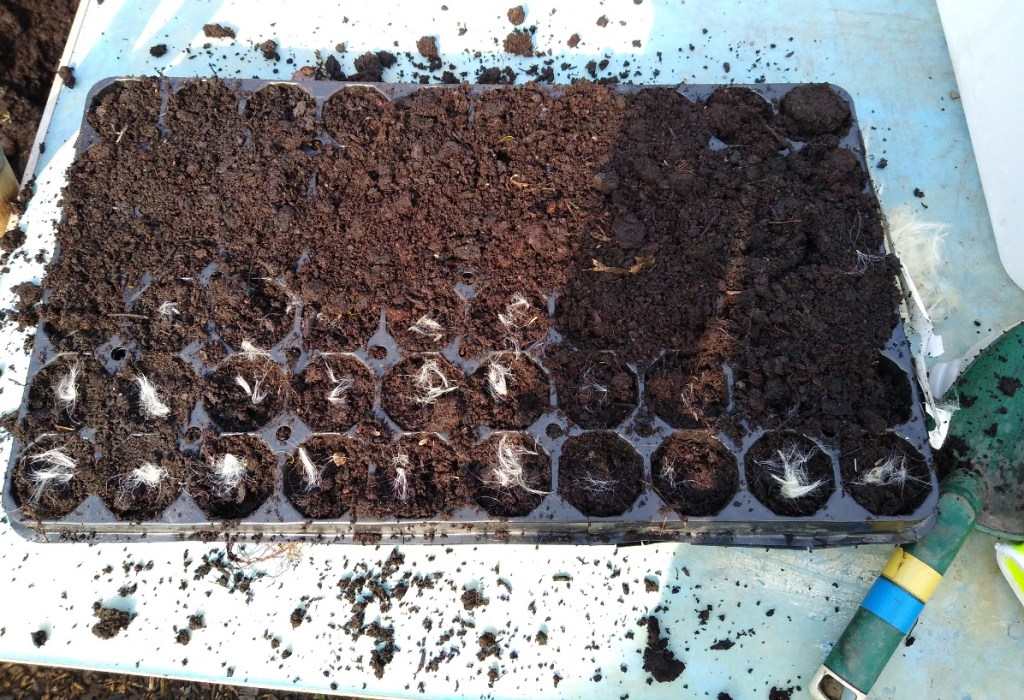
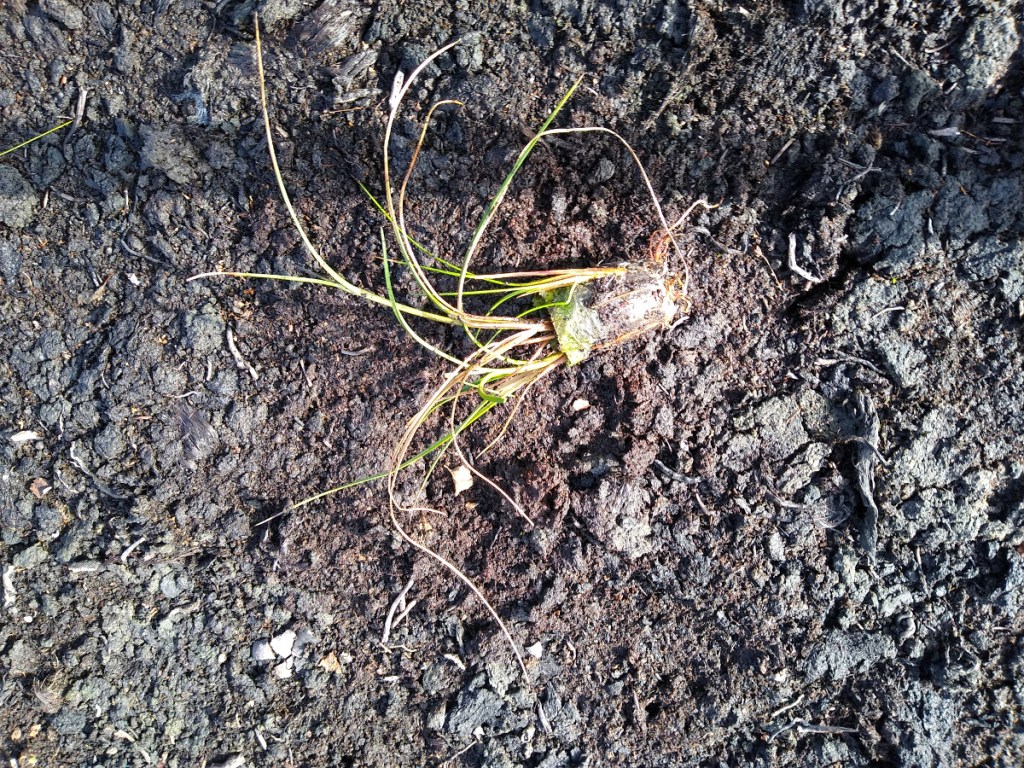
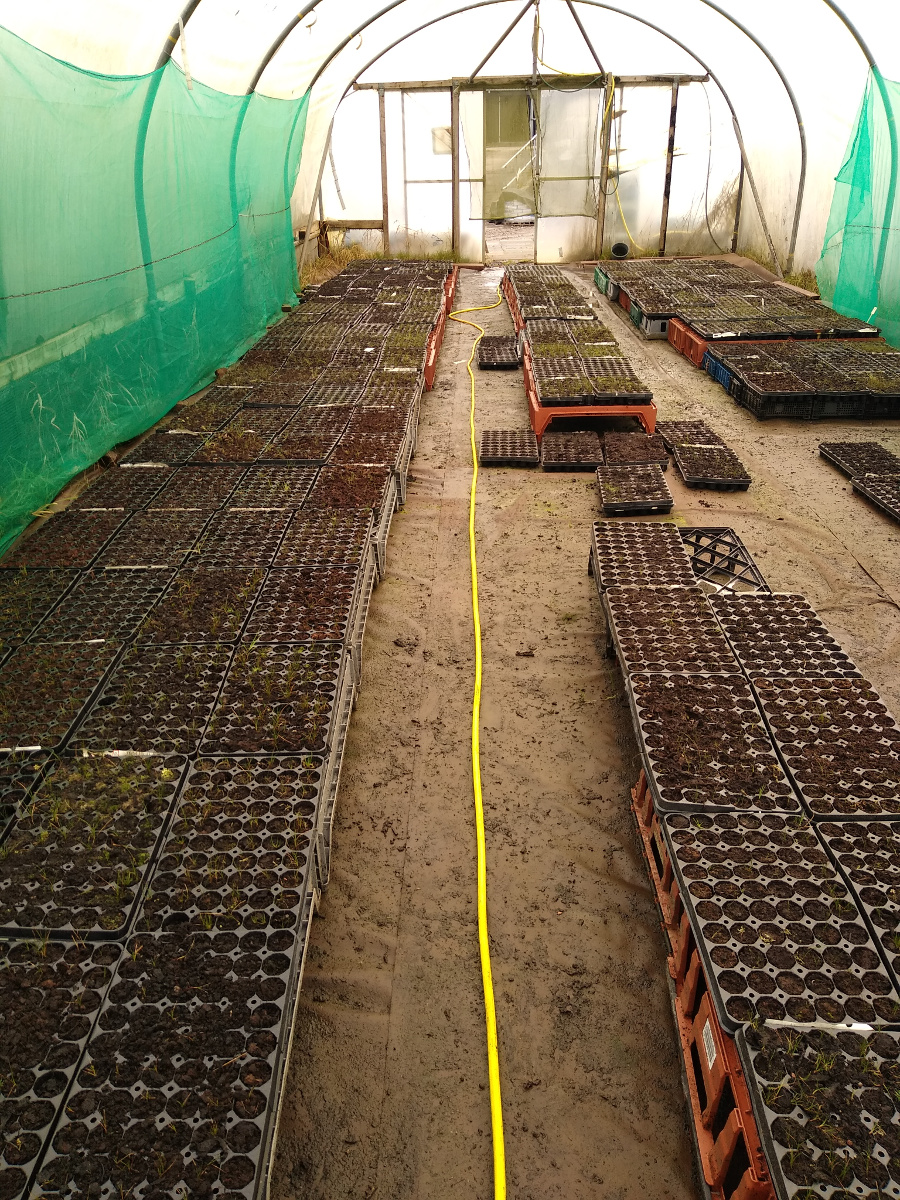
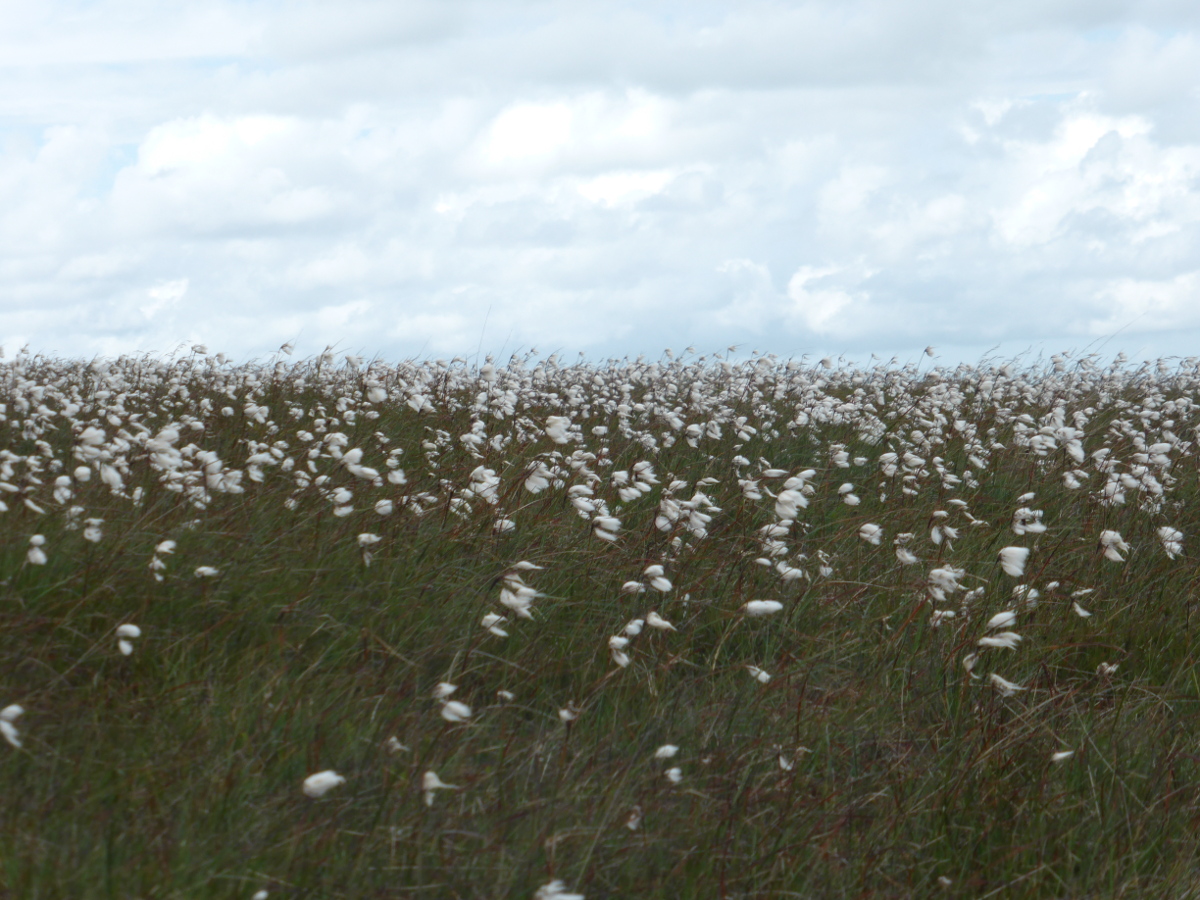
Last August, at Brockholes Nature Reserve, I helped on work parties common cottongrass (Eriophorum angustifolium). Winnowing the tiny dark seeds from the fluffy white heads, placing 1 – 2 into each cell of a 60 cell tray, which we had firmly packed with compost, covering them over, praying they would grow.

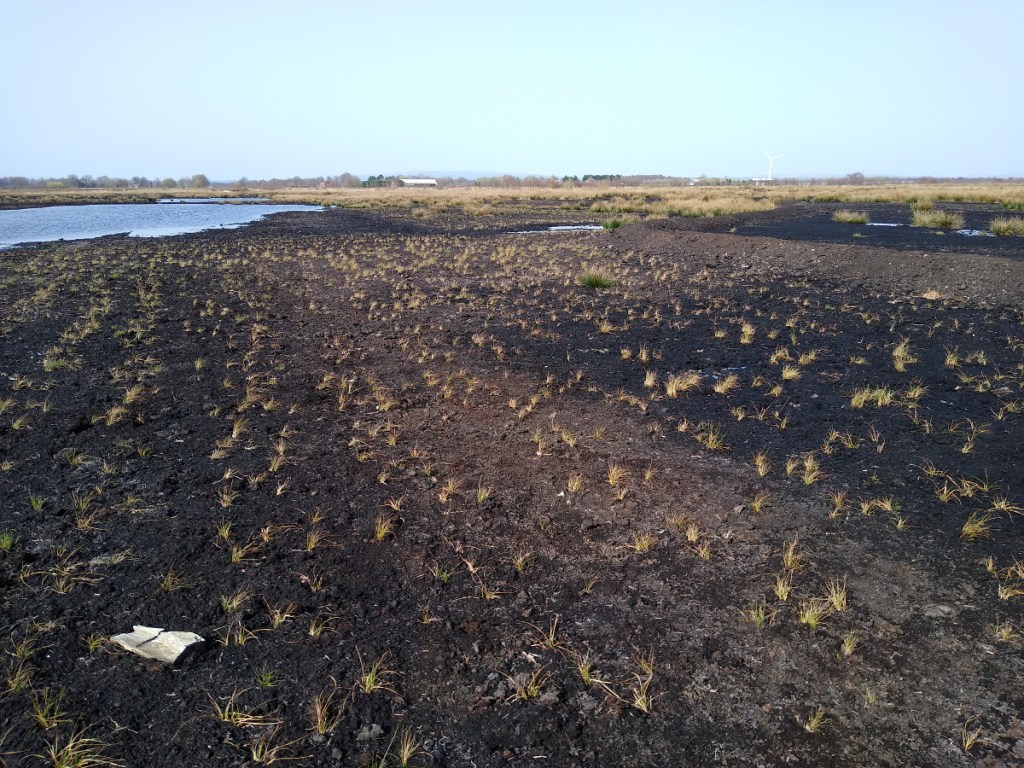
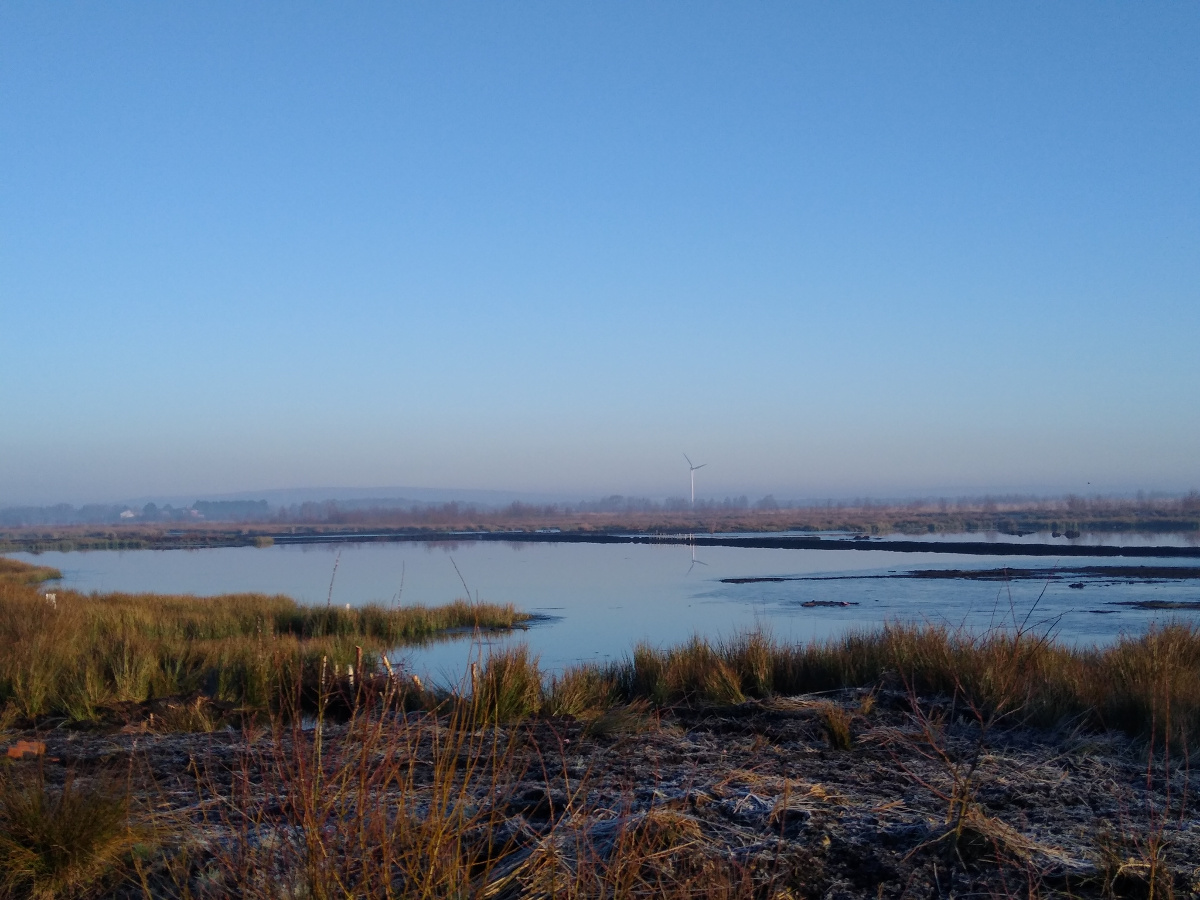
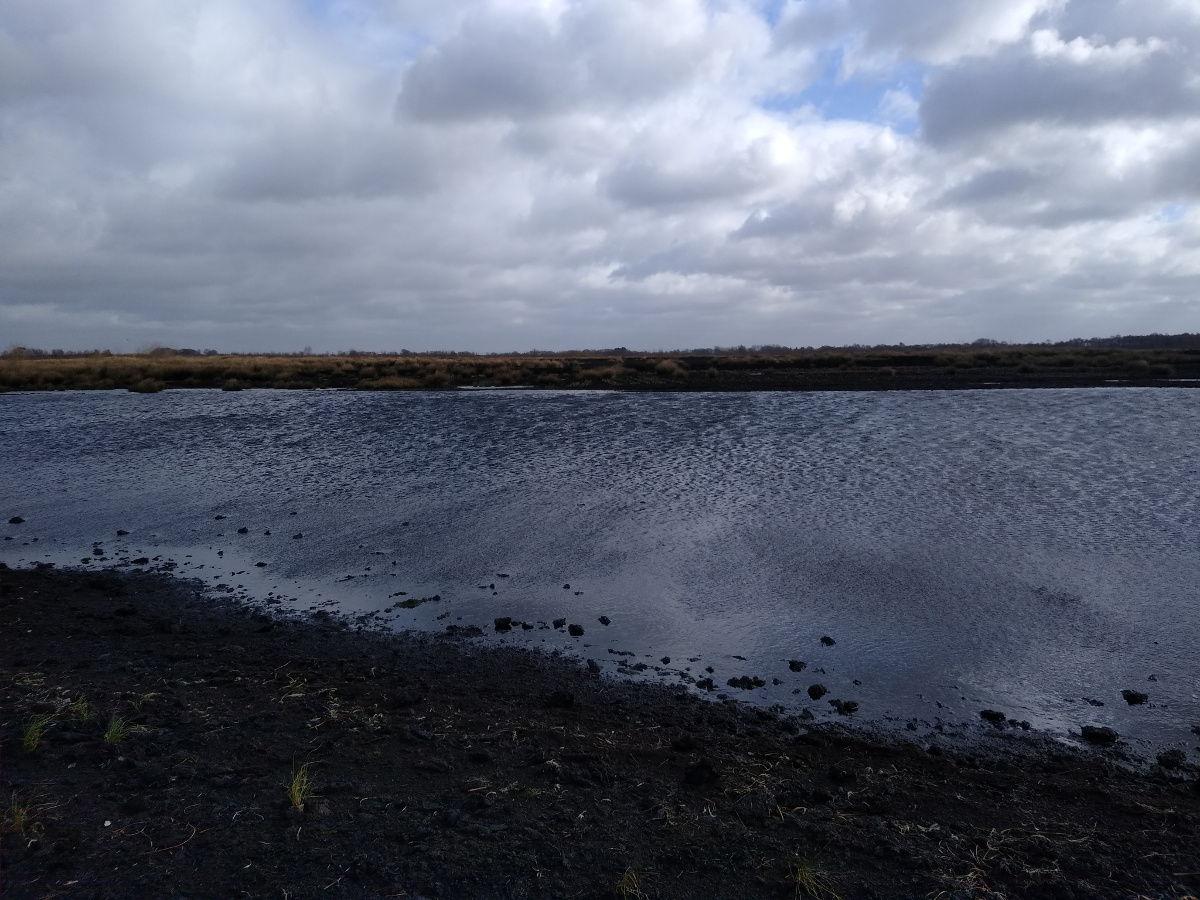
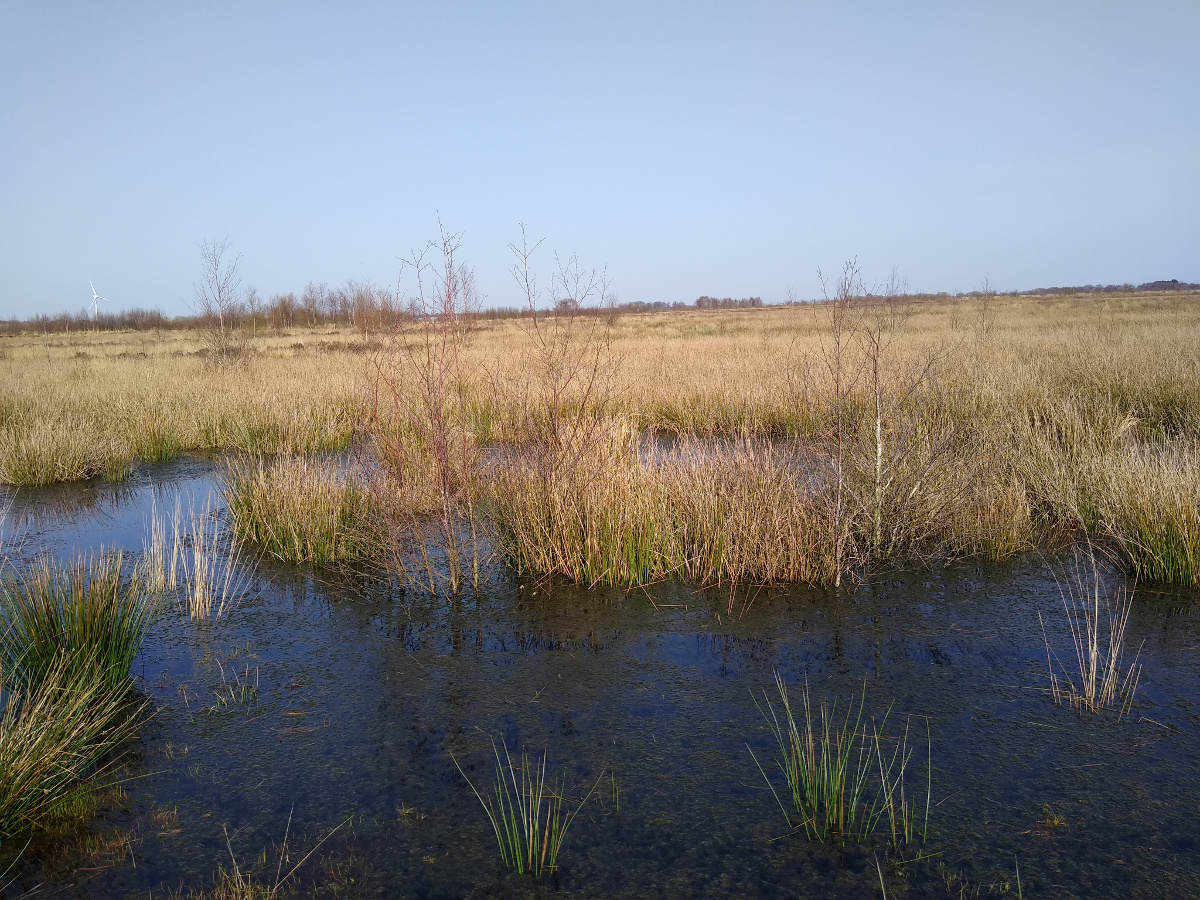
We sowed 10,000 plants in total. Some have grown better than others. Later I learnt they were for Little Woolden Moss – a strange synchronicity for it was through contacts at Brockholes that I recently gained a six week contract planting common cottongrass and other peatland plants on this mossland (which was purchased by the Lancashire Wildlife Trust in 2012 after having been badly damaged by peat extraction).

Prior to gaining this work I had discovered my patron god Gwyn ap Nudd’s connection with peat bogs/mosslands* in the medieval Welsh poem ‘Y Pwll Mawn’ ‘The Peat Pit’ by Dafydd ap Gwilym. I promised to make an offering to Gwyn next time I visited one. As we were in lockdown I hadn’t expected to go to a peat bog soon (the only area of lowland raised level bog in South Ribble, Much Hoole Moss, has been drained and, to add insult to injury, commandeered as a paint balling site). On receiving the contract, when I asked what Gwyn wanted, he showed me a common cottongrass plant.

So my planting on Little Woolden Moss had meaning in terms of both conservation and devotion.

I loved my time there in spite of the difficulty and what some might call the monotony of the work – pushing heavy wheelbarrows of plant trays along unstable bunds and repeating the same motion of digging five holes with a spear-spade, planting common cottongrass plugs, moving on, for seven hours.

Although we had many cold starts and some days were grim – with constant rain and up to 50mph winds – most were temperate and we were surrounded by the spring song of skylarks and meadow pipits, curlews, lapwings display flighting, brown hares racing up and down the bunds, and deer tracks (but not deer) were often seen.

When encountering the glacial till, seeing the ancient bog oaks exposed by the excavations (with 8 metres of peat 10,000 years of the archaeological record had been stripped away, unknown stories, our exploitation only slightly redeemed in that the compost had been used to nurture new plants) I experienced profound feelings of sorrow, awe, and privilege in partaking in the restoration process.

I later learnt ‘Little Woolden’ derives from the Viking Vuluedene ‘Wolf’s Valley’. This was significant for a couple of reasons. Firstly, I had previously agreed to write a series of poems for a Ghost Wolf Trail in New Moss Wood, just down the road, for the Carbon Landscape Partnership. Secondly, Gwyn and his father, Nudd/Nodens, are associated with wolves.

Little Woolden Moss is one of the few places that, in the words of storyteller Martin Shaw, I have felt ‘claimed’ by. The only others are my locality of Penwortham and the stretch of the Ribble from the Douglas estuary to Brockholes and those to which I have been a fleeting visitor such as Glastonbury, Cadair Idris, Borth beach, and Coed Felenrhyd (beautiful in their own ways but not truly ‘mine’).

Thus I was disappointed when, after succeeding with an application, and attending an interview, I didn’t gain either of two paid Great Manchester Wetlands Traineeships. I received positive feedback from Lancashire Peatlands Initiative Officer, helpful for other interviews, but assumed I had no future in peatland restoration.

So I returned to my voluntary internship at Brockholes, which I continued to enjoy, 3 – 4 days a week. One of my jobs was watering the common cottongrass, which we planted last year, and is due to go to Little Woolden Moss in mid-June.

On Thursday, after watering the cottongrass, I heard my phone ringing and just missed the call.

“That’s odd,” I said to the Assistant Reserve Officer, with whom I was working, “nobody every rings me.”

When I checked the number I saw it belonged to the Lancashire Peatland Initiative Officer.

“You’d better ring him back,” my colleague said, with a knowing tone in his voice.

So I rang back and, to my surprise, was offered the Great Manchester Wetlands Traineeship on the mosslands, based at Little Woolden Moss, as the previous candidate had chosen another job.

So… of course… I have taken it. The funding for the job will last a year. I will hopefully be starting on Monday 26th April and I have arranged to work my contracted 30 hours a week Monday – Thursday so I can continue with my internship at Brockholes one day a week on a Friday. So it looks like I may be both watering the common cottongrass we planted at Brockholes and planting it on Little Woolden Moss.
In total there are another 45,000 plants to be planted on Little Woolden this year. When Gwyn asked me for an offering of cottongrass I wasn’t expecting it to be in quite such numbers or to be planting it later in the year and, if this traineeship leads to a permanent job in peatland restoration, for many years to come.

King Fishing

I.

Your azure blue splash.

The quickness
of your dive.

Your kiss of fire.

Your splendour.

Your spine-snapping
savagery.

II.
Your body weight
in fish eaten

every day

fishing for
each of your young.

Your aeronautics.

III.
You were here
before someone wounded
the Fisher King

red dripping into blue

the blood from
his groin

like blood
from his queen’s
menses

flowing into the sea

(when male and female
had to bleed).

IV.
You were here
before the fae danced
in your colours

in the hall
of the King of Annwn
like devils

burning red
and cooling blue.

V.
You sat on your perch
and you watched

the gods –

some say
you advised
the Fisher King.

VI.
His wound

is beginning to heal
with the demise

of industry.

The red rivers
are flowing blue.

VII.
You are no longer
a myth

we cannot reach

on boats
of fish bones

sailing for halcyon days

because
they are here
like you

on this river.

VIII.
The Fisher King
is fishing.

The red world
is turning
blue.

This poem is the third of three pieces about creatures who build their nests in sandy banks and can be seen at Brockholes Nature Reserve. I wrote it a couple of weeks ago when I was applying for a paid traineeship on the Kingfisher Trail – a 14 mile recreational route following the rivers of the Croal-Irwell Valley connecting ‘the rural West Pennine Moors to the urban communities of Bolton, Bury, and Salford’ (HERE). Although I didn’t get the job (of 300 applicants I made the top three) I intend to walk the trail.

In this poem I link the kingfisher to Nodens/Nudd, an ancient British god of hunting, fishing, healing and dreams, from whose mythos the story of the Fisher King may have arisen (although Brân is a candidate too) and to his son, Gwyn ap Nudd, a King of Annwn/Faery, whose people make merry in red and blue costumes in his feasting hall.

Coincidentally, around the same time, Gwilym Morus-Baird published a video on ‘Gwyn ap Nudd and St Collen’ (HERE) where he discusses the symbology of Gwyn’s people wearing red and blue, which might have alchemical significance. Intriguingly he linked this to the two streams, Y Gwter Las and Y Gwter Goch which flow into Llyn y Fan Fach, the location of a story where a fairy bride is given away by a Fairy King-like figure.

Moving In With the Sand Martins

It lives in Europe, in winding holes in sheer sandy hills
– Linnaeus

I.
Riparia riparia
from ripa ‘of the river bank’
sounds like their djirr djirr prrt
beside the Ribble

as they arrive in sixes,
sevens, in their twenties,
swoop in from Africa

tumbling for gnats.

II.
Excited by the sight
of their forked tails and white bellies

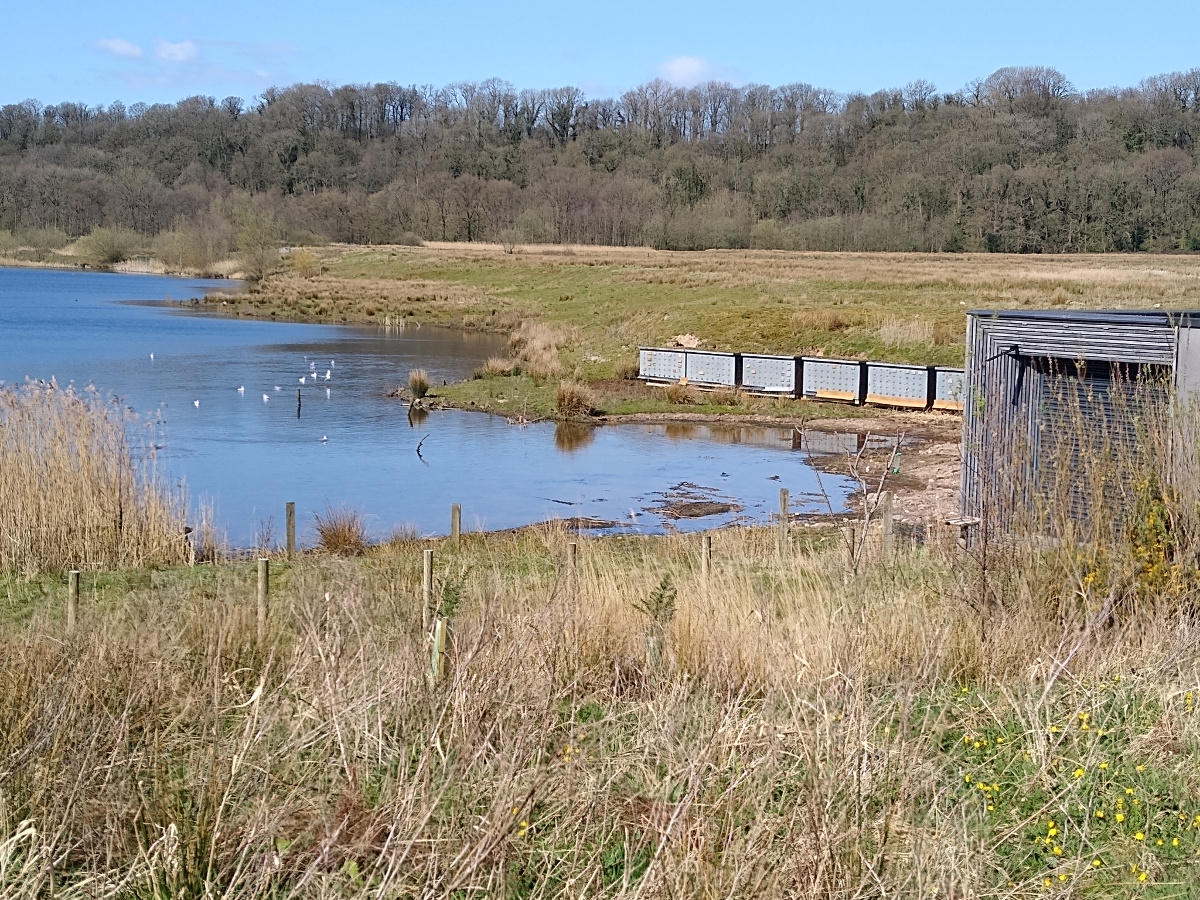
we run to prepare the nesting boxes –

all 300 with their sandy tunnels,
dark and cavernous interiors,
tightly locked back doors,

dig out the moat to protect them from predators.

III.
When the world is too big,
the arguments at home intolerable

I think of them snug in their hotel
on their little island paradise.

“That’s it,” I tell my mum and dad.
“I’m moving in with the sand martins.”

IV.
I pack my rucksack full of feathers,
gather twigs, bits of reed, to make my nest

and push my way down the long, dark, sandy tunnel

to the cave where I stay all summer between
three pairs of sand martins and a mouse.

V.
As I sit alone and listen to the chatter
of males and females and soon their chicks
I realise it is not unlike being at home –

surrounded by happy families.

I listen to the tales they tell their young –
of the rite of leaving the cave, exiting the tunnel,
of the bright sunlit river and countless flies that lie outside.

Of how all this was made for them by the goddess of the Ribble.

Of how mighty Belisama loves riparia riparia
and her river-light guides them back.

VI.
I hear them tell of distant gods,
distant flying insects, distant animals
whose shapes I see dancing on the cave walls –

gazelles, cheetahs, wild dogs, buffalo, hartebeest,
scimitar-horned oxen with us no longer.

VII.
I hear the tales of the drought years
passed down from the legends who survived

(they have names like Long-Brown-Wing-Fly-Catcher
White-Belly-Diver-River-Dancer… chattering on
and on that I can’t pronounce in one breath)

the concerns of the elders who have seen
future droughts in the patterns of flies.

VIII.
I listen to their final farewells
to their young and hear them depart
to roosts where I cannot follow because

I do not have brown wings, a white belly, a forked tail.

I am not marked by a bar across my chest.
Thus barred from becoming a bird
where will I go this winter?

~

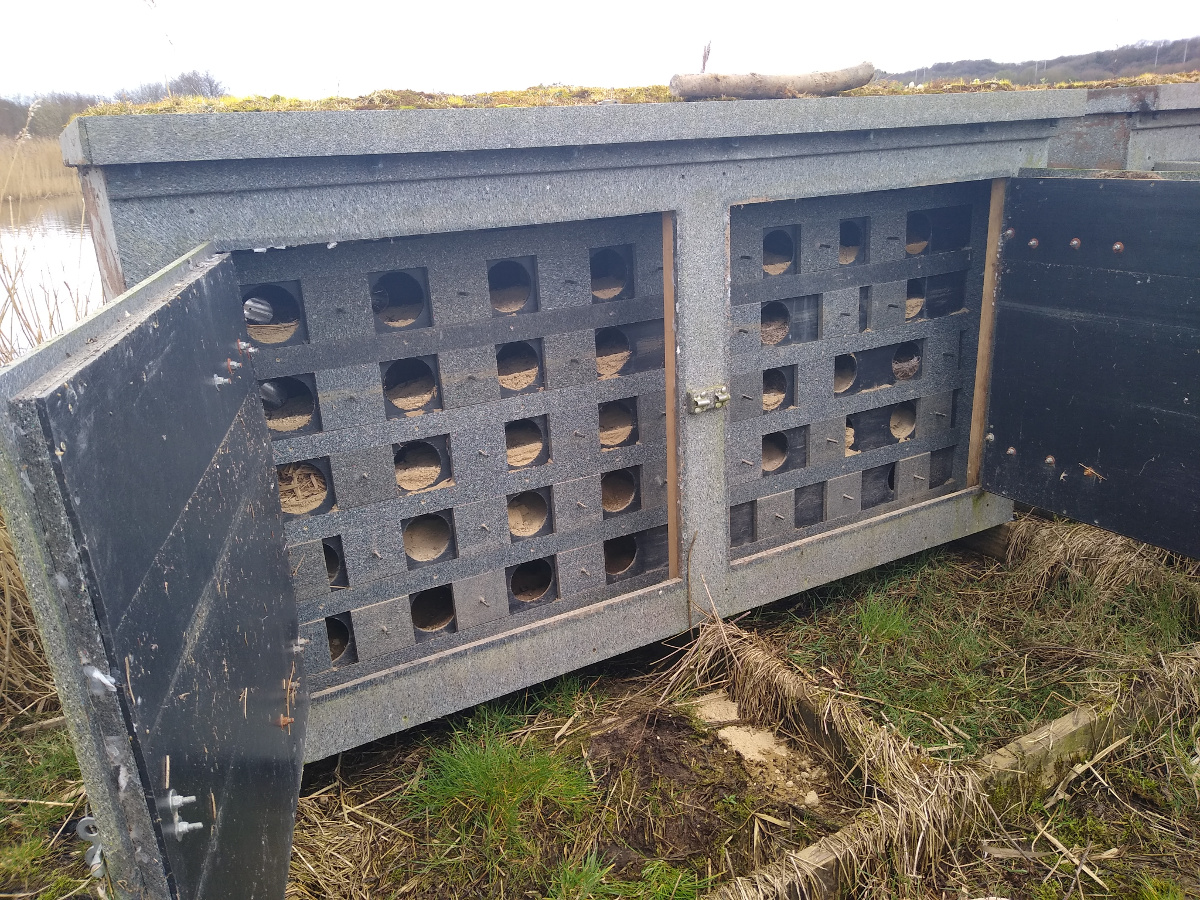
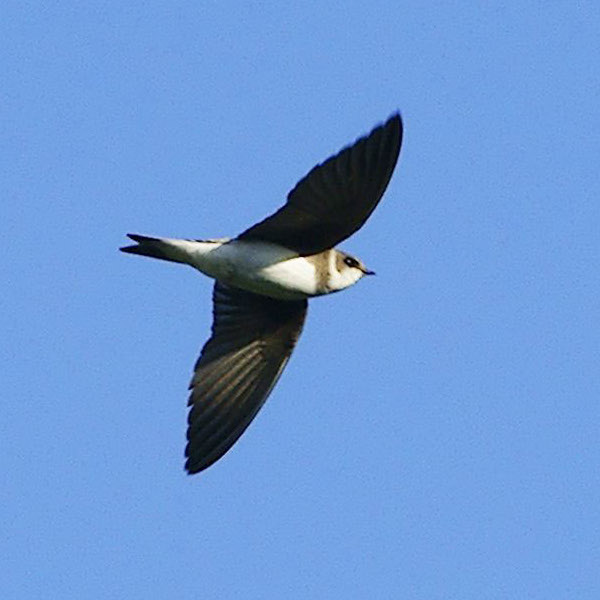
In early March, one of my tasks, as a conservation intern at Brockholes Nature Reserve, was preparing the sand martin nesting boxes on Number One Pit (this is the name of a lake that formed in a pit dug for sand and gravel quarrying).

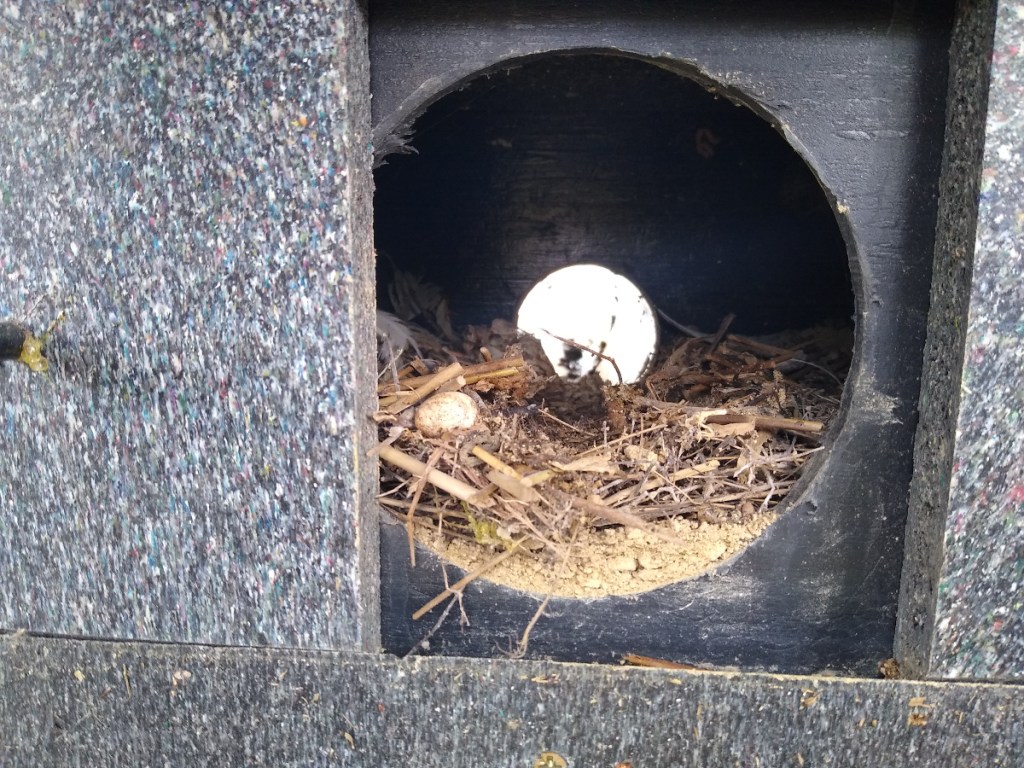
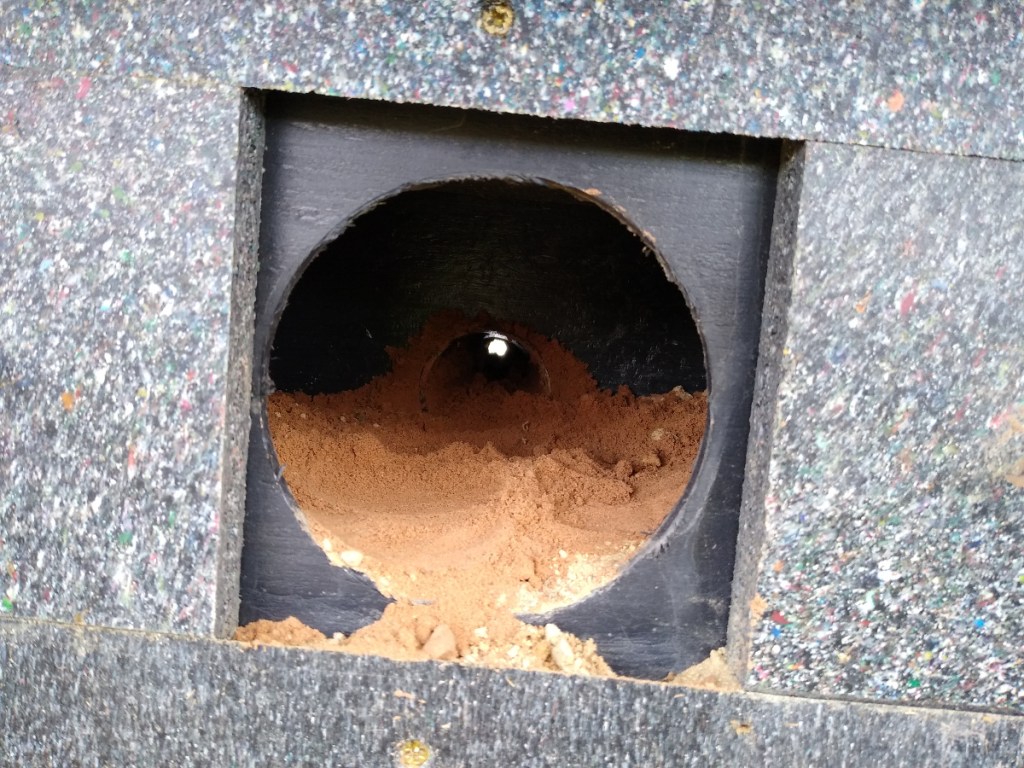
We opened up the backs of the boxes, cleared out old nesting materials (which can be a hot bed for parasites), added fresh sand and re-filled the tunnels with sand for the birds to push their way through in imitation of tunnelling into a sandy bank. They usually excavate horizontal tunnels up to 1m in length with a chamber at the end.

At this point in time the sand martins had started arriving in sixes and sevens and the day we finished twenty were seen over Number One Pit. They tend to arrive between mid-March and mid-April and to lay their eggs in late May.

This poem was written following a conversation with one of my colleagues, who I prepared the boxes with, about how good it would be to move in with the sand martins.