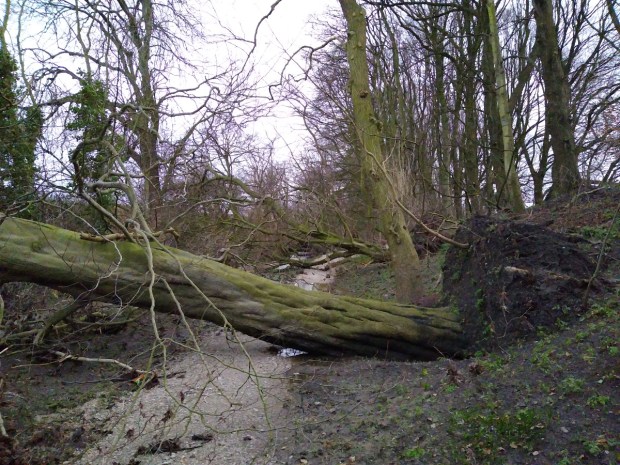
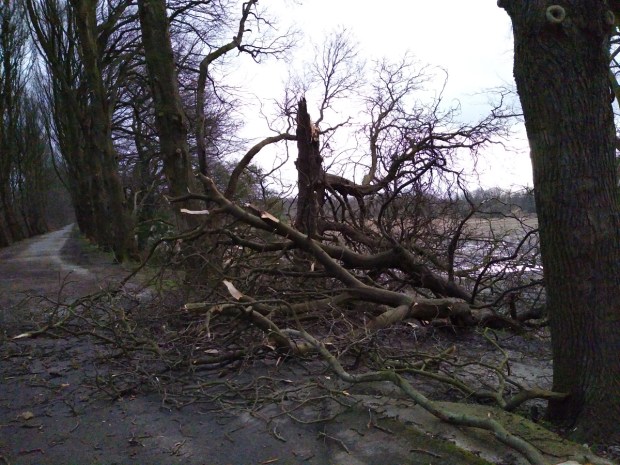
that broke me or the storm before it or the storm before it. Ciara, Brendan, Atiyah, even distant Ophelia or Freya.
It was not the winter storms of 2013 – 2014 before storms were given alphabetical names. It was not the St Jude storm,
the London or Birmingham tornadoes, Storm Kyrill – killer of 11 people, the Great Storm of 1987 or any of the storms
before I was born in 1981. It was not the cliché of the storm within although winds have swept through my branches broken
my fingers swayed me that way and this like a sapling turned me over like a hay wheel rattled me like a bag on a barbed wire fence.
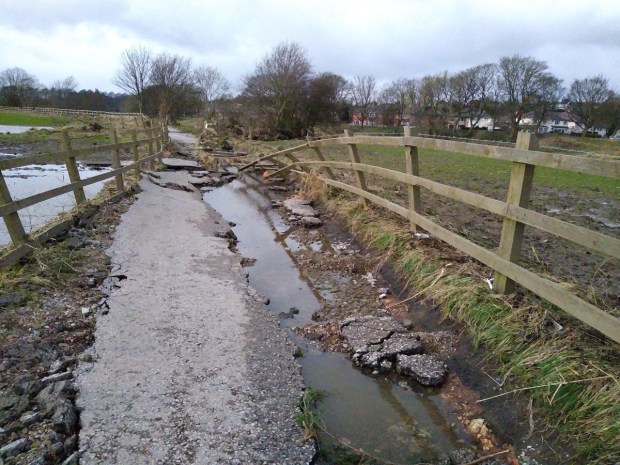
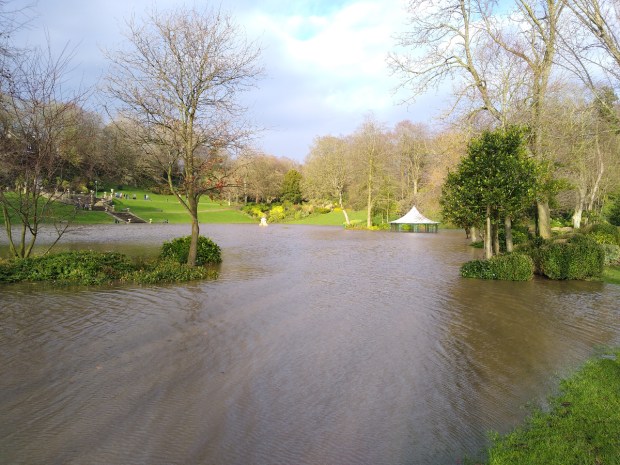
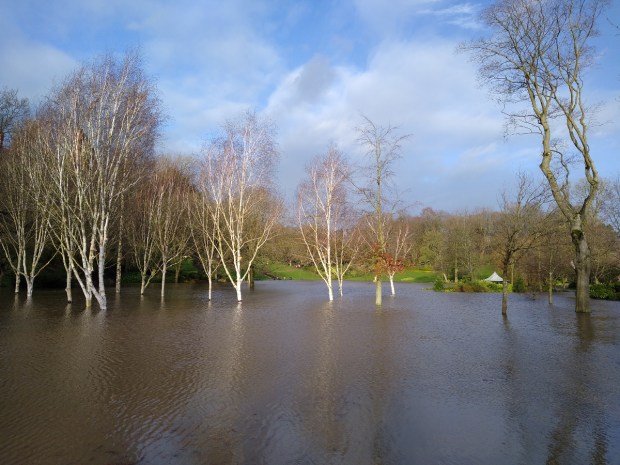
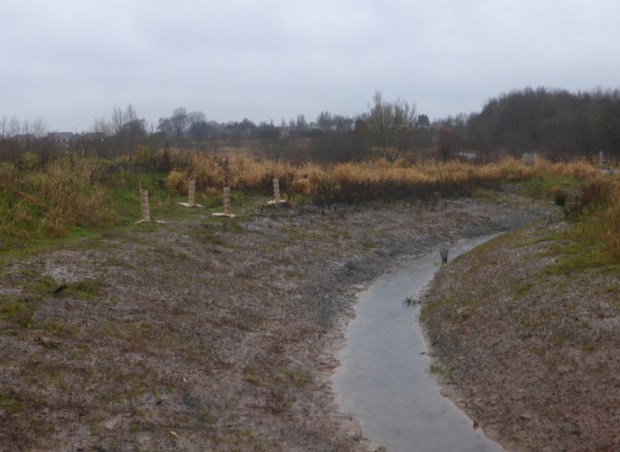
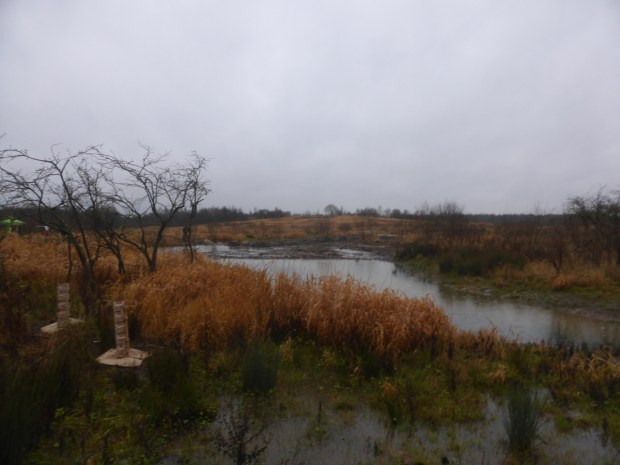
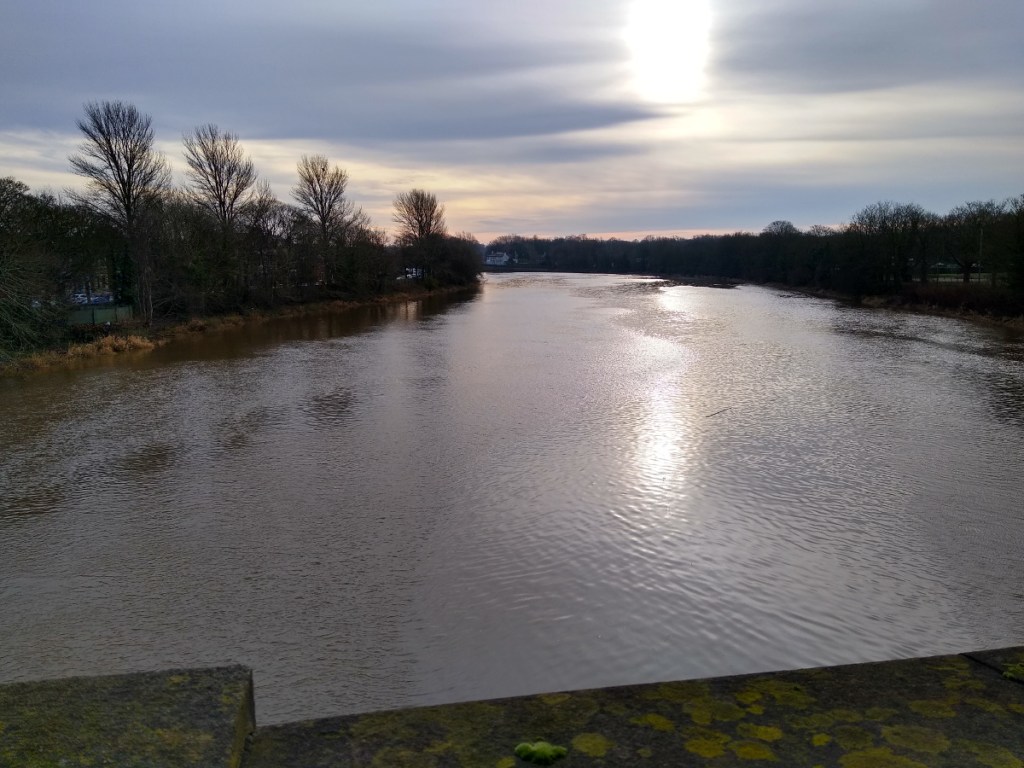
Rain has flooded my landscape, rising up over my pagodas and bins, my fountain and its four nymphs, washed away all my bridges,
receded to leave a mottle of reed, rainbow puddles to splash wellies in, birches surprising in their reflections like Rimbaud illuminated in 1876.
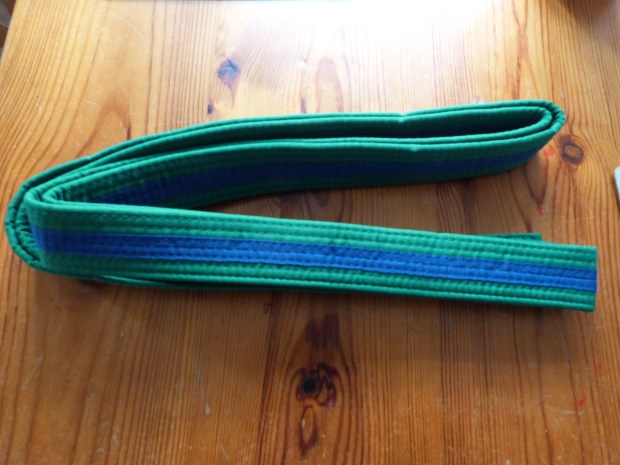
It has cleaned and cleansed me. My Taekwondo belt is blue and green. I am learning O Jang I but I do not call myself Master of the Wind
for I do not know what broke me – childhood bullying, a neurotic father, a defective gene or something deeper within? But it was not the storm.
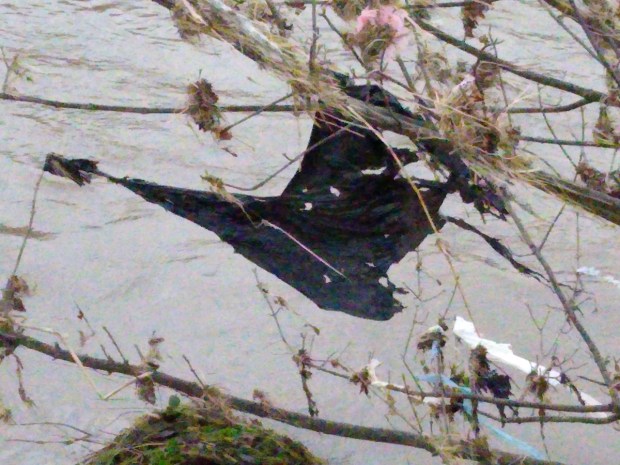
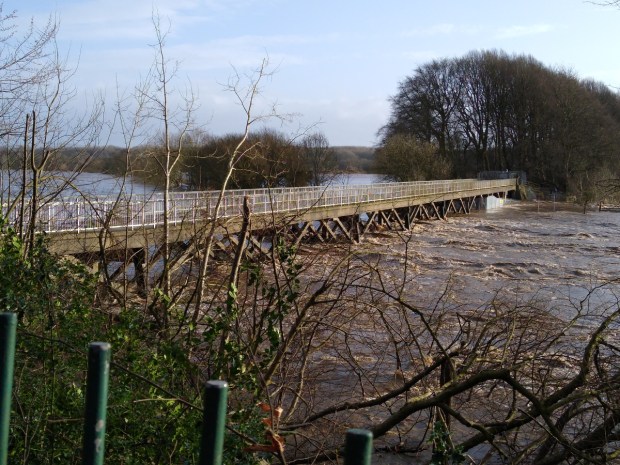
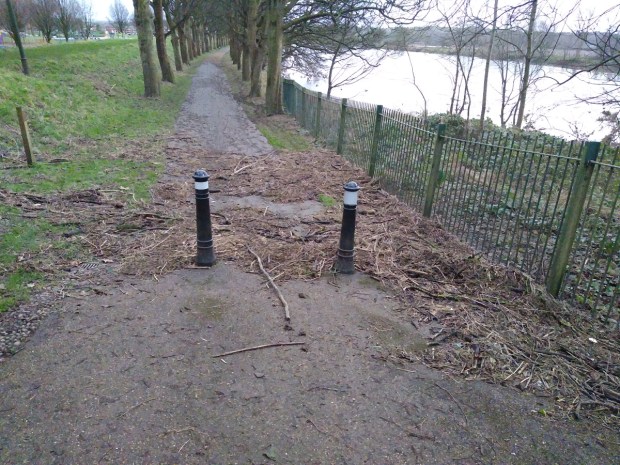
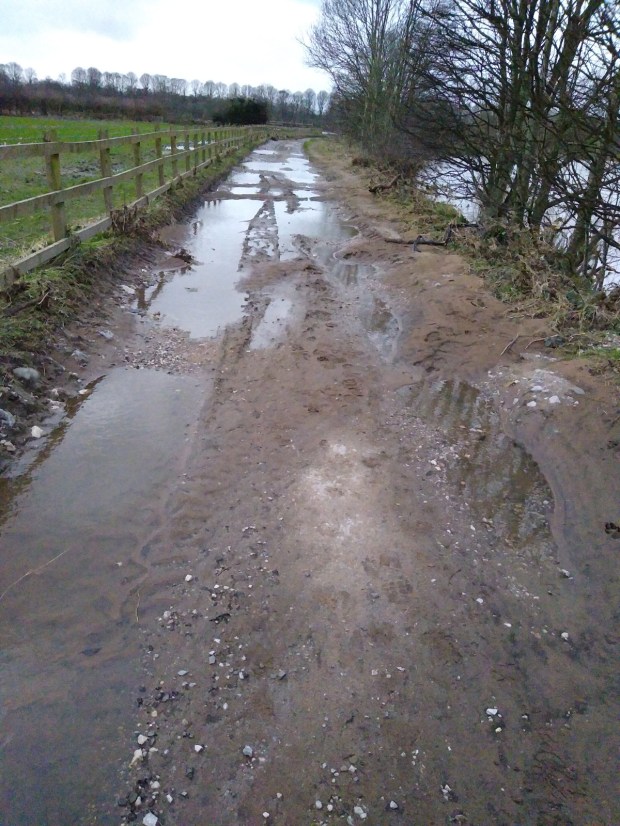
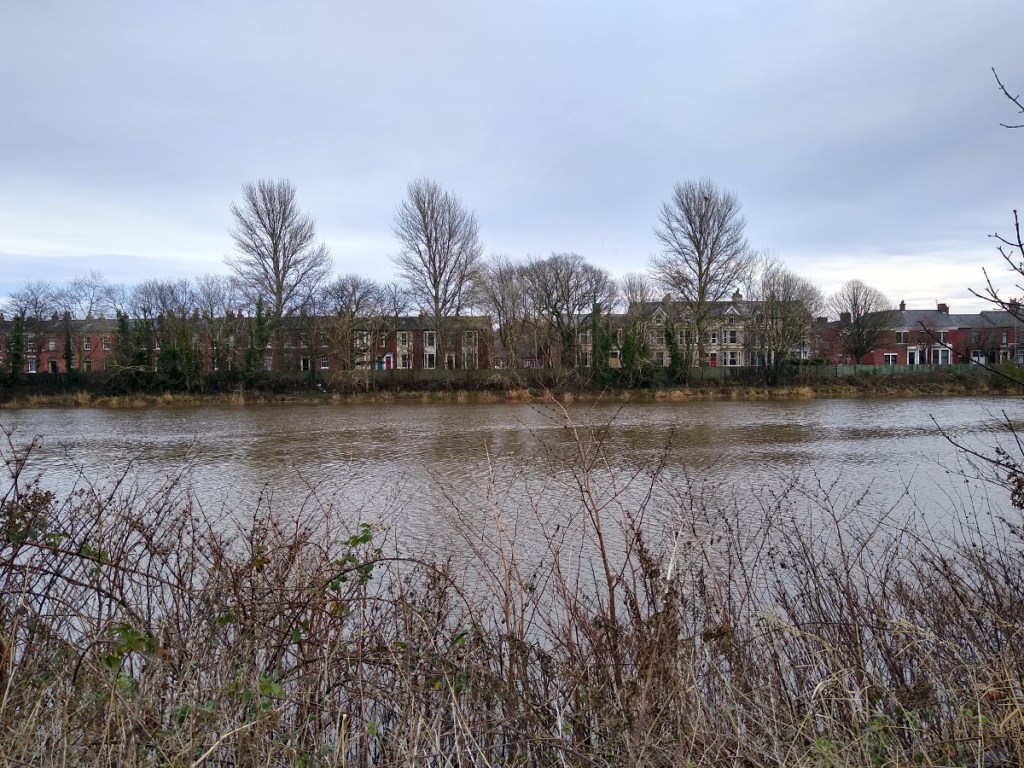
*Arthur Rimbaud wrote his Illuminations in 1876. **O Jang means ‘Wind’ and it is the fifth pattern in WTF Taekwondo. ***I wrote this poem in the aftermath of Storm Ciara during which the Ribble broke her banks at Avenham and Miller Parks and further upriver.
In the Doomsday Book my home town of Penwortham is referred to as Peneverdant. It has been translated by Rev. Thornber as ‘the green hill on the water.’* The name refers to Castle Hill, which stood on Penwortham Marsh, a tidal freshwater marsh frequently flooded by the river Ribble.
The marshland developed after the Ice Age and its water levels changed with the tides and the rise and fall of sea levels. During the Bronze Age there was a wooden lake dwelling evidenced by the remains of a ‘platform some 17m by 7m in extent… formed of brushwood set amidst piles’.
It seems likely people inhabited this milder lowland location in winter and, in the summer, when there were lots of midges, moved to the uplands, following the aurochs. (There are echoes of this tradition in the people of Penwortham pasturing their cattle in Brindle, in the foothills of the Pennines, up until the 14th century, when Brindle separated from Penwortham parish).
During the marine transgressions of the second millennium BC, when the weather got colder and wetter, Castle Hill would have been part of the Ribble estuary and quite literally ‘on the water’. In the Romano-British period the sea levels fell again and have remained relatively stable until now.
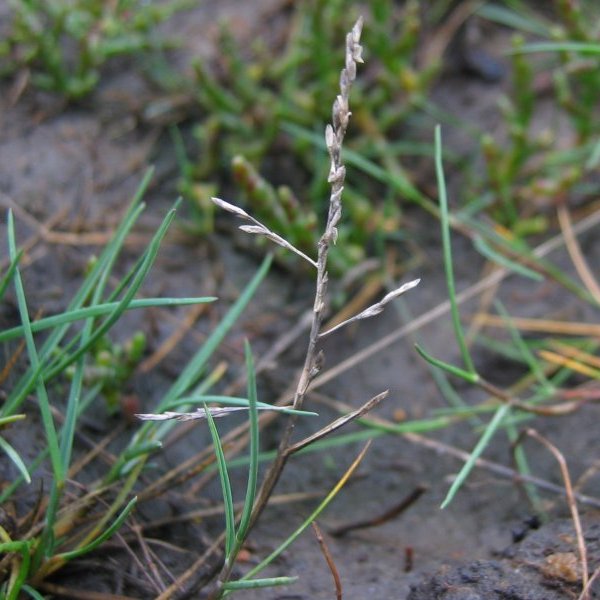
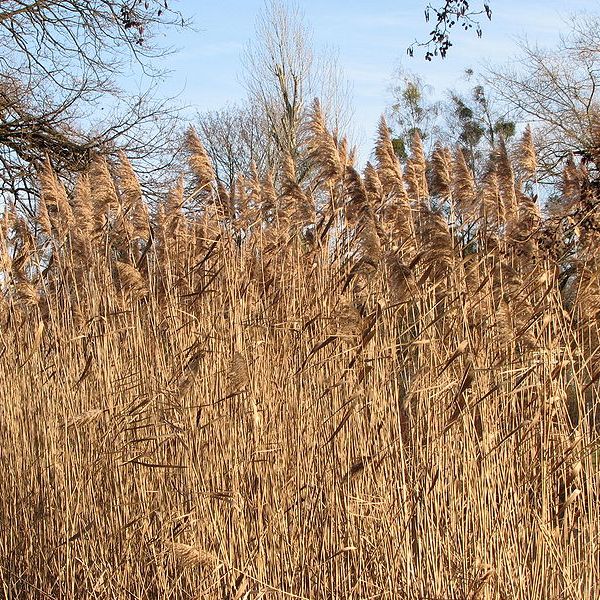
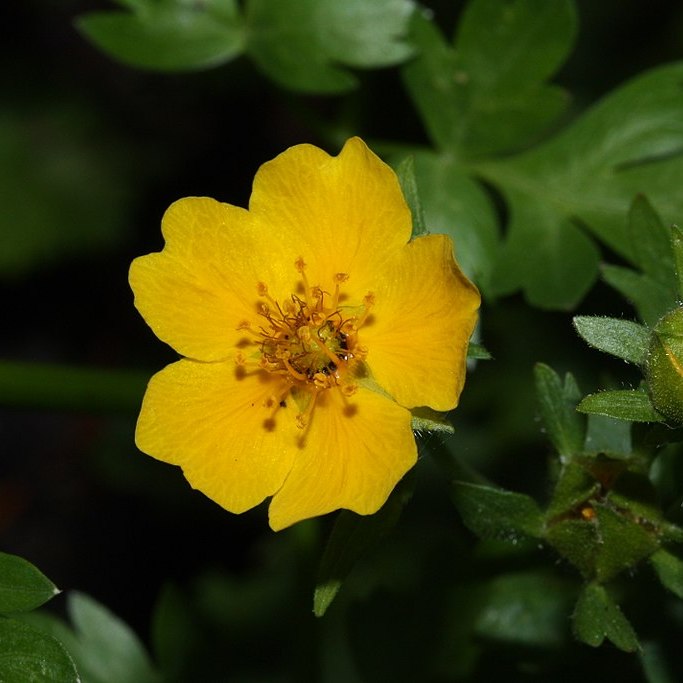
The vegetation of Penwortham Marsh was likely to have consisted mainly of common saltmarsh grass (pucinellia maritima), with saltmarsh rush (juncus gerardii) and red fescue (festuca rubra), areas of reed (phragmites communis) and reedmace (typha latifolia), and perhaps water crowfoot (ranunculis aquatis), lesser spearwort (rannunculus flamula), and yellow flag iris (pseudacorus).
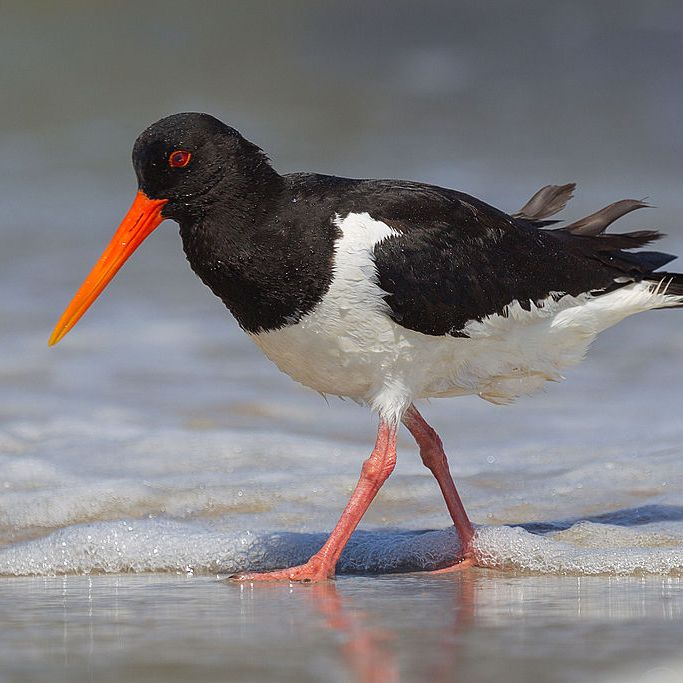
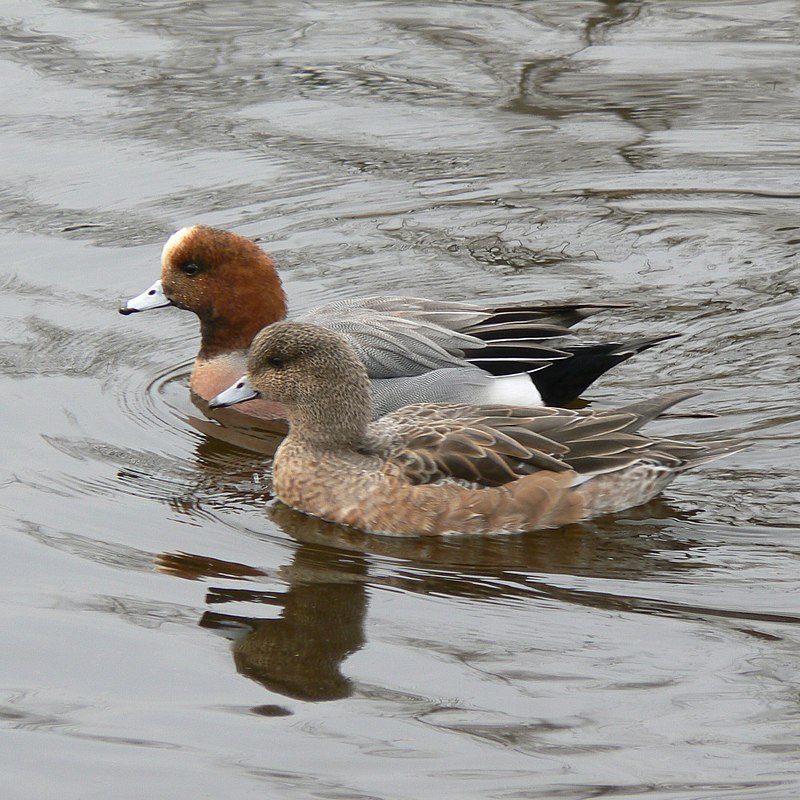
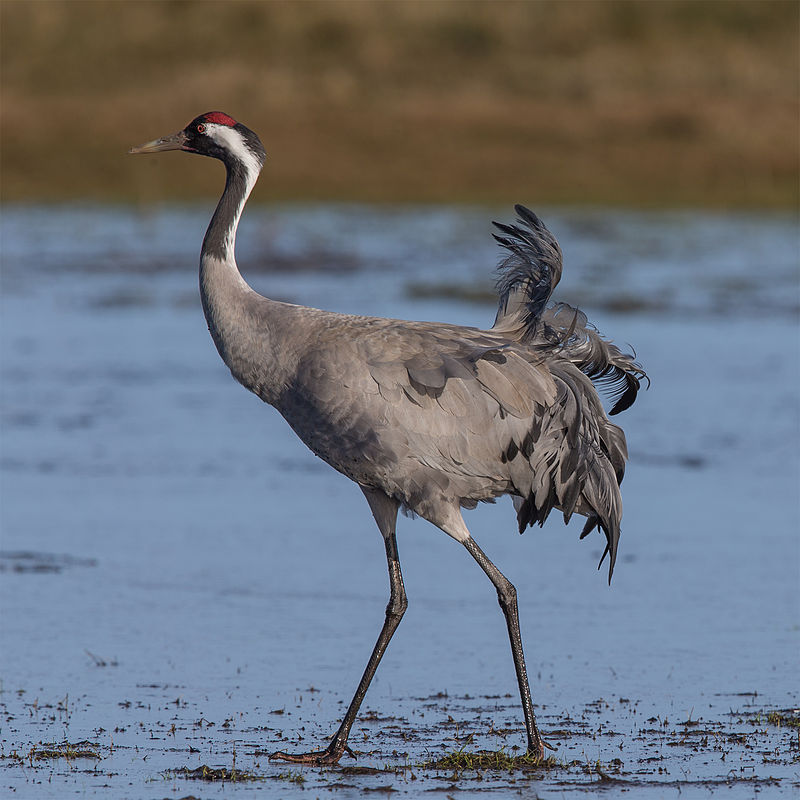
Breeding birds would have included redshanks, dunlins, oyster catchers, grebes, curlews, shelducks, mallards, lapwings, egrets, herons, and cranes. Over-wintering birds such as pink-footed geese, Bewick’s swans, whooper swans, widgeon, teal, knot, pintails, bar-tailed godwits, black-tailed godwits, sanderlings, and golden plover would also have been seen and their calls heard across the marshland.
This remarkable species-rich habitat remained untouched until the 16th century. Its draining began with land on the south of the marsh at Blashaw close to the medieval boundary ditch. Land north of Castle Hill was also reclaimed at this time. A survey of the Farington estates from 1570 refers to the Corn Marsh of 28 ½ acres and Little Burgess Marsh, which was fenced off with posts and rails. In the 16th century, from Howick to the foot of Castle Hill, a band of marsh was enclosed as ‘large square fields’. Finally, in the 17th century the marsh at Howick closest to the river Ribble was drained.
The newly reclaimed land was used for arable agriculture from the 16th until the 18th century. In 1725 the Corn Marsh was renamed Pasture Marsh showing it was used for grazing instead. The name Cow Gate Marsh is also suggestive of use for pasturage. Other field names include Innes Marsh, Little Marsh, Middle Marsh, New Marsh, and Long Marsh. The small strips that remained as intertidal marshland beside the Ribble were called Out Marsh and Great Marsh.**
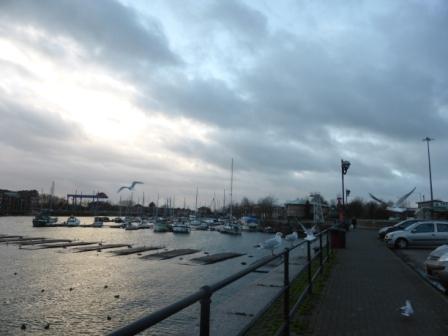
The greatest change, in the 1880s, was the movement of the Ribble 500 yards south from its original meander at present-day Watery Lane to bend sharp west then flow in a concrete channel straight out to the estuary. This had the effect of cutting Penwortham Marsh off from Castle Hill, and from Penwortham, making it part of Preston. The marsh was then dug out to form Riversway Dockland.
There is now no sign Penwortham Marsh ever existed. Not even a street name. People who visit the docks are largely unaware they are walking on a former marshland where early Britons dwelled amongst reed, rush, waterfowl, mighty aurochs, and their gods, spirits, and ancestors.
Unlike with other intertidal marshlands beside the Ribble which, following, their draining have been rewetted, such as Hesketh Out Marsh, there is no way that Penwortham Marsh can ever be restored. Its separation from Castle Hill by the river and the digging of the docks has irreversibly destroyed it. Ironically the dock only functioned for 100 years before the Ribble silted up (Belisama’s revenge?***).
Along with climate change, the destruction of Penwortham Marsh and the channelling of the river are now causing flooding upriver at Broadgate. If the Ribble had been left to her old course and the marshland had remained as a buffer zone we would not need to be building higher flood defences.
Drained and dismembered, Penwortham Marsh cannot be put back together again. Yet it can be remembered. Its memories continue to speak from beneath the dock. When we look on those concrete walls, the restless waters brimming with green-blue algae, we can recall the marshland stretching away to Castle Hill, whistling with the calls of birds, and hear the voices of our ancestors.
They speak their warnings of a time when the green hill will once more be on the water again…
*Thornber claims ‘Peneverdant’ is of Brythonic origin from ‘pen, werd, or werid and want, as Caer Werid, the green city (Lancaster) and Derwent, the water’. **The draining of Penwortham Marsh is recorded with a map in Alan Crosby’s Penwortham in the Past. ***Belisama is the goddess of the river Ribble.
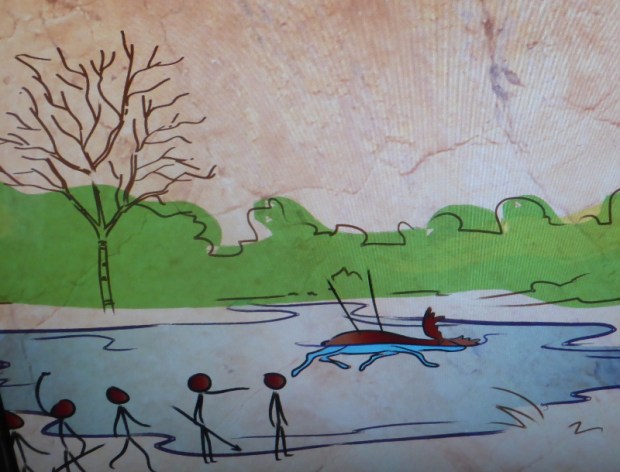
‘The elk found under a bungalow provides compelling evidence of a hunt in early winter 13,500 years ago. The badly injured elk escaped but died in a pool, whilst his human hunters went hungry.’ The Harris Museum
It was a time of hunger for hunters and for elk; all skeletal, ragged hip bones, like the naked birch. Snow fell on the heads of reeds, on bulrushes, on spiky sedge. The elk limped on, broad-footed, in his rolling gait, in spite of the barbed point stuck in the bone of his left foreleg. His hunters followed. For them with their two legs the wetland was treacherous, each patch of ice an unknown depth. Hunger, the gnawer of bellies and deadly as a spear in the guts, drove them on, following the prints.
At sunset they saw him illuminated before the blood-red sun and dug deep into a place beyond our understanding of endurance, readied bows, spears, called for blessings from the gods and spirits of the hunt. And they ran, as quickly as two-legged beings can, leaping between frozen tussocks of grass. For the elk had slowed and when he looked back at them they had seen his death in his eyes. The icy puddles and the pools glinted red with the sun’s reflection. Startled widgeon flashed up in a whistling flock and fled toward the coast. Somewhere a curlew called and called and did not stop calling.
The hunters ate the distance between them and the injured elk and also, it seemed, between them and the huge red sun. The elk limped and plunged. They released their flint-tipped arrows, singing through the air, thudding into his ribcage with thumps that sounded like the last heart-beat before death.
Stalwart, the fastest runner, the strongest hunter, sprinted up and thrust his spear into the elk’s chest. Its barbed point he had splintered from elk antler, carved, nocked, blessed, for this very moment in response to a dream. He clung onto the haft as the elk’s forefeet plunged onto ice, through ice, into water, as down he dove into the icy pool. With a crash, a splash, a splintering and bucking, both elk and hunter disappeared. All that was left as the sun sunk was a red pool and the curlew’s bubbling call.
The cold of the ice stole Stalwart’s breath before his lungs filled with freezing water. Something told him to let go of the spear, to swim up, to swim away toward the dim red light, yet he could not. It was if his hands were glued to it with birch bark tar – his fate and the elk’s bound together. They shared their final agony, the filling, the burning of lungs, the darkness of the deep growing darker, warm bodies entangling and growing colder as they floated down to rest together in a muddy bed.
***
When Stalwart opened his eyes the whole sky was crimson and the watery landscape a vivid blue. There was an elk-shaped hollow beside him, elk-prints leading away, reminding him briefly of something. Prompted by the hunting instinct within he got up and follow the prints through a landscape both strange and familiar – birch trees who greeted him with open arms, widgeon whose whistles contained messages he could not quite decipher, two long-legged cranes dancing in the distance.
As the light bled from the sky Stalwart lost sight of the prints. In the inky indigo of twilight the landscape became stranger, terrifying. A group of alders shaking their cones when there was no wind. One moment the grove was on his left and then it was on his right. Dark shapes began to pull and splash themselves out of the water. He began to run, tripped over what he thought was a root then realised was the leg of a man, lying face down, arrows and a spear-haft protruding from his ribs.
A memory tugged at him. Like a barbed point lodged within his chest. But fear drove him to flee. On and on, sinking waist-deep, feeling something slimy-cold and eel-like brush his leg, staggering out trembling. On and on not sure where he was going or whether he was getting anywhere. On and on until he looked back and was appalled by his guilty relief when he saw far behind him the dark creatures crowded around the dead man, necks sinking, heads rising, sharp teeth full of flesh as they fed.
As the light ebbed out of the sky flickering campfires flared up where he was certain no camp had been with the scent of smoke, and drumming – a beat that awoke something within him like a heart.
Its thump bore his steps, walking on water, to the camp of elk-skin tents. Lining each side of the way to the central tent, which was topped by a mighty pair of antlers, were people with drums and rattles, clad in elk-skins, with rattling bone necklaces. The men wore antlers and the women did not.
Some of the younger men and women were dancing ecstatically and all were shouting their welcomes.
“The Chief of the Herd returns.” “The Chief of Elk.” “Our Chieftain.” “The Timekeeper.”*
As Stalwart looked about him for this regal figure the crowd descended on him as one, fighting to touch his flesh. They lifted him up high, yanking him up by his armpits and waist, many hands on his thighs, knees, and lower legs, bearing him upright to the central tent and the woman before it.
She was the most beautiful woman he had ever seen. She was tall. Long auburn hair flowed over strong, broad shoulders. Her eyes were dark and liquid. Her lips looked soft as her large, bare breasts.
“My love you have returned,” she spoke softly as he was set down and she cushioned him in an embrace. After she kissed his stiff then unresisting lips and stepped back she said, “you are much changed.”
“I… uh… I think there’s been a mistake…” Stalwart stammered weak at the knees.
As the woman looked at him uncertainly an older man, with heavy antlers, leaning on a staff, reassured her, “Chieftess, he has spent long on the Otherside. Memory loss is common. Once he has eaten our food, drunk our drink, been re-crowned, our Timekeeper will recall himself and our stories.”
The Chieftess of the Elk took Stalwart’s hand and guided him gently into the central tent. She sat him beside her on a fur at the head of the tent and the rest of the herd seated themselves cross-legged on furs in a circle around the warm fire that blazed in the centre. How so many managed to fit into the tent, which suddenly seemed so warm and womb-like, so large and spacious, he could not guess.
Children entered with wooden bowls filled with birch leaves wrapped around mashed up bark. Stalwart knew he shouldn’t eat the meat of trees, the food of the Otherside, but he couldn’t remember when he last ate. He was so, so hungry. So he tucked in, chewing with strong molars, savouring the bitter taste, dimly aware of the chomping of the herd around him. The meal was washed down with cups of the blue, blue, water, the sweetest, clearest, purest water he had ever tasted.
“Now for his re-crowning,” spoke the old man. The herd got to their feet and cheered and roared as the antlers from above the tent were carried in and set upon Stalwart’s swimming head. They didn’t fit, they felt too big, they reminded him of something kicking in the water, yet he did not resist as they were forced down and stuck on fast. A heavy weight, an unbearable weight, for an imposter.
“Now, Timekeeper, do you remember?” asked the old man with a show of long yellow teeth.
A man, stuck with arrows and a spear face-down in the water, the dark things eating him. “No stories.”
“Perhaps,” said the Chieftess, glancing meaningfully around the gathering, “I may have a chance to revive his memory.
The herd exchanged knowing glances. When they had departed Stalwart slept with the woman. As he watched their shadows cast by the fire on the tent-walls he almost remembered someone else’s face.
When they were done she took his chin in her hand, turned it toward her, forced him to look into eyes filled with the shades of her strange land. “Do you not remember anything? Do you not feel?”
“No,” said Stalwart helplessly. “Nothing at all.
“You will,” the Chieftess embraced him fiercely, “you must,” almost crushing him. “For the fate of the herd depends on it. Only our stories maintain the Elk-Scape, keep the Dark Ones of the Seas at bay.”
***
The next morning Stalwart and the Chieftess left their tent with elongated faces ending in dexterous lips, thick furred coats, on four broad-footed legs. By day, at the head of the herd, they feasted on long tussocky grasses, reared up to tear down leaves from the highest birches, plunged deep into the pools and rose dripping with green tresses of underwater plants hanging from their mouths. When the crimson light began to fade and the dark things beneath the water to stir they set up camp.
After they had eaten and drunk, “last night,” said the old man, “we were lucky. Although another poor storyless soul was not. The Dark Ones feasted well, were well fed, on one newly passed, but tonight they will be hungry again. One of our herd, a piece of the Elk-Scape, will be lost if we have no stories.”
“Timekeeper.” “Chieftain.” “Please.” The herd implored Stalwart. “Our people are dying.” “Our land shrinks.”
Stalwart shuddered with guilt and fear as he recalled that horrible feast. “Is this true?” he asked the Chieftess.
“Yes,” she replied, squeezing his hand. “Please try to remember. For our people. For me.”
“Perhaps if you tell me a little about the Dark Ones that will jog my memory?”
“You once told us,” said the Chieftess, “that they are the last remnants of the primal waters of Old Mother Universe, the birthing and devouring goddess, from whose womb our world was born.”
Two bodies tangled together in the darkness and the tugging of a bond between them like conjoined twins.
“That the god who can not only control them but rides their fury is the Hunter, Lord of Death and the Deep.”
A dream of the Hunter gifting him an antler, guiding his hands as he carved and blessed the barbed point.
“He who favours neither man nor beast, hunter nor hunted, nothing but the thrill of the hunt, its finale. When we complained that antlers were not enough to defend us from the Dark Ones he gave us stories, and when they began to fail you went to the Otherside to the Man-Scape, to find new tales…”
“So I did,” it was not Stalwart who spoke but his story which seized his tongue. “I was born a man.”
The herd gasped in collective disbelief.
“A small boy in a land of water and ice. Three days after my birth a Wise Woman proclaimed that I would grow up to be a mighty hunter, and so it was, for I was shooting arrows before I could walk. Widgeon rained down from the skies and my barbed spears felled all my prey in one throw, but one elk.
“He haunted my dreams standing on the red horizon looking back at me with his death in his eyes. The Hunter said the hunting of the Chief of Elk was my destiny. The Wise Woman told me that it would be my undoing. I… fell in love…” he glanced guiltily at the Chieftess. “I had seven children. My herd, I mean my people, were hungry, we had nothing to eat. I swore I’d give my life to save them.
“When the Chief of Elk finally appeared I couldn’t believe I missed. That’s when the Hunter appeared in my dream. For seven days and seven nights and seven days again we tracked him and on the seventh night I killed him yet I lost my own life in the pool and here I am and…” as the realisation washed through him, “before he could make it back to his people he was eaten by the Dark Ones.”
“The Chief of Elk became a man?” “A man the Chief of Elk?” “Who is who?” “Are you truly our Chief?”
“I… really don’t know,” admitted Stalwart.
As he spoke laughter began to echo around the tent. Laughter that shook wooden bowls, rattled necklaces, like the wind tore away the tent flaps leaving only a mightier set of antlers above and their wearer on the back of a black water-horse with countless legs churning the skies, gnashing its teeth.
“Well, that’s a story to keep the Dark Ones at bay,” said the Hunter. “They’ll be fuddled for days and days can last forever in the Elk-Scape where the light and the land are held together by a good story.
“Yet on the Otherside the people you swore to stand by, for whom you gave your life, are starving. They too need stories, their Timekeeper, to stop the Dark Ones rising from the pools and from the Seas.”
As the first crimson light appeared Stalwart found himself submerged beneath bloody waters. This time he let go of the spear-haft that bound him to the man who had been eaten by the Dark Ones of the Seas. Lungs bursting, he struggled up, up and away from the sinking elk toward the patch of light.
His wife, Sinew, pulled him out, an auburn-haired, strong, broad-shouldered woman. His people roared and cheered, although they lamented their loss of the elk. They ate little but roots and bark that night, but Stalwart told them a story beginning, “I’m not who you think I am… I should explain…”
Afterwards the Timekeeper moved between the worlds, between man and elk, maintaining the stories. For many thousands of years the Elk Pool was known as a special and sacred place. When the last elk on the Island of Britain was killed he returned to the Otherside and his tales were forgotten. Since then there has been no-one to stand vigil at the pool and no words to hold the Dark Ones back.
When the bones of the Chief of Elk and the barbed point that bound two hearts together were dug up the Timekeeper returned from the Elk-Scape and my rattling fingerbones were seized by his story.
*The elk in the Harris museum has been nicknamed Horace from the Latin ‘Hour in Time’ or Timekeeper’. **With thanks to the Harris Museum for use of the image from a video display about the hunting of Horace in the Discover Preston Gallery.
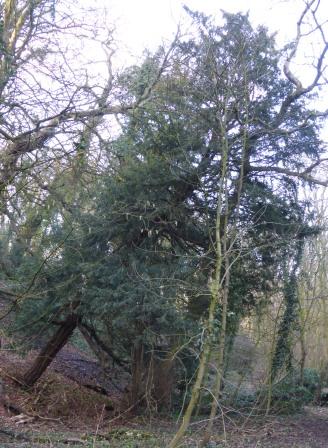
A year and a day ago I made my lifelong dedication to Gwyn ap Nudd, a Brythonic warrior-hunter god and ruler of Annwn, following a vigil on the night of the ‘super blood wolf moon’ beneath the leaning yew on Fairy Lane in my home town of Penwortham.
Unlike my initial dedication to Gwyn as my patron god at the White Spring beneath Glastonbury Tor it wasn’t easy. Beforehand I’d suffered from a stress fracture to my foot and I was awaiting an umbilical hernia repair operation shortly afterwards.
The vigil, of six hours before I went out and made my dedication during the lunar eclipse at around 4am, was based around six tarot cards and took me on an intense journey of death and rebirth.
Looking back and interpreting the meaning symbolically I saw the foot injury forced me to slow down and the operation on my naval, my natal place, was bound up with the rebirthing process.
Once I’d recovered I realised, to my surprise and disappointment, in spite of having been through an intense inner experience my external life had not changed. I was still in the same situation as before. Skint and living with my parents, my book recovering Gwyn’s mythos written, with no idea of what to do with the rest of my life aside from knowing I must live within the parameters of my vows.
To remedy my financial situation I took a job in a supermarket. Frustratingly, in my own work, which I had hoped would take me deeper into Welsh mythology and into Annwn I hit several brick walls.
Firstly, after near-completing a course called ‘The Gates of Annwn’ for Gods & Radicals, seeing myself on the videos attempting to teach in six weeks what has taken me years of questioning, doubt, being torn apart and put back together, I realised I’d made a mistake. An Annuvian path is one people find themselves (or are found by). It cannot be taught.
Secondly, I really wanted to write a book called Porth Annwn documenting my explorations of Annwn. However, the deeper I went, the further away I got from traditional depictions in Welsh mythology and folklore, attaining instead personal visions that were fantastical, paradoxical, and contained elements of ‘faerie’, but could not be linked directly to the Brythonic sources.
My third block was failing to learn Welsh as I am not embedded in the culture. This was accentuated by my awareness of the debates about cultural appropriation and the derogative attitudes of Welsh scholars (who are mainly non-conformist Christians) towards Brythonic polytheists.
My frustrations with my work and my supermarket job reached a nadir and resolution when I accidentally killed a dragonfly whilst cycling to Brockholes. This led me to leave the supermarket to volunteer with the Lancashire Wildlife Trust as a way of finding paid work in conservation and to shifting my creative focus away from Wales and Welsh mythology back to the (once Brythonic-speaking) land where I live.
Both these shifts have helped me to deepen and renew my relationship with Gwyn. I feel far more connected with him in my everyday life when I am outside working on the land, whether I’m tree planting, coppicing, clearing scrub, dead hedging etc. than when I was stacking shelves or, worse, sitting on a till beneath the artificial lights in the supermarket.
My new creative project ‘The Dwellers in the Water Country’, which focuses on the prehistoric people of wetland Lancashire, has guided me back to the earliest hunter-gatherers who may have venerated Gwyn as a hunter god. My outdoor work and research have knitted together as I’ve learnt skills and used tools our ancestors would have used.
This new more physical connection with Gwyn has also manifested in my running and in taking up Taekwondo. Interestingly, the Fianna, the followers of Finn, Gwyn’s Irish cognate, lived in the woodland, and had to master poetry along with physical feats that involved fighting and running*. These and my work outdoors have made me more connected with Gwyn as a warrior-hunter.
I have also experienced a deepening of my personal relationship with him through spending more time at my altar in stillness and prayer as well as continuing to journey with him.
So a year and a day on, after spending eight months lost, I have finally gained a vision of the path ahead and the central facets of a life shaped around my devotion to Gwyn:
*Personal devotions *Working on the land *Poetry *Journeywork *Practicing a martial art and running
I have moved on from confusion and frustration to feeling excited about a future full of challenges and promise.
*In ‘A Wildness Comes on the Heart of the Deer’ Christopher Scott Thompson cites the initiation tests of the Fianna: ‘And there was no man taken into the Fianna till he knew the twelve books of poetry. And before any man was taken, he would be put into a deep hole in the ground up to his middle, and he having his shield and a hazel rod in his hand. And nine men would go the length of ten furrows from him and would cast their spears at him at the one time. And if he got a wound from one of them, he was not thought fit to join with the Fianna. And after that again, his hair would be fastened up, and he put to run through the woods of Ireland, and the Fianna following after him to try could they wound him, and only the length of a branch between themselves and himself when they started. And if they came up with him and wounded him, he was not let join them; or if his spears had trembled in his hand, or if a branch of a tree had undone the plaiting of his hair, or if he had cracked a dry stick under his foot, and he running. And they would not take him among them till he had made a leap over a stick the height of himself, and till he had stooped under one the height of his knee, and till he had taken a thorn out from his foot with his nail, and he running his fastest. But if he had done all these things, he was of Finn’s people.’
There are some familiar trees but they look at me with different eyes
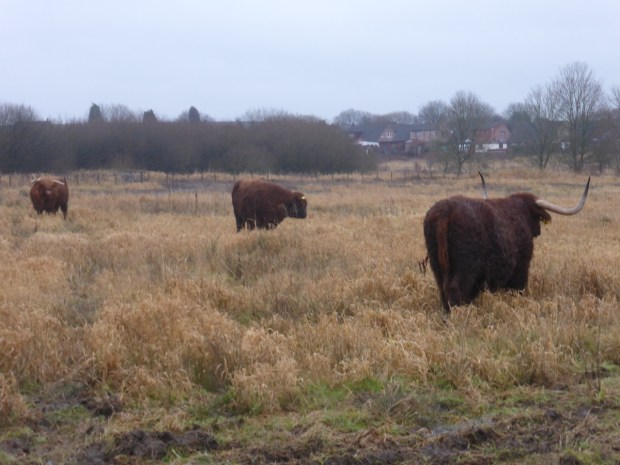
like the Highland cattle who have come from Lincolnshire – the ginger bullocks with their long curved horns.
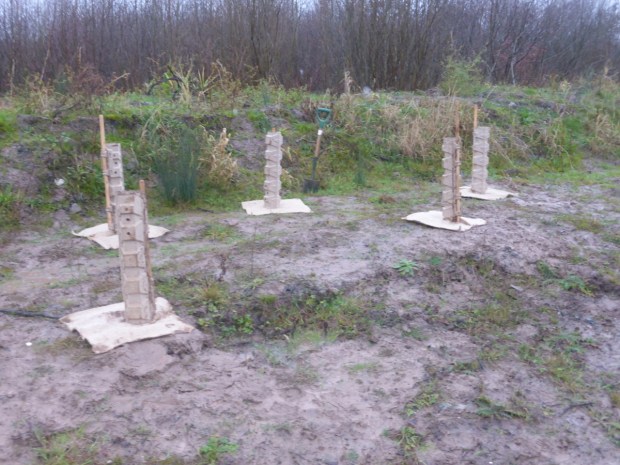
I want insects to walk in the tracks of my wellies as I pick up my mallet, spade, hessian mat, wooden pegs, cardboard guard carefully labelled with an arrow pointing up lest I forget my sense of direction in the wind and rain.
But they will not trust me for a long while yet nor will the lapwings, the redwings, the fieldfare…
I want to be more than a cardboard cut-out just miming and even more so when I remember the miners – hard hats, spades, picks
(when I Google Bickershaw it says more about the colliery than the village),
sinking shafts to the Plodder seam,
the falling cage and…
I am here planting trees sometimes overturning a stone or a piece of coal the chuck chuck chuck of my mallet a reminder of all the years of hammering
and I am afraid of the absence of the Whistlers who once upon a time gave a warning.
I am chucking out their memories.
Oh birds return oh birds return!
I believe this rod of willow is stronger than my prayers and I take faith in knowing it will outgrow the touch of a stranger.
‘the severed head represents a discrete category of bog deposit, which appears to be particularly well represented in Lancashire’ David Barrowclough
Until recently it was believed that the 23 human skulls found on Penwortham Marsh during the excavations for Riversway Docklands provided evidence for human sacrifice or a mass murder. This was based on the premise that they were all contemporary with the Bronze Age spearhead, the remants of a wooden lake dwelling, and two dug-out canoes, which they were found with.
Since then a sample of the skulls have been radio-carbon dated to between 4000BC and 800AD. Four are from the Neolithic period, one the Romano-British, and one the Anglo-Saxon. The range shows these people died at very different times. This has led professor Mick Wysocki to put forward the theory that the skulls belonged to people who died upriver, their corpses floating down to a tidal pool at Penwortham Marsh where their heavy skulls sank whilst their bodies washed out to sea. Wysocki’s theory is widely accepted among historians and archaeologists.
I believe that, for many cases, Wysocki might be right. However, considering the surrounding evidence, I don’t think we can rule out the possibility that some of the skulls were purposefully deposited in Penwortham Marsh. Lancashire (the historic county) has many examples of ritual depositions of severed heads.
On Pilling Moss was discovered ‘the head of a woman with long plaited auburn hair… wrapped in a piece of coarse woollen cloth and with it were two strings of cylindrical jet beads, with one string having a large amber bead at its centre.’ The jet beads date it to the Early Bronze Age. Another female head with plaited hair, from Red Moss, Bolton, remains undated.
From Briarfield, on the Fylde coast, we have the head of a man aged less than 50 years ‘deposited in a defleshed state without the mandible’ and dated to the Late Bronze Age. Another male skull, of a similar age and date, was found on Ashton Moss, Tameside. A skull from Worsley was dated to between the Bronze Age and Romano-British periods. Found near the famous Lindow Man, the head of Lindow Woman has been dated to 250AD. Heads, as yet undated, were also found at Birkdale, near Southport.
The purposeful deposition of the heads, without their bodies, suggests they were deposited for ritual purposes. The plaited hair of the females seems significant. The jet and amber beads with the woman on Pilling Moss implicates she was an important figure among her people. These burials appear to have been made with great reverence. I wonder whether they are suggestive of the belief that the head is the seat of the soul and if it is treated in a certain way the soul might remain present so that a group of people can commune with the deceased until the time of its burial.
The existence of this belief within Brythonic culture is supported by ‘The Second Branch’ of the medieval Welsh text, The Mabinogion, in which Brân the Blessed’s head continued to speak for eighty years before its burial beneath White Hill in London to protect the Island of Britain from attack (until it was dug up by King Arthur who couldn’t stand anyone defending the country but him). It seems possible these heads also had a apotropaic function, demarking territory, repelling enemies.
Whilst the two female heads appear to have been buried reverently, the head of the man from Briarfield was badly mutilated – defleshed and and the mandible removed. David Barrowclough suggests the ‘separation of the mandible’ might show it was a ‘battle trophy’. That the removal of the flesh and the mandible might have been representative of one group or person over this person. One can imagine this gory spectacle as a symbol of glory over a defeated foe and a warning to an enemy.
Again this tradition is hinted at in medieval Welsh mythology. In Culhhwch and Olwen,prior to his beheading and the placement of his head on a stake the giant, Ysbaddaden Bencawr, had his ears cut off and his flesh was pared down to the bone. In Geraint there is an enchanted game where heads on stakes stand in a hedge of mist and it is implied that any who lose the game end up losing their heads.
In The Red Book of Hergest exists a poem attributed to Llywarch Hen in which the sixth century northern British ruler carries his cousin Urien’s head back to the kingdom of Rheged after his assassination:
A head I bear by my side, The head of Urien, the mild leader of his army– And on his white bosom the sable raven is perched…
A head I bear from the Riw, With his lips foaming with blood– Woe to Rheged from this day!
It has been suggested that Llywarch Hen ruled Ribchester in Lancashire (amongst many other places!)
Ritualised beheadings, burials (and unburials) of heads continued in Britain until 1747 when the Jacobite leader and Scottish clan chief, Simon Fraser, was publically beheaded at Tower Hill.
I therefore believe it is possible that some of the heads from Penwortham Marsh were ritual depositions. It seems to be of no coincidence that, of the six examined, three died violent deaths. A Neolithic man was killed by a stone axe and a Neolithic woman by ‘trauma to the right and back of her skull’. A Romano-British person (the sex cannot be determined) met his or her death through ‘a pointed object such as a spear passing through the open mouth and into the skull.’
These people could have been killed and their corpses deposited in the Ribble upriver. Or they might be the heads of people in the group of lake dwellers who at one point built a wooden structure on Penwortham Marsh. Perhaps they were locals killed in battle or enemies whose heads they had taken.
A further possibility is that they were human sacrifices. The Lindow Man famously died a ‘three-fold death’. He was struck on the head (with a blow that fractured his skull), garrotted, then drowned. Lindow Man was buried whole, but only Lindow Woman’s head was buried. The reasons why, in one instance, a whole body was deposited and in another only the head remain unknown.
Perhaps examinations of the other 17 skulls from the Riversway Dock Finds would provide further clues?
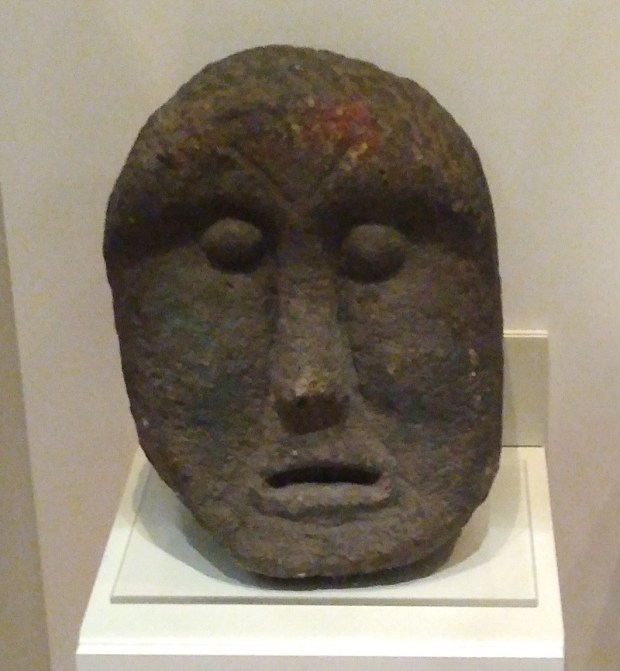
Another tradition that has lived on here is the deposition of stone heads (perhaps modelled on an ancestor?) rather than the heads of the dead in the Ribble as evidenced by this specimen in the Harris Museum.
*With thanks to the Harris Museum for permission to use the photograph.
SOURCES
David Barrowclough, Prehistoric Lancashire, (The History Press, 2008)Sioned Davies (transl.), The Mabinogion, (Oxford University Press, 2007)William Skene (transl.), ‘Red Book of Hergest XII, Four Ancient Books of Wales, https://www.sacred-texts.com/neu/celt/fab/fab060.htm (accessed 12/01/2020) Display in the Discover Preston gallery in the Harris Museum
‘The Twelve Days of Christmas’ is a ‘sacred and festive season’ marked by Christians between Christmas Day (25th December) and the Epiphany (6th January). It was instituted by the Council of Tours in 567 to mark the period between the birth of Jesus and the revelation he is God incarnate on the visit of the magi.
For me, as a Brythonic polytheist who venerates Gwyn ap Nudd as Winter’s King, the mid-winter holy days have always felt particularly special and sacred. They begin with Eponalia, on 18th December, the feast of the horse-goddess and midwife of the sun. This is followed by the Winter Solstice, 21st / 22nd December, the height of Gwyn’s reign and presence within the land. 24th December is Mother’s Night and, although this is traditionally an Anglo-Saxon festival, one I associate with the Mother Goddesses such as Matrona/Modron and Anrhuna. 25th December is the day of the rebirth of the sun-child Maponos/Mabon. Then the next twelve days are a time of rest and celebration based around casting out the old year and welcoming in and preparing for the new.
Over the past few years I have noticed an increasing number of other pagans and polytheists exploring ways of marking these holy days. There are existing traditions of using them for divination. From my mum I learnt of the tradition of recording one’s dreams and linking them numerically to the calendar months. Cailtin Matthews has suggested using the Twelve Days for reading nature omens in a similar way.
In his essay ‘On the First Day of Christmas, the Dead brought back to me…’ Lee Davies connects the Twelve Days with Gwyn, the Wild Hunt, and the dead, who ride out to clear the ground for the New Year and also bring blessings of prosperity. He speaks of the koryos tradition in which people not only embody but ‘become the dead’ – a possible root of the misrule associated with the Twelfth Night.
With this in mind I decided to use the Twelve Days as a period of more intensive prayer and prayer writing for Gwyn and the spirits of Annwn and the dead with whom he rides out on his hunt through the winter months. This resulted in a series of visions and visionary dialogues. Here I share a selection from the twelve prayers.
Twelve Days of Prayer
For Gwyn
I. Prayer is to open the little box of the heart to let in the god who cannot fit within
two sides of a membrane flap, dissolve like the so-called ‘veil’
between the worlds when you ride from the mist on a creature somewhat like a horse two hounds with teeth within teeth all the countless uncontainable monsters of Annwn
filling this little box I sometimes call a heart. When it bursts and otherworlds spill forth I know it is so much more.
…
III. You are ghost. You and your legions.
You clothe yourselves in cloud, in mist, you move through our world like the wind. Sometimes we hear you passing through. Sometimes we sense only your silence as you fill our vales with neither your presence or absence.
Sometimes I feel ashamed of my flesh and my fear to follow you into battle in the wars that rage on between the worlds.
Could it be that I’m afraid of death?
Of seeing my ghost looking back at me as I write this poem from amongst your kind?
“You wear your flesh and your fear well.”
You speak in the voice that turns gold to leaves and flesh to dust and skin to paper bearing an elegy on the heels of your host.
…
IV. “Fierce bull of battle, awesome leader of many,” I find myself whispering Gwyddno’s words as though they were the beginning of an ancient prayer.
“Who will protect me?”
“I will protect you.”
Your armour is a night of stars and each of them wields a spear against
my deep demonic fears.
I am awed by your strength as I am mystified by its origin for to whom does a god turn? To whom does a god pray?
I see a bull striding majestic down a passageway of light into the infinite brightness of a star, a heart, a fortress, the Otherworld within his chest.
…
VI. I come to pray when I want to scream.
If I could comprehend you could I contain the spirits within?
I fear to scream is the obliteration
of all prayer until you show me
how you tend to all the silent and the unsilent screams
for a scream is prayer as crescendo.
…
VIII. I pray to you as your awenydd as your inspired poet
speak of my restlessness the jangling of spirits within my intimation I could be
so much more and you say:
“Poetry is more than rhyming words. Awen is more than human speech.
The soul of the earth is living poetry and each soul itself a poem breathed –
part of the divine breath which keeps
the rivers afloat, the mountains high, the deer running through the woodlands, the birds in the skies, the flowers growing upwards turning their heads towards the sun. And has the power to transform it all – hurricanes, volcanic flames, tidal waves, the death-wind from a nuclear blast creating the wolves with glowing eyes and the monsters with limbs where there should not be limbs spoken of by awenyddion of long ago.
It can destroy (or fix) everything.
Why do you think I keep the awen in a cauldron in a fortress that disappears that spins that is shrouded by mystery and mist and is sometimes known as the towers of the winds and sometimes as the whale’s belly?
There is nothing more – I should know for I have sought, I have hunted, with every hound of Annwn beyond where the winds of Thisworld and Otherworld blow beyond the Universe and its moment of conception and come back with nothing on my bloodless spear, my hounds with nothing in their empty jaws, bearing nothing in my empty hands but knowing a little more about nothing.
One cannot be any more and about nothing there is nothing to be said so be happy as you are, awenydd, whilst still a bearer of the divine breath.”
…
XII. Your gift
is a shining bow washed in the light of the New Year’s sun.
I pray for the strength to draw it. I pray for the patience to carve the arrows each engraved with the words of a spell. I pray for the focus to shoot true,
mind, body, and bow as one, straight to the heart.
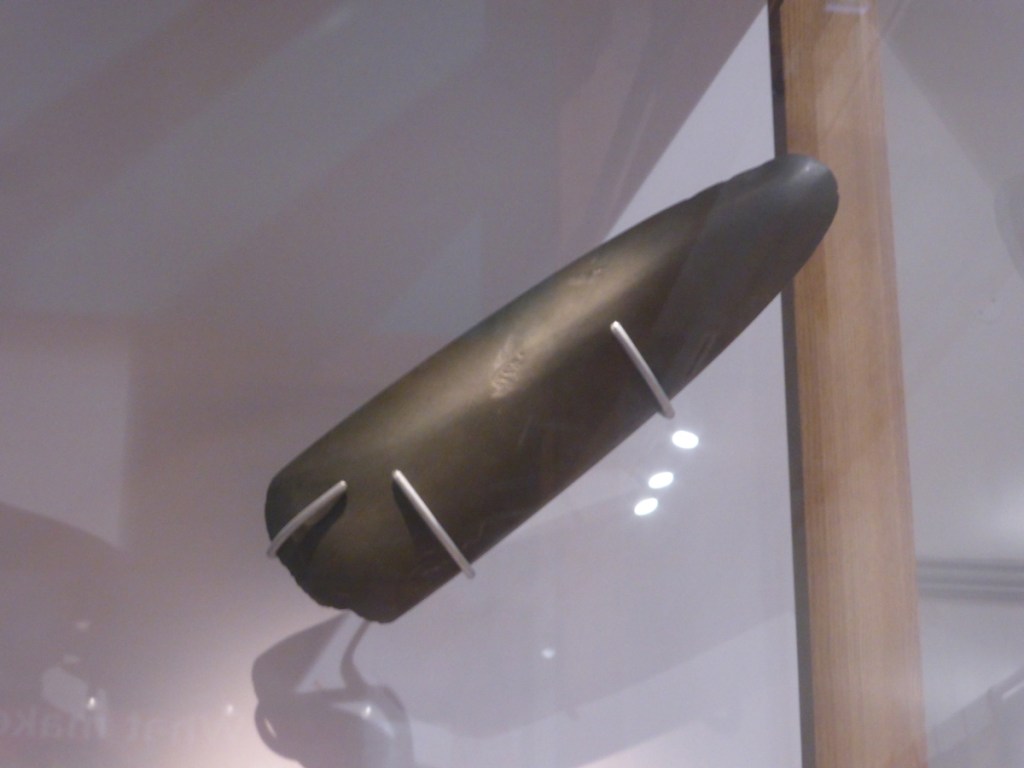
In the Harris Museum there is a beautifully polished stone axe which was found in the Ribble at Broadgate. The stone is smooth and grey-greenish. The larger cutting edge is sharp and rounded (although it looks like the lower portion may be broken) and the hafting end smaller, round, and smooth.
Hominids have been making axes for over two million years and they have taken many shapes and forms. These ubiqutous tools were used for felling trees, coppicing, in the crafting of dwellings, fencing, wooden walkways, and dug-out canoes, and in battle (one of the skulls found whilst exacavting the Riversway Docklands belonged to a Neolithic man killed by a blow to the head with a stone axe).
Polished stone axes are a Neolithic phenomenon and were made between 2750 and 2000BC. Most of the examples found in Lancashire originate from the Langdale axe industry and were made of Langdale tuff (a ‘greenstone’ formed from volcanic ash) collected and quarried from Pike of Stickle, Harrison Stickle, and Scafell Pike, on some of the highest fells in Cumbria.
These axes would have been recognised not only as special but as sacred due to the qualities of the Langdale tuff and the effort put into shaping and polishing it. Axes were polished with polishing stones, which can be recognised by the grooves made by polishing, and range in size from slightly bigger than the axe to standing stones within the landscape bearing multiple grooves.
Later oral traditions such as ‘The Thirteen Treasures of the Island of Britain’ listing artefacts such as ‘The Sword of Rhydderch Hael’, ‘The Knife of Llawfrodedd Farchog’, and ‘The Whetstone of Tudwal Tudclyd’ suggest the axe may have borne the name of its most illustrious owner.
After use, having been passed down through generations, polished stone axes were deposited purposefully. In Prehistoric Lancashire David Barrowclough records depositions on the north coast of Morecambe Bay ‘in fissures and gaps in the out-cropping stone’and in a limestone gryke at Skelmore Heads. Nine were discovered on Pilling Moss. At Crookabreast Farm an axe was found with four polishers, one of which was pushed ‘into a cavity in the roots of an oak tree… presumably a “moss stock” or “bog oak”’.
Barrowclough notes: ‘rivers and wetlands were important places for deposition and it is notable that the axes from Lancashire have a definite riverine and mossland distribution… many of the axes must have been deposited deliberately… wet places, whether river or bog, had a specific significance.’
Gaps, grykes, fissures, rivers, wetlands, and mosslands/bogs were seen by the ancient Britons as places of access to the Otherworld and as associated with its gods and spirits and with the ancestors. It seems possible that the Broadgate axe was an offering to Belisama, ‘Most Shining One’ or ‘Most Mighty One’, the goddess of the Ribble.
What brought about the decision to deposit the axe in the Ribble remains unknown. Perhaps the last of its lineage of owners died and it was deposited with his or her body in the waters (Mick Wysocki suspects the Neolithic people disposed of their dead in the river and their passage out to sea might have been seen as representing their passage to the Otherworld which was later known as Annwn ‘the Deep’).
Another possibility is that it was offered to Belisama as a petition to prevent the rising of her waters. Between 2300 and 2000BC the climate grew colder and wetter and the Broadgate area would have been inundated at times of high tides. Again we are entering a period when the waters of our seas and rivers are rising, this time due to man-made climate change, and the Broadgate polished axe might be seen as a symbol connecting us to our ancestors and the shared dangers we face.
*With thanks to the Harris Museum for use of the photograph of the axe.

 The Sanctuary of Vindos