Fragments of Annwn – Depths

No-One Knows

the extent of the marshland of Annwn. Some cross it in a day. For others it goes on forever like the mist that obscures the musical birds, the shriekers of the mournful shrieks, the droners of the ancient drone, the players of the carnyxes that gurgle beneath the waters. You never know what is splashing behind on countless feet until it is too late. Sometimes you get lost following the will-o-wisps like lost hopes to where all hope fails. Sometimes you make sacrifices or become the sacrifice see your bog body your ghost flying free like a lonely bird. You become an inspirer or a guide only to bring doom to the unwary. When you think you know the way you slip. When you think you have found the awen you find it escapes words, that the sigh of its name is already escaping your lungs, that breath is not yours to keep forever and must return to the gods.

Awenydd of the Marsh

“You have not yet crossed the marsh.”

No, I’ve got lost again, led round on splashing circle feet to the village where there is a wooden pole and on it a woman seated cross-legged on the head of a bull a crane with wings spread above her.

When she’s not on the pole she’s in the central hut a cord of light down the centre of her spine surrounded by worlds that flicker in and out of existence whether at her will or not I am uncertain.

I’ve never heard her speak, seen her eyes blink, perhaps she dare not for fear of unseeing the realities she holds within her gaze. She doesn’t even breathe. Without her things would fall apart.

My eyes are tired, I’m out of breath, my worlds are out of reach, and I’m missing something.

An Abandoned Sea-Dragon

A blue watery dragon is snared by a weak rusty-looking metal chain around one leg, like a ship at anchor, like an abandoned boat, where the tides come up and wash over her body then back down again. She is ridden with fleas. She is one of the dragons that have been forgotten. I know I could easily break the chain but am told that it is not the chain that binds the dragon there. She has forgotten how to leave. The knight who chained her has fled from his fear of her death. The people do not feed her. She just lingers. It’s an awful story. A terrible mess. There’s no resolution. It’s embarrassing.
elizabeth-explores-unsplash

With thanks to Elizabeth Explores on Unsplash for the image.
Fragments of Annwn – Petrifactions

The Towers of the Wyrms

Nine towers of stone.
Around each coils a wyrm.
No way in – no door, lock, key,
but a single row of windows at the top
where I think I glimpse the face of a madman.
They are old as the grey mountains.
I want to claim they were built
by the haulers of scree,
the wyrms summoned and bound
by the might of magicians or that they came
of their own free will raising the towers
from some secret land underground
that has never been seen. Share rumours
of a sibylline prophetess who consulted the wyrm’s heads
but whose words are not recorded in dusty books
in an arcane language eaten by bookworms.
But no explanation rings true or exists.
I feel like banging my head against
the stone demanding an answer
from the inexplicable unblinking eyes
and long stony tongues silent as the purple

In the Shadows of the Ogres

There is a village in the Shadows of the Ogres – Orius, Oron, Thoronius – whose march through the mountains clubs in hand wading through stone was put to an end to by some unknown magician countless years ago. Now the time is told by their shadows as they loom across the village as the sun moves from east to south to west then sinks back down again and at night they are shadowier still. There is a village fifty miles away in the shadows an ogress. I tend a small garden, growing rosemary and thyme where one by one the clubs fall but no damage is done to the tender leaves.

A Sword in a Stone

I travel as a breath over a land of dark rock until I see something silver glint, sweep down, and see, to my consternation, it is a sword. It’s a tall sword, nearly as tall as me. It’s impossible to know whether someone plunged it into the stone or the living stone claimed it. The pommel is embroidered with a a pair of intertwined serpents and on the blade are runes in the language of an unknown culture. Tied around the hilt there is a lock of hair – the hair of a dead man.

It’s like an adolescent boy’s dream and it makes me uneasy although I’ve never prayed for peace on a full moon. I know what you do with swords stuck in stones and what happens afterwards. I don’t want to be King or Queen and I don’t want to reduce it to a symbol of my own sovereignty. Whereas others would either try what is begging to be done or simply walk away I circle around it like a mill horse, try to philosophise it away, wonder if I can get away with just writing a poem about it.

“If you don’t pull it from the stone another will – you can’t just leave it lying about for another Arthur.”

I don’t know whose voice that is, most likely Temptation’s, that of a secret part of me that wants a sword.

“Ok, whoever you are,” I know if I don’t do it now I’ll be back and utterly furious with myself if it’s gone. Like all the other chances I got that I failed to take, like all those missed opportunities.

A part of me is laughing at myself for assuming that I might be able to pull it out at all. What a relief that would be – another proof that I’m doomed to fail, might as well stop trying, return to the supermarket. Another part has already guessed it will slide out as easily as if from dark magma.

It’s astonishing light, easy to wield, as if I’d wielded it in another life. When I sit down cross legged with it across my knees and run my hands over the runes I realise each marks a life taken and I weep.

The Soul Watcher

A land of stone. A giant’s sword abandoned. A stony citadel lit by cobwebs of pulsing green light. Inside I find a work station with a gigantic swivel chair in the middle. There are billions and billions of monitors, only a quarter of them working, tracking graphs in countless glowing colours. Frequently one flickers out and occasionally another one flickers on. A machine that reminds me of a fruit machine has either broken or been smashed. The screen is shattered and it gapes black behind. At the work station there are databases with flashing figures and I see the names of various species: Acetobacter aurantius, Acinetobacter baumannii, Actinomyces israeliiLycaena boldenarum, Lycaena epixanthe, Lycaena rauparahaVulpes velox, Vulpes vulpes, Vulpes chama, Homo sapiens… for one the figures are rising and most of the rest are rapidly going down. On a stone plinth is a book with a last scrawled note: ‘steep decline… can’t reboot the machine… the well.’ As I depart I notice the green light is fading and know soon the citadel, the sword, we will be gone.

A Worm

You give me

a worm
no longer than
my palm

but alive
so very alive
it pulses

like a heart
it is packed
with life

with light
I know it can
fly through

the night
through stone
bring the dead

back to life
awaken giants
bring back

the morning
if only I can
let it go.

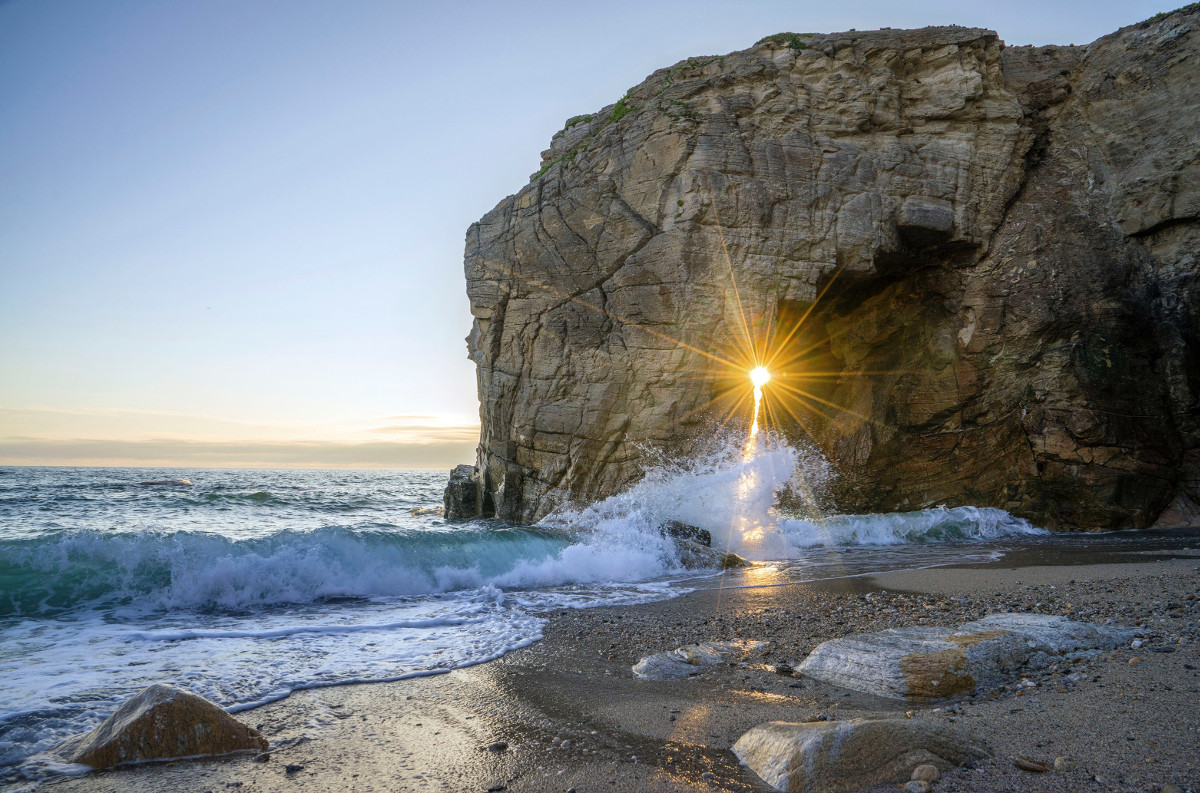
pedro-lastra-cotesauvageatsunset-unsplash

Image ‘Cote Sauvage at sunset’ by Pedro Lasta on Unsplash.

Ward’s Stone

Now, at that highest point
on the fells, no trace remains of what
was done so long ago,
but its name has endured.
They call it
the Wardstone.
– Joseph Delaney

What was done so long ago?
Bog feet squelch across the moors.
Black peaty waters know.
Underground streams pour.

Its name has endured.
Sphagnum knows the springy secret
of the one known as the ward
but cannot keep it.

They call it the Wardstone,
say it keeps the fells in place,
some Annuvian monster down.
At the highest point no trace.

This slideshow requires JavaScript.

I’ve lived in Lancashire since I was six but this is the first time I’ve been to Ward’s Stone, the highest fell, made hauntingly legendary by Joseph Delaney in his awesome Wardstone Chronicles.

It’s a wonderful place although not many humans seem to visit. I saw one group of students who gave up after the first few boggy patches and a couple who vanished into the earth at the Queen’s Chair. Somehow, in spite of all the bogs, I didn’t get wet feet. Walking boots are the best invention ever!

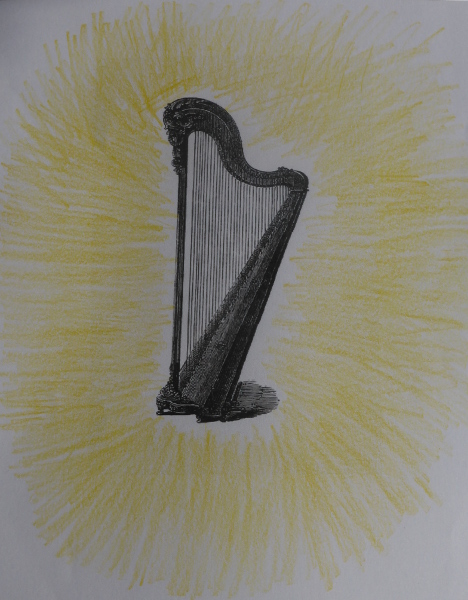
Mabon Learns to Play the Harp

It was Mabon who played then in the youth of the world
Greg Hill

Take the hand of the invisible
and make it visible.

Pluck a chord of light
like a string from the ball of the sun.

Imagine spiders spinning their webs

between the constellations;
the songs of the stars,

make them audible.

Fashion the nine chords
of my harp – the harp of Teirtu –

do not think of how it will play alone
as you in this House of Stone

in the hall of Pen Annwn.
Think not of the turning of his fortress

‘in Annwn below the earth’
or ‘in the air above’.

Do not ponder the reason
for your imprisonment – why

you must become an awenydd or bard.

Reach into the darkness with the audacity
of youth and imagine the discovery

of the wealthy realms of Pluto.

Ask not why the sun does not shine there,
why a dog’s jaws are the doors

and questions remain unanswered.
Reach deep within for the chord that moves

the hearts of planets – underworld gods.

In the river of tears consume the hazel nut
unknowing if it contains the awen

or countless meteoric souls.

Escape down the trail of a meteor
on the salmon of Llyn Llyw.

Take the hand of the visible
and make it invisible.

Forget this story –
you have always been the harper
and my harp has always played on…

Mabon's Harp

For Tonight

I am a shape who shifts
like the costumes of mosses
like the rabbit eyes of trees

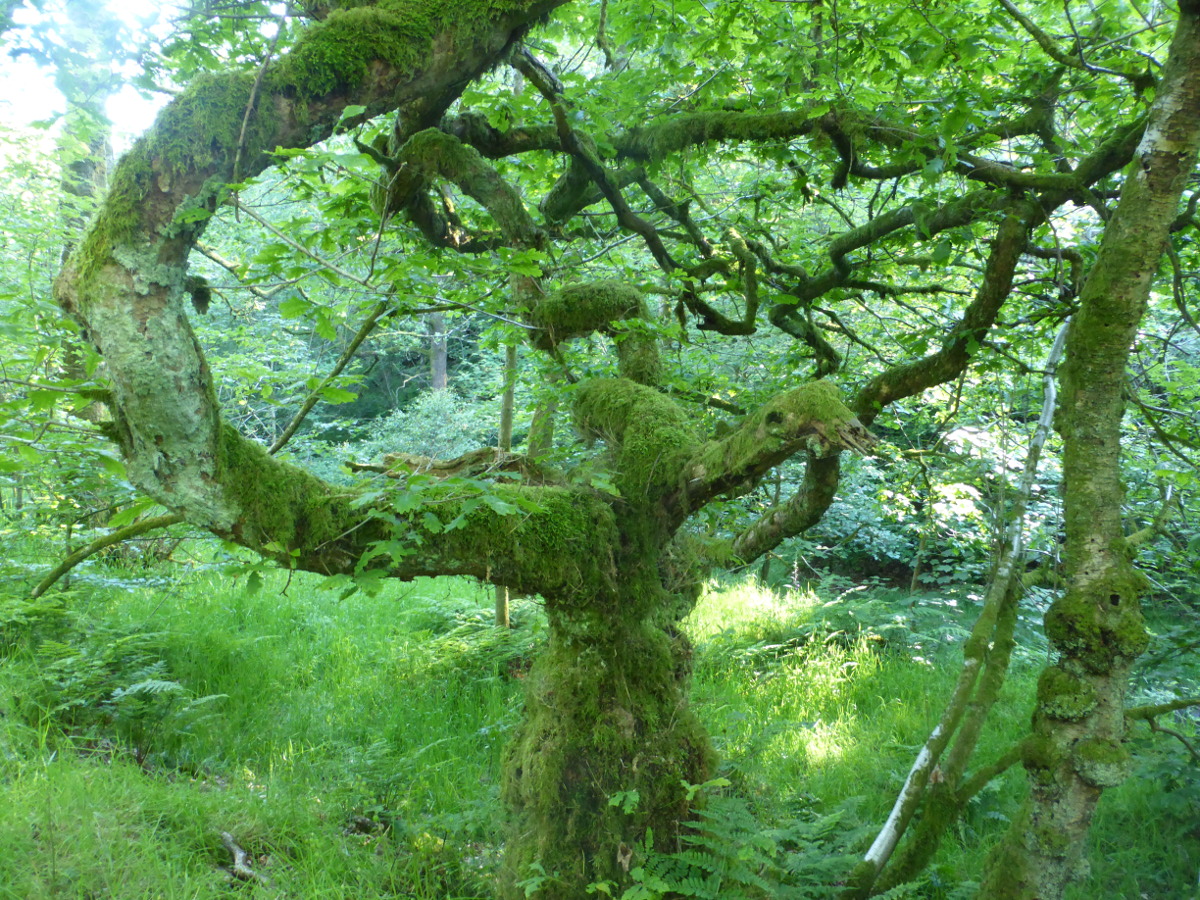
Tockholes I

leaping out of my skin
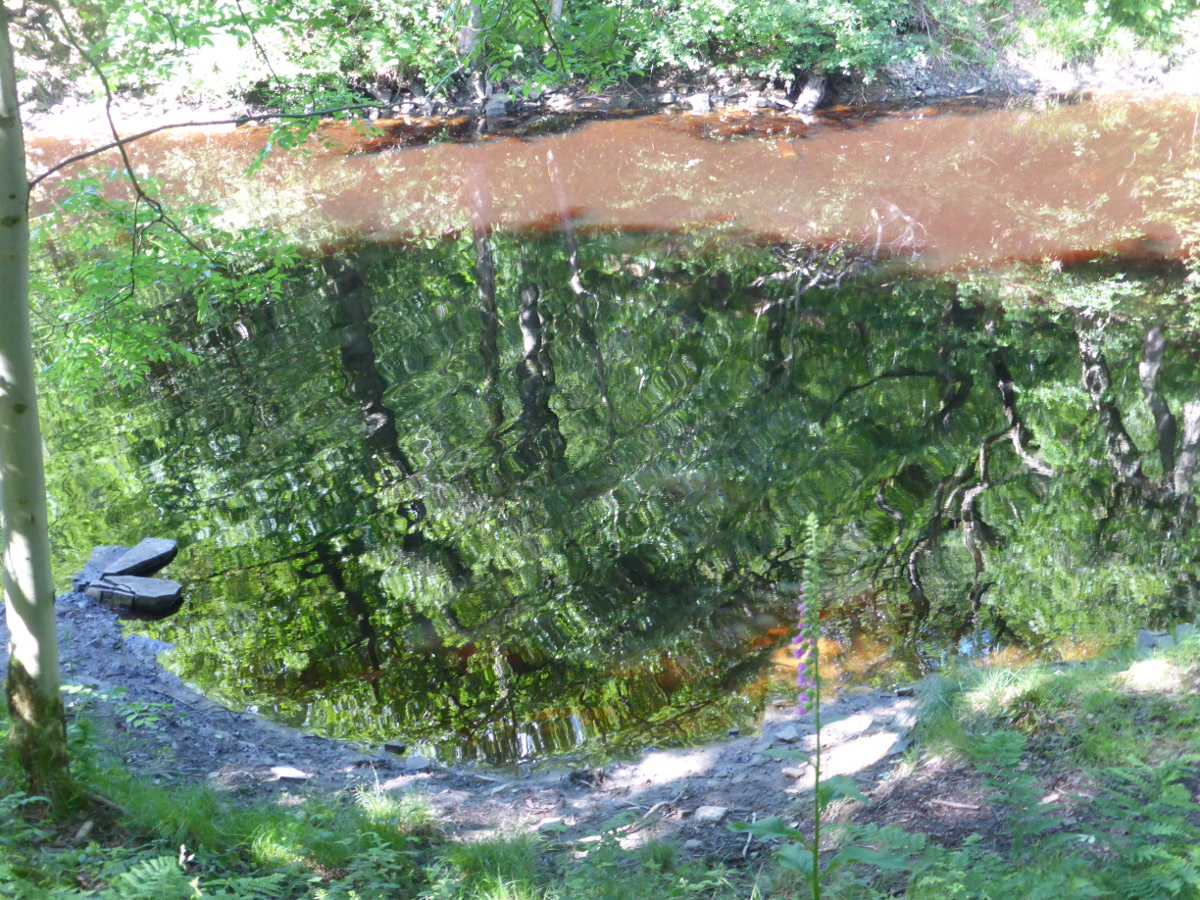
plunging into the dark arms
of underwater trees

Tockholes III

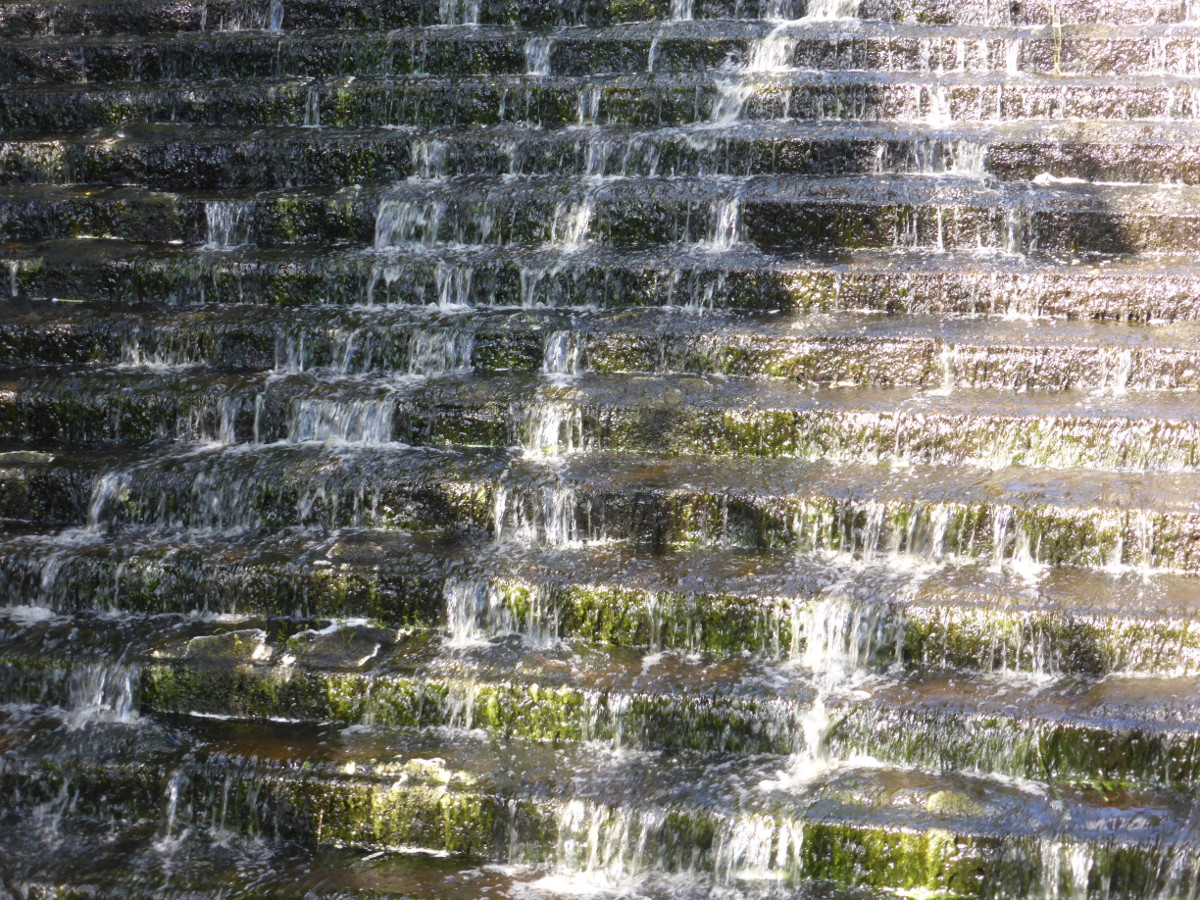
for once knowing beauty and fluidity
as I run down stairs without
missing a single step.

Tockholes IV

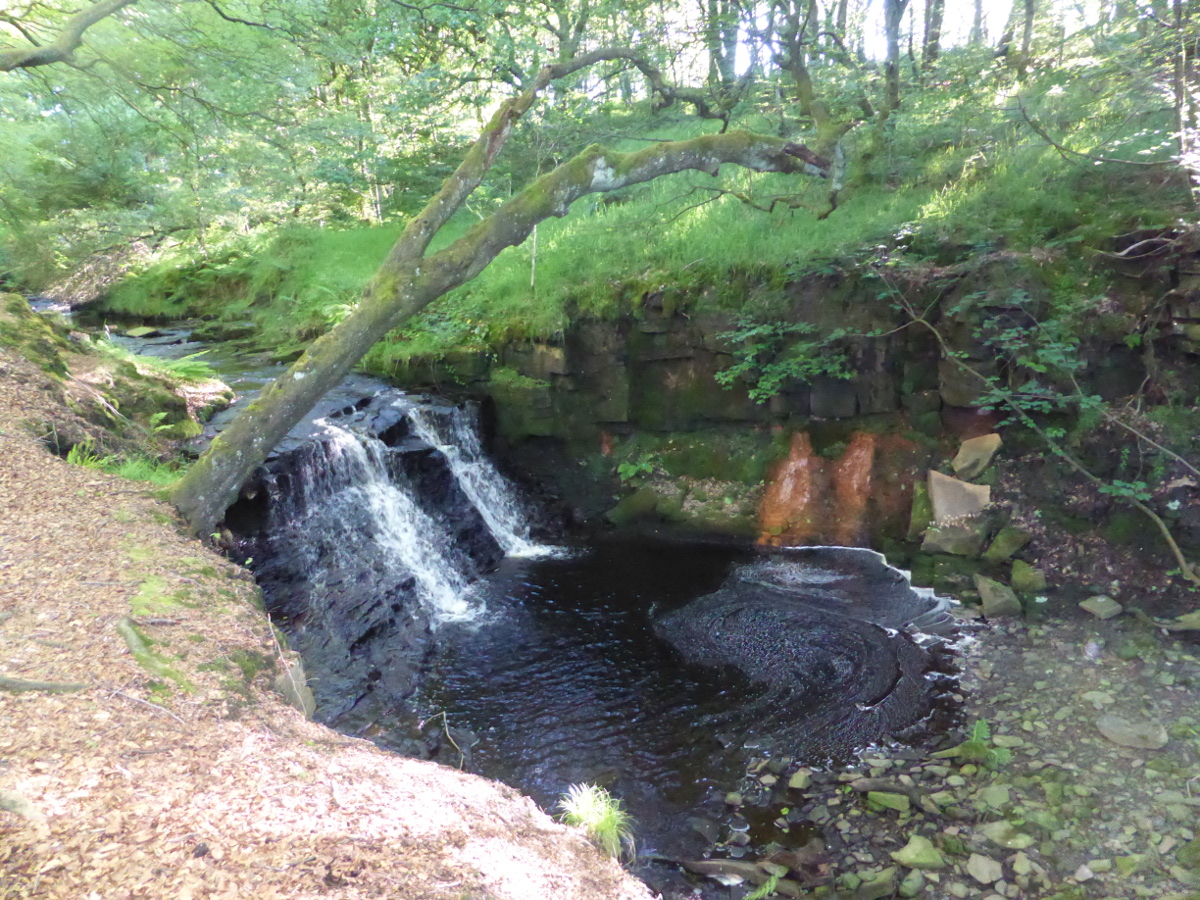
I am the waterfall and its deep pool,
the sun reflected and the fear
of loss surrounding him
like the magic of Faerie,
the golden ball,

Tockholes V

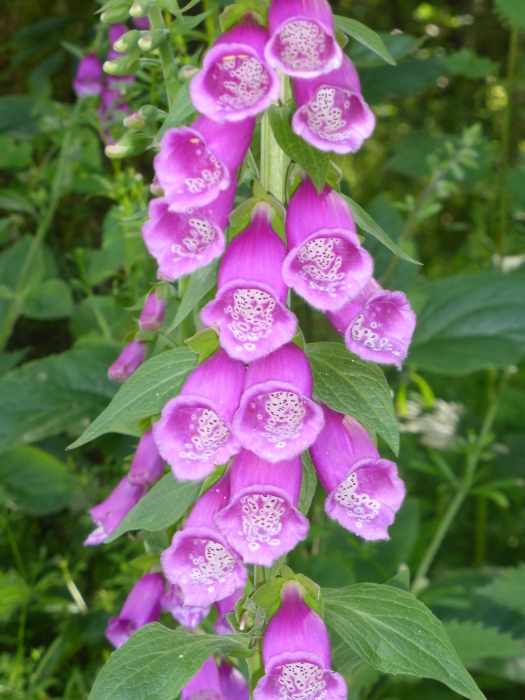
the secrets found by bees
crawling into the purple caverns
of foxgloves emerging centuries later
coated in dusty wisdom.

Tockholes VII (copy)

Can it be possible
that I am wide awake
like your rival as you dream
these enchantments

and here, now, even
at midsummer

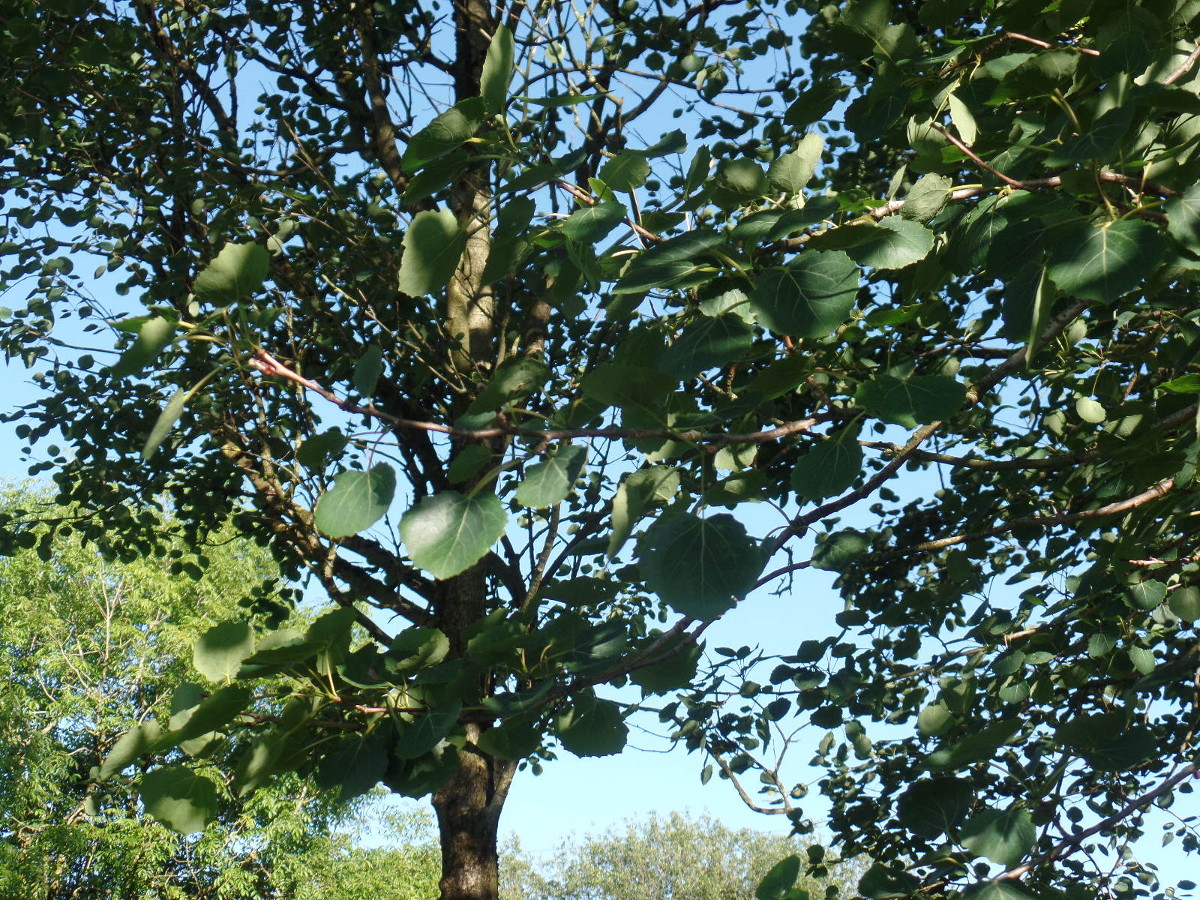
the aspen trembles
at your name?

SAMSUNG CAMERA PICTURES

*This poem is based on a walk in Tockholes Wood on Midsummer Eve and is addressed to Gwyn, who remains a presence in my life even in his absence from the landscape.

Her Crying Eye

For Creiddylad

Weep tears
surround me
like a stranger
to all hope like
a Goth song

always winter

in black by
the strobe lights
underground.

In the catacombs
the priestess weeps:
the altar is gone.

Reminders flash.

Was this worship?

Raising my hands
to the other stars of
disco balls drums

pounding sadness
all night in the dark
half of the year?

Pay the price.

Yes I’m paying.

Must I pay by tears?

I stole her ecstasy
in a white-cream pill.

Was this happiness?

Flashbacks repeat.

I am always empty
but her crystal tears
suggest something.

I wish I could cry.


Crying Eye Clip Art Library II

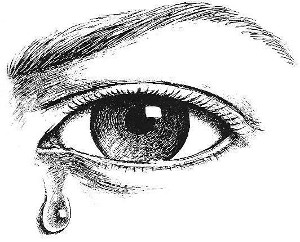
*This poem was inspired by the visions of two participants in a workshop I ran on ‘Honouring Creiddylad’ at the Space to Emerge camp – they both saw a crying eye.

Seeking Blodeuedd

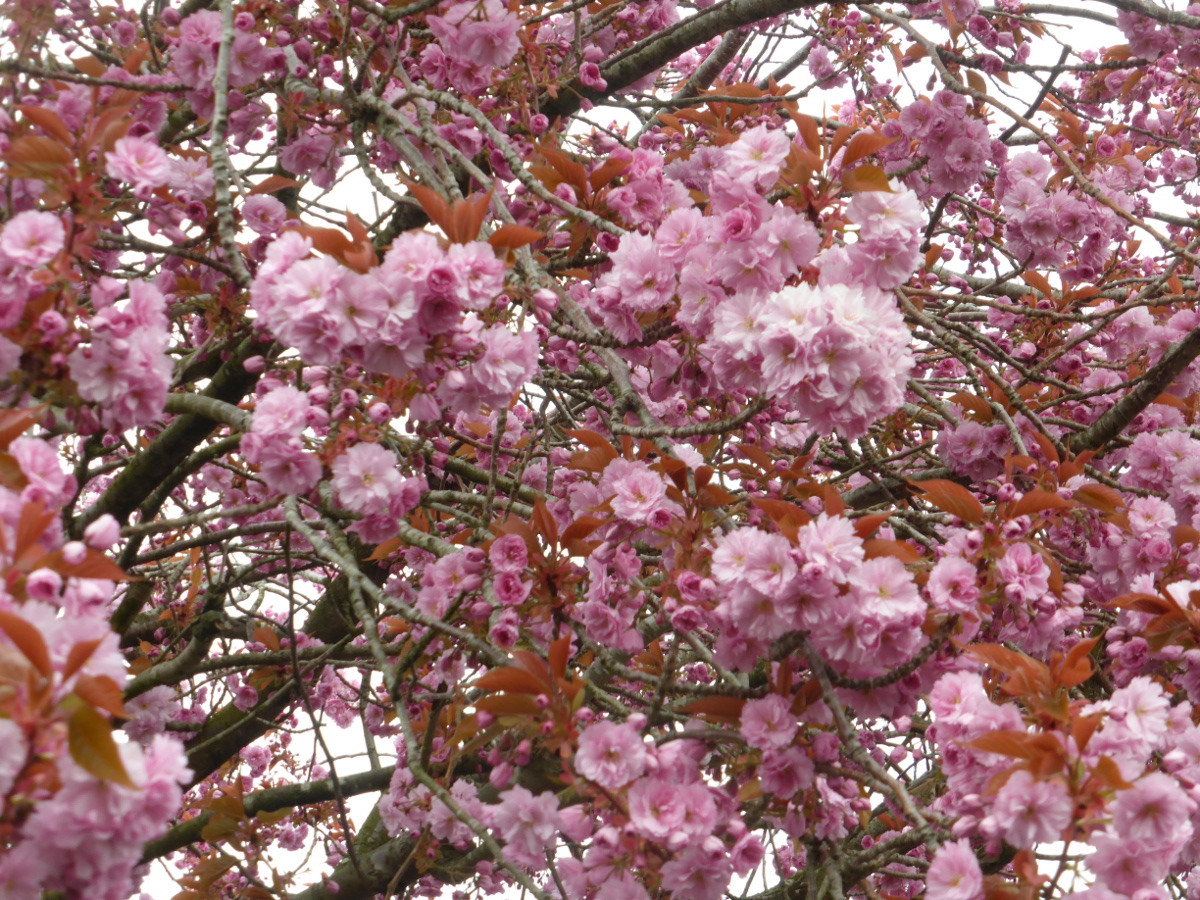
Cherry Blossoms Conti April 2019

I.
I seek you
where the petals
of magnolia fall
and cherry blossom
see you fleeing the ideal
of pale flesh

running into the woods
seeing yourself everywhere
dew beads on bluebells.

Doomed to be beautiful
you want to tear off your face.

II.
You want to sink your talons
into Lleu for whom you were made,

who acts like such a mummy’s boy
even though his mother disowned him,
refused to give him a name, weapons, a wife.
You hate this explanation for your being
and sate your hatred on loving Lleu

who did nothing wrong except be a man
in the wrong time and place.

III.
You do not know who Gronw is
until he brings you the stag’s head,
antlers shadowed on your bedroom wall,
until you wake knowing you have

a soul and weep for the first time.

Seeing clearly you choose your fate –
you will kill to have your own way.

Eyes large and wide honeyed beak:
“Tell me how can you be killed?”

IV.
Every Sunday you help to polish
the shaft of the poisoned spear,
try to restrain hysterical laughter
as you round up the goats by the river,
strip him, sponge him in the bath,
help him into that ludicrous position,
one foot on the goat one on the rim,
stark bollock naked shining like the sun.

When the spear strikes the sun falls
from the sky and flies away as an eagle
and you are left in darkness already
a creature of the night – Flower Face,

petals wilting in your marital bed,
flying free embracing your dark truth.

When Gwydion speaks your true name:
Blodeuwedd he does not know what he
called up, bound, and released.

The Riddles of Manawydan

What is the water you cannot drink?
What is the mineral that kills and cures?
What is the ship you cannot sink?
What is the light that warns and lures?
Who sings the song that robs and feeds?
Who are the horses that run without feet?
Where is the cloak that was shaken between?
Why does the sea yearn for the land?
Why is this seafarer land bound?

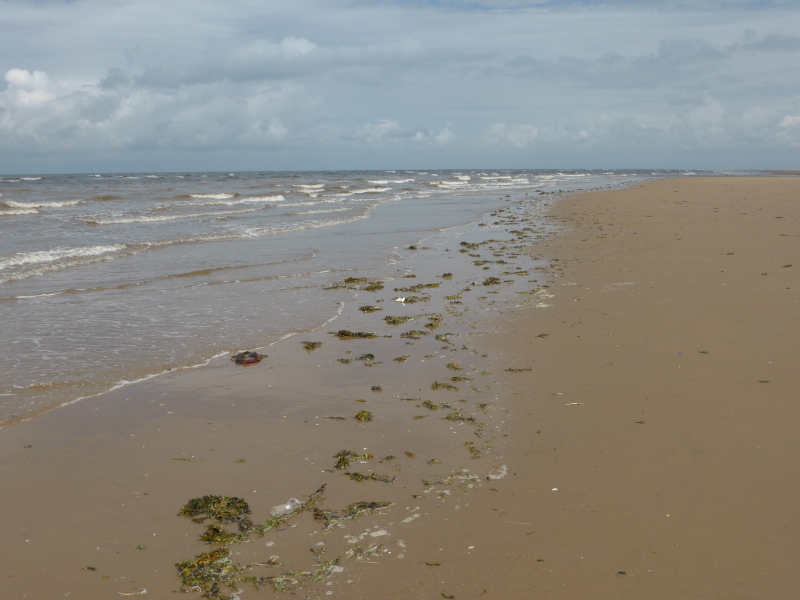
Sea at Blackpool

Ffortiwna

Ffortiwna
you are beautiful
sparkling-eyed
contagious laughter

humming at your wheel
the silver threads of destiny
shimmering between your fingers
your silver thimble dancing
as you sew our garments

your magpies plucking
the threads and cutting them off
with a snap of their beaks.

On your loom we are broken
and rewoven more tightly
into your singing web.

You are spider-like
in your song many-eyed
watching over us.

You are undecipherable.

We count your magpies
but cannot guess your will.

You raise us up and whirl us
through the skies in your chariot
of thundering silver wheels
then you hurl us down.

Still I come to court you
with magpie-feathered hair
on bent trembling knees

in gratitude and acceptance.

Everyone weeps with me.

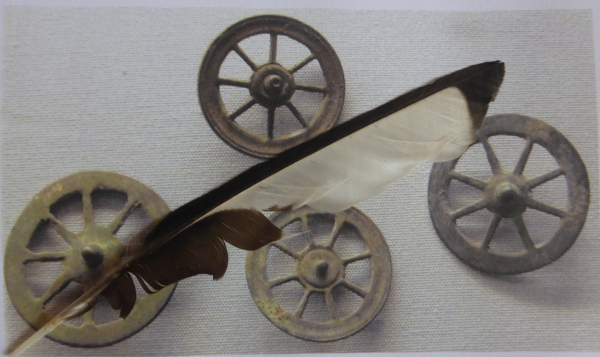
Wheels and Feather of Ffortiwna

*This poem was written as a response to ‘O Fortuna‘, a complaint about the goddess of Fortune in the Classical myths. A few months ago I had an encounter with the Gallo-Brythonic god Taranis and his daughter, who told me she was known as Fortune by the Romans. I afterwards intuited that in the eyes of the Britons she would have been known as Ffortiwna. This poems attempts to present a more balanced view of this goddess based on my personal gnosis.

The Epiphany of Lleu Llaw Gyffes

Lleu

I. The Oak

Lleu-in-the-Tree
Lleu-in-the-Tree
Lleu-in-the-Tree

Tell me why
he has pierced us
with his spear

Lleu-in-the-Tree
Lleu-in-the-Tree
Lleu-in-the-Tree

Tell me why
ooze drips from our
rancid wounds

Lleu-in-the-Tree
Lleu-in-the-Tree
Lleu-in-the-Tree

Tell me why
we are filled with
rot and maggots

Lleu-in-the-Tree
Lleu-in-the-Tree
Lleu-in-the-Tree

Tell me what
visions we must see
in these leaves

Lleu-in-the-Tree
Lleu-in-the-Tree
Lleu-in-the-Tree

Tell me what
lessons we have
failed to learn

II. Lleu’s Lament

I am filled with bitterness:
black bile, yellow bile, phlegm, blood,
yet no theory of the humours
or anatomy of melancholy
explains my sad state

and no letting of blood
or application of leeches can
purge the badness within.

So I am here on this tree
telling the story of how I saw
the sun and it was Fool’s Gold.
My wife was made of flowers.
My armour turned to dust.
My fortress was rubble.

I have lost the meaning of my name.

I have come to doubt I even exist,
yet cannot close my eagle eyes.

Like the Eagle of Gwernabwy
I have watched civilisations rise and fall.
Like the Eagles of Pengwern and Eli
I have sunk my beak into flesh
and tasted rot and maggots.

I have seen the rotting corpses
on the battlefield at the end of the world,
the souls sparkling like iron pyrite
in the veins of the night skies.

I have looked into the abyss
and the bright lights do not console me.

I go with reluctance into Gwydion’s arms.

III. Lleu’s Resurrection

He does not want to live,
this putrid sack of dirty feathers,
bones, rotten flesh, stench,

still I clamp my mouth to his,

massage his reluctant heart
slippery and recalcitrant.

When this does not work
I call upon all the electricity
from Maentwrog Power Station,
take the paddles and recite

the words of a forbidden spell
stolen from the depths of Annwn
to bring life to the newly dead.

An ALMIGHTY FLASH –

his body jerks like frog’s legs
or the monster of Frankenstein.

He breaks the leathery bonds,
shakes off his feathers and rises
like the sun from my stony table
leaving a black charred shape.

A haze of smoke surrounds him.

His eyes are burning his hair aflame!

BEHOLD THE RESURRECTION
OF THE LIGHTNING GOD!

IV. Dinas Lleu

Lleu will not return
to Dinas Lleu tonight

woodbine twines the walls
as if in search for a lover

an owl circles overhead
with a hoot is gone.

Lleu will not return
to Dinas Lleu tonight

thistles break into the hall
to find an empty hearth

the fire long gone out,
a pile of black char.

Lleu will not return
to Dinas Lleu tonight

in the ashes I scrawl
with a feather the outline

of a bird against the sun
unknowing if it is the end

or beginning of a myth.

*I wrote this sequence of poems in a single morning shortly after finding out I’d got an infection following my hernia repair operation. Thankfully it seems to have cleared up now.