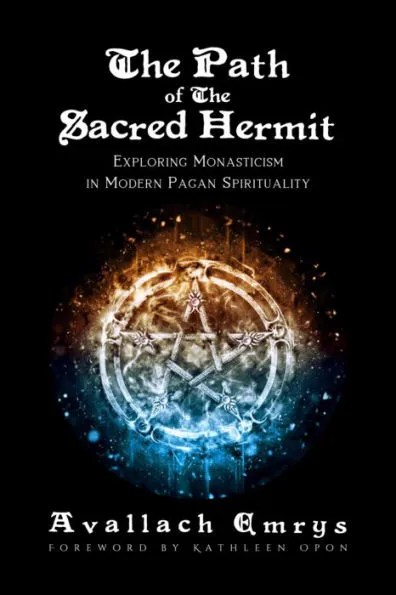
Review – The Path of the Sacred Hermit by Avallach Emrys

The Path of the Sacred Hermit: Exploring Monasticism in Modern Pagan Spirituality is the first book by Avallach Emrys. Avallach is a novice monk with the Gnostic Celtic Church of the Ancient Order of Druids of America and  the Order of the Sacred Nemeton. He is also a monk with the Monastery of Annwn and has played a much appreciated role in setting up our forum.

This is the third book I know of that has been published over the past few years on the topic of Pagan and Polytheistic Monasticism (1) as the movement, originating in the early 2000s (2), continues to grow and define itself.

In his introduction Avallach makes it clear this is not a scholarly book but one created ‘as a novice… for other novices’. It is a ‘book for beginners’.

He defines Pagan Monasticism as: ‘A way of life that returns us to a focus on the simple things: our connection to the natural world, our connection with the Divine, and our connection to each other. It is a life of service, devotion, and contemplation.’

Speaking of what Pagan Monastics do in terms of monastic spiritual practices he lists prayer, meditation, ritual, ceremony (including celebrating Holy Days), making offerings, shrine tending, divination, and keeping daily offices/a monastic horarium. He notes that ‘Pagans also engage in study and learning’, service to the community and environment, and self-care and self-improvement such as regular exercise and healthy eating. 

It is of interest, that in contrast to monastic traditions in other religions and the definition of Polytheistic Monasticism put forward by Janet Munin (3), that Afallach does not mention renunciation or any strict rules controlling behaviour.

Avallach goes on to say that Pagan monastic practice is based on four components – ‘discernment, discipline, devotion and contemplation’. I thought this explicated a strong and firm foundation and has led me to contemplate how these four components manifest in my own spiritual path.

A brief history of monasticism is provided. Also coverered are key elements of monasticism one would expect to find in a beginner’s book such as monastic vocation (and suitable vocations for paid work), commitments and vows, life as a monastic and the challenges of creating physical Pagan monasteries.

In the Appendix are writing exercises and prayers by the author written for commitments and Holy Days and for honouring individual deities such as Brighid and Cernunnos. Some of these include Latin translations. As I can’t read Latin I can’t vouch for their accuracy but I found this impressive as a devotional act in itself. 

I felt this book covered the basics of Pagan Monasticism very well and provided some sound components to help a beginner to start practicing. Much of it resonated with me as Brythonic Polytheist, such as the section of devotion. ‘Devotion means giving your heart and mind to the deity or deities you worship and committing yourself to their service. It means making them the focus of your life and seeking to live in accordance with their will.’ 

Another thing I liked was the repeated emphasis on doing ‘what works for you.’ The following passage, I felt, was of utmost importance for a beginner – ‘don’t feel like you must do everything that traditional Monastics do in order to be considered a “real” monastic. Instead focus on small commitments that work for you.’ Not feeling monastic enough is an obstacle that has hampered my own spiritual progress and taken joy from my path.

This book is not without its flaws. The language is quite repetitive and the author explains that in the introduction, stating that he chose that style to convey a ‘concise and easily-readable message’.

Whilst in some places the approach to deity resonates in others I found it a little problematic. Avallach says, ‘One way that pagans connect with the divine through devotional prayer is by honouring deities associated with different aspects of life such as love, fertility, or protection. For example, a pagan seeking to improve their love life might choose to honour Aphrodite, the Greek goddess of love’ or when ‘trying to conceive’ honour Freya ‘for fertility’. Whilst understanding the need to keep things simple I thought it might be worth adding a cautionary note that one needs to build a relationship with deities before asking for ‘blessings and guidance’ and it’s not always the obvious deities who choose to relate to us and answer our prayers.

I was also a little unsure about the author’s claims about the existence of historical ‘monastic magick’. He notes it has been found in ancient Egypt in the ceremonies of ‘temple priests and priestesses’ and in ancient Greece in the context of the mystery cults but I’m not sure how many of these practitioners identified as monks or nuns. However, this isn’t my area of expertise, and as there are no footnotes, I couldn’t check the sources.

Overall I feel this book makes a valuable contribution to the Pagan and Polytheistic Monastic movement and succeeds in fulfilling the aim outlined in the introduction of providing a guide for novices written by a novice monk.

The Path of the Sacred Hermit is available through Barnes & Noble HERE.

  1. The first is A New Monastic Way: Modern Polytheistic Celtic Monasticism by Oisin Dolye (2017) and the second is Polytheistic Monasticism: Voices from the Pagan Cloisters edited by Janet Munin (2022).
  2. With Matreum of Cybele which has been running for 20 years https://www.gallae.com/
  3. ‘Monastics are those who take solemn vows to live centred on their relationship with one or more Holy Power. Anything which impedes or compromises that relationship is left behind or minimized as much as possible. They are renunciates, offering up wealth, social status, a conventional career, and family life on the altar of devotion.’ Polytheistic Monasticism: Voices from the Pagan Cloisters edited by Janet Munin (2022), p.2
Not Quite an Anchorite

‘This is a point in our lives where we decide (or are forced) to throw the anchor down, to live in one place, have a teacher, dig in.’
– Martin Shaw

The word ‘anchorite’ or ‘anchoress’ comes from the Greek, anachoreo, meaning ‘to withdraw’.
– Mary Wellesney

I am not quite an anchorite.
I have not yet been buried alive.
Not with Christ. Not even with Gwyn.
I do not live in a cell twelve metres
by twelve metres with servants
to bring my food, remove my waste
and feed me books in exchange
for insights from a tiny window called a squint.

I have not yet given up all my worldly possessions or ambitions.

I like to run and might have been one of the nuns
who ran away like Isolde de Heton from Whalley Abbey
in the 1470s but not for forbidden children or men

but simply for the desire to roam however far
my walking, running or cycling legs will carry me
through the labyrinth of this land following the streets
that lie on older streets, on pilgrim’s paths and padways
and Roman roads and horse paths and deer paths.

The horses in me bolt from their stables when kept in too long.

They run with the hounds before the wolves and ravens,
the owls with their crazy eyes mad on psychedelics,
the portents from the stars and our gardens.

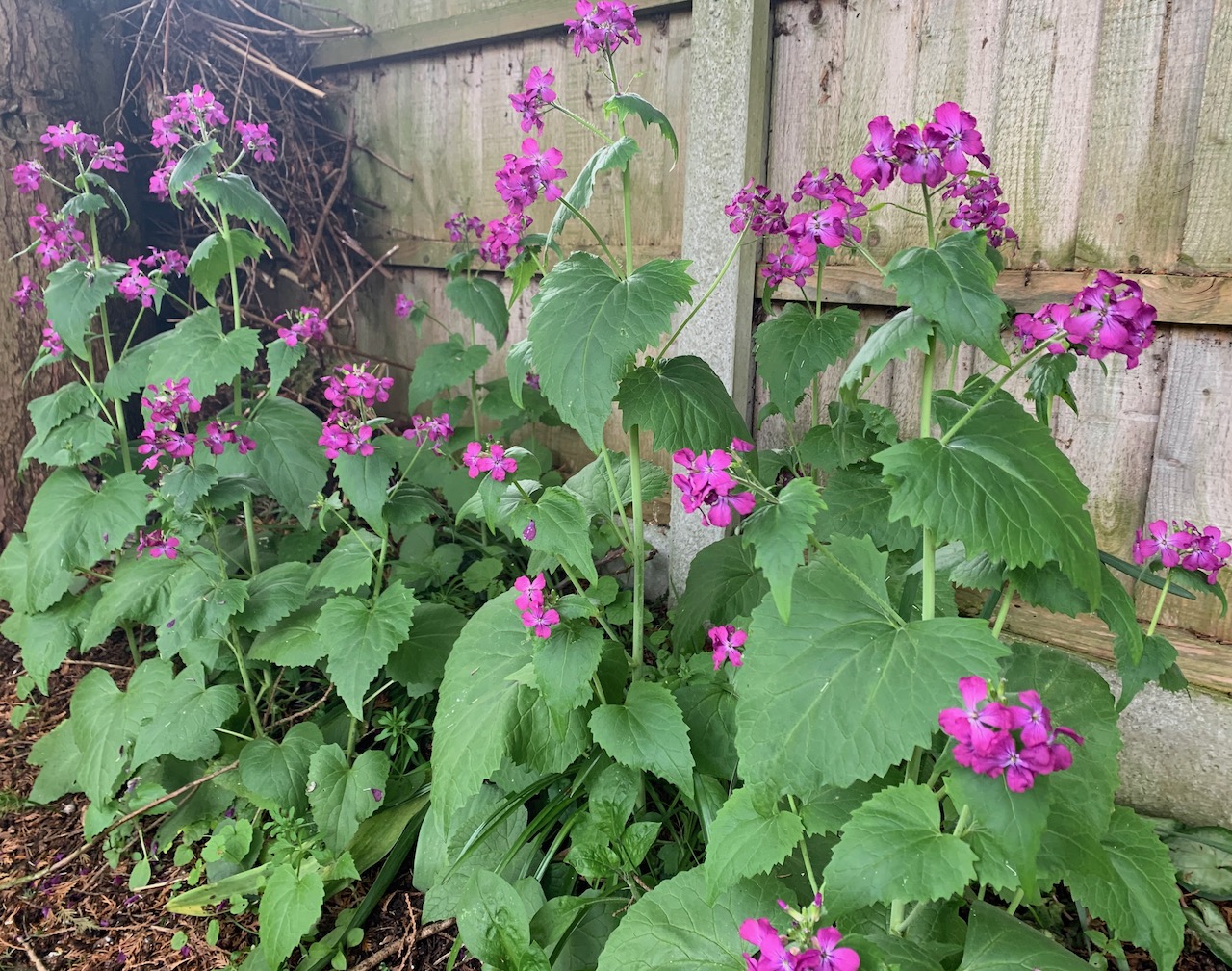
Honesty is here and all the pavement plants.

I am told I must be ‘a guide to the soul.’

I fear my revelations will be mundane and suburban.

They will include words like ‘cloths’ and ‘washing’ and ‘washing up’
but also honesty, Lunaria annua, enchanter’s nightshade, 
Circaea lutetiana, ivy, hedera, yew, Taxus buccata.

In a vision I am a hell-hound prowling around my anchor.
I am the anchoress who howls and where my head is I do not know.

Rescuing the Wrens

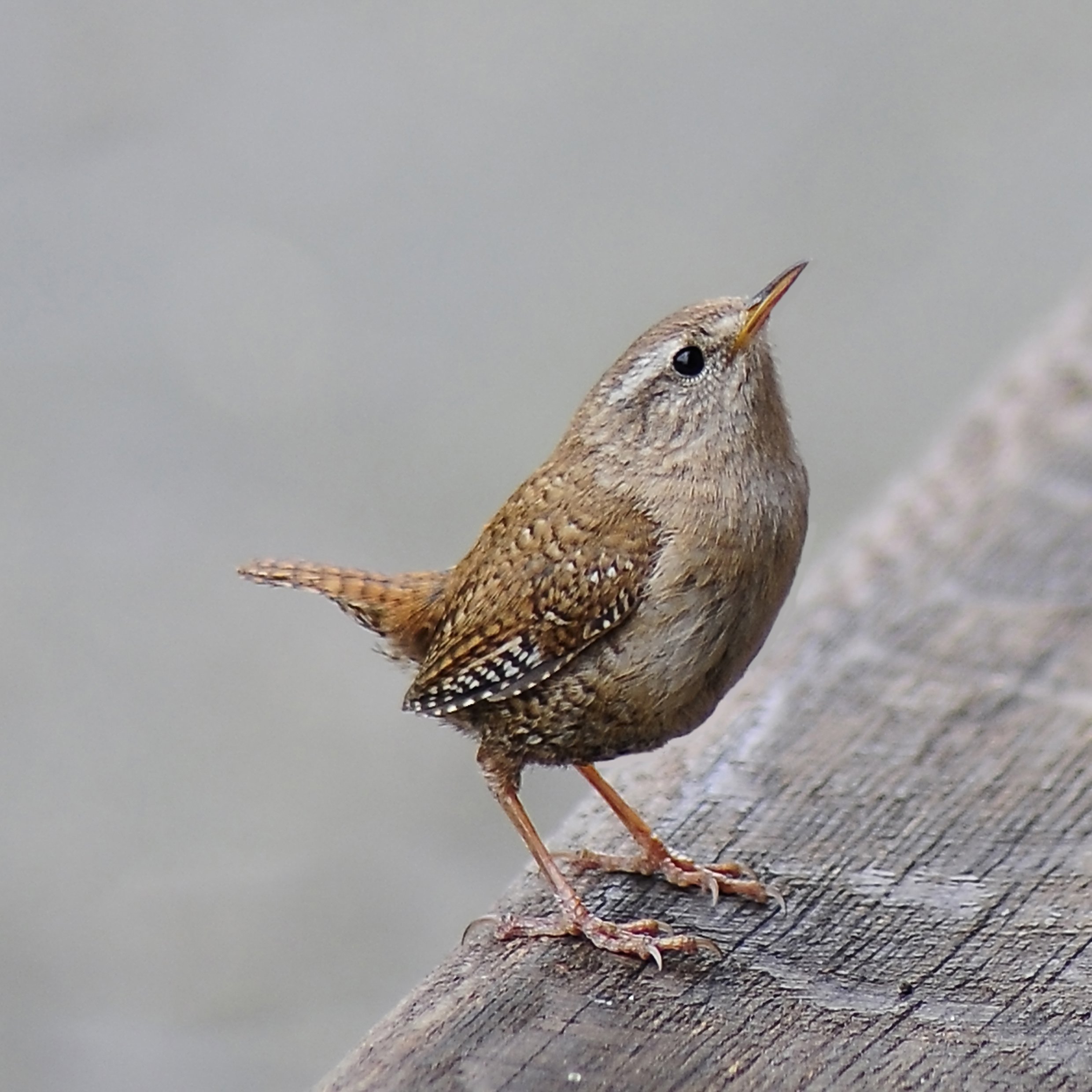
I dream of a wren’s nest on a wooden beam overhanging tidal waters. Then I’m holding it. It’s warm and soft and feathery and filled with baby wrens. I’m afraid for them. I fear they will fall into the water. 

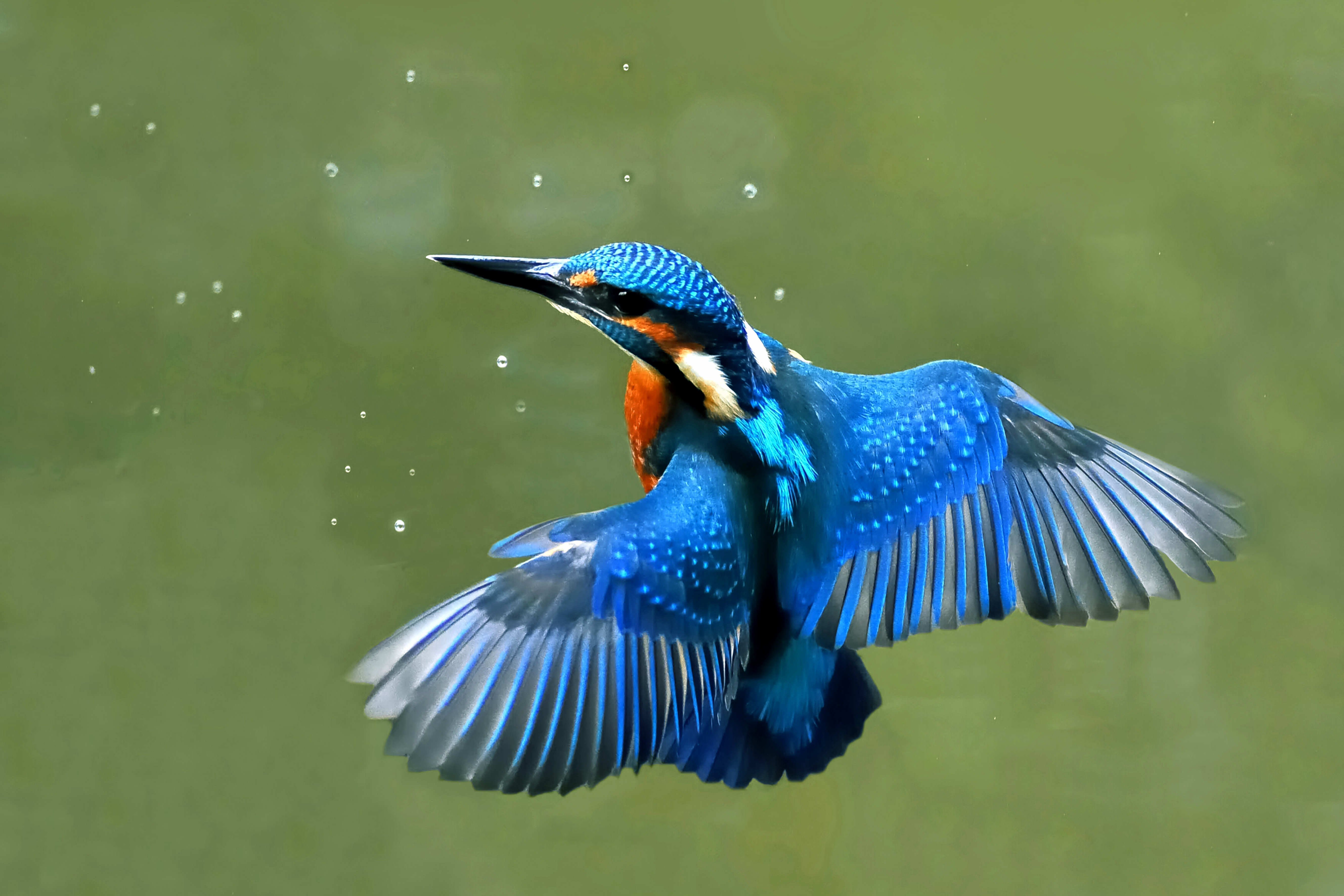
The scene shifts and I’m watching from beyond as the wren chicks fall as I feared, but before they drown each of them is saved by a kingfisher with a blue-grey beak, who plucks them out and places them on the nearby sands. 

I’ve been struggling of late. Minor health problems. Exercise niggles. Burning myself out by working 7 day weeks even though I’m not in paid work. Problems with my spiritual practice and lamenting having no human teacher, no existing structure or tradition to turn to. 

I’ve been losing wrens.

Wrens. They’re secretive birds. A lot of people can’t or don’t see them. I’m not brilliant with birds or bird calls but I often spot the ‘little pointy tails’ in the undergrowth before hearing their loud song and I also see wren chicks around this time of year. In the Wildwood Tarot they’re associated with voice and prophecy and folklorically they are a sacrifical bird killed around mid-winter.

Kingfishers. Contrastingly I don’t see kingfishers often and when they do show up I know something deep and numinous is happening. The last time I saw a kingfisher it was connected with the death of a friend and spiritual guide.

The message of this dream seems to be not to be too harsh on myself or on our fledgling spiritual traditions. To stop getting frustrated and jettisoning my wrens. 

This time the kingfisher has shown up to save them. I’m not sure who the kingfisher is. Glas y dorlan ‘blue of the riverbank’. Maybe Nodens, the Fisher King. Maybe a messenger of His or of His son, Vindos/Gwyn, my patron. Or maybe something or someone else turning up to remind me I have been guided less formally by a number of different mentors in different ways along my path*.

Perhaps here is represented the Monastery of Annwn and the polytheistic movement as a fledgling endeavour. Although we have no structure or tradition we have each other for support and the saving grace of our Gods.

*To name them Phil and Lynda Ryder in Druidry, Brian Taylor in animism, Greg Hill in the Brythonic tradition, Jason and Nicola Smalley in shamanistic practices.

*Images courtesy of Wikipedia.

On Conversions and the Need for Deeper Truths

Over the last few days I have been taking some time out from writing my novel in progress, In the Deep, after completing the second draft and realising some of the content has strayed from the imaginal into the imaginary. Not being sure how to remedy it I turned for insights to one of my favourite mythtellers Martin Shaw. I found the wisdom I needed in his video ‘On the Fall and the Underworld’ where he warns to be aware of engaging with avatars rather than divinities themselves, giving the example of ‘Baba Yaga with her teeth pulled out’. I had fallen afoul in this mistake in some of my later scenes with the winged serpents.

I also discovered, at first to my surprise, that Martin, whose works are deeply Pagan and animistic and based in his experience of extended wilderness vigils recently converted to Orthodox Christianity. I felt less surprised as I learnt about how this happened in relation to the rest of his personal journey in his dialogue with Mark Vernon ‘The Mossy Face of Christ’. Following a one hundred and one day vigil in a local wood in Devon he had an Old Testament style vision and retired to bed to hear 9 words that led him to the conclusion he must return to his ‘original home’ which was Eden. This was followed by a series of intense dreams featuring Jesus and the son of God moving into his life in a similar way to which He wrecked the temple in Jerusalem. Martin grew up in a Christian family and his practice already resembled that of the Desert Fathers and the peregrini who set out for wild places to find God.

Of course I could not help but relate this to the conversion to Orthodox Christianity of his friend, Paul Kingsnorth, whose writing I also admire, in particular ‘the Dark Mountain Manifesto’ (which was written with Dougald Hind in 2009). Kingsnorth writes of his experiences in ‘The Cross and the Machine’. Here he speaks of carrying an Abyss within him, of needing ‘a truth to surrender to’. He did not find this during his time as a Wiccan priest. Following a series of dreams he found it in Jesus and in Orthodox Christianity and his Abyss was filled.

‘In Orthodoxy I had found the answers I had sought, in the one place I never thought to look. I found a Christianity that had retained its ancient heart—a faith with living saints and a central ritual of deep and inexplicable power. I found a faith that, unlike the one I had seen as a boy, was not a dusty moral template but a mystical path, an ancient and rooted thing, pointing to a world in which the divine is not absent but everywhere present, moving in the mountains and the waters. The story I had heard a thousand times turned out to be a story I had never heard at all.’

There is much in both Shaw’s and Kingsnorth’s experiences I relate to as someone who received a calling to devote their life to a Brythonic god – Gwyn ap Nudd. The shock of a deity who was not expected stepping into one’s life and coming along and turning everything upside down. Inititally resisting. Submitting to the call in spite of being unsure what it means and being terrified what others will think.

I’ve also been tempted by Christianity. Like Kingsnorth I rejected it but still found myself hanging around churches and I additionally had a calling towards monasticism. As I approached my 35th birthday I was desperately aware this would be my last chance to become a Christian nun but I didn’t take it. I also had a couple of encounters with Jesus whilst working as a cleaner at a local Catholic school. His presence was everywhere and whilst I was cycling home I saw His face before me trying to mouth something in Middle Eastern. He then turned up at our dining table and I told Him politely I was already taken by Gwyn.

Looking at Shaw and Kingsnorth’s converstion to Christianity I can fully understand the need to respond to this strange and rebellious and self-sacrificing God-become-a-man, to take up the cross, to walk in a 2000 year tradition that has its book, its churches, its liturgy, its mysteries, its mysticism. That Christianity provides better trodden and more accessible ways to deeper truths than we find in modern Paganism and Polytheism as we have little over fifty years of development (if one claims Wicca and Pagan Druidry as points of origin).

Although I feel this impulse Christianity is not for me and the Christian God and his son/incarnation, Jesus, are not my God(s). I belong heart and soul to Gwyn.

As a polytheist nun who recently founded an online polytheistic monastery, the Monastery of Annwn, (of which Gwyn is the patron) I wish whole heartedly we had longer and more explicitly sacred texts than the fragmentary material from medieval Welsh literature, longstanding prayers and rites, systems of meditation, moreover physical monasteries. But we don’t. So our small group is having to make things up as we go along – sharing and co-writing prayers, joining together in meditation, discussing our experiences, putting together rituals. Our deeper truths too are there. We’re touching on mysteries and finding our mysticism. I believe this can be done just as well in Polytheism as in Christianity with a little patience.

I find it interesting to note the cross over between the impulses towards a rewilding of Christianity with the likes of Shaw and Kingsnorth and the call for more depth and discipline within Paganism and Polytheism with the Polytheistic Monastic movement.

Prayer Beads of Annwn

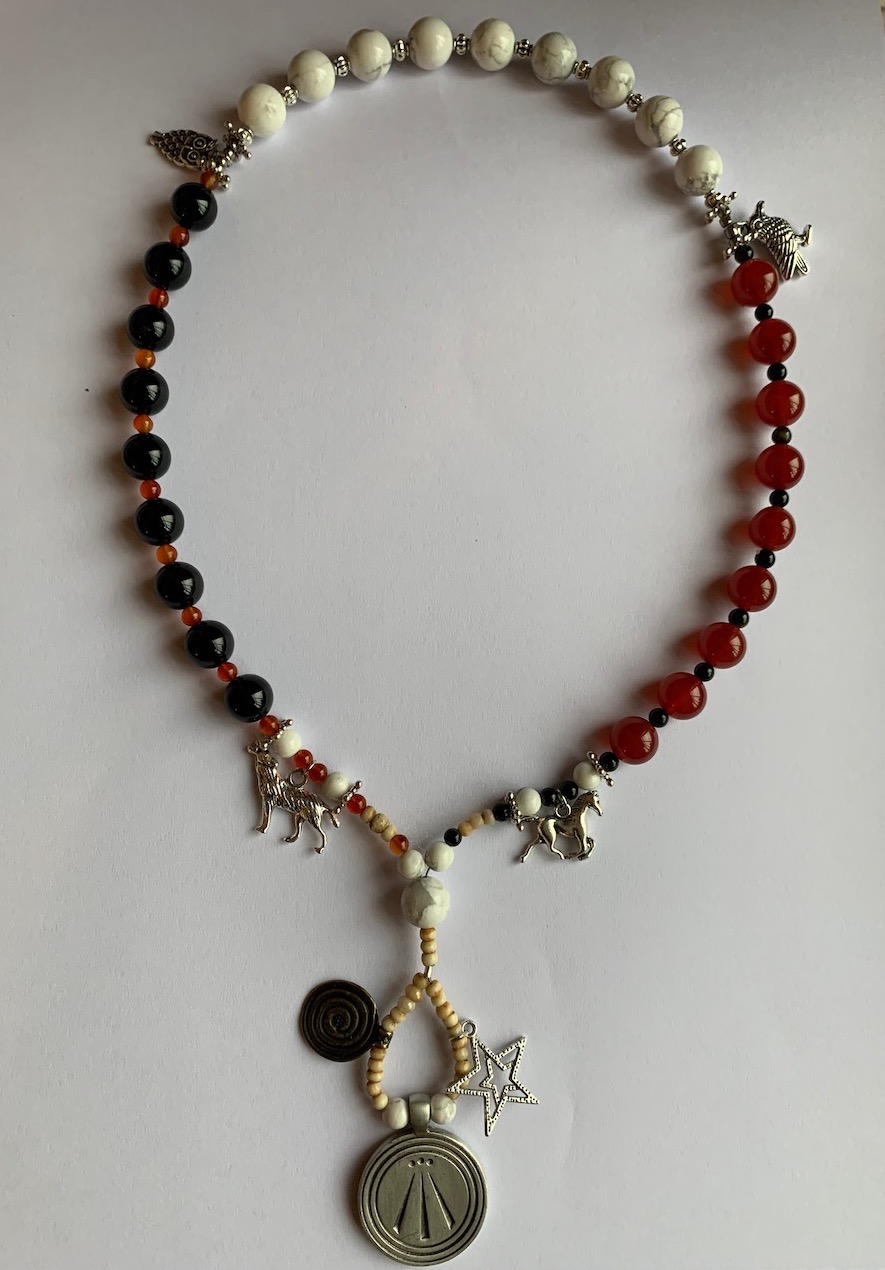
As a gift for my dedication as a nun of Annwn my friend Aurora J Stone made me some prayer beads. Crafted in the colours of Annwn from howlite (white), carnelian (red) and onyx (black) and the smaller ones from bone they include animals and symbols I associate with my patron God, Gwyn ap Nudd – a horse, a hound, an owl, a raven, a star, a spiral and the Awen. They are the most beautiful and meaningful gift I have ever been given.

When I received the beads earlier in January I was unsure what to do with them. I learnt that in the Christian tradition the person praying starts with the charm (the Awen) and the nearby symbols then moves onto the central bead, which is the invitation to prayer. There are then set prayers to be recited with the beads moving around in a clockwise direction from start to finish.

As we don’t have a set way of praying with beads or a body of prayers for Gwyn and the deities of Annwn in the Brythonic tradition I created my own by listening to the beads and for what came through from Gwyn and from the Awen. They are written below. The words in bold represent a bead or a symbol and can work as a pause for deeper meditation.

Prayer Beads of Annwn

Dedicated to Gwyn ap Nudd and the Mysteries of Annwn

The Awen: Annuvian Awen prayer*

Your Star: the first to shine and the last to die**

Your Spiral: I walk with You from beginning to end

~

Invitation:

Gwyn ap Nudd, White Son of Mist
by this white bead of howlite,
I respond to Your call 
to prayer –
let it be a doorway
to Your deep mysteries,
a gateway to the depths of Annwn.

~

Your Hound: the opening howl

~

Black is for dark,
for the darkness of Annwn,
for the Cauldron of Pen Annwn,
for the womb of Old Mother Universe.
For the primordial material and the black dragon,
for the chaos and terror before the birth of stars and worlds.

~

Your Owl: wisdom in madness

~

White is for spirit,
for the spirits of Annwn,
for the horses and hounds of Your Hunt,
for the fury held in Your kingdom and in You,
for all souls gathered at the end of time,
for the divine breath uniting all.

~

Your Raven: croaks over gore

~

Red is for blood,
for the heartbeat of Annwn,
for the heart of Your Kingdom and the berries of the yew,
for the river of blood uniting us with our ancestors,
for our sacrifices and our eternal battles.

~

Your Horse: carries me home

*I wrote this in English and fellow awenydd Greg Hill translated it into Welsh HERE.
**This echoes a poem for Gwyn called ‘For the First Star’ by another fellow awenydd and Gwyn devotee Thornsilver Hollysong HERE.

Ten Year Anniversary of Dedication to Gwyn ap Nudd – from Glastonbury Tor to Beyond the Expected

Glastonbury Tor

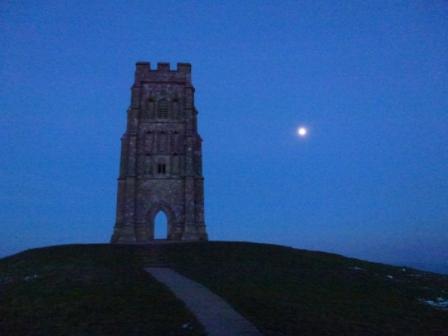
On star circled tor You stand lawless vigil.
Tower swallows cloud in Your endless waiting.
Years I have run the edges of Your world
Yet quietly my destruction You disdain.
Call to the stars shining out the full moon,
One blast of Your horn draws my soul back home.
In Your sublunar shrine springs from Annwn
Pour a cauldron of infinite wisdom.
Daughters of Avalon dance at its ridge.
Their shadows twist to the roaring song.
I see You, White Keeper of Time and Mist,
Watching patiently beyond mortal bonds.
The moment rings clear as Your guidance sure:
Let the words be spoke and the path be walked.

Hail Gwyn ap Nudd, King of Spirits! (January 26th 2013)

I wrote this sonnet ten years ago following my initial dedication to my patron God, Gwyn ap Nudd, at the White Spring beneath Glastonbury Tor. It was a magical and transformative moment and has changed and shaped my life.

My service to him as his awenydd ‘person inspired’ has gifted me with meaning and purpose beyond the rules and norms of this world. I’ve written three books for Him and the other Gods and Goddesses of ancient Britain and the spirits of the land along with countless poems, stories, and articles.

My relationship with Him continues to lead ever deeper into Annwn and into His mysteries. To getting to know myself better and more wonderfully to know Him. Most recently it has led to me becoming a nun of Annwn.

To mark the occasion my friend Aurora J Stone* made me some prayer beads. They are the colours of Annwn – howlite (white), carnelian (red) and onyx (black) and feature animals and symbols I associate with Gwyn. A hound, a horse, an owl, a raven, a spiral and a star. Aurora lives near Wells and very kindly laid them out on Glastonbury Tor to pick up some of its energy and sent some leaves and twigs from the tor when she posted the package. Receiving them around this time felt symbolic of the completion of a ten year journey.

Last night I journeyed with Gwyn to see what lies ahead. I can’t disclose what He showed me yet but His main message was that I must go ‘beyond the expected’.

This spoke to my fears about my series of books focusing on Gwyn’s story from origins to end being less accessible to my existing audience because they go beyond known Brythonic lore into personal gnosis and the realms of fiction. His words reassured me that this is exactly what I need to do. It also seemed meaningful that I recalled it was on my initial dedication day He appeared to me as a black dragon and that deciphering how Gwyn ‘White’ takes this form is one of the mysteries behind me writing these books.

I cannot guess what the next ten years might hold but ‘beyond the expected’ sounds like an exciting prospect.

*You can find Aurora’s writing online at ‘Grey Bear in the Middle’ HERE.

XII. Your Death

Day Twelve of Twelve Days of Devotion to Gwyn ap Nudd

I come this twelfth day
to consider Your death.

How I have seen You die
so many times yet that

You should die forever
is unthinkable, unbearable…

For when You have gathered
the last stars at time’s end

there will be no tears left,
no-one left to cry them,

and who would gather the
soul of the Gatherer of Souls?

XI. Your Cauldron

Day Eleven of Twelve Days of Devotion to Gwyn ap Nudd

I come this eleventh day
to consider Your cauldron
and how it will not boil
a coward’s food.

“Why, then,” I ask,
“do You allow me to eat from it
when so many times I have failed
to live up to the demands of the world,
to match up to its worthy warriors and bards?”

You tell me that I “lack not courage but confidence”
and remind me that everything I believe in I have done –

I have stood and recited poems for You before
a world that once derided You as a devil
and now derides only those who
dare speak openly about
their religion in public.

I have climbed mountains,
run half marathons,
forded a river
in leaking waders.
Ascended Glastonbury Tor
in torrential rain in the dead of night
to gift to You the first book I ever published.

I have stood before Your cauldron made my dedication to You.

I have fled the world, but I have not fled from You, my God.

I pray that You, Your cauldron, will grant me
the courage to face my fears.

X. Your Kingdom

Day Ten of Twelve Days of Devotion to Gwyn ap Nudd

I come this tenth day
to consider Your kingdom.

What is a kingdom?
What is a king?

Is it a matter of inheritance
or something within?

The devils
who God was said
to put in You to prevent
the destruction of the world?

The spirits and monsters of Annwn
whose fury You contain within Your realm,
in whose nature You partake and who are part of You?

You are a ruler, You are a leader, You are many,
one of them too, yes, they, themselves…

You rule an other kind of kingdom.
You are an other kind of king.

Like all good kings
You and Your land are one –
both Gwynfa and Gwyn,
King and Annwn.

IX. Your Doors

Day Nine of Twelve Days of Devotion to Gwyn ap Nudd

On this ninth day
I consider Your doors.

How they are without number
yet You can name every one of them.

How I searched for Your doors
but could not find them
until I stopped
looking

and You
opened a door
and galloped through.

Since then I have known
all manner of doors in many places –
seen and unseen, in caves, springs, trees, walls,
holes in the sky, hell holes, gates guarded by fierce hounds

yet I have found the best of doors
is always an open heart.