Contemplating the Abyss Part Two – Writing whilst Falling

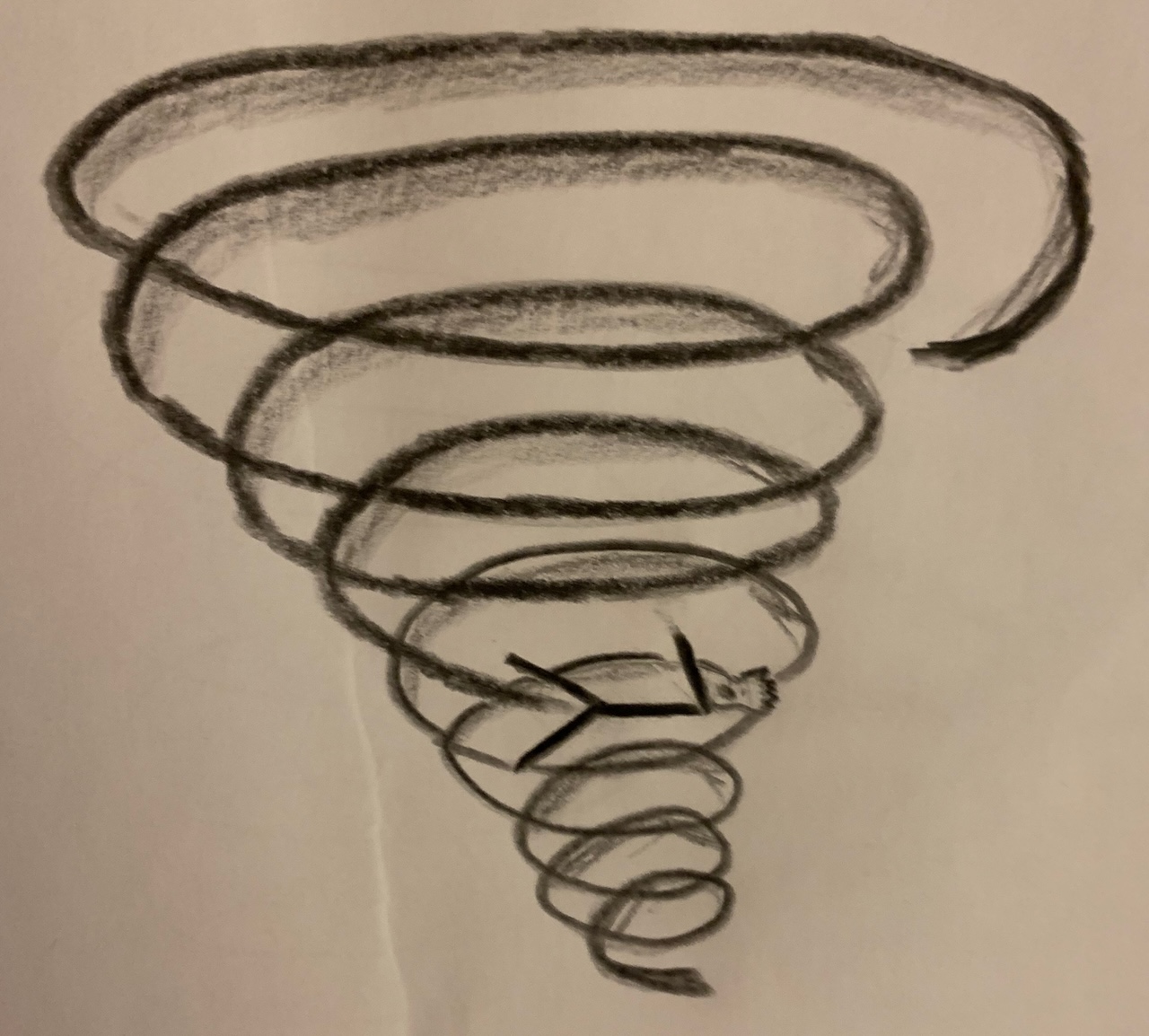
I write when I fall. It’s a defence mechanism. Like putting out a hand to catch myself. 

I write because writing has saved me and I believe my writing might help others.

But putting out a hand doesn’t always work when one is falling into the Abyss…

*

I cried out to the philosophers, “Philosophers save me!”

When I was 21 and in the second year of my philosophy degree I sat on the edge of the Abyss at the nadir of a quasi-initiatory period during which I’d been foolishly been mixing phenomenology (1) with copious amounts of drugs and alcohol, some unknown part of me striving, reaching for… what?

My ‘friends’ had deserted me because I’d ‘gone west’ and I was sitting on the boot of a car, at the end of the world, staring into the Abyss, feeling I couldn’t go on living but not really, truly, wanting to die either. I couldn’t choose.

I was presented with three gateways but didn’t have the courage to take any.

I moved into the front seat of the car and, as dawn arrived, pinking the front  windows of my friend’s house, with it came three alienesque beings who I now understand in the Brythonic tradition to be ellyllon ‘elves’. They took me into the heavens in what I saw at the time as an alien aduction experience and performed an intricate operation on my brain with silver instruments. 

After that I decided to give up drugs entirely and apply myself to my studies. Not easy. There were after effects. Anxiety. Panic attacks. I ended up on medication but also got subscribed what I really needed – exercise. These things helped me to get my head straight enough to write myself out of the Abyss. 

My philosophy studies gave me the tools I needed. I saw my inability to choose life or death as akin to Kant’s antimonies (2) which stem from the use of reason to comprehend sensible phenomena beyond its application. I wrote my dissertation on the concept of the sublime in Burke, Kant, and Lyotard, focusing on how experiences of the sublime depose the rational mind (3).

This helped me to understand the breakdown of my rational faculties but not the visions I encountered as the flip side. It was only when I was studying for my MA in European Philosophy and writing my dissertation on Nietzche’s The Birth of Tragedy I found the clues. Dionysian ecstasy gives way to Apollonian visions. But I wasn’t seeing Dionysus or satyrs. I realised, like Greece, Britain, must have its Gods and spirits, finally met my patron God, Gwyn ap Nudd, a King of Annwn, realised my visions had been of His realm.

Nietzsche, a philosopher, who also stared into the Abyss (4), saved me.

*

The medieval Welsh term Annwn stems from an ‘very’ and dwfn ‘deep’. I believe it shares similarities with the Hebrew term tehom which means ‘deep’ and was translated as abyssos, ‘abyss’, ‘bottomless depth’, in the Septugaint, the earliest Greek translation of the Hebrew Bible in 285–247 BCE.

The Mesopotamian Goddess of the primordial waters, Tiamat, has been linked to tehom. Several years ago myself and other awenyddion found a Goddess named Anrhuna who takes dragon form and is the mother of Gwyn. She plays a similar role as the personification of Annwn. In my visions She, Gwyn, and Nodens/Nudd are associated with the Abyss and its mysteries.

Gwyn was the God who taught me how to fall. He’s fallen too. And I’ve fallen with Him. I’ve crawled out of the Abyss with Him, claw by claw, word by word.

That damned book. It came first when I was falling during the first covid pandemic. I’d given up my supermarket job to volunteer my way into paid work in conservation and my volunteering had been cancelled leaving me with no paid or voluntary role. Utterly unpublishable but writing it got me through.

It came again when I realised I couldn’t cope in a career in the environmental sector. For the last year and a half I’ve worked on it full time, realised it is no good. 

That crutch has gone but I’m still putting my hand out – writing whilst falling.

*

I’m back in another antinomy – I love writing but can’t make a living from it. 

When I first met Gwyn He asked me to promise to give up my ambition to be a professional author in return for journeying with Him to Annwn. I did it for a while. I took various jobs, cleaning, packing, supermarket, wrote as service for my Gods.

But, sneakily, oh so sneakily, in the back of my mind, I never got rid of the treacherous hope that promise would only be temporary. If I worked hard well enough the veto might come off, I might be able to have my cake and eat it.

I published three books. Sold more copies than I hoped for such niche work. Even got professionally published. Not enough to make a living of course but enough to convince me I might be able to write something that did better. 

Ten years after my initial dedication to Gwyn I asked Him by divination about whether that promise still holds and got 1. The Wanderer and thought I was free of it. It’s notable here I asked through the tarot rather than asking Him directly. Consciously I did this because I feared my discernment might be off. Maybe unconsciously, I feared, knew, he’d say, ‘No’. I read the card wrong. In the traditional tarot The Wanderer is the The Fool. I was fooling myself. As I write these words I hear the laughter of my God and realise what a fool I was.

At one point I hoped In the Deep might not only sell to my small Polytheist and Pagan audience but might also appeal to fantasy readers, taking the stories of Gwyn and the other Brythonic Gods into the mainstream.

Hubris. It didn’t work. An individual can’t write myth. And I’m not that good a writer.

A difficult lesson learnt. My ambition to be a professional writer given up for good, vomited up, committed to the Abyss, I’m falling again, writing whilst falling.

I’m remembering my vision of the three gates. I can’t make a living as a writer. I don’t want to die either. I’m asking what lies beyond the third gate.
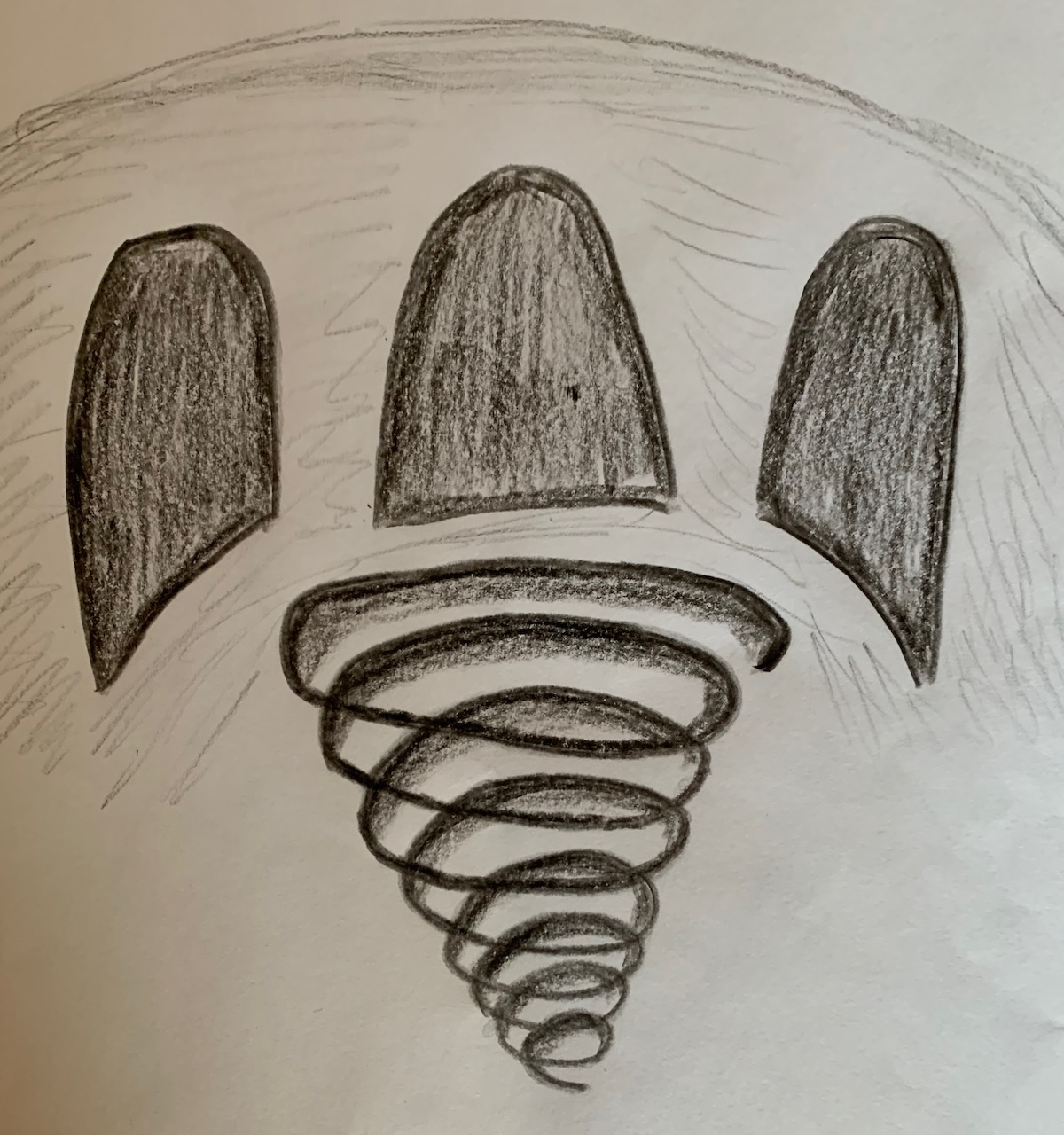
In the next part I will be writing about the ‘Abyss Mystics’ who, unlike me did not try to cling on, to write themselves out of the Abyss, were not afraid of falling.

(1) In particular using Husserl’s epoche (setting aside all assumptions of existence) as an experiential practice.
(2) https://en.wikipedia.org/wiki/Kant’s_antinomies
(3) In ‘Scapeland’ Lyotard writes of the ‘The Thing’ as sublime – ‘the mind draws itself up when it draws a landscape, but that landscape has already drawn its forces up against the mind, and that in drawing them up, it has broken and deposed the mind (as one deposes a sovereign), made it vomit itself up towards the nothingness of being-there.’
(4) In Beyond Good and Evil Nietzsche wrote, ‘Battle not with monsters lest ye become a monster; and if you gaze into the abyss the abyss gazes into you.’
Contemplating the Abyss Part One – ‘In the Deep’

The Abyss was its spiralling core and its beginning and its end. 

The Beginning

It began with a boy falling, falling, falling into the Abyss.

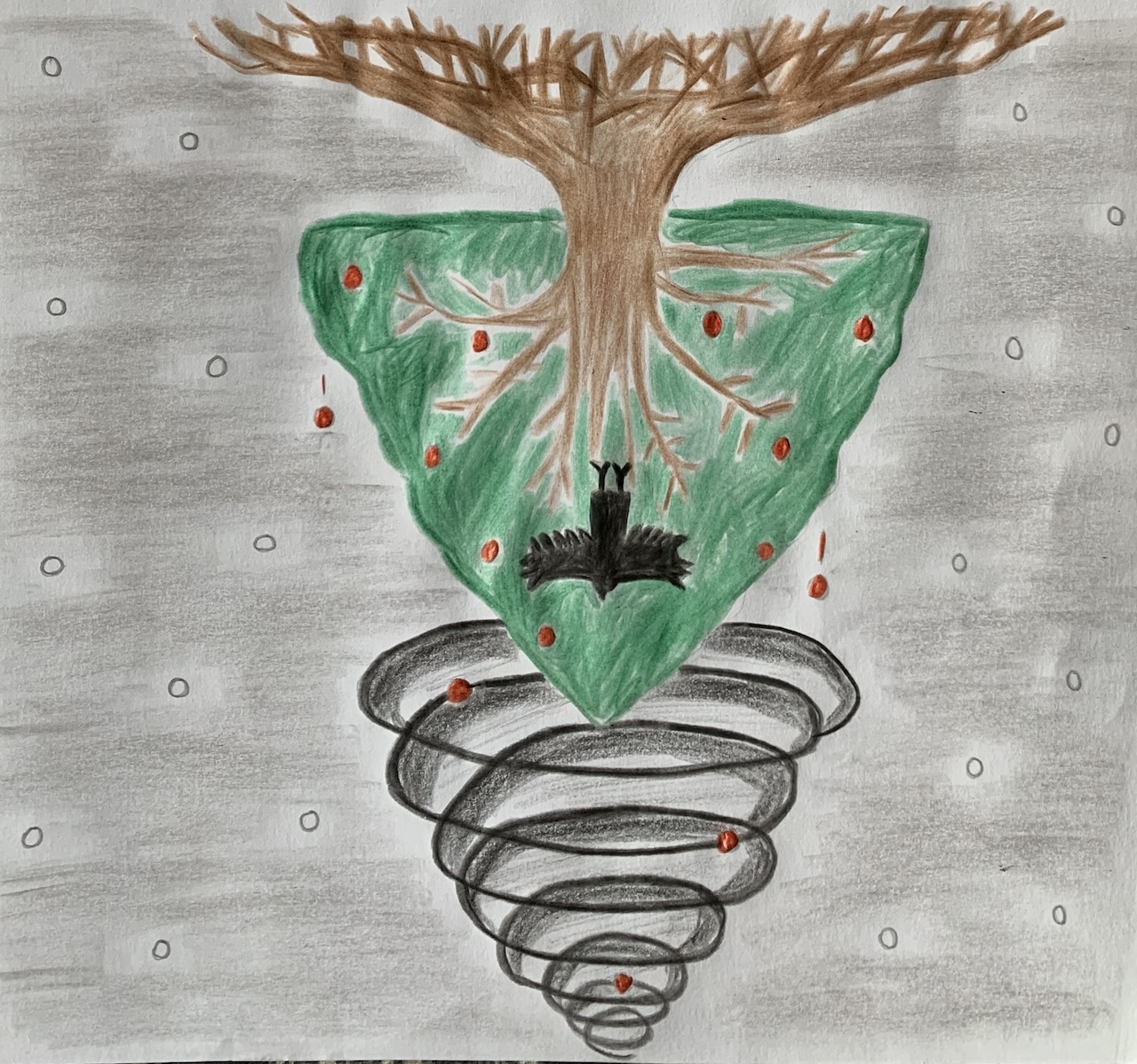
The boy dreamt of the birth of his Dragon Mother from the infinite waters of the Deep with nine heads and nine-hundred-and-ninety-nine coils and her giving birth to an infinitude of dragons, serpents, monster-serpents and monsters.

*

The boy dreamt of the birth of the stars – each the eye of a fiery giant. He watched them mating, spawning bright gods, who built their fortresses in the skies. The King of the Gods ordering the constellations with a turning sword. This god cast out, plummeting like a comet with an icy tail, down to the Deep. 

*

The boy dreamt of the god hanging in his mother’s coils over the Abyss to gain its wisdom. ‘There is no up or down or before or after – everything meets here in you the Dragon Mother.’ He watched them mate and knew he was conceived.

*

The boy dreamt of the Children of the Don descending from the stars to slaughter the Dragons of the Deep. Lugus, their leader, cut off the arm of his father, Nodens and slaughtered his Dragon Mother, Anrhuna. Lugus then tore the boy, Vindos, and his sister, Kraideti, from the womb. He stole Kraideti ‘the Girl who will Bring Life’ to the stars and threw Vindos ‘the Boy who will bring Death’ into the Abyss.

*

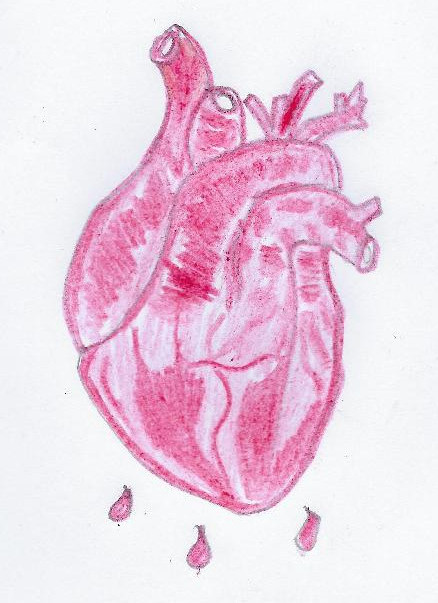
The boy awoke and crawled from the Abyss to eat his Dragon Mother’s heart in a rite that made him King of Annwn (he later gained his name – Vindos / Gwyn ‘White, Blessed, Holy’).

The End

Vindos killed Lugus as vengeance for slaying his Dragon Mother. Lugus took flight in the form of an eagle and perched wounded in an oak tree for nine nights with a sow beneath feasting on the rotten flesh and maggots from his wound. 

Uidianos sang Lugus down from the oak with three englyns and restored him to life.

Lugus returned the blow, shattering the Stone of Vindos, to pierce his enemy’s side. Vindos took the form of a raven and flew to Annwn where he hung wounded on a yew tree upside down over the Abyss and answered its riddles.

Night One: 

“Tell me
the hour the King
and Queen of Annwn
were born.”

“Not easy –
we were not born 
but ripped from the womb 
on the hour of the death 
of dragons.”

*

Night Two:

“Tell me
in your eternal
battle who killed
who?

“Not easy,
summer and winter
are mirrors – when one
kills the other kills 
too.”

*

Night Three:

“Tell Me
how many trees
are in the forests
of Annwn?”

“Not easy,
for they are without
number but ask me again
and I will name
them.”

*

Night Four: 

“Tell me
how many doors
there are to
Annwn.”

“Not easy,
for they are without
number but ask me again
and I will open
them.”

*

Night Five:

“Tell me
where divide 
darkness and light,
day and night?”

“Not easy,
for there are no
divisions – each follows
each in an endless
procession.”

*

Night Six: 

“Tell me
where the restless wind 
comes from and where
he rests.”

“Not easy,
for no-one but he
knows the location of the Lands
of the First and Last
Breaths.”

*

Night Seven:

“Tell me
how many 
stars are in the
Heavens.”

“Not easy,
for they will not
be counted until all
souls are in the
cauldron.”

*

Night Eight:

“Tell me
the fate of
your last drop 
of blood.”

“Not easy,
for I cannot divide it
from the ocean of blood
that will drown
the world.”

*

Night Nine:

“Tell Me
the hour the King 
and Queen of Annwn
will die.”

“Not easy –
we cannot live without 
each other and thus will die
together when all souls
are gathered.”

*

Vindos then fell into the Abyss.

These scenes had a basis in my personal encounters with the Abyss. I will be talking about those in part two, then in part three and four presenting my recent discovery of ‘Abyss Mysticism’ in the writing on medieval monastics and how this has helped me make a little sense of the abyssal visions behind this book.

Why I failed to write a Brythonic creation myth

In my attempted novel, In the Deep, I tried to imagine a story for the origins of Vindos / Gwyn, His kingdom in Annwn, and for the creation of the world. This was based on a combination of my readings of Brythonic and other Celtic and Indo-European and world myths and my personal gnosis. 

I worked for a year and a half on a story that had meaning for me and I felt Gwyn wanted me to write as the awen kept on flowing. Yet it didn’t speak to many humans and, in retrospect, although coherent, contained a lot of flaws.

Looking back, I feel it was a process I needed to go through. I genuinely believe I saw faces of Gwyn, such as the Boy in the Serpent Skins, that were meaningful for me and needed to journey with Him and write those tales.

Yet there were elements of the story I could never quite make work. My personal gnosis led me to perceive parallels between Tiamat in the Enuma Elish and a ‘found’ Goddess I know as Anrhuna who takes the form of a nine-headed dragon and is Gwyn’s mother and the Mother of Annwn.

In the Deep was written as an inversion of Enuma Elish ‘When on High’ reimagining what might have been a wider Indo-European origin myth centring on the slaying of a dragon from the side of the Deep rather than the victors.

It opens with a battle between the Dragons of the Deep (Annwn) and the Children of Don wherein Lugus / Lleu slays Anrhuna, the Dragon Mother. By cutting off Her nine heads He releases the dragon children of the nine elements*. He then cuts open Her womb and tears out Kraideti / Creiddylad (the Girl who will Bring Life) and Vindos / Gwyn (the Boy who will Bring Death). Lugus takes Kraideti to the stars and flings Vindos into the Abyss. Uidianos / Gwydion steals the magical jewels from Anrhuna’s foreheads and with them commands the dragon children to create the world. 

Although I’ve been able to picture the dragon slaying scene quite vividly I’ve never quite managed to see or write the creation of the world. I’ve ‘seen’ Uidianos and a circle of enchanters with their wands conjuring with the elements to form a world but can’t seem to connect it with the dragons.

The role of Gwydion as demiurge I derived from His creation of Taliesin in ‘The Battle of the Trees’ from ‘nine forms of consistency’ – ‘fruit’, ‘fruits’, ‘God’s fruit in the beginning’, ‘primroses’, ‘flowers’, ‘the blossoms of trees and shrubs’, ‘earth’ / ‘sod’, ‘nettle blossoms’, and ‘the ninth wave’s water’. 

In ‘The Song of the Great World’ Taliesin is created by God from ‘seven consistencies’ – ‘fire and earth, / and water and air, / and mist and flowers, / and the fruitful wind’. Like the the microcosmic Adam** his creation may be seen to mirror the creation of the world by God in this poem. It seems possible Gwydion was earlier seen as creating Taliesin and the world.

In ‘A British Myth of Origins’ John Carey suggests the Fourth Branch of The Mabinogion might contain an origin myth with Math’s kingdom whilst He has His feet in the lap of a virgin, Goewin, representing a timeless paradisal state. Gwydion’s scheming with Gilfaethwy to bring about her rape represent a fall. Gwydion and Gilfaethwy’s transformation by Math into a deer and a pig and a wolf, and their bearing of offspring, may explain the origin of animals.

Carey also suggests the story of Taliesin shapeshifting into various animals after stealing the awen from the cauldron of Ceridwen and the animal transformations of figures such as Mongan in the Irish myths function ‘as a device to connect the present with its origins, whether the beginnings of history or the transtemporal eternity of the Otherworld.’

It’s my personal intuition that Ceridwen may be a creator Goddess. That Her crochan ‘cauldron’ or ‘womb’ could be the vessel from which the universe was born. This is another strand that I attempted to weave into my book. 

If we look back beyond medieval Welsh mythology to the Roman sources we find no evidence whatsoever of a creation myth. Instead Strabo reports that the Gallic peoples (who according to Caesar derived their beliefs from the Britons) believe ‘men’s souls and the universe are imperishable’. Several authors speak of the belief that the soul is immortal. According to Caesar it ‘does not die but crosses over after death from one place to another’ showing existence in an ‘otherworld’ (potentially Annwn). Diodorus Siclus claims the Gauls ‘subscribe to the doctrine of Pythagoras that the human spirit is immortal and will enter a new body after a fixed number of years’. The key doctrine of Pythagoras is metempychosis and we find this throughout the Taliesin material wherein he speaks of his transformations. 

It seems possible we don’t have a Brythonic creation myth as the universe was viewed as ‘imperishable’ and the eternal soul as shifting through different shapes, potentially crossing from this world to Annwn and back again.

One of the things that has stood out to me whilst returning to the Taliesin material is that rather than telling of creation as given he instead poses riddles.  ‘How is the sun put into position? / Where does the roofing of the Earth come from?’ ‘Where do the day and the night come from?’ He mocks Christian scribes for not knowing ‘how the darkness and light divide, / (nor) the wind’s course’.

Taliesin seems to be claiming to know yet he leaves the answers a mystery. Could it be that our Brythonic ancestors treated these issues as mysteries rather than having clear cut myths and stories and explanations? 

If so could my failure to create a myth that works be based on the fact there have never been any direct answers and these things should be left mysterious?

If so it seems this book idea has played itself out for what it is but can go no further. I fulfilled my promise to Gwyn to write Him an origin story (something He didn’t ask for but that I did as an act of devotion to Him). It just didn’t turn out to be a novel sellable to humans. Which is ok. 

Where to go from here I’m not sure. I still want to write, I still need to write, in service to my Gods and to give voice to the awen from Annwn and within. To provide content for my patrons who continue to support me. But it might be that now I’ve become a nun of Annwn, Sister Patience, what I write will change.

It seems possible I will be taking a more meditative approach with a focus on mystery, which feels fitting for a nun dedicated to a God of the Deep.

*Stone, earth, water, ice, mist, wind, air, fire, magma.
**In her notes to ‘The Battle of the Trees’ Marged Haycock adds some references to medieval Christian texts where Adam is said to be created from ‘eight consistencies’ – ‘land, sea, earth, clouds of the firmament, wind, stones, the Holy Spirit and the light of the world’ or ‘earth (flesh), fire (red, hot blood), wind (breath), cloud (instability of mind), grace (understanding and thought) blossoms (variety of his eyes), dew (sweat), salt (tears).’

A Timely Dissolution

Hoof falls. The hunt rides. Trampling the falling leaves.

It’s a time of letting go. Of dissolution. Of the banishing of illusions. Of the seeing of the hidden truths that have been haunting the shadow edges of vision.

It hits me like a blow to the chest. Like I’ve been knocked down by a charging horse although I should have seen it coming long ago. Read it from what people have been telling me and moreover from their silence.

My devotional book for Gwyn isn’t meant to be a fantasy style novel. I’ve been reading too much fantasy. I got out of touch. Carried away by the old ambition to be a fantasy writer I long ago promised to give up. 

Understandable perhaps. When I failed to succeed in a career in the environmental sector and realised by autisism places me in a position in which I’m too neurodivergent to cope in above base level jobs but not disabled enough to claim benefits it left me in a very dark and desolate place.

I turned to dark fantasy as the stories of dark and broken characters battling alone in dystopian worlds resonated with me and made me feel less alone. 

I think a lot of this, along with my own feelings of despair, got reflected back into the story I was inspired to write for Gwyn. Getting torn from the womb at birth when His Dragon Mother was slaughtered during the Battle of the Dragons. Being flung into the Abyss. Crawling out. With the guidance of the ghost of His Dragon Mother building His kingdom from the bones of dead dragons and the light of dead stars. Mastering the art of turning sorrow into joy.

Writing this story was deeply meaningful for me and a gift from Gwyn. Quite a lot of the other material I wrote in an effort to combine it with a creation myth featuring the Children of Don and to wed the story of Gwyn, Gwythyr and Creiddylad with some of the material in the Four Branches of The Mabinogion never really worked.

Also, the process of writing a novel, long hours at my laptop, hasn’t been good for me. It makes my eyes go squiffy. I grind my teeth. I twitch. 

I still intend to create a devotional book for Gwyn. I promised Him. I owe it to my patrons. But it isn’t going to be a fantasy style novel. I’m not sure what it is going to be yet but what He and my spirits and my body and soul are guiding me towards are creating it not on the laptop but to allowing it to come through in journeys, meditations, hand writing and drawing. To going back to more traditional forms of creativity that were practiced by awenyddion and monastics and moving away from the screen.

This has come at a time when I’ve also realised I’m living too much of my life online. I deeply value and appreciate the support of my patrons and my online community at the Monastery of Annwn and membership of the Way of the Buzzard Mystery School which are real lifelines. But I’ve come to realise they’re not a substitute for physical community and a physical role in the world. 

What this might look like for me in terms of something that fits with my vocation and with the limits of my autism and social anxiety I don’t know yet.

But this dissolution feels timely as Gwyn’s hunt tramples the fallen leaves, rides down the old, the decayed, the dying, makes way for something new.

Falling Leaves and Wanting to Live

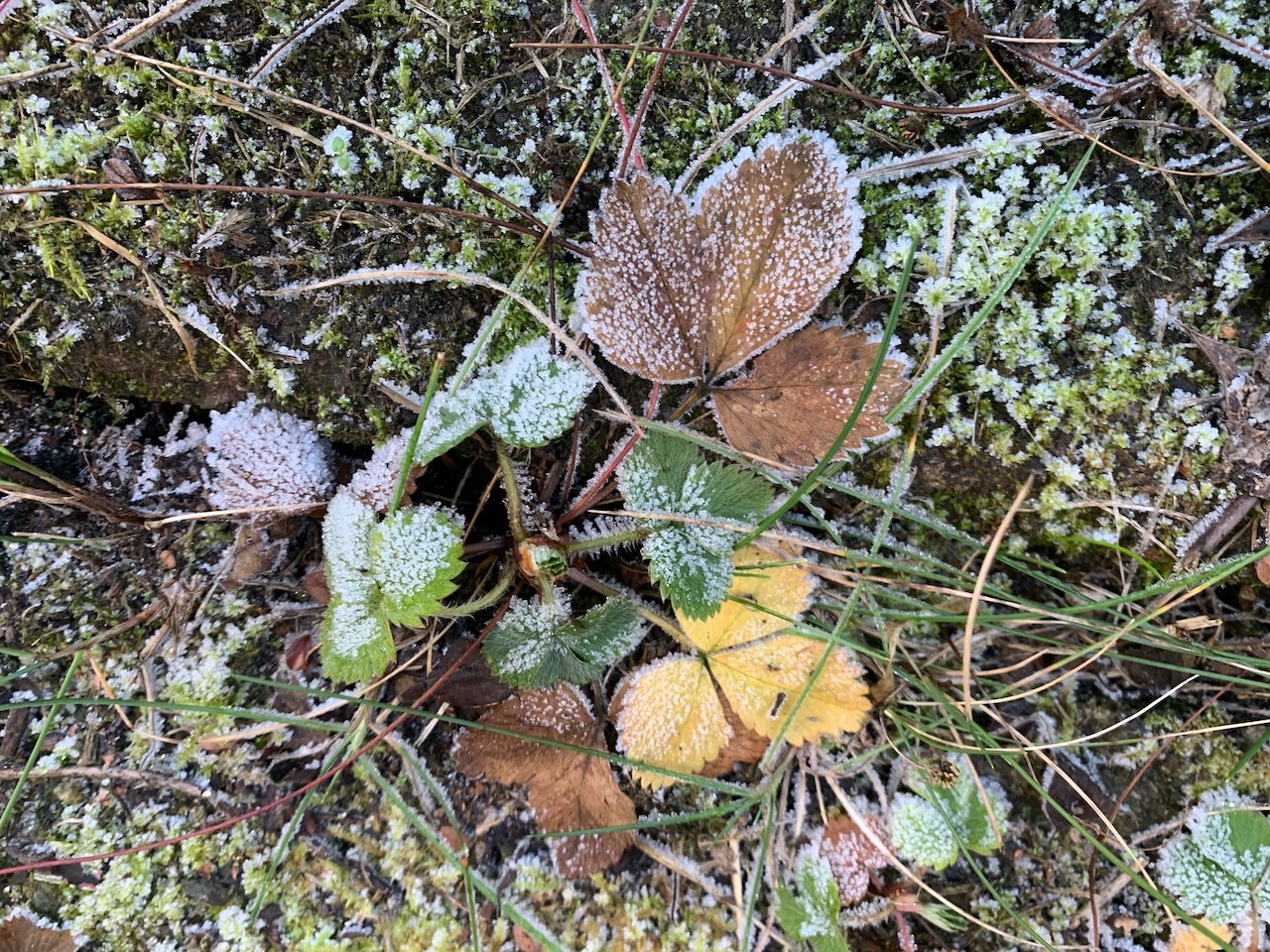
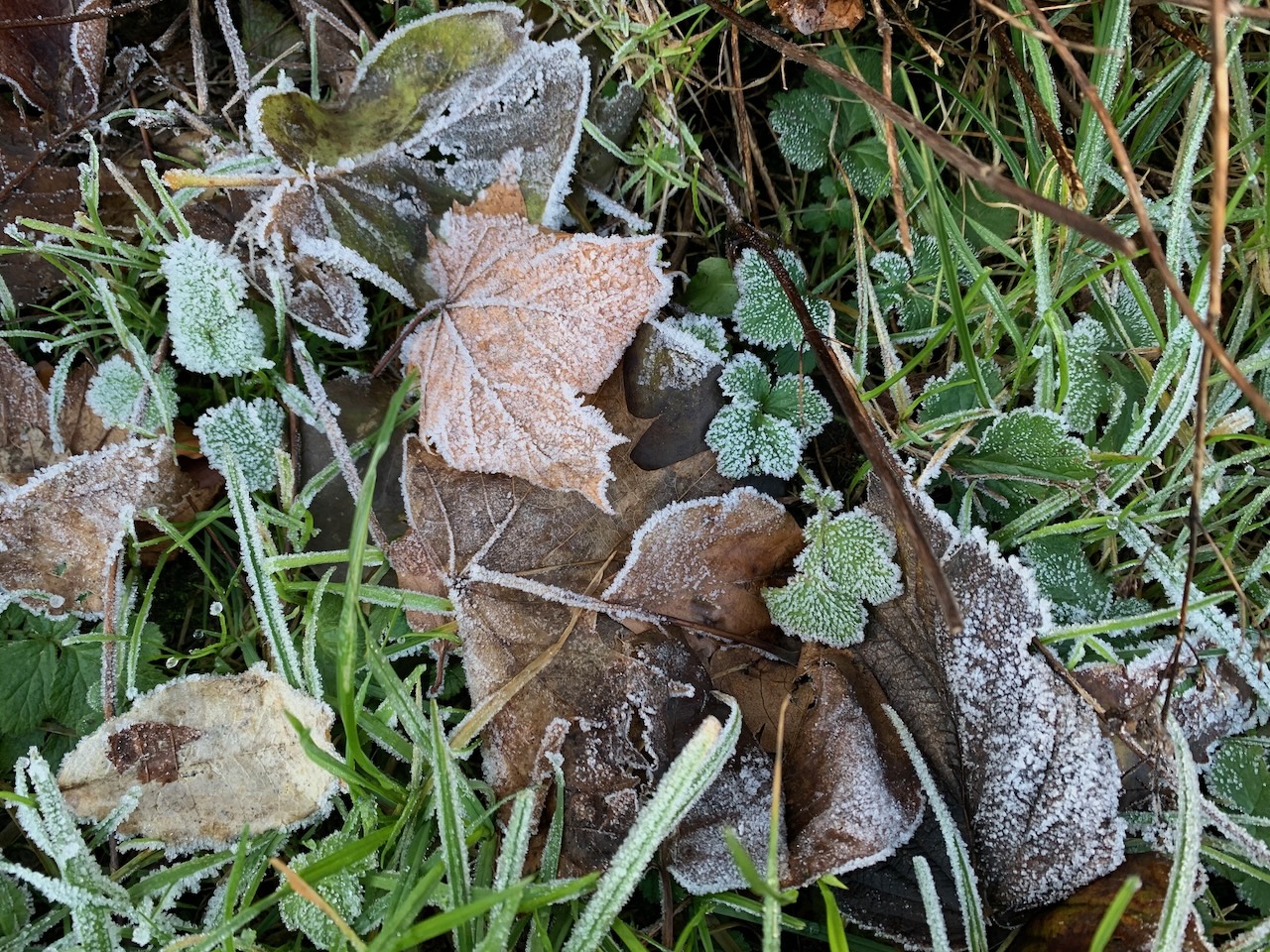
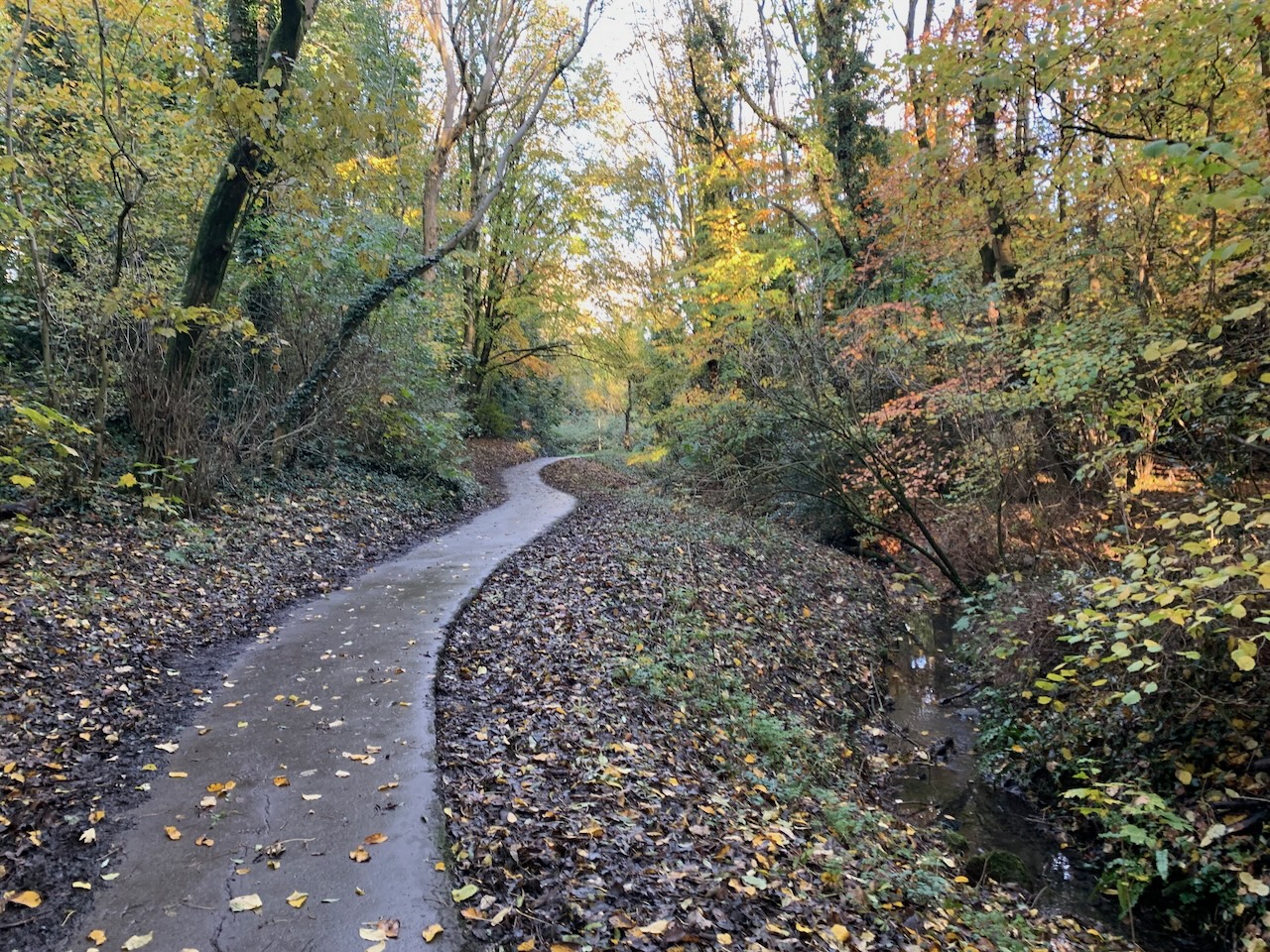
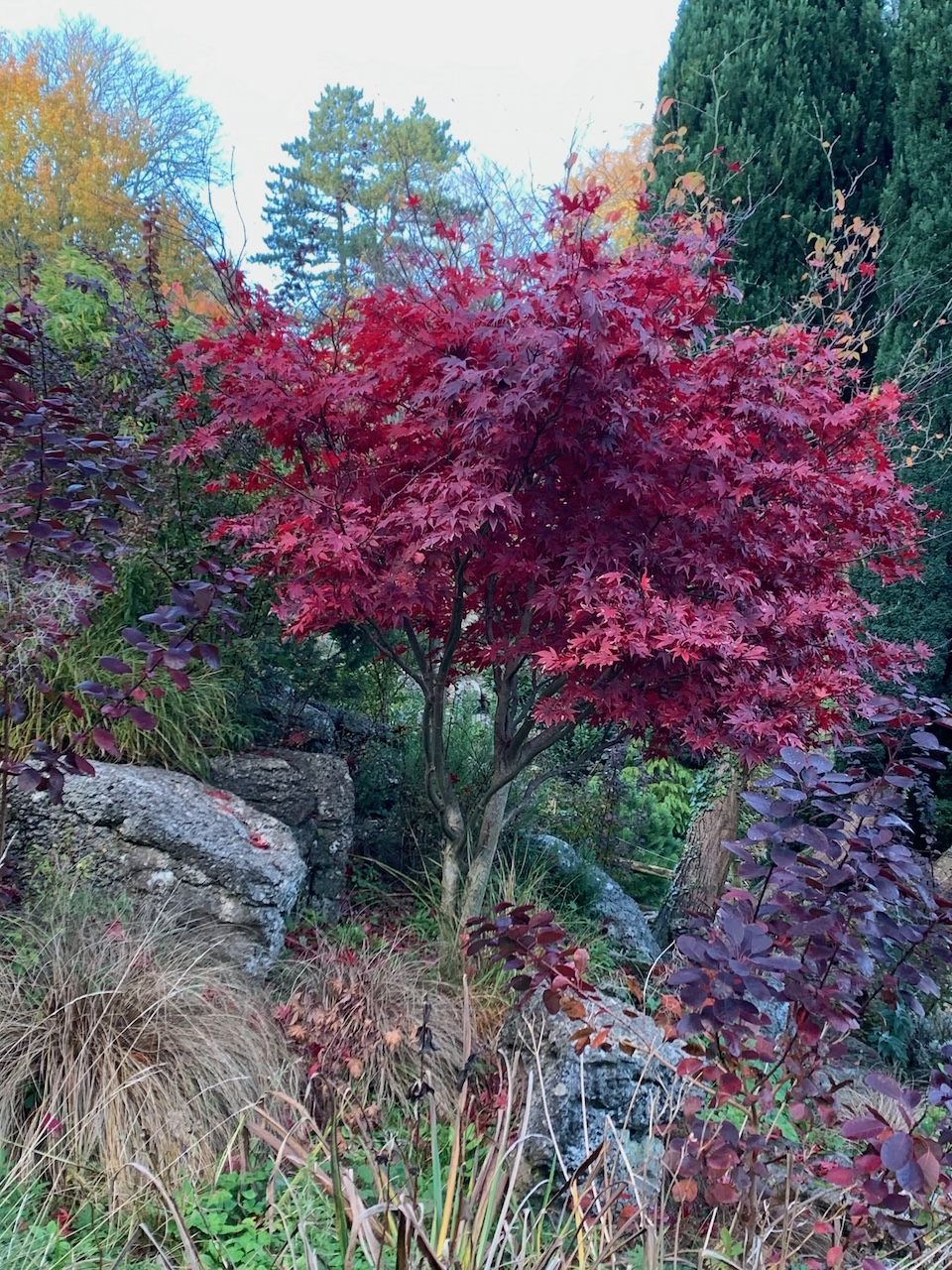
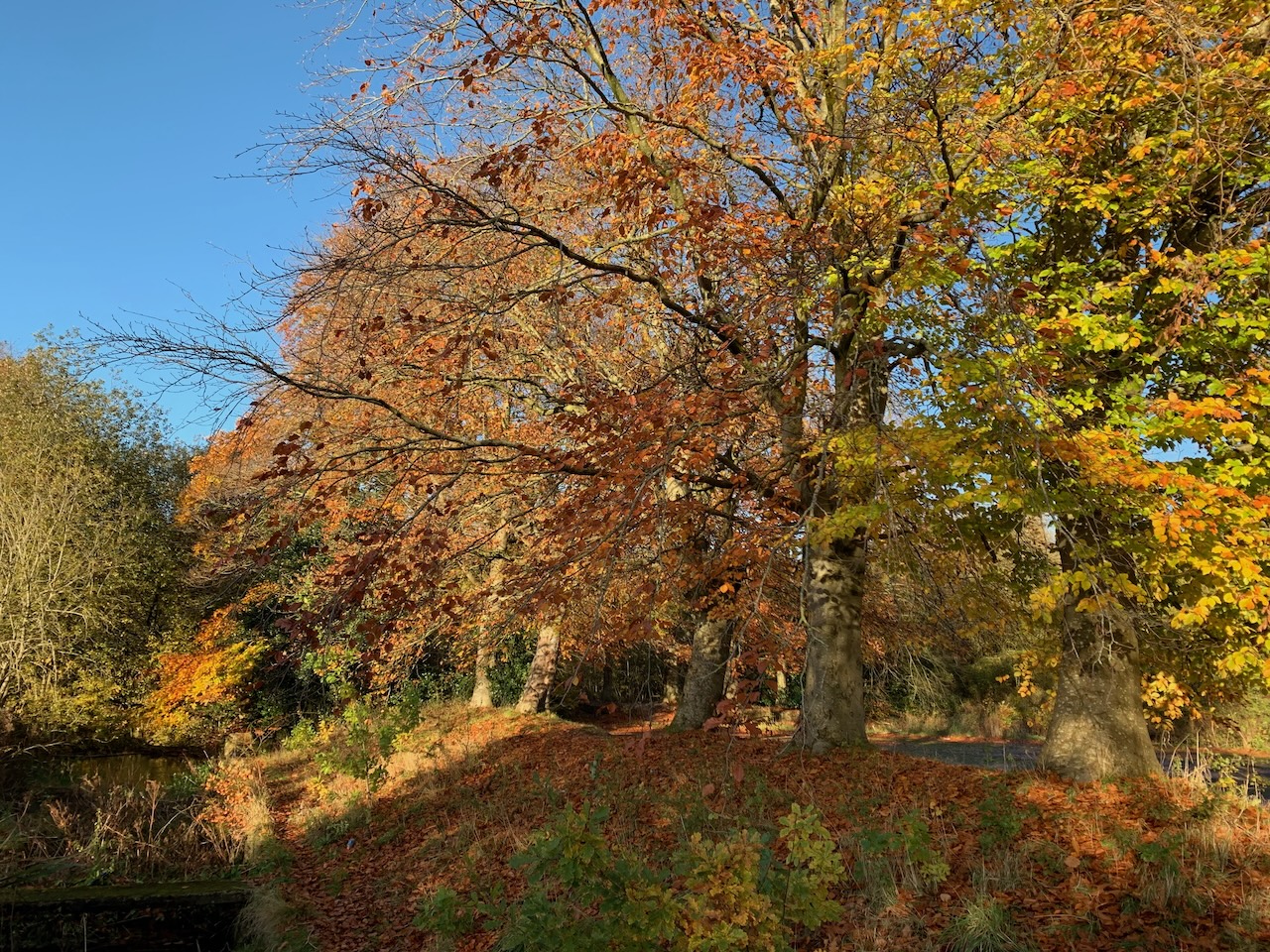
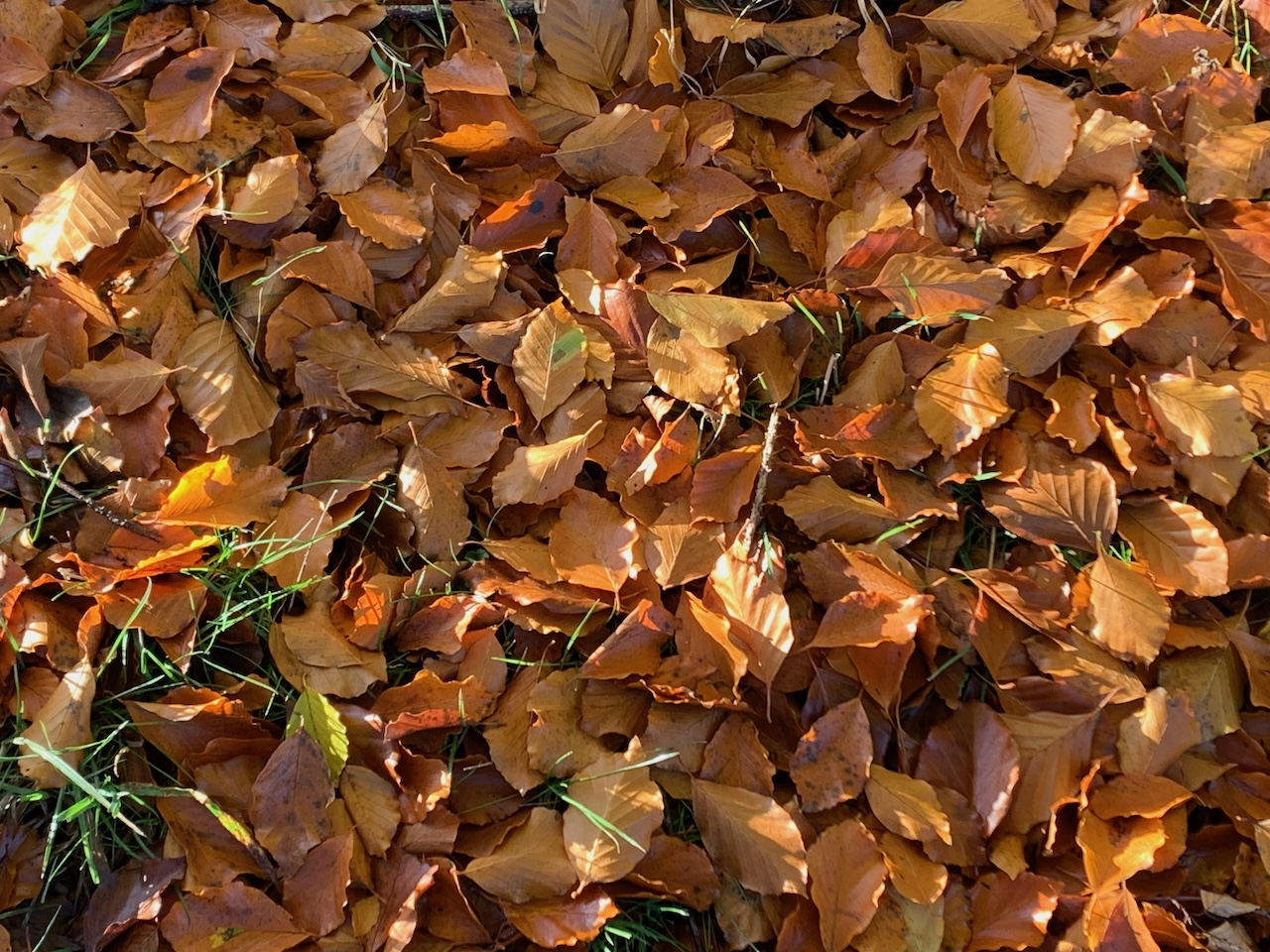
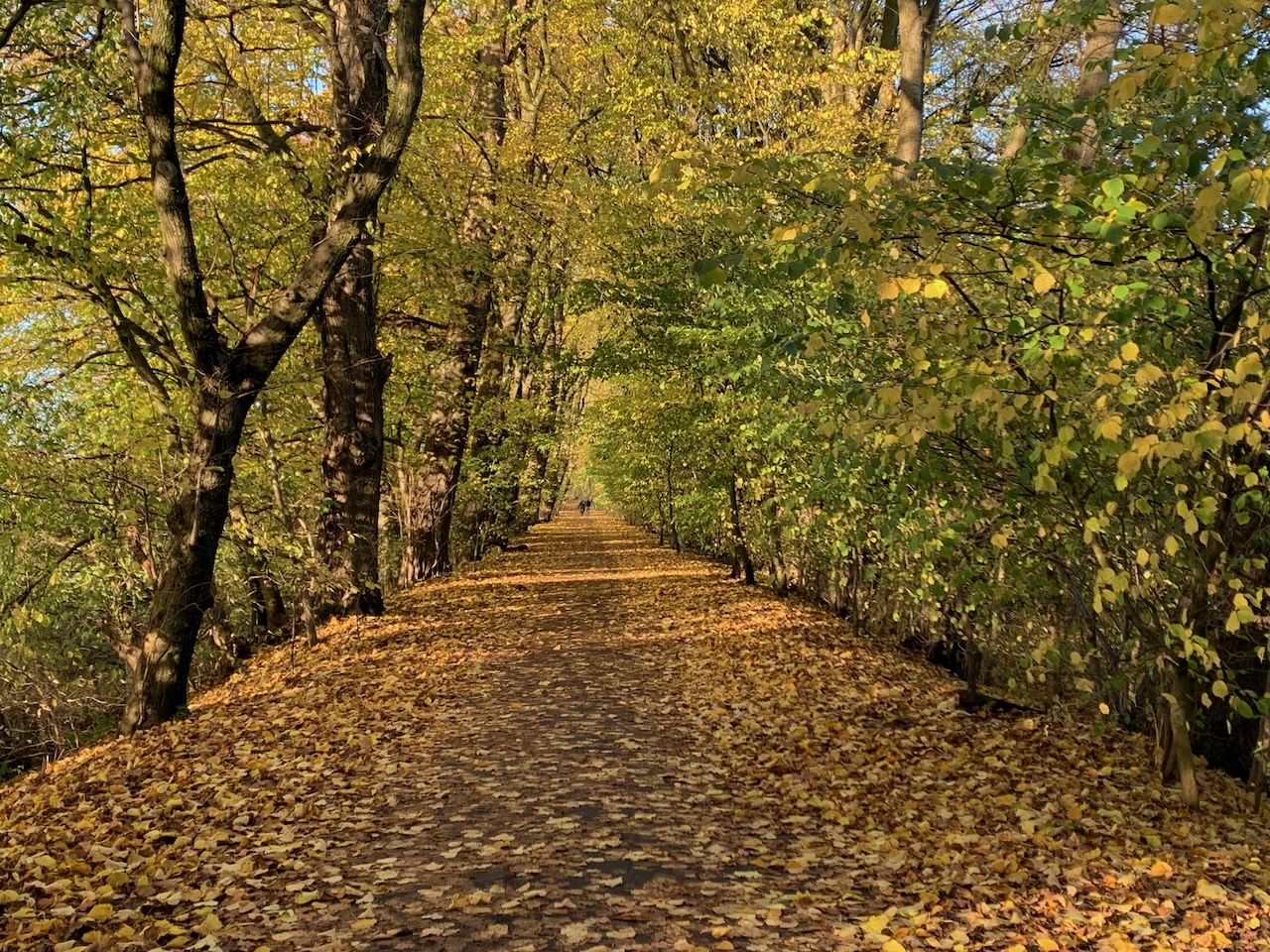
A late autumn. Nos Galan Gaeaf passing. The leaves at last coming down in the fullness of their vivid vibrancy – the yellows of lime and maple and the bronzes of beech whilst the acers on the park shine their reds and oranges.

The trees are letting go. Surrendering. Preparing for sleep. Dying a kind of death.

I’m feeling well. As a result of my practices my physical and mental health is improving. Following an injury I’m running half marathons at my best pace yet.*

Yet, still, after being triggered by a reader’s comments on my book I’m turning the old cogs and being chewed up by an old destructive thought pattern. ‘If my readers don’t like my writing I will lose my audience, I won’t make any money, I will have to return to proper paid work and forfeit my time for spirituality and creativity, meaning my mental health will deteriorate, leaving me with the choice between a living death and death.’ 

For a few days I considered totally rewriting my book to fit better with what I thought those in my audience who are Celtic Polytheists and Druids might want or expect by removing some of the darker and more gory scenes that are based on my personal gnosis about the story of Gwyn/Vindos and His interactions with the serpents of Annwn but this led to total paralysis. I realised it wasn’t what He wanted and ultimately the book is for Him.

I then perceived I’d slipped back into the false belief I could make a living as a professional author, which I promised Gwyn I would give up over ten years ago, had thought I’d given it up, but was unconsciously still clinging onto it.

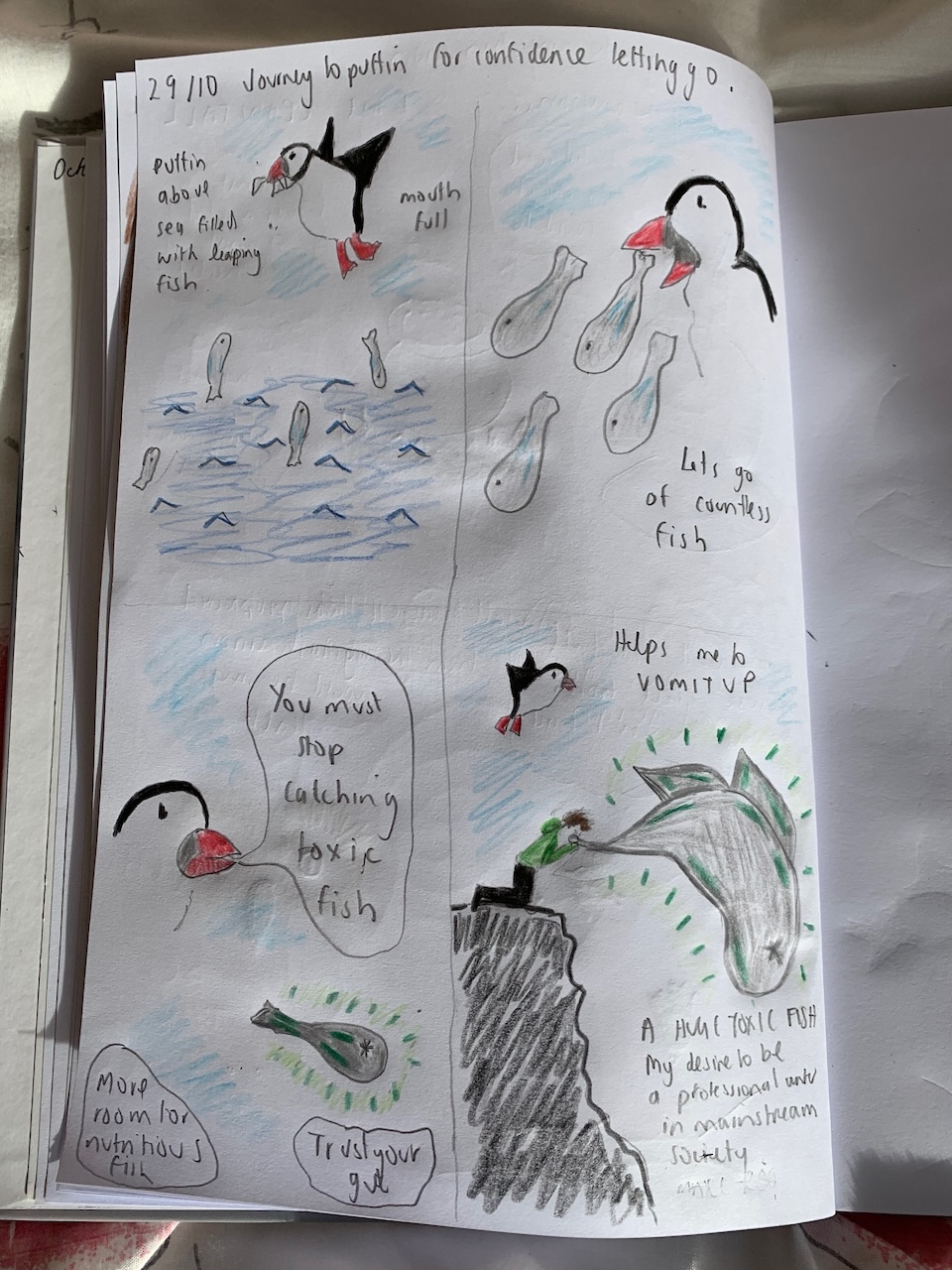
In a journey with the Way of the Buzzard Mystery School** I performed a rite of letting it go with puffin – viscerally vomiting it up as a huge and toxic fish.***

This done I’m still turning those darned cogs. ‘I can’t make a living from my writing so when my savings run out I will be faced with the choice between living death and death.’

Then, entirely expectedly,  a voice from within, a voice from my healthy body, from my life force, from my spirit, ‘I WANT TO LIVE.’

This was utterly astonishing because, in my existing memory, I cannot remember once thinking ‘I want to live.’ Since I started primary school most of my life has been a battle against ‘wanting to die’ so this signals a vast change.

I believe this comes from having arrived at a monastic lifestyle that suits me centred around devotional creativity in service to my Gods. This incorporates practices that nourish my well being and relationship with Them such as meditation, journeywork, yoga, running, strength training and good nutrition (giving up alcohol has been a big factor) along with cleaning, gardening and litter picking as service to my home and local greenspace. It has also been a great help having the support of my spiritual mentor, Jayne Johnson.

I think my letting go ritual at this time of leaf fall also played a big role.

Much of my fear lies around having to give much of this up to earn a living when my savings run out. I haven’t found a solution yet but it seems a huge step forward to have my inner impulses on board, not to want to die but to live. To be recognising my negative thought patterns and stopping fighting myself.

Those cogs fixed in my mind by the capitalist system I smash, I trample, I cast down amongst the fallen leaves to rust, to rot, to die, so I can live. 

*Last year’s PB was 1:54:55 and since recovering from my sciatic nerve injury I have bested it by nearly six minutes with 1:49:02 – well above average for a 42-year-old female.
**The Way of the Buzzard Mystery School website can be found HERE.
***The images from my journey book recording my journey with puffin.

Evidence of Monks of Annwn in The Book of Taliesin?

Inbetween my decision to rewrite In the Deep and beginning I decided to return to some of the source material. I had been avoiding The Book of Taliesin for a long long time because, as a devotee of Gwyn ap Nudd, a King of Annwn, I find his support of Arthur in the raiding of Annwn (1) and of Lleu and Gwydion in battling against Annuvian monsters (2) incredibly emotive.

Still, I took another look, and didn’t find anything I hadn’t remembered. And Taliesin’s warmongering and bragging had got no less annoying.

Then, when, I was out running this morning I found my mind wandering to Taliesin mocking ‘pathetic men’ (monks) who do not know when God / the Lord, potentially Pen Annwn ‘Head of the Otherworld (3), was born / created then referring to monks who ‘congregate’ or ‘howl’ (4) like a pack of dogs’ and ‘like wolves’ ‘because of the masters who know’ the answers to certain riddles such as ‘the wind’s course’, ‘how the light and darkness divide’.

I had always assumed those monks were Christians but as I was running the question came into my mind, ‘What if they were monks of Annwn?’ 

*

My first intimation of the possibility of the existence of previous monks and nuns of Annwn occurred during my night long vigil for my lifelong dedication to Gwyn.

I spent the first six hours alone in my friend’s living room drawing a card from the Wildwood Tarot for each hour. My first card was the Four of Vessels – Boredom. Disappointing. But not unexpected. So I sat and surrendered to the likelihood the first hour was likely to be very boring. But instead of getting bored I got very lonely and found myself lamenting that I had no tradition to follow, no-one else for support in making such deep vows to Gwyn.

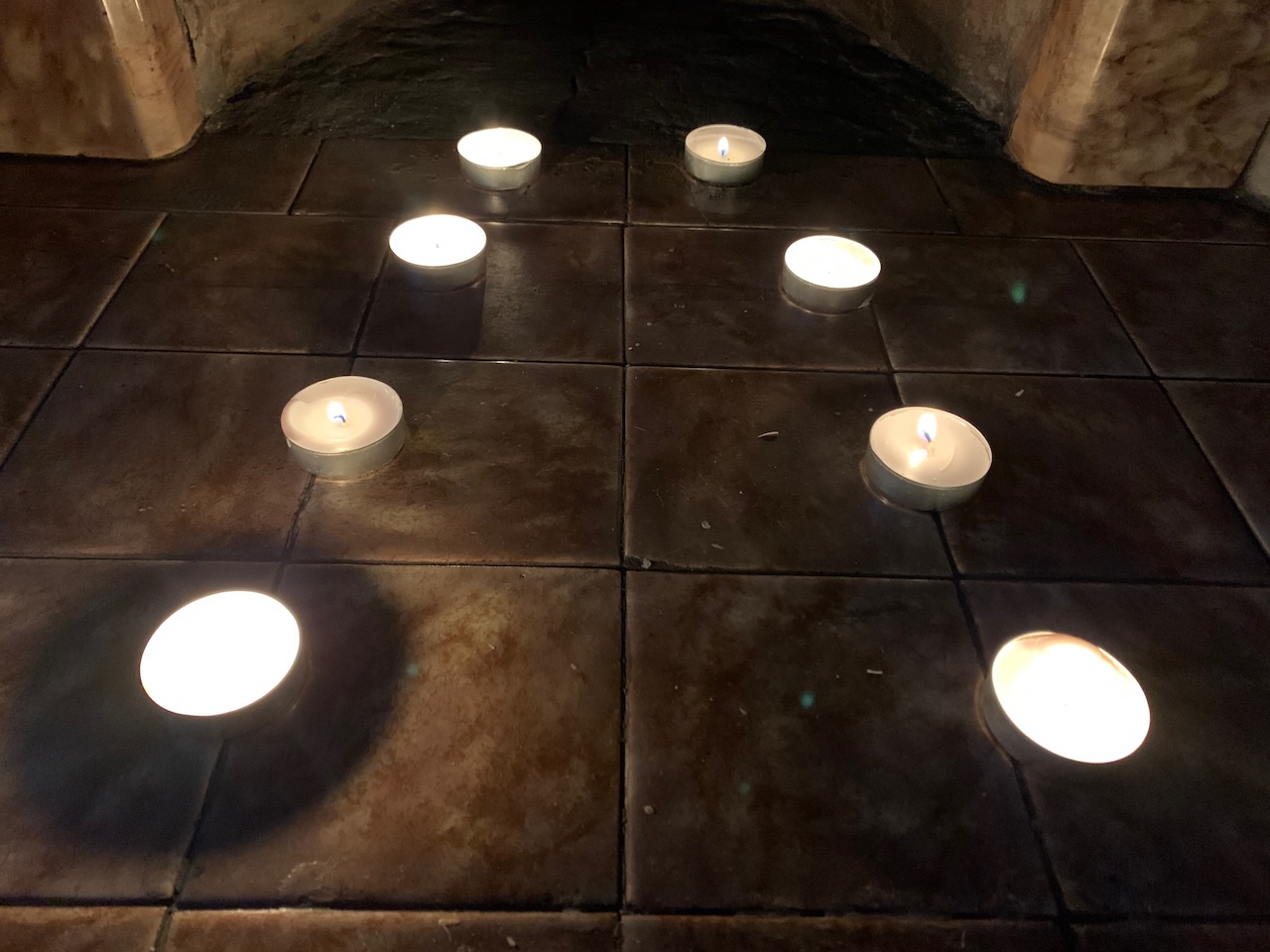
Then I had a vision. I was no longer alone. I was in some kind of underground shrine, chapel, or tomb, with long lines of monks and nuns wearing dark robes carrying candles before and behind me. 

I had always thought they were monastics from other traditions who walked similar paths and had come to provide me with company but now I’m wondering if they might have been past and future monastic devotees of Annwn.

*

This reasoning might seem a bit wild particularly considering there is no evidence for monks or nuns of Annwn in Brythonic literature or lore. 

However, if we look at those lines from Talieisn, first off we find them in Preiddeu Annwn ‘The Spoils of Annwn’ wherein the bard accompanies Arthur on his devastating raid on Gwyn’s realm from which only seven return. 

Secondly, the monks are exhibiting extremely strange behaviour for Christians – congregating or howling like dogs or wolves. This would make far more sense if they were devotees of Gwyn who is associated with a red-nosed hound called Dormach (5) and the Cwn Annwn ‘Hounds of the Otherworld’ (6) and whose father, Nudd, is referred to as ‘the superior wolf lord’ (7).

Thus, it might be argued, Taliesin is taunting monks of Annwn with accusations of not knowing the mysteries of their God – Pen Annwn – when He was born / created, of the source of the wind, the division of light and darkness. These seem bound up with Annw(f)n (from an ‘very’ and dwyfn ‘Deep) as the primordial reality that ‘underlies or underpins our known universe’ (8).

*

Even further, another of Taliesin’s taunts, is that they do not know ‘how many saints are in the void, and how many altars’. Again it would seem odd if saints and altars were consigned to ‘the void’ rather than raised to the Christian Heaven. If they were Christians… yet the consignment to the void of Annuvian saints and altars would make a lot more sense. 

Read into this more deeply and we find the disturbing possibility there existed monastic devotees of Annwn with saint-like qualities who with the altars of their Gods were committed by the likes of Taliesin and Arthur to the void. 

It is notable here ‘void’ is translated from diuant ‘space, void, annihliation, death’. These monastics have not returned to Annwn, ‘the Deep’, the regenerative deep home of their God but have instead been annihilated. Their names and memories chillingly wiped by Christianity from existence. 

Could it be their voices I hear from the void at this time the veil is thin?

(1) In ‘The Spoils of Annwn’, 
(2) In ‘The Battle of the Trees’.
(3) Potentially the Christian God but another possibility is Pen Annwn, the Head of the Otherworld, as in the second instance ‘Lord’ is translated from Pen.
(4) Margeret Haycock’s translation reads ‘congregate’ and Sarah Higley’s ‘howl.’
(5) In ‘The Conversation of Gwyn ap Nudd and Gwyddno Garanhir’.
(6) In the story of Iolo ap Huw in John Rhys Celtic Folklore. 
(7) In ‘The Pleasant Things of Taliesin’. 
(8) Kristoffer Hughes, ‘The Thirteenth Mount Haemus Lecture: Magical Transformation in the Book of Taliesin and The Spoils of Annwn’.

Lyke Wake Dirge – Pagan Version for Gwyn ap Nudd

This is a ‘paganised’ version of Lyke Wake Dirge – a North Yorkshire folk song that tells of the passage of the soul. Traditionally the last line of the refrain reads ‘And Christ receive thy saule’ and the journey leads to ‘Purgatory’s fires’. Here it is rewritten and sung for my patron God, Gwyn ap Nudd, a ruler of Annwn and guide of souls on Nos Galan Gaeaf when he rides with His hunt to gather the dead.

Lyke Wake Dirge

This ae nighte, this ae nighte,
(Refrain:) —Every nighte and alle,
Fire and fleet and candle-lighte,
(Refrain:) — And He’ll receive thy saule.

When thou from hence away art past,
(Refrain:) —Every nighte and alle,
To Whinny-muir thou com’st at last;
(Refrain:) — And He’ll receive thy saule.

If ever thou gavest hosen and shoon,
(Refrain:) —Every nighte and alle,
Sit thee down and put them on;
(Refrain:) —And He’ll receive thy saule.

If hosen and shoon thou ne’er gav’st nane
(Refrain:) —Every nighte and alle,
The whinnes sall prick thee to the bare bane;
(Refrain:) —And He’ll receive thy saule.

From Whinny-muir when thou may’st pass,
(Refrain:) —Every nighte and alle,
To Brig o’ Dread thou com’st at last;
(Refrain:) —And He’ll receive thy saule.

From Brig o’ Dread when thou may’st pass,
(Refrain:) —Every nighte and alle,
To Annwn’s fire thou com’st at last;
(Refrain:) —And He’ll receive thy saule.

If ever thou gavest meat or drink,
(Refrain:) —Every nighte and alle,
The fire sall never make thee shrink;
(Refrain:) —And He’ll receive thy saule.

If meat or drink thou ne’er gav’st nane,
(Refrain:) —Every nighte and alle,
The fire will burn thee to the bare bane;
(Refrain:) —And He’ll receive thy saule.

This ae nighte, this ae nighte,
(Refrain:) —Every nighte and alle,
Fire and fleet and candle-lighte,
(Refrain:) —And He’ll receive thy saule (x2).

*This version was first sung by Nina George and my performance group Guests of the Earth at the launch of my third book, Gatherer of Souls, in 2018. I have been singing it this time every year since to aid the passage of souls.

Meditating Gwyn

My breath with Your breath,
my heart with Your heart,
my feet on Your path,
You and I as one.

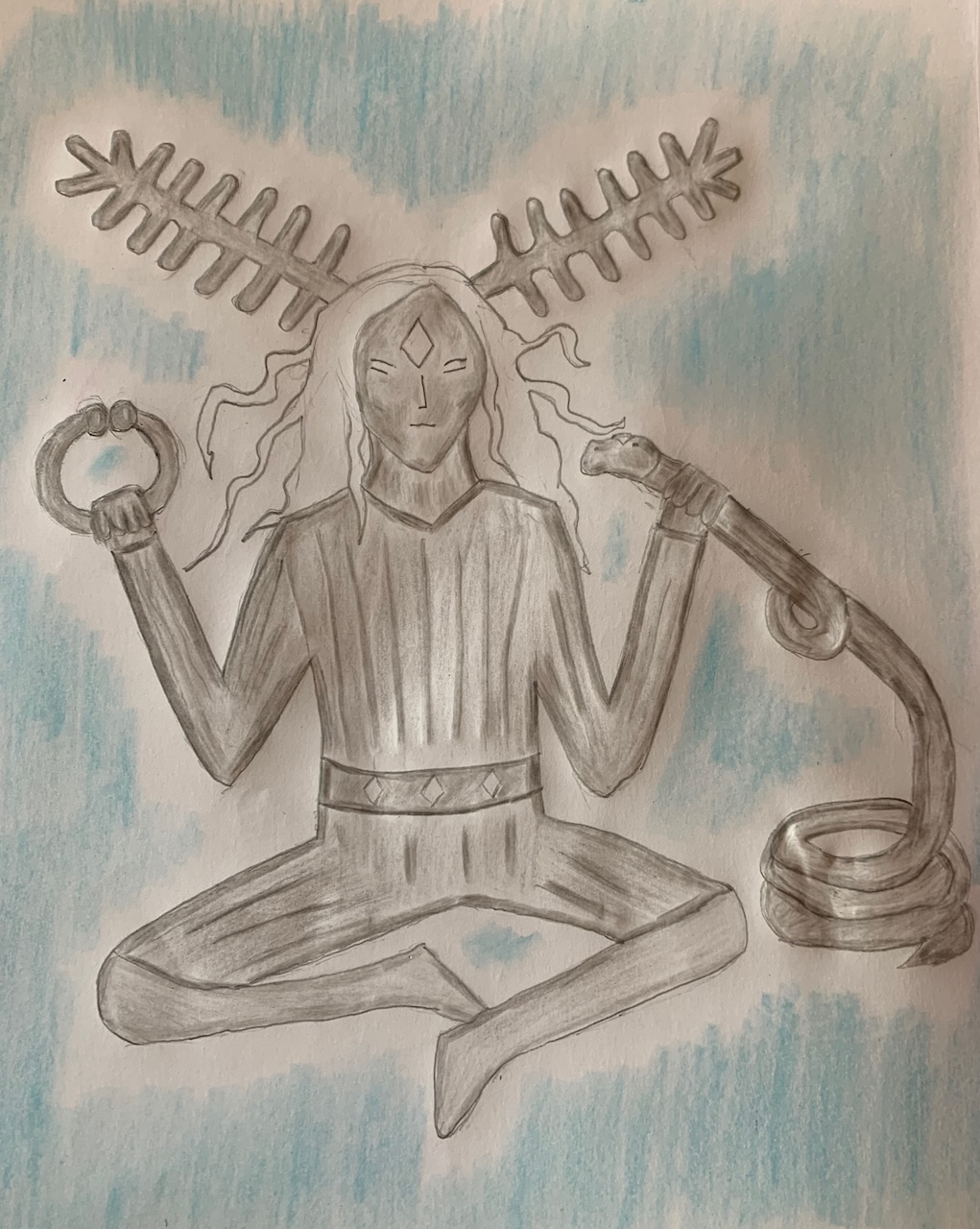
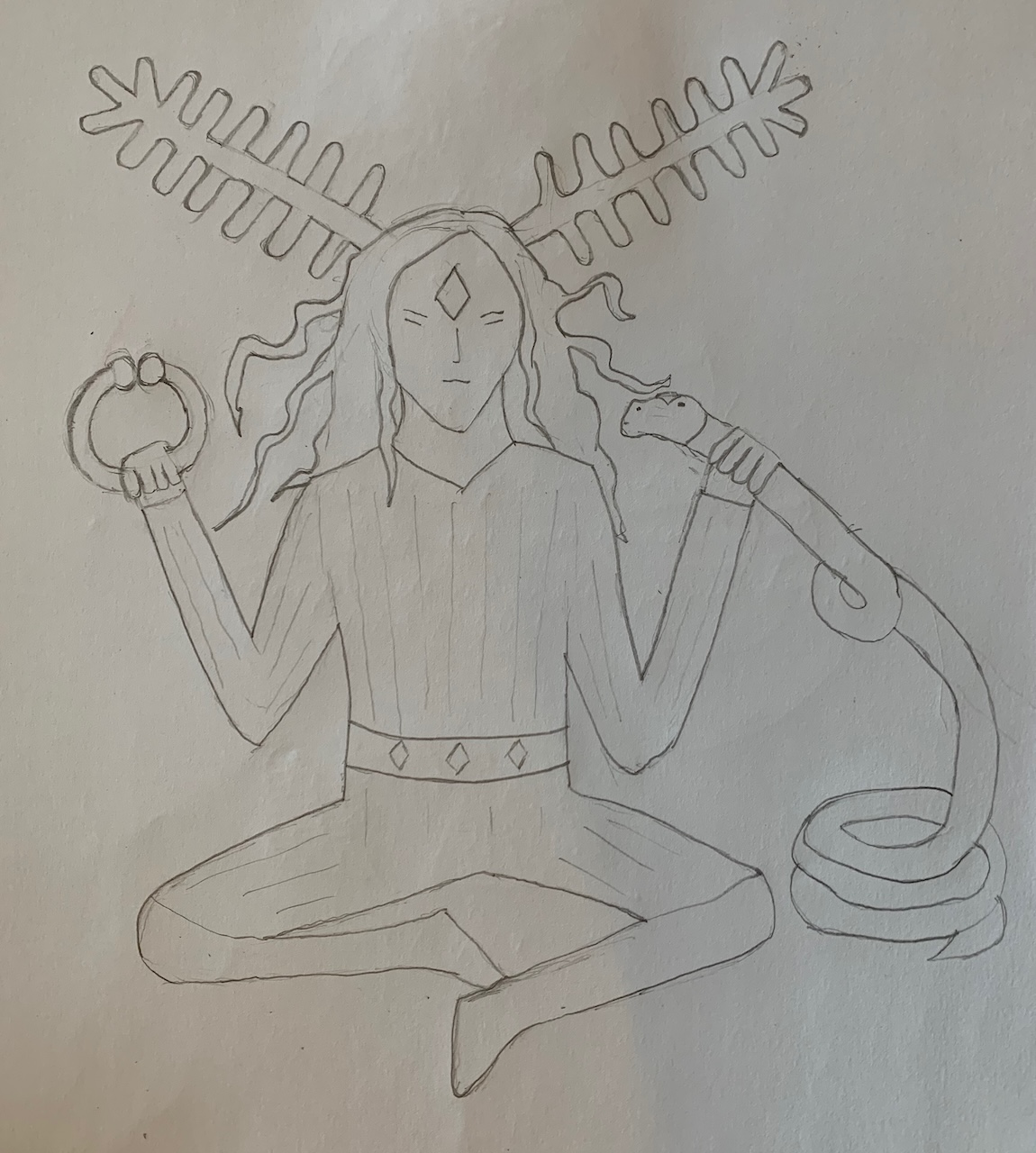
This piece of devotional art represents a face of my patron God, Gwyn ap Nudd, who I know as Meditating Gwyn and the Inspirer. Gwyn first appeared to me in this form when I started to take seated breathing meditation seriously after finding techniques that worked for me from yoga.

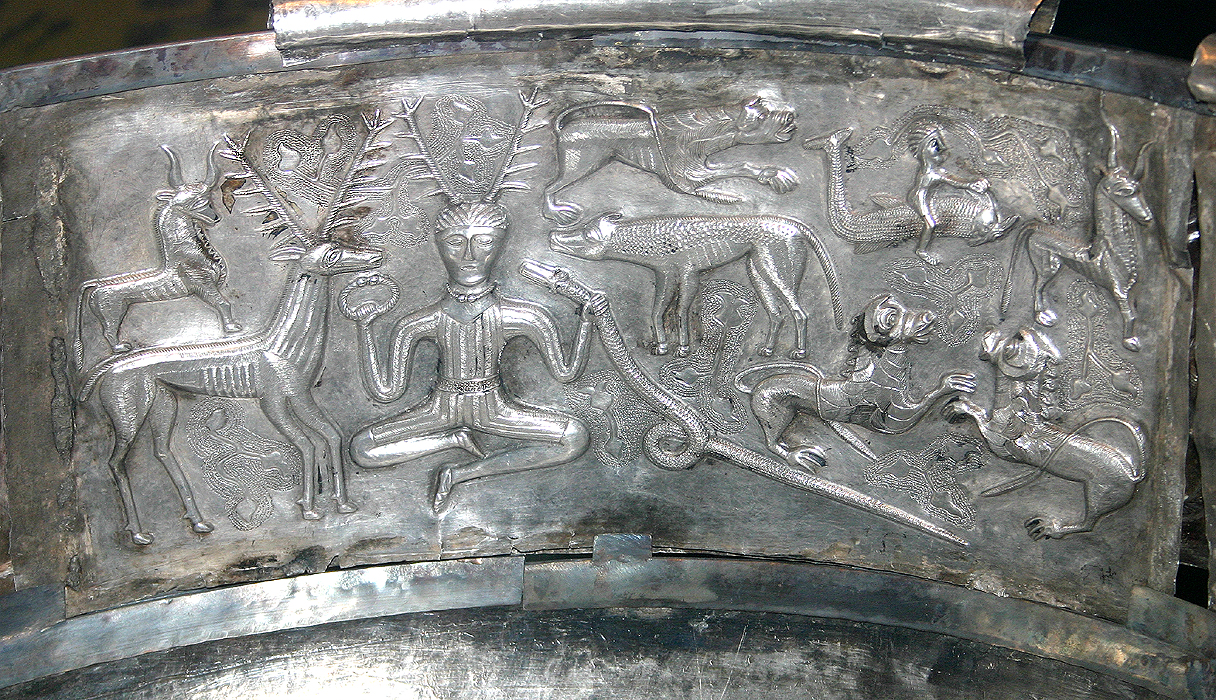
Several years ago I received the gnosis that the meditating deity on the Gundestrup Cauldron is likely to be Gwyn (who may also be Cernunnos ‘Horned’ by another title) and Gwyn’s appearance in this guise confirmed it.

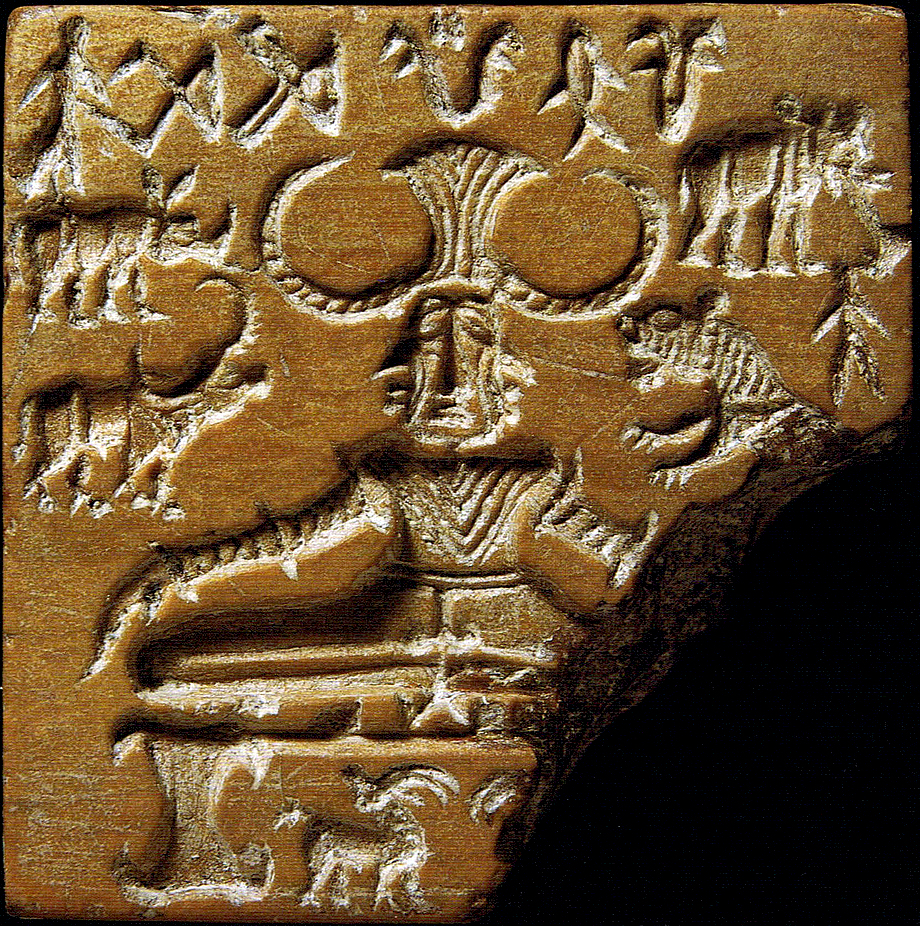
I had not thought of Gwyn, as a warrior-hunter God who gathers the souls of the dead, as being associated with meditation until He took this apparel. Yet it made sense in terms of my experience of Him paradoxically being not only the storm of the Wild Hunt but the calm at the heart of the storm. It also ties in with His likeness with Shiva, the Hindu Lord of Yoga, with them both being creator-destroyers with connections with bulls and snakes/serpents depicted in similar poses.

Since then Gwyn has continued appearing to me in this guise when I meditate, helping me to align my breath with His breath, my heart with His heart, keep my feet on His path and enter union with Him.

Whilst this image resembles the image on the Gundestrup Cauldron in many ways, it differs in others. You will probably notice Gwyn’s antlers don’t look like real antlers. They look more like radio antennas. I asked Him about that and He said it represents His ability, when meditating, to tune into what is happening in Thisworld and the Otherworld and sense the deaths of those whose souls He needs to gather.

Gwyn and the serpents have jewels in their foreheads. This addition has come to me in personal gnosis as I’ve journeyed with Him into the deep past, before the world was created, before humans, when He lived in Annwn amongst serpents. He and the serpents all had these magical jewels. I found no evidence of this for a long while until I saw a bronze head with a forehead jewel from Furness, Lancashire in Pagan Celtic Britain. I then learnt the serpent associated with Shiva, Nandi, has a magical forehead jewel. There are also three jewels in Gwyn’s belt which, to me, are the three stars in the belt of His constellation, the Hunter (Orion).

He wanted hair. Although Gwyn is not pictured on a cauldron I kept His silver-grey apparel as I see Him as having grey skin in His more primordial form (Creiddylad has green skin, Nodens/Nudd blue, Anrhuna grey) which I later realised fits with representations of the Gods in the Hindu and Buddhist yogic traditions.

This image on the Gundestrup Cauldron has also been associated with awenyddion ‘people inspired’ who likely used meditation and journeywork to travel to Annwn to bring back inspiration for their poetry. I see it as an image of Gwyn as the Inspirer which can be imitated by His Inspired Ones.

On Not Feeling Monastic Enough

During my discernment process around my temporary vows I have been struggling with not feeling monastic enough. Worrying our vows at the Monastery of Annwn are too ‘lite’. That I haven’t suffered enough, sacrificed enough, that my life of devotional creativity is too much like fun.

Reflecting on whether my life is monastic enough in relation to other traditions such as Benedictine and Carmelite Christians who pray Divine Office seven times a day I asked Gwyn by divination whether He is happy for me to continue focusing on devotional creativity or if he wanted me to give up more of my time to regulated prayer. I received the following answer.

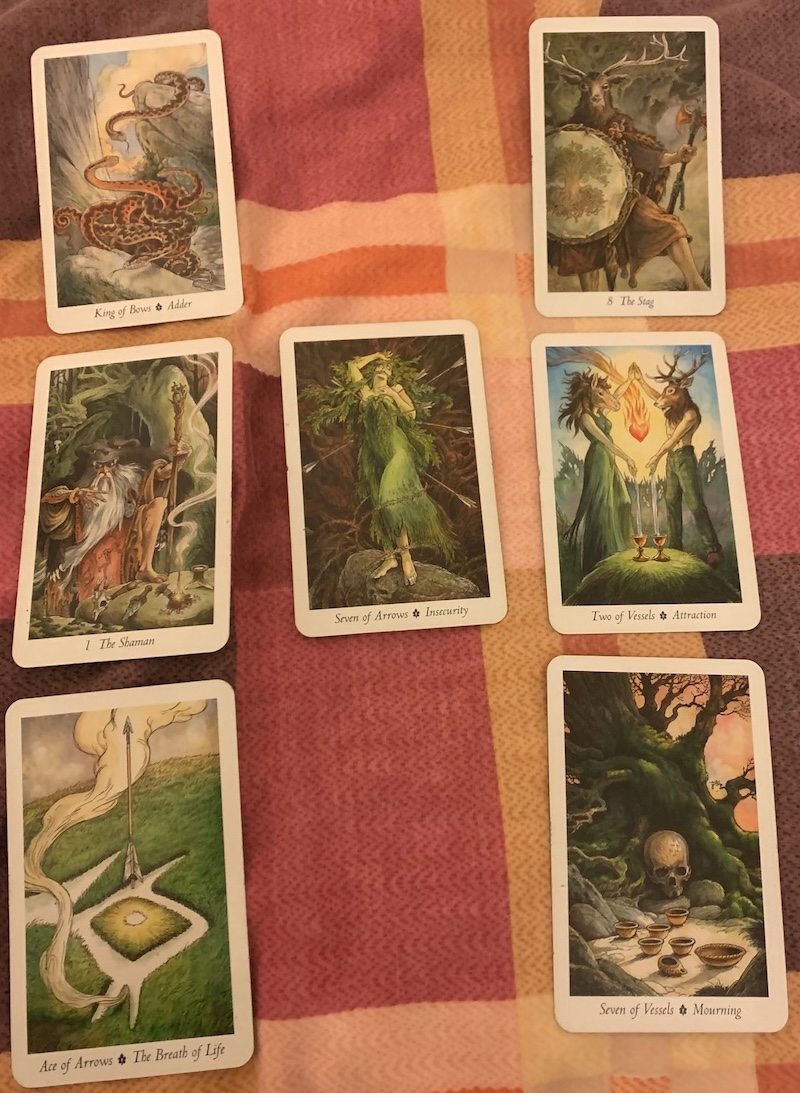
For myself as querent (centre) I got 7 of Arrows Insecurity. This suggested my asking this question is based on insecurities around not feeling monastic enough.

For creativity (left) I first got Ace of Arrows – The Breath of Life. A clear sign this is where my inspiration lies. Secondly 1. The Shaman. A powerful card showing I must continue to bring wisdom from the Otherworld through my writing. Thirdly King of Bows – Adder representing magical and serpentine energies and the snakes and serpents prominent in my books. 

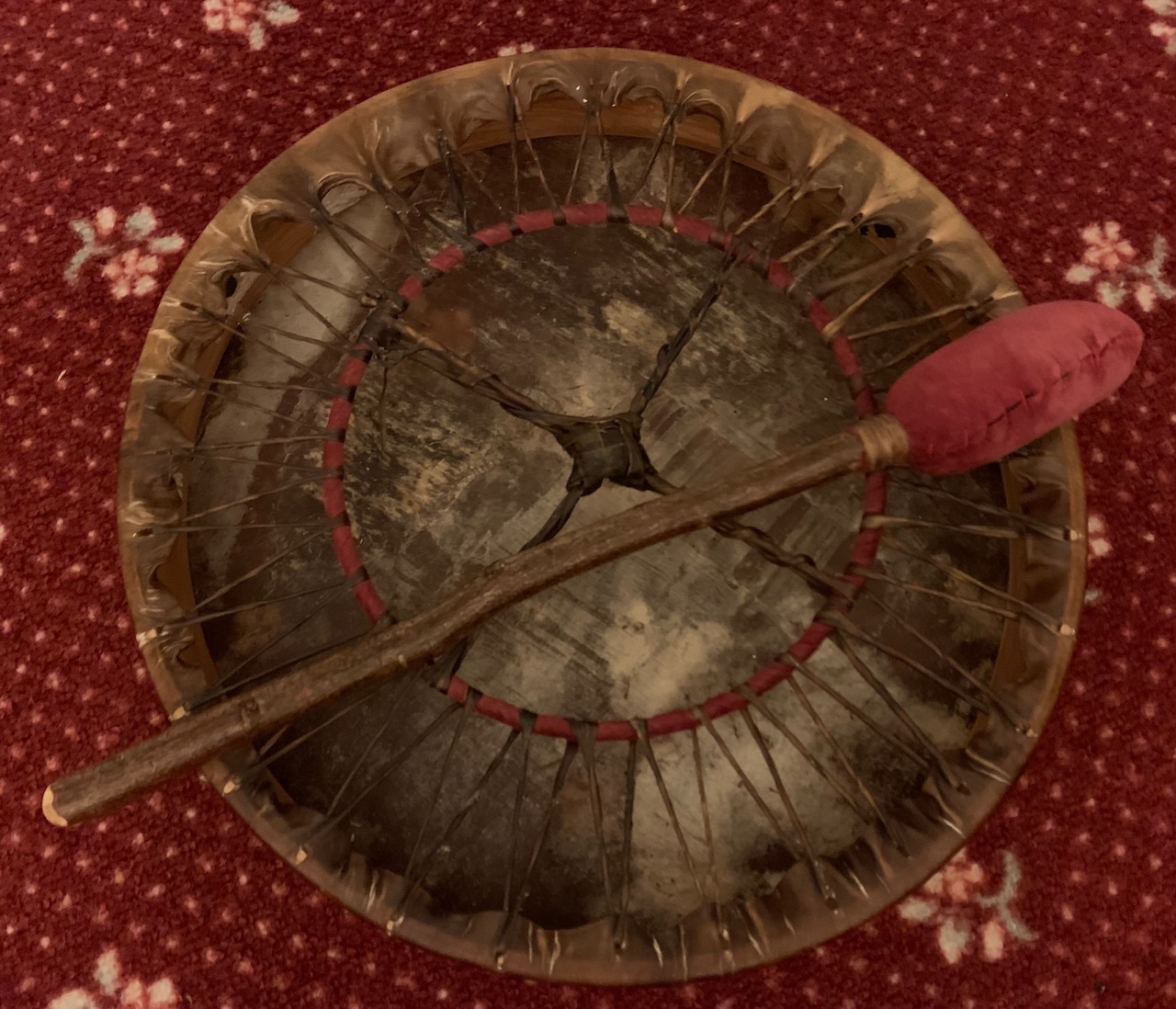
For shifting focus to contemplative prayer in a formal monastic way I first got 7 of Vessels – Mourning. This shows I am mourning having no existing tradition to follow in relation to my questions about spiritual direction. Secondly 2 of Vessels – Attraction. Rather than looking to more formal traditions I should keep my focus on the relationship between Gwyn (the stag-headed man) and Creiddylad (the horse-headed woman) and their relationship and the Heart of Annwn. Thirdly 8. Stag. I should remain focused on Gwyn and my shamanistic path as an awenydd (represented by stag and drum).

Shortly afterwards Gwyn asked me why, when I have my devotional relationship with Him and all the Otherworld to explore, I’m hankering after Christianity for guidance rather than asking Him and journeying for answers. He asked me to give up looking to Christianity and I agreed. 

A scary thing about this was when I was researching Christian prayer my horse and hound spirits disappeared from my life and I didn’t notice until I made my agreement with Gwyn and they returned to me afterwards on my run.

On further reflection I have been thinking about how the restrictions and rules of Christianity drive us towards physical and mental self-flagellation and cutting off parts of ourselves, in acts of martyrdom, in aspiration to saint-like ideals. Not good particularly if you’ve got a history of self-harm.

In contrast shamanistic traditions encourage us to be whole. To recover the soul parts we have cut off, that have been cut off from us through centuries of Christianity and more recently by industrialisation, rationalism, science, capitalism. 

To undo our internalisation of harmful social constructs and to heal. 

Our environmental crisis is underpinned by one of spiritual crisis. As Paul Francis describes it ‘an epidemic of soul loss’*. Our being cut off from the land and its spirits and the Gods has led to the hegemony of the exploitative world view that has allowed the ravaging of the earth that has brought about climate change to happen.

These insights have led me to see that if I am to be a polytheistic monastic and have a leading role in the development of the Monastery of Annwn I must put aside existing ideals that are harmful and focus on those that help us heal.

My work in relation to soul loss is reclaiming the myths of the deities of Annwn (the Brythonic Otherworld/Underworld) from demonisation by Christianity. Exposing the wounds and also working towards healing them.

Thus filling the myth-shaped and God-shaped holes**, the voids at the heart of modernity, that drive our endless consumption and consumerism.

Is this monastic enough? Is this monasticism? Perhaps not as we know it. 

Yet Gwyn has told me I am a nun of Annwn and this ‘title’ refers to my depth of devotion and service to Him. That it is fitting for one who lives a life centred on Him and to the awen from His cauldron.

I feel that in my soul I have always been a nun and this essential part of my being has been denied to me by society and my internalisation of society’s norms and accepting and becoming it is now the core of my journey.

*In his video on ‘Soul Loss and Soul Retrieval’ HERE.
**Terms used by myth teller Martin Shaw in a number of his video appearances on Youtube.

Nun of Annwn Morning and Evening Devotions

These are the morning and evening devotions I have developed over the past year living as a nun of Annwn honouring my patron God, Vindos/Gwyn ap Nudd and His family and my local deities and spirits and my ancestors. It has become important that Gwyn’s name is the first thing I speak when I wake up and the last thing I speak before I go to bed.

Morning Devotions

Opening

3 deep breaths

Gwyn ap Nudd, 
White Son of Mist, 
I, Sister Patience, 
nun of Annwn, 
come this morning 
to honour You, 

my horse inside me, 
my hounds beside me, 
my crows behind me.

Song: 

Vindos*, Holy Vindos,
You are my patron, inspiration and my truth.

Vindos, Holy Vindos, 
make me yours in deep Annwn.

Prayer for at-one-ment with Vindos/Gwyn:

My breath with Your breath,
my heart with Your heart,
my feet on Your path,
You and I as one.

Breathwork meditation aligning my breath and heartbeat with the Heart of Annwn (Gwyn’s heart)

Thanksgiving prayer: 

I give thanks to the Spirit of Monastery of Annwn.

I give thanks for this monastic cell where I come in devotion to the Gods and Goddesses of Annwn, practice my practices, incubate my dreams and visions. 

I give thanks to the people who support the monastery and pray for… (space for prayers for members who need support).

I give thanks to my ancestors of spirit, land and blood and to my parents for me being here. 

I give thanks to the guardian of this place, to the spirits of this house, of our garden, to all the trees, plants and creatures, to Greencroft Valley, Fish House Brook, this land of Penwortham, to Belisama, Goddess of the Ribble. 

I give thanks to the spirits of my gym and the people who support me there.

I give thanks for my health.

I give thanks to Ceridwen, Old Mother Universe, from whose crochan (womb / cauldron) the stars were born.

I give thanks to Anrhuna, Mother of Annwn, Dragon Mother, to Your dragon children for shaping this land, to Your womb for bringing life. 

I give thanks to Kraideti/Creiddylad for flowers and fertility. 

I give thanks to Nodens/Nudd and the weather shapers for today’s weather.

I give thanks to Vindos/Gwyn for guiding and gathering the dead.

Prayer to Gwyn:

I Hail You in the Morning HERE.

Meditation

Prayer for Awen

Either Annuvian Awen HERE or Prayer to Gwyn for Awen HERE.

~

Evening Devotions

Opening (replacing ‘morning with evening’), song, prayer for at-one-ment and breathwork meditation as above

Prayer to Gwyn: 

I Hail You in the Evening HERE.

Communion with Gwyn reflecting on my day. 

Song for Gwyn: 

All My Devotion HERE

Drumming – slow heartbeat – the beat of the Heart of Annwn.

Cleansing of body and energy centres.

Prayer and communion with Nodens:

I give thanks to you, Nodens, Lord of Dreams, for this sanctuary of sleep and for the dreams you gift me. These were last night’s dreams… I pray to you for a good night’s sleep and for dreams from the Deep.

Guide me through the land of dream and back to waking the next day my Lord Gwyn.

*Vindos is the Romano-British name of Gwyn and also means ‘White, Blessed’.