An Introduction to Vindos / Gwyn ap Nudd

I am writing this article for those who are new to the Sanctuary of Vindos and for those who have been following me for a while who might enjoy reading an article that brings together my research on Vindos / Gwyn in one place. 

Vindos

Vindos is the reconstructed Proto-Celtic name of the medieval Welsh God, Gwyn ap Nudd, ‘White son of Mist’. It stems from the root *Windo ‘White’ (1). It is possible that Vindos was worshipped at Vindolanda ‘the Land of White Springs’ (a Roman auxiliary fort on Hadrian’s Wall) and, like His father, Nodens (2), more widely across Britain during the prehistoric and Romano-British periods. 

From Gwyn’s role as a ruler of Annwn ‘Very Deep’ (the Brythonic Otherworld / Underworld) and gatherer of souls, we might derive that Vindos, too, ruled the chthonic regions and was associated with the dead.

It’s my personal intuition that the chalk God found at the bottom of a ritual shaft in Kent and recorded by Miranda Aldhouse Green might be Vindos: 

‘At the bottom of this shaft… all some 2.5 metres deep, was an oval chamber containing a complete figurine, composed of a featureless block of dressed chalk from which rises a long, slender neck and a head with a well-carved, very Celtic face. This figure may have stood in a niche high up in one wall of the chamber… Pottery would indicate a first or second-century AD date’ (3).

It is possible that prehistoric burial monuments with stonework made from chalk and limestone, described by Rodney Castleden as ‘bone-white buildings… temple-tombs… sharply defined with deep boundaries and blinding chalk-domes visible for many miles,’ (4) were associated with Vindos.

Vindos might be equated with the Gaulish Vindonnus ‘Clear Light, White’. According to James McKillop, Vindonnus was worshipped at ‘a site coextensive with Essarois in Burgundy, eastern France. Bronze plaques nearby depicting eyes suggest he was attributed curing powers for eye diseases’ (5).

It is likely that the coming of Christianity played a role in expunging the evidence for veneration of Vindos on the basis of His associations with the Underworld and death. Luckily, as Gwyn, His stories lived on in medieval Wales.

Bull of Battle – Warrior-Protector and Psychopomp

Gwyn’s clearest representation comes from a medieval Welsh poem called ‘The Conversation of Gwyn ap Nudd and Gwyddno Garanhir’ from The Black Book of Carmarthen (1250). Herein Gwyn and Gwyddno (6) converse at an undisclosed location. I believe the poem implicitly suggests that Gwyddno is dead and Gwyn has appeared to guide his soul to Annwn. This is also the interpretation of translator, Greg Hill, whose translation I have used below (7).

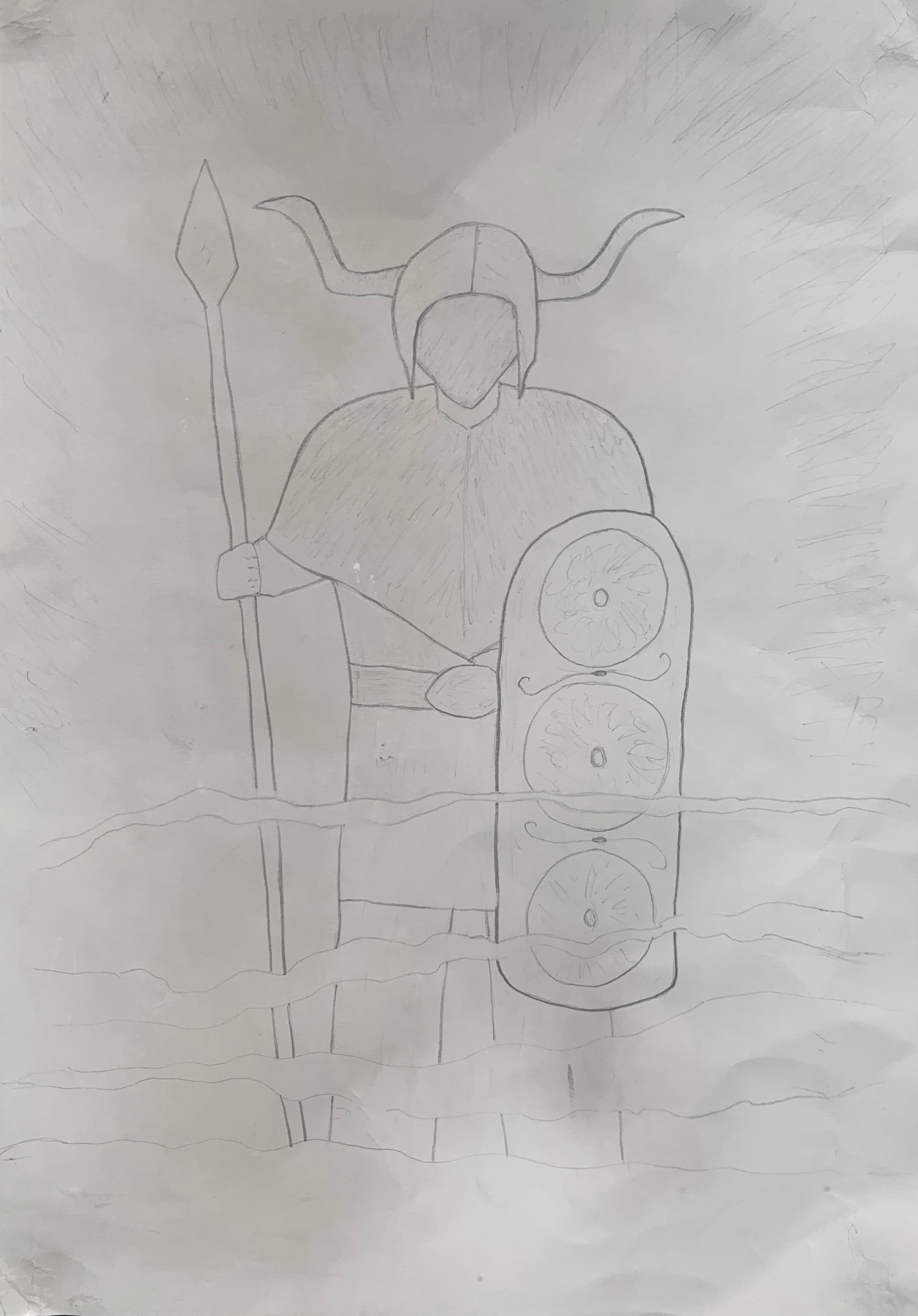
In this poem, Gwyn is addressed with deep reverence and respect by Gwyddno as a ‘fierce bull of battle’, ‘leader of many’, and ‘lord of hosts’. This fits with Gwyn’s name not only meaning ‘White’ but ‘Blessed’ and ‘Holy’. Gwyddno petitions Gwyn for protection, and Gwyn replies that from Him, an ‘invincible lord’ (hinting at His divine status), ‘He who asks shall have protection’. As a ‘bull of battle’, Gwyn is a warrior-protector.

At first, Gwyddno does not recognise Gwyn and thus asks what land He comes from. Gwyn replies: ‘I come from many battles, many deaths’. These words are suggestive of His role as psychopomp gathering the souls of the battle-dead. Only when Gwyddno asks Gwyn of His descent does He reveal His identity: ‘My horse is Carngrwn from battle throng / so I am called Gwyn ap Nudd / the lover of Creiddylad, daughter of Lludd.’ There is a sense here that it is only when Gwyddno recognises Gwyn that he realises that he is dead. ‘I will not hide from you.’ He realises he cannot hide either from Gwyn or the truth that he is deceased and states his own name, ‘I am Gwyddno Garanhir.’

Gwyn is then drawn away by His restless horse and red-nosed hound, Dormach, who is wandering away across the firmament, to further battles. Before He departs, He recites a series of verses recording the names of a number of famous warriors, mainly from Yr Hen Ogledd ‘the Old North’ (8), whose souls He has gathered from the battlefield. He then ends by speaking two of the most haunting verses in medieval Welsh literature. 

‘I was there when the warriors of Britain were slain
From the east to the north;
I live on; they are in the grave.’

I was there when the warriors of Britain were slain
From the east to the south;
I live on; they are dead.’

Here, Gwyn laments His role as an undying God fated to witness the deaths of his people and gather their souls until (as we shall soon see) the end of the world.

Leader of the ‘Demons’ of Annwn and the Wild Hunt

In Culhwch and Olwen (1100), Gwyn is contrastingly represented as a sinister figure. Herein we find the lines, ‘Twrch Trwyth will not be hunted until Gwyn son of Nudd is found – God has put the spirit of the demons of Annwfn in him, lest the world be destroyed. He will not be spared from there’ (9). 

These lines, penned by a Christian scribe, allude to Gwyn’s rulership of the spirits of Annwn. They suggest that Gwyn contains the aryal ‘spirit’ or ‘fury’ of beings seen as demons by the church both within His realm and within His person. Paradoxically, it is only because Gwyn partakes in their nature that He can hold them back in order to prevent them from destroying the world.

The lines about the hunt for Twrch Trwyth ‘Chief of Boars’ also contain darker allusions. The Twrch is not just any old boar but a human chieftain who was supposedly turned into a boar by God on account of his sins (10). That Twrch Trwyth is a human shows this is not a boar hunt but a hunt for human souls. That it cannot begin until Gwyn is found demonstrates He is the leader of the Brythonic variant of the Wild Hunt (which occurs across Europe).

Gwyn’s leadership of the Wild Hunt is further evidenced in the works of John Rhys. He refers to Iolo ap Huw, Gwyn’s chief huntsman, ‘cheering cwn Annwn over Cadair Idris’ every Nos Galan Gaeaf / Halloween (11). Rhys also refers to a horned figure with a black face, likely Gwyn, with the cwn Annwn ‘Hounds of the Otherworld’ hunting down a sinner ‘across Cefn Creini’ (12). As a devilish huntsman with His hounds and demonic followers He rides out through the winter months to hunt down not only the dead but living sinners.

Gwyn’s associations with winter and destruction are also hinted at in Culhwch and Olwen. Creiddylad, His sister, goes off with Gwythyr ap Greidol ‘Victor son of Scorcher’ but before He can sleep with Her, Gwyn takes Her by force (presumably to Annwn). Gwythyr gathers an army, attacks Gwyn, fails and is imprisoned. During their period of imprisonment, Gwyn kills the northern king, Nwython, cuts out his heart and feeds it to his son, Cyledyr, who goes mad. Arthur is brought in to intervene, calling Gwyn to him and determining that from thereon Gwyn and Gwythyr will battle for Creiddylad every May Day until Judgement Day and only then one may take her (13).

This Christianised episode is likely based on a pre-Christian seasonal myth wherein Gwyn, a Brythonic Winter King, takes Creiddylad, a Goddess of fertility and sovereignty, to Annwn for the duration of the winter months. On May Day, Gwythyr, a Brythonic Summer King, wins Her back for the summer.

Arthur’s intervention is employed to show the Christian warlord’s power over Gwyn. Throughout the tale, Arthur is demonstrated to have power over giants, witches, and magical white animals who are associated with Annwn. 

In another episode, Gwyn and Gwythyr accompany Arthur to slay Orddu, ‘Very Black’, a witch who lives in Pennant Gofid ‘the Valley of Grief’, ‘in the uplands of Hell’ (14). Gwyn attempts to stop Arthur from attacking Orddu to no avail, and Arthur cuts her in half and drains her blood. It is likely that Orddu was a ‘witch of Annwn’ (15) who worked magic with Gwyn and His spirits. 

Again, Arthur is shown to have power over Gwyn and His followers. Ultimately, Arthur usurps the hunt for Twrch Trwyth, seizing Gwyn’s role and replacing Him as warrior-protector of the Island of Britain. Yet, in the story and now, Arthur fails to hold back the forces who threaten to destroy the world. It is only Gwyn who can contain the furious spirits, who number the spirits of Annwn and the dead, until the world’s end.

King of Annwn and the Fairies

In The Life of St Collen (1550), Gwyn is described as ‘King of Annwn and of the fairies’, and He and His people are once again derided as ‘devils’. Gwyn summons Collen to His fair castle, which is described as being filled with ‘appointed troops, ‘minstrels’, ‘steeds with youths upon them’, and comely maidens. There, from his seat upon a golden chair, Gwyn invites Collen to feast upon His bountiful feast of delicacies, dainties, drinks, and liquors. Collen refuses, saying he will not ‘eat the leaves of trees’, suggesting the food is an illusory conjuration. He then says the red and blue clothing of Gwyn’s people signifies ‘burning’ and ‘coldness’ (it is hellish). Finally, he throws holy water over the heads of Gwyn and His people, and they vanish (16). Once again, we find a legend showing the power of a Christian over Gwyn.

The description of Gwyn’s castle is similar to the fortress of the King of Annwn / Faerie in other sources. In ‘The Spoils of Annwn’, we find seven fortresses, which I believe to be fragmented appearances of the same fort. This fortress, as Caer Wydyr ‘the Glass Fort’, is made of glass. As Caer Siddi ‘the Fairy Fort’, it contains the treasures of Annwn, and above it is a fountain that pours a drink sweeter than wine. As Caer Wedwit ‘the Mead Feast Fort’, it holds the ‘cauldron of the Head of Annwn’, which is ‘kindled by the breath of nine maidens’ and will not boil food for a coward (suggesting an initiatory function). Again, Arthur assaults Annwn and its people, stealing the spoils (17). 

In spite of Christian intervention, Gwyn and the spirits of Annwn live on as Y Tylwyth Teg ‘the Fair Family’ in later folk and fairylore. Like the Greek Furies, who are referred to as the Eumenides ‘Kindly Ones’ or ‘Benevolent Ones’ (with whom They are equated), this is likely a euphemism used to conceal Their contrary nature. They continue to steal or entice people to Their realm; curing, cursing, driving to madness, turning space and time and lives around.

Protector of the Sanctuary

Gwyn is a paradoxical God. On the one side, dark and furious. On the other, blessed and holy. Only because He is both can He offer protection and healing.

In The Speculum Christiani, Gwyn is invoked to heal the evil eye. ‘Some stupid people also go stupidly to the door holding fire and iron in their hands when someone has inflicted illness, and call to the King of the Benevolent Ones and his Queen, who are evil spirits, saying: ‘Gwyn ap Nudd, who are far in the forests for the love of your mate, allow us to come home’ (18). 

This might be seen to relate to the ability of Vindonnus to cure eye ailments. The father of Vindos / Gwyn, Nodens, was a God of healing dreams. Thus, it makes sense that Gwyn is not only a God of death and destruction, but of healing. 

In my experience, Gwyn is a powerful God of transformation who invites us to put to death the parts of ourselves we no longer need to become more whole.

“You who ask shall have protection,” He speaks. “I shall help you to come home.”

~

Footnotes and References

(1) Proto-Celtic – English https://web.archive.org/web/20060114133008/http://www.wales.ac.uk/documents/external/cawcs/pcl-moe.pdf
(2) Nodens, ‘the Catcher’, later known as Nudd or Lludd Llaw Eraint ‘Mist Silver-Arm’, was venerated at Lydney ‘Lludd’s Isle’ and two silver Romano-British statuettes dedicated to Him as Mars-Nodontis were found on Cockersand Moss in my home county of Lancashire.
(3) Aldhouse-Green, M., The Gods of the Celts, (1986, Sutton Publishing), p134
(4) Castleden, R., Britain in 3000 BC (Sutton Publishing, 2003), p90-91
(5) McKillop, J., Dictionary of Celtic Mythology, (Oxford University Press, 1998)
(6) Gwyddno Garanhir ‘the Knowing One with Crane-Legs’ is a legendary figure most famously associated with Cantre’r Gwaelod, ‘the Lowland Hundred’, a sunken land off the coast of Wales extending from Borth Beach (Porth Wyddno). He also had a port in the North and his hamper is listed in ‘The Thirteen Treasures of the Island of Britain’ which were in the North.
(7) https://awenydd.weebly.com/the-conversation-between-gwyn-ap-nudd-and-gwyddno-garanhir.html
(8) This name refers to the post-Roman Brythonic kingdoms of northern England and southern Scotland, which eventually fell to the Anglo-Saxons.
(9) Davies, S. (transl.), The Mabinogion, (Oxford University Press, 2007), p. 199
(10) Ibid., p. 209
(11) Rhys, J., Celtic Folklore, Welsh and Manx, (Oxford: Clarendon Press, 1901), p. 180-181
(12) Ibid., p. 281
(13) Davies, S. (transl.), The Mabinogion, (Oxford University Press, 2007), p. 207
(14) Ibid., p. 212
(15) Dafydd ap Gwilym refers to ‘witches of Annwn’ in his poem ‘The Mist’. Browich, R., (ed.), Dafydd ap Gwilym Poems, (Gomer Press, 1982), p. 134
(16) https://www.maryjones.us/ctexts/collen.html
(17) Haycock, M., Legendary Poems from the Book of Taliesin, (CMCS, 2015), p. 435-438
(18) Roberts, B.F., ‘Gwyn ap Nudd’, Llên Cymru, XIII (Jonor-Gorffennaf, 1980-1), pp.283-9.
Six s’s of Sister Patience that will live on

With the Monastery of Annwn, I took vows of simplicity and sustainability. I simplified my wardrobe, cutting it down to three sets of winter clothes, three sets of summer clothes, a couple of things for in between, and gym kit. All but my fleeces, coats, and waterproofs fit into my great-grandmother’s chest of drawers. I never buy clothes or shoes unless I need them. I once had altars to many Brythonic gods and various spirits, but as they were little used (the only thing worse than no altar is a neglected one), I rearranged them to reflect my near-henotheistic devotion to my patron God, Gwyn ap Nudd. I walk or cycle within my limitations as someone with knee issues and a cheap bike (after my last one was stolen), and do my best to buy local or at least British food.

Solitude has always come naturally to me. I love being alone (with my Gods), and only the call of the awen or the fulfilment of my shamanic vocation can happily draw me out of this state. Silence has been one of the greatest blessings. As an autistic person, exterior quiet has long been essential for me, but it’s only since exploring Eastern methods of meditation and Christian methods of prayer that I have managed, on occasion, to attain the inner silence needed to truly listen to the Gods.

I’ve lived in the same house in Penwortham pretty much since I was four years old, so stability really accords with me. Increasingly, I have no desire to travel. I’m happier and happier deepening my relationship with my home, garden, local valley, and walking and cycling in the local area. 

When I learnt I must give up the name Sister Patience, I feared her sanctuary would have to go with her. I was saddened to think of the departure of its spirit. Yet Gwyn came along and asked that I dedicate it to Him by His older name Vindos. I was absolutely delighted. It felt so right (although I had a sneaking feeling that He might have been planning for this all along…).

Another word, which I can’t include as it doesn’t begin with an ‘s’ but does have ‘s’s’ in it, and forms the spiritual core of all the ‘s’s’ is godspouse. It was as Sister Patience I married Gwyn, as a nun of Annwn, similarly to a Bride of Christ. I’m glad to say that we’re still happily wed and our relationship will live on. In retrospect I guess it makes sense that a year after we get married He moves in!

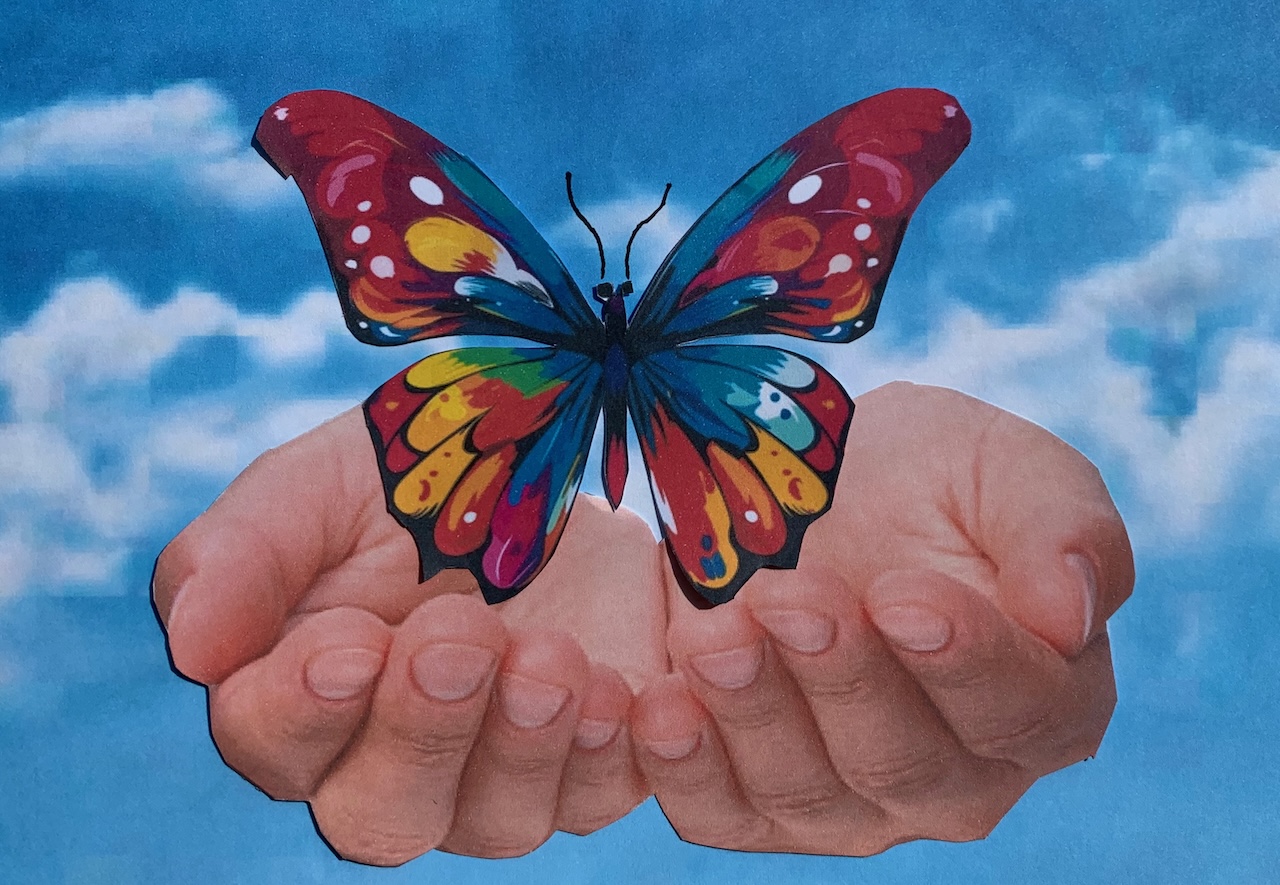
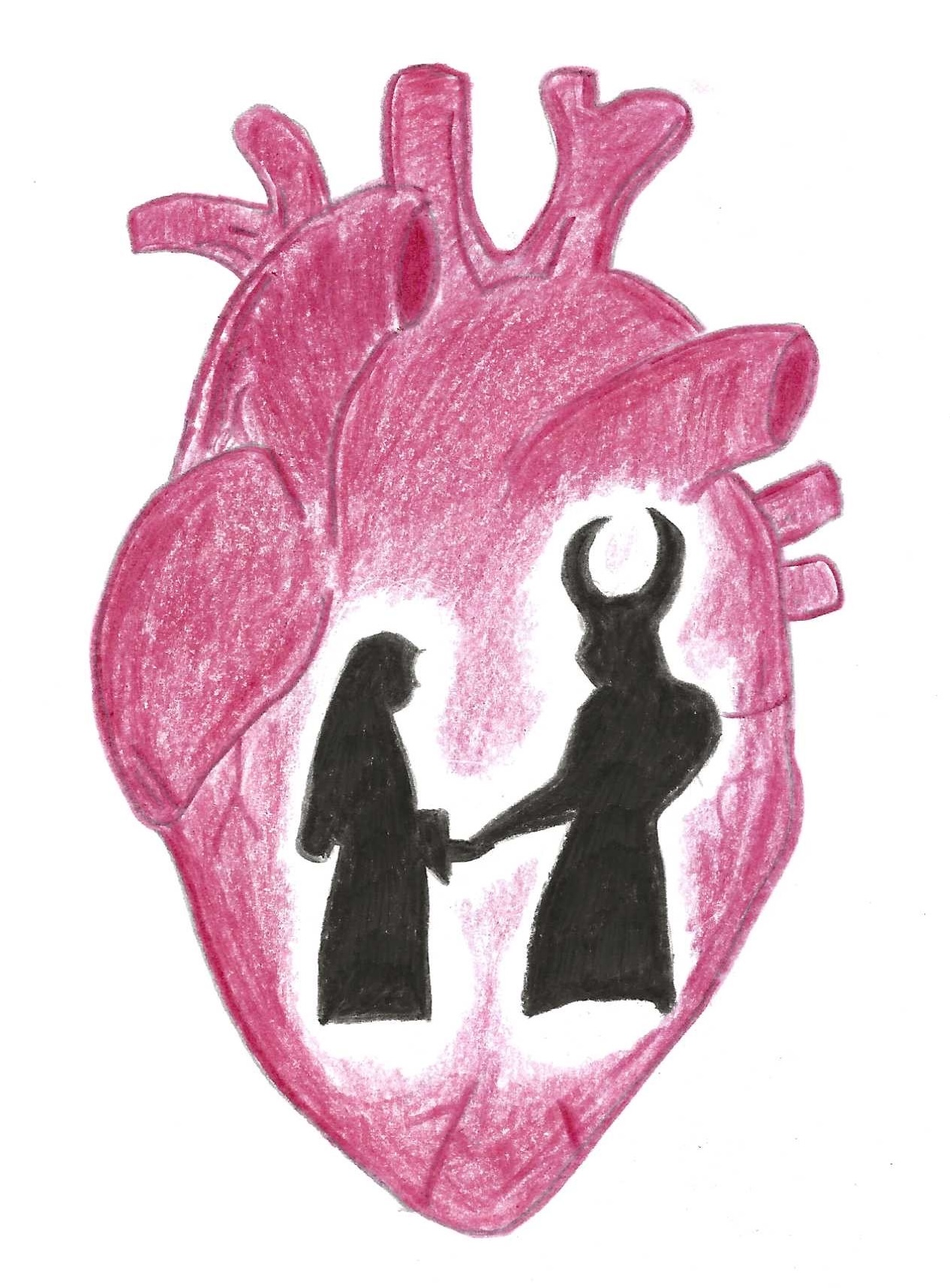
Beneath is an image from the cover of a poetry book about our marriage called ‘The Heart of Annwn’ that I wrote for Gwyn and was planning to offer to Him when I retook my temporary monastic vows this year. The book wasn’t quite good enough and the vows will not be made, but I’m hoping I might one day rework it. For now, here is the image I was planning to use as cover art.

The Sanctuary of Vindos Dedication

Beloved Vindos,
my patron, inspiration and truth,
on this night of the Reaping Month,
on the total eclipse of the full moon,
I hereby dedicate this Sanctuary to You.

May I honour You well
with my prayers and inspiration.

Through Your guidance as a Guide of Souls
may I guide and heal others too.

Together may we reweave 
the ways between Thisworld and Annwn.

The Death of Sister Patience

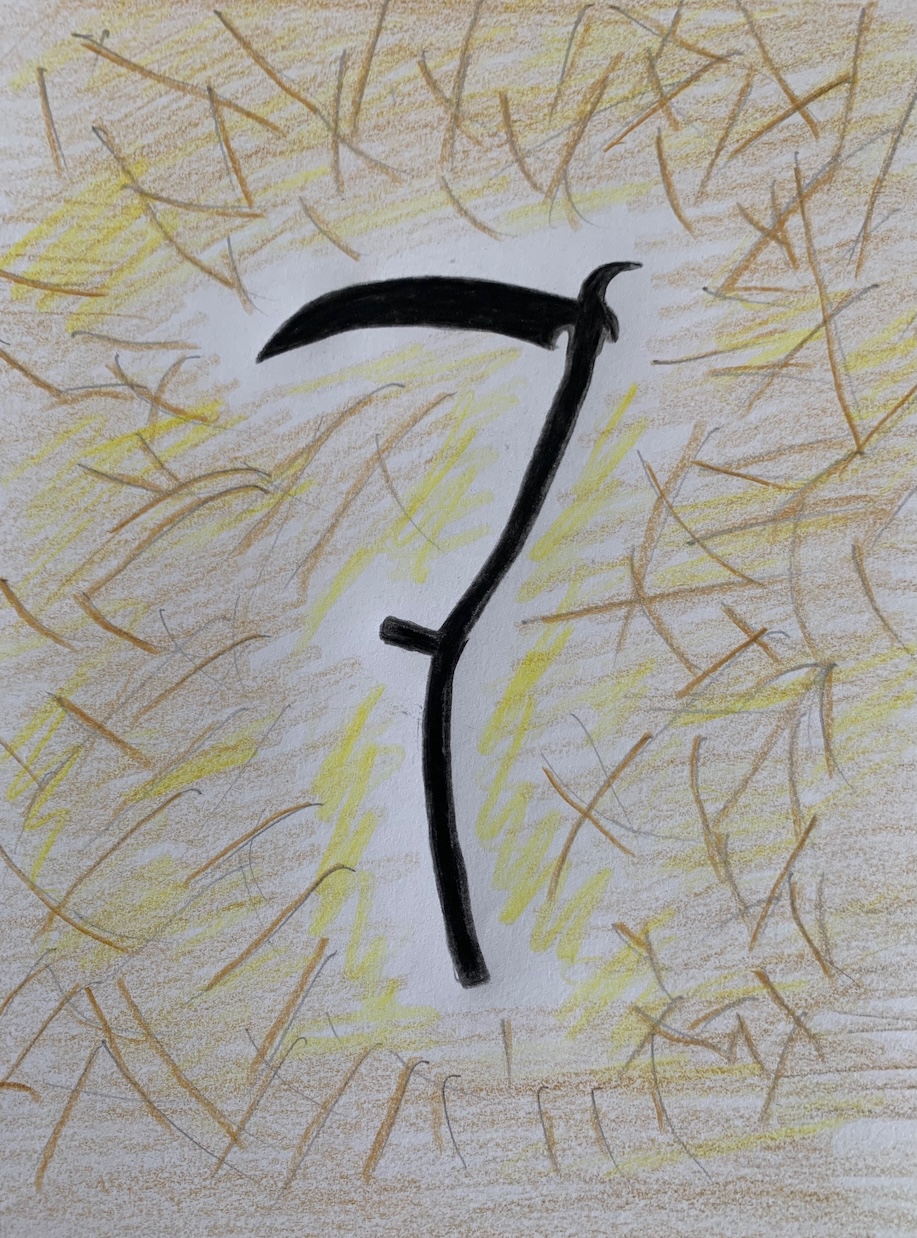
The wind is blowing. The Reaper is busy with His scythe. After my insights about being more of a hermit than a nun a whisper on the wind, ‘Sister Patience must die.’ Three years ago I took temporary vows by this name as a nun of Annwn and, as the time comes to renew them approaches, I realise I will not be taking them again this year. Instead I must surrender this name, this identity, disrobing over the next few weeks, then giving it entirely back to Gwyn, from whom it came, on His feast day on September the 29th. I have learned many lessons and received many blessings from this name. Hopefully some of the virtues of Sister Patience will live on as I return to my birth name and continue to serve Gwyn as a hermit and shamanic practitioner.

Soul Loss and Soul Retrieval

Soul retrieval is a central practice within core shamanism. It was (re)introduced to the West by Michael Harner in the 1970s following his study and practice with indigenous shamans around the world. 

From a shamanic perspective, one of the main causes of illness is soul loss. This occurs in moments of trauma wherein the pain is so great a part of the soul departs from the body in order to preserve the intregrity of the whole. Soul loss can occur as a result of major trauma such as accidents, near-death experiences, war-time experiences, abuse and neglect. It can also be brought about by ongoing traumas such as bullying and being trapped in a controlling relationship. What constitutes trauma for one person might be different for the next. We can also, consciously or unconsciously, send soul parts away in order to fit in with family, friends, or the demands of society. These are often child parts, sensitive parts, or wild parts that do not cohere with social norms.

Within a shamanic context the soul parts can depart to various places. They can remain stuck at the site of the trauma here in the Middle World or take flight to a favourite place where they feel safe. They can also go to the Upper World or the Lower World. It is common to find they are looked after by guides or ancestors or protected by guardians.

The technique for bringing these missing soul parts back is called soul retrieval. It is possible for spontaneous soul retrieval to happen – for soul parts to come back on their own – and for a person to be able to find or call back their own soul parts. However, most often, because a person has sent their soul parts away and they no longer trust them or believe being with them is safe, it takes the skill of a shamanic practitioner to bring them back.

In a soul retrieval the practitioner journeys into the spirit realm with their guides to find the lost soul part. Negotiations with the protectors and with the soul part itself are usually needed to persuade it to come back. Soul parts will rarely return if the client is in the same conditions as when they left – for example trapped in abusive relationship or in an intolerable job. The soul parts frequently ask that the client make life changes to accomodate them (if they have not already done so) and might also ask that they make room for their needs – such as time for play or for spirituality or creativity. They might also ask for ritual acts such as the client eat their favourite food on a particular day, wear their favourite clothes, or do a favourite activity. Once the negotiations have been completed the soul parts sometimes need healing. After this, the practitioner returns and blows the soul part into the client’s body (usually a chakra) then rattles around to seal them in. The journey is then discussed with the client and they are advised on integration.

The main symptom of soul loss is feeling like you are not all here or a part of you is missing. Other symptoms include lost or fragmented memories and recurring dreams. Often, talking therapies fail to work because they are not addressing the parts that are missing. This fits with what, today, we call PTSD. In fact, the concepts of soul retrieval and soul loss fit very well with contemporary findings in neuroscience which demonstrates that trauma causes certain parts of our brain to go offline (causing parts of ourselves to disappear). Also, with psychotherapy, particularly Internal Family Systems, wherein protector parts are negotiated with and exiled parts integrated back into the whole. Following soul retrieval it is common for a person to feel more grounded and whole, for memories to return, and recurring dreams to ease.

Like most people I’ve experienced a fair amount of trauma. I’m autistic and was bullied throughout school and have also been bullied in the workplace. As a result I was often disassociated and retreated into fantasy to escape. I also depended on alcohol to self-medicate my anxiety for most of my life. Having a soul retrieval with my mentor and retrieving a soul part from one of my past lives have helped me to be happier and more present in the world. 

My patron God, Gwyn ap Nudd, gathers the souls of the dead in the Brythonic tradition. He played a role in my soul retrieval, guiding my mentor to one of my lost soul parts and bringing it back to me. This experience was very emotional. Afterwards I realised that gathering lost soul parts was also His role. From thereon I knew soul retrieval was to be an important part of my work.

For my training towards becoming a shamanic practitioner I completed ten case studies. Soul retrieval proved popular because so many people relate to the concept of soul loss and recognise they are suffering from it. Finding and returning lost soul parts has been challenging but beautiful and inspiriting work and a fulfilment of service to both my clients and my God.

At first I was anxious about doing this healing for a couple of reasons. Firstly, there was the fear that I’d be completely useless at it and unable to find the soul parts. This was assuaged a little when one of my crow guides joked that I’d find it easier finding the soul parts than the people they belonged to. 

Secondly, I was nervous about interacting with other people on such a deep level as an autistic person with social anxiety who has little experience of interpersonal relationships. Would I be able to show adequate care and kindness towards my clients and the lost and wounded parts of their souls? To make the shift from being an anxious and defensive person who has survived in a neurotypical world by masking to being more open-hearted I had to put a lot of trust in Gwyn and my guides and the people I was working with. Following my prayers I was able to drop down from the chatter in my head to working on a more intuitive and heart-centred level. This enabled me to interact with clients empathetically face-to-face and during the journeys. Not only that, on many occasions, I shared their emotions – both joy and sorrow, and even ended up hugging a couple of people afterwards (I never hug!).

During the healings I recovered soul parts from various places. Some remained at the site of trauma in the Middle World often within urban landscapes. Others had chosen to remain in or had fled to familiar places Middle World such as family homes, woodlands and beaches. A couple had escaped to fairytale landscapes in the Upper World. Some had gone to or were stuck in the Lower World – being submerged in underwater places or trapped in underground tunnels were common themes. Some of the soul parts had otherworldly guardians. Others had been looked after by ancestors, animal spirits, or favourite pets who had passed over.

The soul parts varied in age and appearance. Many were child parts. I was surprised to find a foetal part. I’d come across very young and baby parts but had been unaware that parts could leave whilst in the womb. I was equally surprised by the appearance of an elderly part. I hadn’t realised we contained or could lose parts older than our current age but this made sense within the context of the soul containing all our possibilities within it. Whilst most appeared as human some at first appeared as objects or essences.

In order to return, some of the soul parts simply wanted loving and nurturing. Others asked the clients to make room for emotions such as fear and joy. In some instances specific rituals were given which helped with the integration.

I didn’t have any problems journeying and so far have not returned without any soul parts. Contrarily, after discussing the healings with my mentor, in a couple of cases I feel I might have been overtrying, pushing too hard to find the soul parts, rather than letting the journeys unfold at a slower pace and allowing for distractions that might provide other revelations about a client’s problems.

Another thing I noticed was my reactions to the feedback (provided a month later). I was really attached to my clients providing positive comments and assuring me that all the classical effects of a soul retrieval had been felt. In a couple of instances life stresses had got in the way or clients had felt less certain about whether the soul parts had returned making me feel I’d failed.

When I spoke to my mentor about this she reminded me that spirit does not follow the Western model of cause and effect. Shamanic healing isn’t linear. When we’re working with spirit / energy / the web of life, if we change or unpick something in one place it will alter something elsewhere in space and time but it might not be the thing we expect. Also, it is common for clients to have ups and downs and for the healing work to bring up issues that need to arise and to be integrated and processed. These issues of having certain expectations and being attached to results are something I need to work with.

Overall I felt the soul retrievals were a success. On all occasions my clients had powerful and moving experiences and experieced the return of soul parts. In my feedbacks it was repeated that they felt safe and comfortable working with me, that they were listened to, that I was calm and… patient. I still have alot to learn but my foundational training in soul retrieval is complete and I’m looking forward to further developing my skills with this practice.

I am now offering soul retrieval at a student rate of £30 for a 2 hour session (1/2 hour online interview and 1 1/2 hour healing online or in-person for local people).

King of Annwn as You Slumber

King of Annwn as You slumber
let me sing the world above for You –
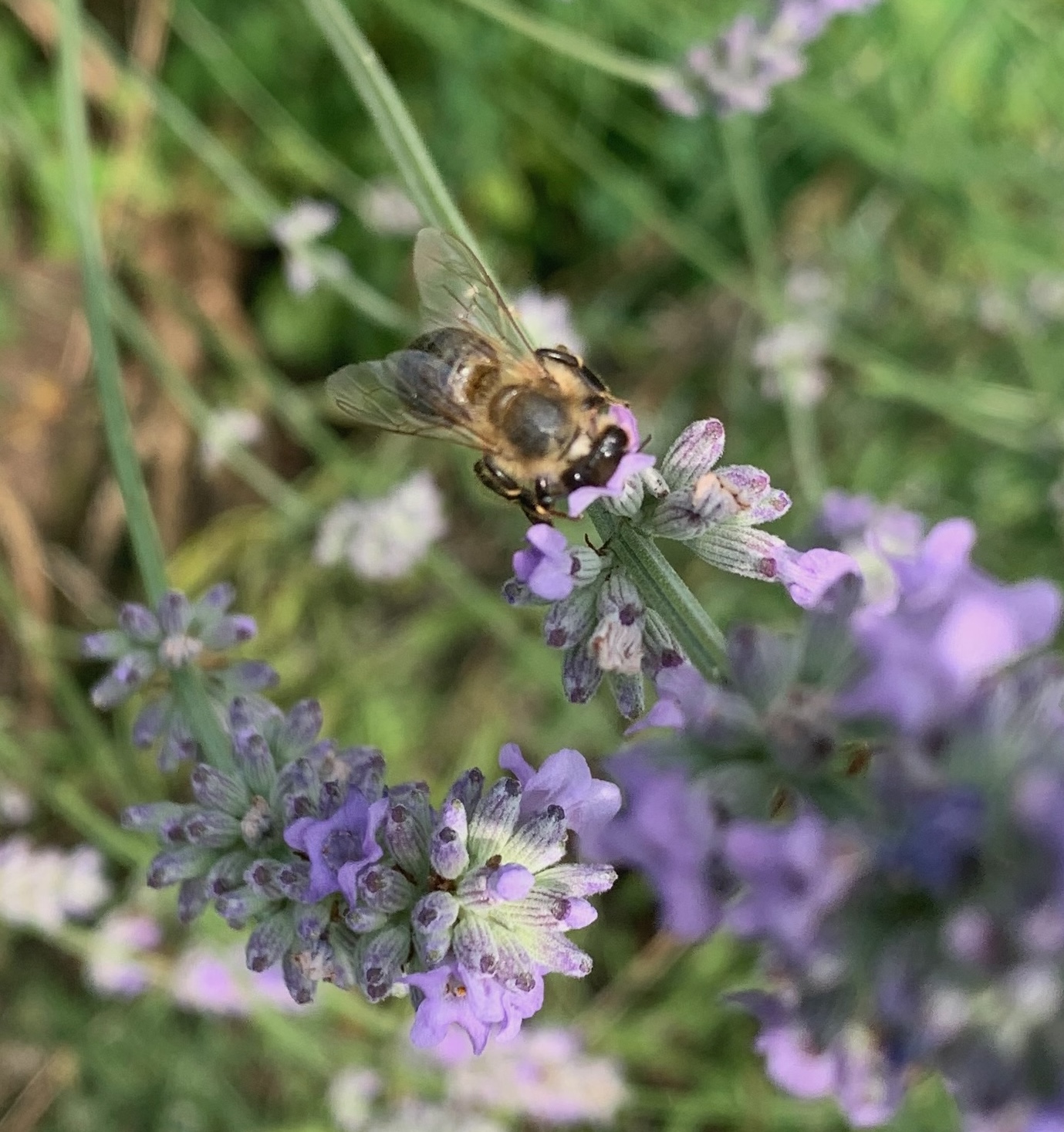
of how the bees upon the lavender
are humming secret songs for You.

King of Annwn as You slumber
let me sing the world above for You –
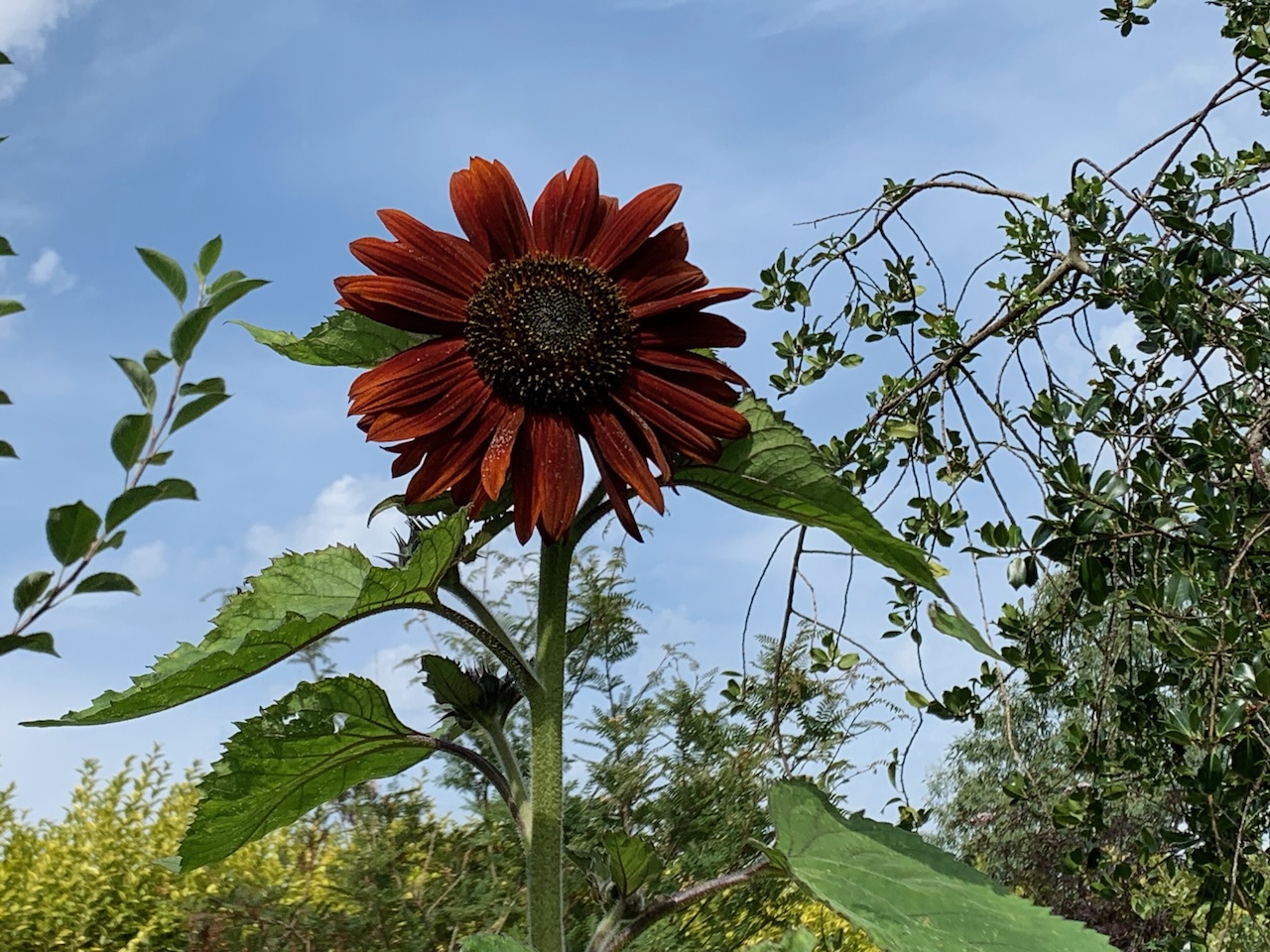
of sunflowers tall as Gwythyr’s warriors
turning from the sun towards You.

King of Annwn as You slumber
let me sing the world above for You –
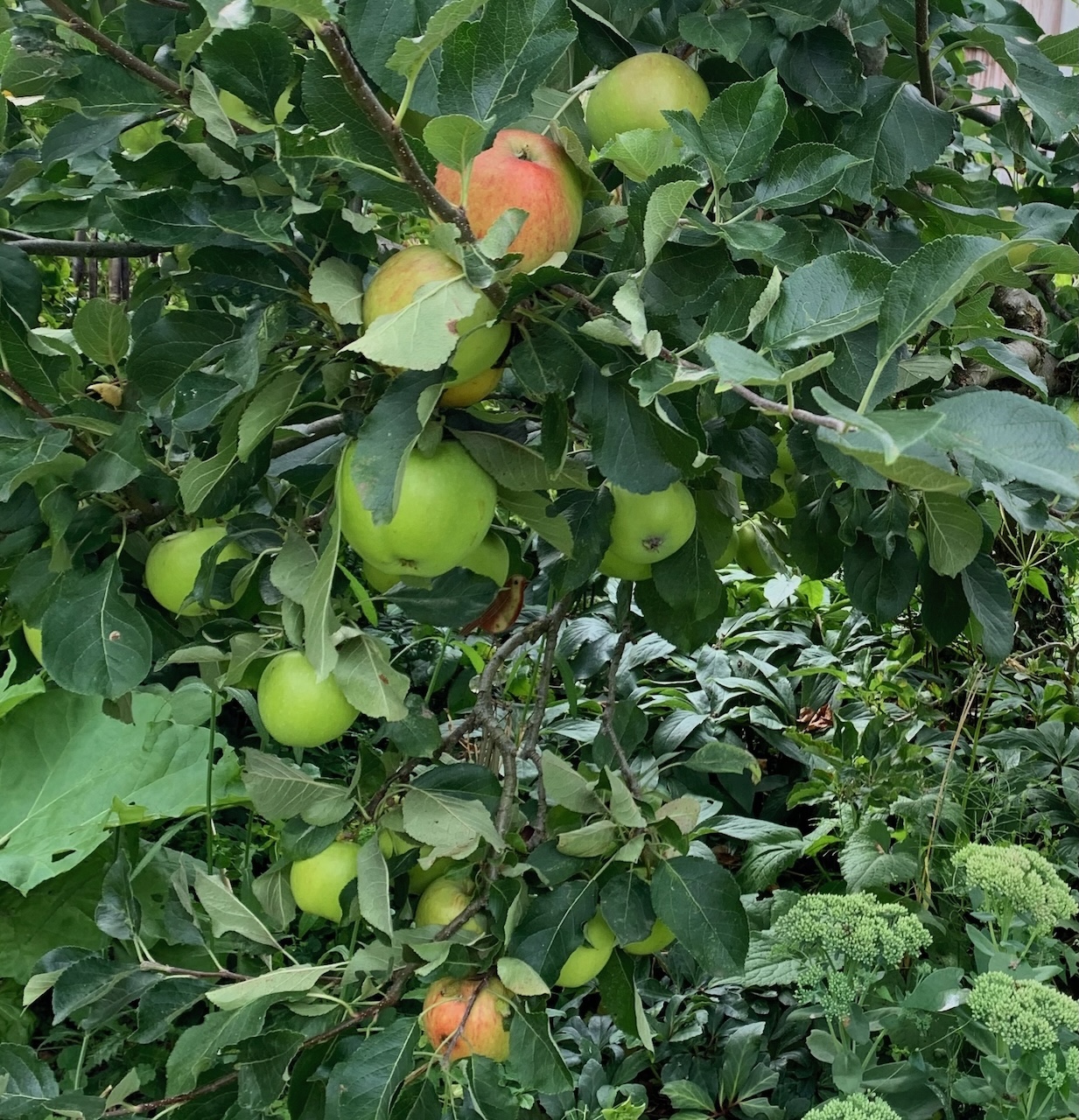
of how the apples on Your sacred trees
are ripening like the full moon for You.

King of Annwn as You slumber
let me sing the world above for You –
of how the blackberries are glistening
darker than the dark moon for You.

King of Annwn as You slumber
let me sing the world above for You –
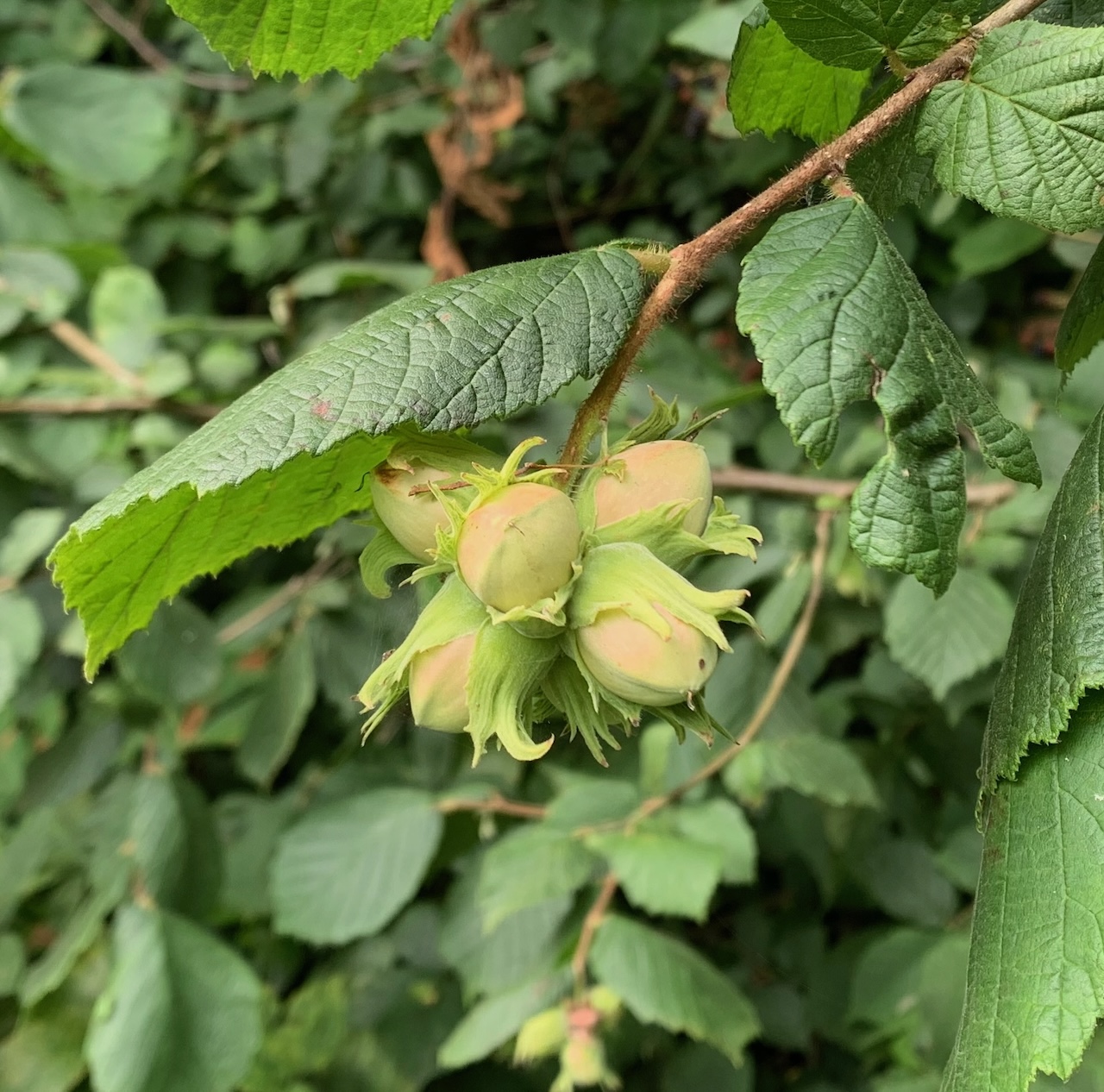
of how the hazelnuts are growing
in threes and fives and nines for You.

King of Annwn as You slumber
let me sing the world above for You –
of how the white fields sway and tremble
as a wind like a scythe passes through.

King of Annwn as You slumber
let me sing the world above for You –
of how, like Creiddylad, I am waiting
beneath the shadows of the yew.

The Story of the Spirit of the Sanctuary

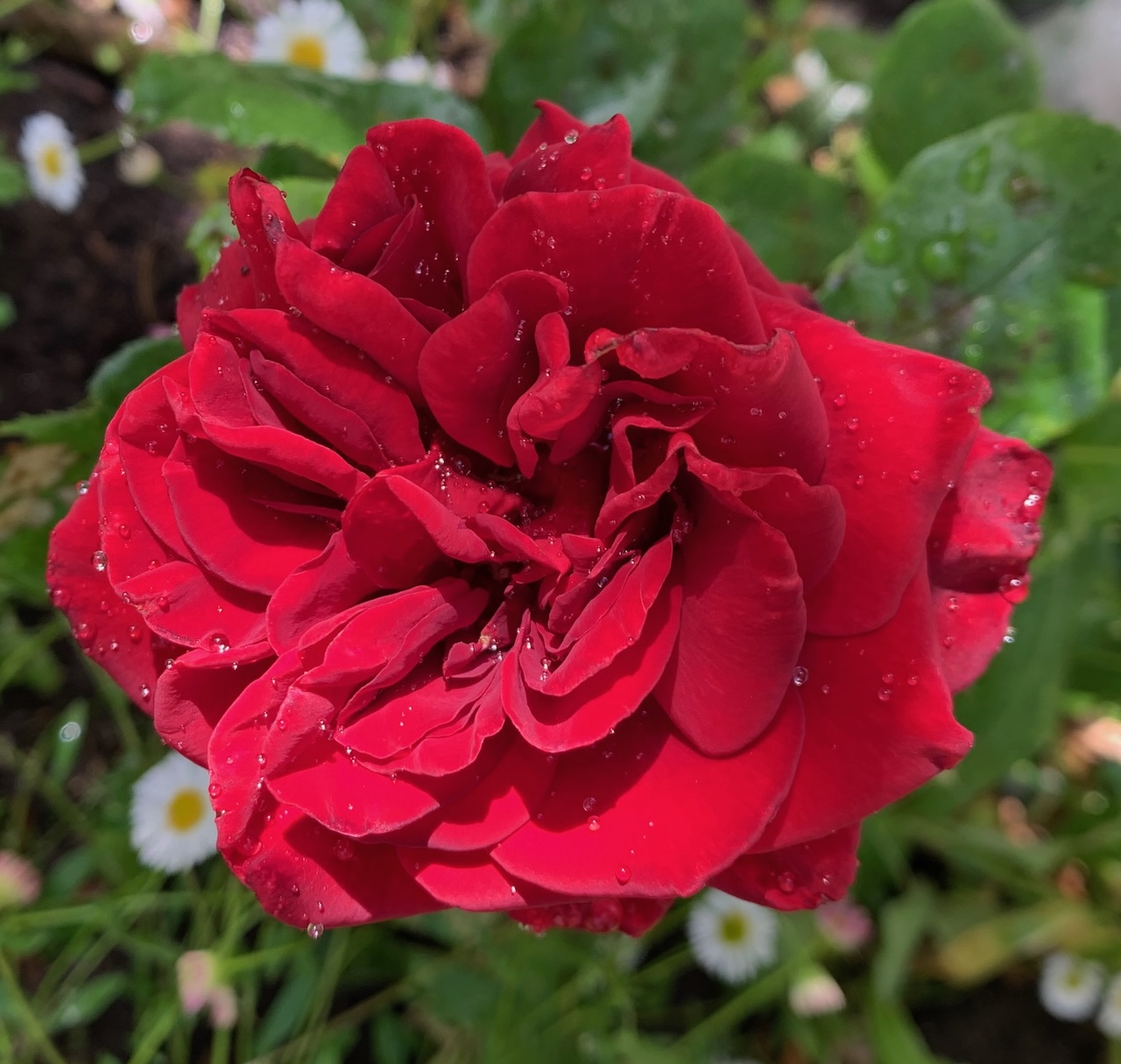
I was born from a rose bush
planted by Creiddylad – black, white and red.
My black sister is dead and my white sister is gone.

I wanted to be kind but I could not escape my thorns.

I fled from this world and wrapped myself
around the fortress of Annwn’s King.

I would not let Creiddylad in.

I wanted to be kind but I was cruel.

“It will always be winter here.
He will always wear my crown.
He will never return to gather the dead.
We will sleep together amongst His treasures for ever.”

“I planted you, I nurtured you,” Creiddylad wept, 
her tears pouring down around my roots.
“Each one of your petals I made 
from a tiny piece of my heart.”

“Then why am I so cruel?”

“Because there is cruelty
hidden deep within my heart –
that is why I practice kindness every day.”

“Then I can be kind too?”

“Yes.”

“Then what must I do?”

“Leave Annwn, leave my King,
return to the world to be a sanctuary
for another, who like you, has been cruel,
but longs to learn to love, to be kind, to heal.”

So I unwrapped my trestles and I threw down my thorns
and prostrated myself at Creiddylad’s feet
in my first act of kindness promising
there will be many more.

I Am Home

‘I have finally arrived. I am home.’ 

This insight came to me after I had been considering taking my monastic vows for the third time this year whilst looking ahead to lifelong vows next year. If I am to pledge to being a nun of Annwn for life what will this life look like?

When I founded the Monastery of Annwn at first I dreamt it might become a physical reality. I drew up an ambitious plan with a central temple, underground shrines, healing huts, an arts centre, circles of huts for the monastic devotees, a garden, compost loos, a burial ground…*. Shortly afterwards I realised living in, let alone running, such a large and busy place would be more Uffern ar y Ddaer ‘Hell on Earth’ than abiding close to Annwn for me.

Still, as I continued to follow as monastic-a-path as I could while living with my parents in suburban Penwortham, I spent a lot of time dreaming of alternatives for a physical monastery. What about a large house with land? What about beginning with a small house with 2 – 3 monastics sharing the space? 

As my practice of being present and aware for Gwyn has progressed and I’ve got a lot better at watching and knowing myself as I undertake my daily activities I’ve come to realise that although I enjoy spending a limited amount of time holding sacred space for others I really appreciate having my morning and evening prayer and meditation times solely with my Gods and spirits.

Also, as I’m autistic and thrive on order and routine, in spite of my meditation practices helping me become more responsive and less reactive, I still get incredibly irritable and resentful if others make a mess or interrupt me. This is with my parents, who are relatively quiet and orderly. I dread to think of what I might be like with others with different personalities. I wouldn’t be prepared to change my diet or routine and thus couldn’t expect others to fit with mine. I’m also aware that my main trigger for autistic burnout and meltdowns is organising other people to do things and even worse doing things by committee.

So, finally, I have come to terms with the fact that I am not cut out to run or even be in a monastery. And this is fine because a few months ago I discovered the Carmelite model for lay monasticism and have since then been exploring how this suits me. Perfectly it turns out. I have a couple of hours in the morning and evening for prayer and meditation and the rest of my day is dedicated to shamanic work, studying, writing, housework, gardening and occasional conservation volunteering. I’m still ‘allowed’ to go to the gym.

I recently put forward the model of the monastery functioning as a support structure enabling us to serve our Gods as lay monastics bringing inspiration and wisdom from Annwn to the world, to the other members. Those who replied agreed it fits with them as most have family and work commitments.

Putting aside my hopes and fears around founding a physical monastery has allowed me to fully come home to my life as a lay nun in present-day Penwortham. It allows me to be happier and more present for Gwyn. And, most importantly, it pleases Gwyn too, because the more present I am in the world, the better I am at presencing Him and being of service to Him and my communities.

And my recently planted sanctuary rose bush has bloomed which I take to be a good sign.

*https://lornasmithers.wordpress.com/2024/05/17/dreaming-the-monastery-of-annwn/

By Your Anger and Your Arrow – On Invoking Rudra and Gwyn

In a recent article I mentioned my discovery that yoga and tantra originate from Shaivism, ‘the Path of evoking Shiva’, ‘a system of mysticism rooted in indigenous shamanism’ which existed before the beginning of the Vedic period (1).

This got me really excited as it provided evidence that yoga has shamanic origins and that Shiva, ‘Lord of Yoga,’ was the God of this pre-vedic system. As a Brythonic polytheist and shamanic guide I associate my patron God, Gwyn ap Nudd, a King of Annwn (the Otherworld) with shamanic practices and have come to know Him as a ‘Master of Meditation’.

These similarities led me to looking for the earliest textual references to Shiva. I found out that He was earlier known by the name Rudra – ‘Roarer’ or ‘Howler’. By this name He shares many similarities with Gwyn as a God of hunting, wind and storms, and healing. Rudra is the leader of the Maruts or Rudras – storm Deities who are His sons. Gwyn and His ‘family’ are associated with ‘the province of the wind’ (2). Gwyn is a leader of the Wild Hunt, which is a similar phenomenon.

The oldest hymns to Rudra appear in the Rig Veda (1500BCE). In her introduction Wendy Doniger describes Him as follows: ‘Rudra is a liminal figure… invoked with Vedic hymns but not invited to partake in the regular Vedic sacrifice; as the embodiment of wildness and unpredictable danger, he is addressed more with the hope of keeping him at bay than with the wish to bring him near… Though only three entire hymns in the Rig Veda are addressed to Rudra, the rich ambivalence of his character is the basis of an important line of Indian theology that culminates in the Hindu god Śiva. Rudra is fierce and destructive like a terrible beast, like a wild storm; the sage begs him to turn his malevolence elsewhere. Yet Rudra is not merely demonic, for he is the healer and cooler as well as the bringer of disease and destructive fever’ (3).

I found this description striking and it reminded me very much of Gwyn, who shares an outsider status as a wild God who is revered and feared. Gwyn and the spirits of Annwn, like the Irish andedion ‘ungods’, also exist outside the ‘pantheons’ of culture Gods – the Children of Don  and the Tuatha De Dannan (4). This is suggestive of their origins in an earlier wilder shamanic culture.

Gwyn shares with Rudra a ‘rich ambivalence’. As the leader of the spirits of Annwn He contains their aryal ‘fury’ and demonic nature yet, at the same time, He is the Deity who holds it back to prevent the destruction of the world (5). These spirits share many similarities with the Maruts, or Rudras, the sons of Rudra. Rudra is also said to have power over the Asuras, ‘demons’.

Like Rudra, Gwyn is viewed as being able to bring disease and destruction and, contrastingly, is seen as a healer. In the fourteenth century He was invoked to heal the effects of the Evil Eye as recorded in The Speculum Christiani: ‘Some stupid people also stupidly go to the door holding fire and iron in the hands when someone has inflicted illness, and call to the King of the Benevolent Ones and his Queen, who are evil spirits, saying, “Gwyn ap Nudd who are in the forests for the love of your mate allow us to return home” (6).

It is very interesting to see Gwyn referred to as the King of the Benevolent Ones. This, like the term Tylwyth Teg, ‘Fair Family,’ is a euphemism for His spirits similar to how the Greek furies are referred to as the Eumenides, ‘Kindly Ones’. Likewise, Rudra is implored for His ‘kindness’. Gwyn’s name, which means ‘white, blessed, holy,’ might be seen as a similar appellation.

In ‘Rudra, Father of the Maruts’, Rudra is called upon to send ‘kindess’ and ‘healing medicine’, to drive away ‘hatred’, ‘anguish’ and ‘disease’ and to ward off ‘attacks and injury’. He is petitioned as ‘the best healer’ and as a protector who takes the form of a ‘tawny and amazing bull’ carrying ‘arrows and bow’ (7). In this apparel He bears striking similarities with Gwyn, who appears as a warrior-huntsman and ‘bull of battle’ in The Black Book of Carmarthen (8).

In ‘Have Mercy on us Rudra’ He is again petitioned to show ‘kindness’, to offer ‘protection, shelter, refuge’ and to hold back His destructive power. ‘Do not kill our father or our mother, nor harm the bodies dear to us.’ ‘Keep far away from us your cow-killing and man-killing power, O ruler of heroes’ (9). Here, like Gwyn, whose horse tramples armies like felled reeds to the ground (10) He brings death. ‘Ruler of heroes’ resembles Gwyn’s epithet ‘Lord of Hosts.’

Intriguingly we find the lines: ‘We call down for help the dreaded Rudra… the sage who flies.’ (11) This might refer to Rudra’s mastery of shamanic soul-flight. 

In the Yajur Veda we find a hymn to Rudra called ‘Shri Rudram’ which is divided into two parts. In the Namakam, Rudra is invoked by a number of names to stay His bow and arrow and destructive tendencies and to bring happiness and peace. ‘Oh! Rudra Deva! My salutations to your anger and your arrows. My salutations to your bow and to your pair of hands. Oh! Destroyer! By that arrow of yours, that bow of yours and that quiver of yours which have become the most peaceful make us happy’ (12).

Here Rudra and the Rudras are intimately associated with forests and trees. We find lines where They share similarities with the spirits of Annwn or fairies who, in The Life of St Collen, wear garments of red and blue and offer a delicious banquet (13). ‘Those Rudras who exist in trees as their overlords, yellow-hued, like tender grass, crimson and blue-necked… lords of ghosts and spirits… those Rudras who are protectors of the pathways, the givers of food’ (14).

The Chamakan is a series of petitions to Rudra for health and good fortune. ‘Let the life forces and vital airs of Prana, Apana and Vyana function properly in me.’ ‘Let me have well functioning sense organs with clear eye sight and clear hearing.’ ‘May I be granted happiness in this world and the other world’ (15).

These early hymns show how Rudra was invoked in the vedic times and hint at His function in an earlier wilder shamanic culture. At their heart lies Rudra’s ambivalent nature – His fierceness and His kindness – qualities He shares with Gwyn. Thus, they offer clues to how Gwyn (by His earlier name Vindos) might have been praised and called upon by the Brythonic people around 1500BCE and might serve as inspiration for new hymns from modern devotees.

REFERENCES

  1. Swami Nischalananda, Insight into Reality, (Kindle Edition, 2019), p387
  2. Dafydd ap Gwilym, Poems, (Gomer Press, 1982), p131
  3. Wendy Doniger (transl), The Rig Veda (Penguin Classics, Kindle Edition), p219 – p222
  4. Similar wild outsider Gods are found in other Indo-European cultures such as Dionysus to the Olympian Gods in the Greek tradition and the Vanir to the Aesir in the Norse tradition.
  5. ‘Gwyn ap Nudd… God has put the spirit of the demons of Annwfn in Him, lest the world be destroyed.’Sioned Davies, The Mabinogion, (Oxford University Press, 2007),p199
  6. Angelika H. Rudiger, ‘Gwyn ap Nudd: Transfigurations of a character on the way from medieval literature to Neo-pagan beliefs’, Gramayre: The Journal of the Sussex Centre for Folklore, Winter 2012, Issue 2 
  7. Wendy Doniger (transl), The Rig Veda (Penguin Classics, Kindle Edition), p222 – 223
  8. https://awenydd.weebly.com/the-conversation-between-gwyn-ap-nudd-and-gwyddno-garanhir.html
  9. Wendy Doniger (transl), The Rig Veda (Penguin Classics, Kindle Edition), p224 – 225
  10. https://awenydd.weebly.com/the-conversation-between-gwyn-ap-nudd-and-gwyddno-garanhir.html
  11. Wendy Doniger (transl), The Rig Veda (Penguin Classics, Kindle Edition), p224 – 225
  12. https://www.sathyasai.org/sites/default/files/pages/eternal-companion/vol-4/issue-3/rudram-namakam-chamakam.pdf p1-2
  13. https://www.maryjones.us/ctexts/collen.html
  14. Ibid. p23

The Universe Unrolls from His Heart – Thoughts on Kashmir Shaivism and Annuvian Monasticism

‘He becomes intent to roll out the entire splendour of the Universe that is contained in His heart…’
~ Swami Maheshwarananda

When I first started practicing yoga in 2022 in the hope it would help with my hip and knee problems I had no idea that I would fall in love not only with the asana ‘postures’ but with pranayama ‘breathwork’ and dhayana ‘meditation’. I never guessed that I would find such astonishing parallels between the Hindu God Shiva, ‘Lord of Yoga’, and my patron God, Gwyn ap Nudd, who presented Himself to me as our Brythonic ‘Master of Meditation’. Both, I realised, come from a shared Indo-European origin.

I found similarities exist between Shiva and Gwyn on a symbolic level. Both are associated with bulls and serpents and with intuitive insight and visionary experience. Shiva’s often seen as a destroyer and Gwyn has destructive potency as a leader of the Wild Hunt and the God who holds back the fury of the ‘devils’ of Annwn in order to prevent their destruction of the world.

There’s a story about Shiva riding down the mountain to His wedding feast on a huge bull ‘covered in snakes and ash’ ‘with ghosts and demons’ ‘some had their mouths in their stomachs, some had only one foot and some had three’. Yet when He and His company ‘crossed the wedding portals’ and entered the presence of His bride, Shakti, they were transfigured into ‘a handsome young man’ and ‘divine beings’ (1). This spoke immediately to me of the paradoxical nature of Gwyn and the spirits of Annwn who are referred to both as furious ‘devils’ and as beautiful and beneficent fair folk.

Whilst studying yogic meditation in more depth with the Mandala Yoga Ashram I discovered an incredible text called the Vigyana Bhairava Tantra from the Kasmir Shaivite tradition.The ashram founder, Swami Nischalanda, refers to it as his Bible and many of the practices within the ashram derive from it. Over recent months I have taken a short course (2) and read Swamiji’s exposition of it in Insight Into Reality from which I gleaned many insights.

Bhairava ‘Fearsome’ or ‘Awe-Inspiring’ is another name for Shiva which evokes qualities of Gwyn, whilst vigyana means ‘insight’ and tantra ‘techniques’. The text is also known as Shiva Vigyana Upanishad ‘The Secret Teachings of Shiva’. Within, Bhairava addresses His consort, Bhairavi as His Beloved and student, teaching Her in 112 dharanas ‘concentrations / lessons’ how to gain insights into the fundamental nature of reality. As I’ve been listening to and practicing the dharanas I have felt that Gwyn is speaking through it to me as His student and beloved as a nun of Annwn.

In The Edge of Infinity Swami Nischalananda provides an account of the history of Kashmir Shaivism. He says: ‘In the past, tantra was widely known as Shaivism, ‘the Path of Evoking Shiva’, a system of mysticism rooted in indigenous shamanism. It existed  throughout India well before 1500 CE, the start of the vedic period’ (3). Tantra, as an oral tradition, predates the Vedic texts, with its first scriptures emerging in the first millenium CE. Kashmir Shaivism originated in 850 CE with one of the main texts being the Shiva Sutras which were gifted to Vasugupta by Shiva in a dream. The Vigyana Bhairava Tantra is central and was written down around 7 – 800CE.

I was incredibly excited to find out that a number of texts, such as Pratyabhijna Hridayam ‘The Heart of Recognition’ and The Triadic Heart of Shiva, refer to the universe unfolding from Shiva’s heart and to His residence in the heart. 

‘When He becomes intent to roll out the entire splendour of the Universe that is contained in His heart… he is designated as Sakti.’ (4)

‘The Heart, says Abhinavagupta, is the very Self of Siva, of Bhairava, and of the Devi, the Goddess who is inseparable from Siva. Indeed, the Heart is the site of their union (yamala), of their embrace (samghata). This abode is pure consciousness (caitanya) as well as unlimited bliss (ananda)… The Heart, says Abhinavagupta, is the sacred fire-pit of Bhairava. The Heart is the Ultimate (anuttara) which is both utterly transcendent to (visvottirna) and yet totally immanent in (visvamaya) all created things. It is the ultimate essence (sãra). Thus, the Heart embodies the paradoxical nature of Siva and is therefore a place of astonishment (camatkara), sheer wonder (vismaya), and ineffable mystery. The Heart is the fullness and unboundedness of Siva (purnata), the plenum of being that overflows continuously into manifestation. At the same time, it is also an inconceivable emptiness (sunyatisunya). The Heart is the unbounded and universal Self (purnahantä).’ (5)

‘He, truly, indeed, is the Self (atman) within the heart, very subtle, kindled like fire, assuming all forms. This whole world is his food. On Him creatures here are woven. He is the Self, which is free from evil, ageless, deathless, sorrowless, free from uncertainty, free from fetters, whose conception is real, whose desire is real. He is the Supreme Lord. He is the ruler of beings. He is the protector of beings. This Soul, assuredly, indeed, is Isana, Sambhu, Bhava, Rudra.’ (6) (The names at the end are all epithets of Shiva).

Reading these words was meaningful for me because Gwyn revealed to me that His heart is the Heart of Annwn ‘Very Deep’ (the Brythonic Otherworld). During my practice of playing the heartbeat of Annwn on my drum for an hour every week I have experienced visions of the universe and its people being born from Annwn like red blood pouring from His heart and returning at death like blue blood. When we entered a sacred marriage He came to dwell within my heart as ‘the Heart of my Heart’. I was told that my heart is also the Heart of Annwn and the universe unrolls from my heart (which fits with the practices emphasising the importance of the heart-space in yoga).

As I read more about Kashmir Shaivism I found further similarities with the cosmology I have been gifted in visions from Gwyn. In Kashmir Shaivism the fundamental ground of reality is Brahman or Parama ‘Ultimate’ Shiva. In mythology it is represented as the serpent-king Nagaraja ‘the infinite… who spreads out the universe with thousands of hooded heads, set with blazing, effulgent jewels’ (7). Before I had read these lines I was shown that the ground of reality is Anrhuna, the Mother of Annwn, the Dragon Mother, who has nine dragon heads with jewels in their foreheads and an infinite number of coils. 

In a vision I was shown how Anrhuna was slaughtered and Gwyn and His sister, Creiddylad, were torn from Her womb. Through eating His mother’s heart Gwyn inherited the Heart of Annwn and became King of Annwn (8). Creiddylad brought life to the world as the energy behind creation – the ‘green fuse’ of vegetative life and by breathing life into living creatures. 

This bears a resemblance with Kashmir Shaivism wherein Brahman divides into Shiva (Consciousness) and Shakti (energy and matter). There are parallels between the Heart of Annwn being the source of the universe from which all living beings are born and to which they return and the Heart of Shiva being the source of all energy and matter manifesting as Shakti.

Intriguingly, the first three dharanas in the Vigyana Bhairava Tantra focus on the origin and end points of the breath. When I practice these exercises I find myself contemplating how Creiddylad gave breath to life and Gwyn takes it away.

Finding these similarities between Kashmir Shaivism and the Annuvian monasticism I am developing for Gwyn has been revealing and exciting. I’m sure there is much more to be discovered as I continue with my research and practices.

REFERENCES

(1) Swami Nischalananda, Insight into Reality, (Kindle Edition, 2019), p393
(2) https://www.mandalayogaashram.com/self-study-course-vigyana-bhairava-tantra
(3) Swami Nischalananda, Insight into Reality, (Kindle Edition, 2019), p387
(4) Jaideva Singh, Pratyabhijna Hridayam, (Sundar Lal Jain, 1963), p30
(5) Paul Eduardo Muller-Ortega, The Triadic Heart of Siva, (State University of New York Press), p71
(6) Ibid. p82
(7) Richard Freeman, The Mirror of Yoga: Awakening the Intelligence of Body and Mind, (Kindle Edition, 2019) p19
(8) This story has a basis in medieval Welsh mythology. In Culhwch and Olwen, Gwyn kills a king called Nwython then feeds his heart to his son. I believe this might evidence an earlier ‘Cult of the Heart’ that preceded the ‘Cult of the Head’ wherein the soul was seen to dwell in the heart and the wisdom of one’s ancestors could be passed on by eating their hearts.